
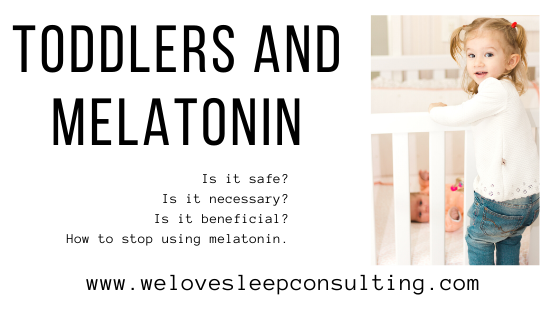
Image Source: www.welovesleepconsulting.com
Can I Give My Toddler Melatonin? Safety; Dosage; and Risks;
For parents facing sleepless nights, the idea of anything that might help their little one sleep sounds like a dream. When dealing with toddler sleep problems, you might wonder, “Can I give my toddler melatonin?” The direct answer is that giving melatonin to a toddler is not usually recommended without first talking to a doctor. It’s generally not the first choice or a simple fix for sleep troubles in young children.
Let’s look closer at melatonin, why toddlers have trouble sleeping, and safer ways to help them get the rest they need.
Learning About Melatonin
Melatonin is a natural hormone. Your body makes it. It helps control your sleep and wake times. Think of it as a signal. When it gets dark, your body makes more melatonin. This signal tells your brain it’s time to feel sleepy. When it’s light, your body makes less. This signal helps you wake up.
Melatonin is sold as a supplement. People take it hoping it will help them fall asleep faster. It is often used for problems like jet lag or sleep issues related to shift work.
How Our Bodies Make It
A small part of your brain called the pineal gland makes melatonin. Light affects how much it makes. Bright light makes the pineal gland slow down. Darkness makes it ramp up. This is why darkness helps you feel sleepy. Being in a dark room at bedtime supports your body’s natural melatonin making.
Melatonin vs. Sleep Aid
It’s important to see melatonin for what it is. It helps signal sleepiness. It does not force you to sleep like some strong sleep medicines. It is different from medicines that knock you out. Melatonin tells your body, “Hey, it’s nighttime, maybe start winding down.” It’s more like a gentle nudge, not a heavy push. However, even this gentle nudge might not be right for a young child.
Finding Out About Toddler Sleep Problems
Toddler sleep problems are very common. Many parents go through this. There are many reasons why a toddler might not sleep well. It does not always mean something is wrong. Often, it’s just part of growing up.
Normal Toddler Sleep Patterns
Toddlers’ sleep needs change as they grow. They usually need about 11 to 14 hours of sleep each day. This often includes naps. Their sleep patterns can be uneven. They might sleep great one week and struggle the next. This is normal.
Common Causes of Sleep Issues
Why might your toddler have trouble sleeping? Here are some common reasons:
- Changes in routine: Going to a new daycare, travel, or visitors can upset sleep.
- Fear of the dark or being alone: Toddlers can start having fears. Monsters under the bed are real to them.
- Getting sick: Colds, ear infections, or other illnesses make sleep hard.
- Teething: New teeth coming in hurt. This pain can wake them up.
- Learning new things: Walking, talking, and other big steps can excite their brain. This can make it hard to wind down.
- Not enough activity: If they don’t move much during the day, they might have too much energy at bedtime.
- Too much screen time: Lights from phones or tablets close to bedtime can make it harder to feel sleepy.
- Nap times: Naps that are too long, too late, or missing can mess up nighttime sleep.
- Hunger or thirst: Waking up because they are hungry or thirsty.
- Needing comfort: Sometimes they just want you close.
Facing toddler sleep problems can be tiring for the whole family. This is often when parents start looking for help. They might hear about melatonin and wonder if it could work.
Why Parents Might Consider Melatonin
Parents look into melatonin often because they are tired and worried. They see their child is not getting enough sleep. They might feel like they have tried everything else. They want a quick solution to help their child rest and grow. They might hear from other parents or read things online. This can make melatonin seem like a simple answer to complex toddler sleep problems.
Is Melatonin Safe for Toddlers?
This is a big question for parents. The simple answer is that we don’t truly know if melatonin is safe for toddlers over the long term.
The Lack of Long-Term Research
Most studies on melatonin have been done on adults. There are not many good studies on young children, especially toddlers. We don’t know how taking melatonin every night for months or years might affect a child’s growth or brain as they develop. Children’s bodies and brains are still growing so much. What is okay for an adult might not be okay for a young child.
Pediatrician Advice Melatonin
Most doctors who care for children (pediatricians) do not suggest melatonin as a regular fix for sleep problems in toddlers. They usually want parents to try other things first. These include checking sleep habits and routines. They might suggest melatonin only in very special cases. This could be for kids with certain health issues that really mess up their body clock. Even then, they watch the child closely. It is never something they advise parents to just buy and give on their own. Always talk to your pediatrician before giving your child any supplement or medicine, including melatonin. They know your child best and can help figure out the real cause of sleep problems.
Potential Risks and Unknowns
Because there isn’t much research, we don’t fully know all the risks.
- We don’t know the right dose: There is no standard, safe dose for toddlers. Supplements aren’t controlled like medicines. The amount of melatonin in a pill or gummy might be different from what the label says. This makes it hard to know how much a child is really getting.
- We don’t know long-term effects: Could it affect puberty? Brain development? We just don’t have the answers yet. Long term effects melatonin children are simply not well studied.
- It might cover up other problems: Sleep problems can sometimes be a sign of another issue, like sleep apnea, restless legs, or even anxiety. Giving melatonin might hide these other problems, making it harder to find and treat them.
- It might not work well: Melatonin only helps with the timing of sleep signals. It won’t help if the sleep problem is caused by fear, pain, or needing comfort.
- Reliance: There is a worry that children might become too used to needing something external to sleep, instead of learning to fall asleep on their own.
Overall, is melatonin safe for toddlers? The medical answer is: We don’t have enough proof it is, especially for regular use. The possible risks and unknowns mean doctors are very careful about suggesting it.
Looking at Melatonin Dosage Children
Figuring out melatonin dosage children is tricky. There is no agreed-upon safe dose for young children. This is because it hasn’t been studied enough in this age group. Melatonin isn’t treated like a medicine by the FDA (the group that checks medicines and foods in the US). This means there aren’t strict rules about how pure it is or how much is in each pill or gummy.
Why Dosage is Tricky for Kids
- No standard: There’s no official chart or guide for giving melatonin to toddlers.
- Variable strength: What you buy might not have the dose it says on the label.
- Weight/Age: How a child’s body uses melatonin changes with age and weight. Doctors don’t have clear data for toddlers.
- Body’s own melatonin: Giving extra melatonin might affect how a child’s own body makes it over time. We don’t fully understand this.
If Ever Used Under Medical Guidance
In rare cases, a pediatrician might suggest a very low dose of melatonin. This is often for specific conditions, like some sleep disorders in children with special needs. Even then, they start with a tiny amount. They watch the child closely.
- Examples of what a doctor might consider (BUT DO NOT TRY THIS YOURSELF): If a doctor were to consider it (again, very rare and specific cases), they might start with something like 0.5 mg or 1 mg. But this is highly dependent on the child and the reason for considering it. There is no standard toddler melatonin dosage. This must only happen under strict doctor guidance. Self-dosing your toddler with melatonin is not advised.
Different Forms
Melatonin for children comes in different forms. You can find liquids, chewable tablets, and gummies. Gummies are popular but can be a problem. They might taste like candy. This makes them look like a treat to a child. This can be dangerous if a child eats too many thinking they are candy. It’s very important to keep any supplements, including melatonin, locked up and out of reach of children.
| Melatonin Form | Pros | Cons |
|---|---|---|
| Liquid | Easy to give small, exact dose | Taste can be an issue |
| Chewable Tab | Easy to take | Can be mistaken for candy; dosage less exact |
| Gummies | Taste good; easy to take | High risk of child thinking it’s candy; dosage can be uneven; often higher doses |
No matter the form, the biggest safety issue for melatonin dosage children is the lack of research and the risk of misuse.
Potential Side Effects of Melatonin for Kids
While melatonin is often seen as “natural,” it’s not without possible side effects, even in small amounts. These are melatonin side effects kids might have.
Common Side Effects
If a child does take melatonin, some minor side effects can happen. These are often mild.
- Feeling sleepy the next day: They might be extra drowsy in the morning.
- Headache: Some kids get a headache.
- Feeling dizzy: They might feel a bit unsteady.
- Feeling sick to the stomach: Nausea or stomach upset can happen.
- Wetting the bed: Melatonin might make some kids wet the bed more often.
Less Common/Potential Side Effects
Other side effects are less common, but worth knowing about.
- Mood changes: Some parents report their child seems more grumpy, irritable, or even hyperactive after taking melatonin.
- Vivid dreams or nightmares: Some kids might have strange or scary dreams.
- Changes in blood pressure: Though rare, melatonin can affect blood pressure.
- Interactions with other medicines: If your child takes any other medicine, melatonin could change how it works.
Long Term Effects Melatonin Children
As said before, the long term effects melatonin children are mostly unknown. This is the biggest worry for doctors. Giving a hormone to a developing body for a long time could have effects we don’t see right away.
- Hormone development: Could it affect when puberty starts? Could it change how the body makes other hormones? We don’t know.
- Brain development: The young brain is still forming. Could long-term melatonin use affect how the brain grows and works? Studies haven’t shown this, but they haven’t ruled it out either.
- Sleep cycles: Could using melatonin change a child’s natural sleep cycle in the long run?
Because of these big unknowns, melatonin side effects kids might face over time make doctors very hesitant to suggest it for everyday toddler sleep problems.
Consulting a Pediatrician: Why It’s Key
You might feel like you have to figure out your toddler’s sleep alone. But your child’s doctor is your best helper.
Why Talking to a Doctor is Key
Your pediatrician can do many things to help with toddler sleep problems:
- Find the real cause: They can check if there’s a medical reason for the sleep trouble. Is it ear pain? Allergies? Something else?
- Check health: They can make sure your child is healthy overall.
- Give advice on sleep habits: They can talk to you about good sleep routines and habits. This is often the best place to start.
- Suggest other help: If needed, they can point you to a child sleep expert or other specialists.
- Discuss melatonin safely: If, and only if, they think it might help in a very specific situation, they will talk to you about it carefully. They will guide you on dose and how to watch your child.
When a Doctor Might Suggest It
It’s very rare for a pediatrician to suggest melatonin for a typical toddler who just has trouble settling down or wakes up often. They might consider it only for kids with certain conditions that severely disrupt sleep, such as:
- Children with autism spectrum disorder
- Children with ADHD
- Children who have sleep disorders like Delayed Sleep Phase Syndrome (though this is less common in toddlers)
Even in these cases, it’s part of a bigger plan. It’s not a magic bullet.
What a Doctor Will Assess
If you talk to your doctor about sleep problems, they will likely ask many questions:
- Tell me about your toddler’s sleep schedule. What time do they go to bed? Wake up? Nap?
- What is your bedtime routine like?
- What happens when they wake up at night?
- Where do they sleep? Is the room dark and quiet?
- What do they eat and drink before bed?
- Do they have any fears at night?
- Have there been any big changes lately?
- Do they have any other health problems?
- Are they taking any other medicines?
This helps them get the full picture. They can then give you the best advice. Remember, pediatrician advice melatonin is usually to not use it for typical sleep issues and to try other methods first.
Considering Alternatives to Melatonin for Toddler Sleep
Before thinking about giving your toddler melatonin, there are many other safer and often more effective ways to help them sleep better. These focus on creating good sleep habits. These are often called natural sleep aids toddler.
Natural Sleep Aids Toddler (Focus on Routine and Environment)
These aren’t pills or drops. They are about making the right setting and having predictable actions that tell your child it’s time to rest.
- Darkness: Make the bedroom very dark. Use blackout curtains. Light tells the brain to wake up. Darkness helps the body make its own melatonin.
- Quiet: Keep the sleep area quiet. You can use a white noise machine if needed to block out other sounds.
- Cool temperature: A slightly cool room is better for sleep than a warm one.
- Comfortable PJs and bedding: Make sure they aren’t too hot, cold, or itchy.
Sleep Routine Importance
A calming, consistent bedtime routine is one of the most powerful tools you have. It signals to your child that sleep time is coming. Do the same steps in the same order every night.
- Timing: Start the routine about 30-60 minutes before you want them to be asleep.
- Steps: A simple routine might be:
- Tidy up toys (short time)
- Bath time (warm and relaxing)
- Put on pajamas and a fresh diaper
- Brush teeth
- Quiet activity: Reading books (pick calm stories), singing soft songs, gentle talking.
- Cuddles and goodnight wishes
- Put in bed while still awake but sleepy
Consistency is key. Do this every single night, even on weekends if possible.
Creating a Sleep-Friendly Room
Beyond dark, quiet, and cool, make the room a place for sleep.
- No bright toys or exciting things visible from the bed.
- Keep the bed for sleeping (and quiet reading), not for playing or punishment.
- Ensure it feels safe and comforting.
Daytime Habits (Naps, Activity, Diet)
What happens during the day affects night sleep.
- Naps: Make sure naps happen at helpful times. A nap too late in the day can make it hard to fall asleep at night. Make sure they aren’t too long for their age.
- Activity: Make sure your toddler gets plenty of active playtime during the day. Running, jumping, and being outside can help them feel tired at night.
- Screen Time: Avoid screens (TV, tablets, phones) for at least an hour before bedtime. The blue light can interfere with melatonin making.
- Food and Drink: Don’t give sugary snacks or drinks close to bedtime. Avoid large meals right before bed. A light snack might be okay if they are hungry. Make sure they have a drink of water earlier so they don’t wake up thirsty, but not so much they need to pee right away.
Behavioral Sleep Training Methods
These methods help your child learn to fall asleep on their own and get back to sleep if they wake up. There are different approaches, like:
- Gradual retreat: Slowly reduce your presence in the room as your child falls asleep.
- Checking in (Ferber method): Let your child cry for short, timed periods before going in to comfort them briefly without picking them up.
- Putting down awake: The goal is always to put your child down awake so they learn to soothe themselves to sleep.
These methods take patience and consistency. They are teaching a life skill: how to sleep independently.
When to Seek Help Beyond Your Pediatrician
If you’ve tried many of these things and your toddler still has big sleep problems, your pediatrician might suggest seeing a sleep specialist. These doctors know a lot about sleep disorders in children. They can do more detailed tests if needed.
Alternative Sleep Solutions for Toddlers (Summary)
Here’s a quick look at safer ways to help toddler sleep problems:
- Solid Sleep Routine: Bath, books, quiet time every night.
- Dark, Cool, Quiet Room: Make the sleep space just right.
- Healthy Daytime: Good naps, lots of play, less screen time before bed.
- Teach Independent Sleep: Help them learn to fall asleep by themselves.
- Rule Out Health Issues: Talk to your doctor to check for medical causes.
These alternative sleep solutions for toddlers are the first and best path for most families.
Making the Decision
Thinking about giving melatonin to your toddler is understandable when everyone is tired. However, because of the lack of research on safety and dosage for this age group, most doctors do not recommend it for everyday sleep problems.
Prioritize trying proven strategies like consistent routines, a good sleep environment, and healthy daytime habits. These build a strong foundation for sleep that can help your child for years to come.
If you are still struggling, or if sleep problems seem severe, always talk to your pediatrician. They can help you find the root cause and explore safe, effective solutions tailored to your child’s needs. Don’t rely on melatonin you buy off the shelf without medical guidance. The risks and unknowns are too significant for young children.
Frequently Asked Questions (FAQ)
Is 1mg Melatonin Safe for a Toddler?
No, there is no dosage of melatonin that is widely considered safe and standard for toddlers without specific medical advice. Even 1mg can be more than a toddler needs and its effect is hard to predict. Dosage should never be decided by parents.
How Much Melatonin is Too Much for a Toddler?
Any amount of melatonin given without a doctor’s clear direction could be considered “too much” because we don’t know the safe limit for toddlers. Giving too much could lead to side effects like next-day grogginess, headaches, or other unknown issues.
Can Melatonin Make Toddlers More Awake?
In some children, melatonin can have the opposite effect and make them more restless or hyperactive. This is not common but has been reported as one of the possible melatonin side effects kids might experience.
What Are the Long Term Effects of Giving a Child Melatonin Every Night?
The long term effects melatonin children are largely unknown. There is worry about how it might affect hormone development (like puberty) or brain growth, but more research is needed. This lack of knowledge is a major reason doctors caution against long-term use in young children.
Is Melatonin the Same as a Sleeping Pill?
No, melatonin is a hormone that signals sleepiness. Sleeping pills are medicines that force sleep through different actions in the brain. Melatonin is not as strong as a sleeping pill. However, both carry risks, especially for young children.
Are Natural Sleep Aids for Toddlers Effective?
Yes, many non-medicine approaches are very effective! Creating a calming bedtime routine, ensuring a dark, quiet, cool room, consistent sleep times, and teaching independent sleep skills are highly effective natural sleep aids toddler parents can use. They address the reasons for sleep problems rather than just trying to induce sleepiness.