
Image Source: assets.childrens.com
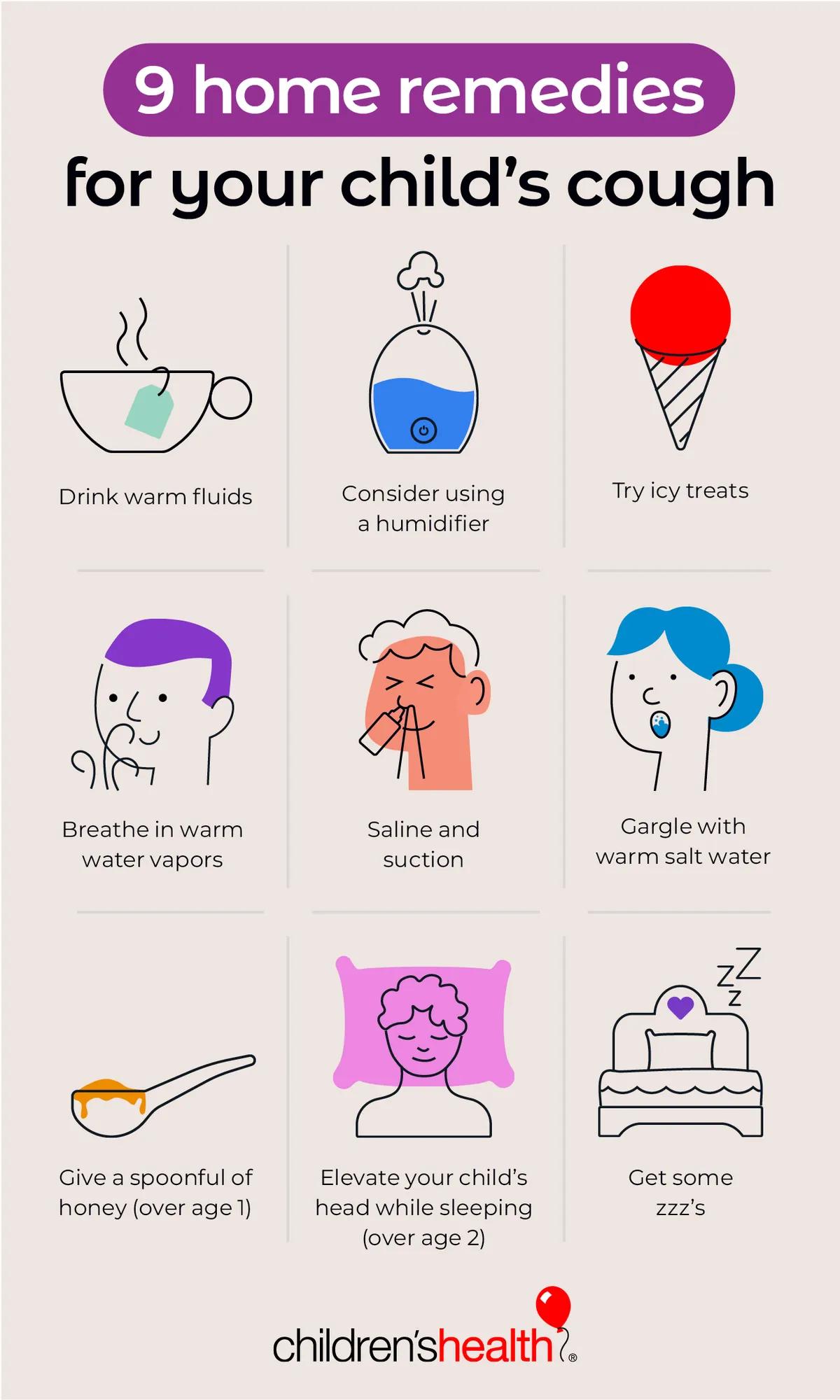
How To Help Toddler Cough: Easy Home Remedies Tested
A cough is a common thing for toddlers. It can sound scary, but often it’s just their body working to clear things out. You want to know how to help your toddler cough and what easy home remedies might work. Many simple things can bring them comfort, especially when a cold is the cause. Giving them fluids, using moisture in the air, and trying things like honey (if they are old enough) are some trusted toddler cough remedies that can make a big difference. We will look at different ways to help your little one feel better and know when to see doctor toddler cough.
Why Toddlers Cough
Coughing is a helpful reflex. It’s how the body tries to get rid of stuff in the airways. Think of it like a mini-explosion of air to clear things out.
What Causes Coughs in Little Ones?
Most coughs in toddlers come from simple sicknesses like colds or other viruses.
- Colds: This is the most common reason. A cold makes extra mucus. The cough helps push this mucus out.
- Flu: Like a cold, but often more serious. It causes coughing, fever, and body aches.
- Allergies: Sometimes, things like pollen or dust make a toddler cough.
- Irritants: Smoke, strong smells, or even dry air can make a toddler cough.
- Something stuck: Sometimes, a toddler might inhale a small toy piece or food. This is serious and needs help right away.
Most times, it’s just a cold doing its thing. The cough might sound bad, but it means the body is trying to heal.
Kinds of Coughs
Coughs can sound different. The sound can give clues about what’s going on.
- Dry cough: Sounds rough. Like a tickle in the throat. Often happens early in a cold or after they have been coughing a while.
- Wet cough: Sounds like there is mucus or liquid in the airways. It might sound bubbly or rattling. This cough is trying to clear mucus.
- Barking cough: Sounds like a seal. This often points to croup, a sickness that makes the airway swell.
- Whooping cough: Makes a “whoop” sound after coughing fits. This is a serious sickness and needs a doctor.
Knowing the sound can help you talk to the doctor if needed. But remember, even a scary-sounding cough is often just a cold.
Easy and Gentle Toddler Cough Remedies
You want to help your little one feel better without using strong medicines. Luckily, there are many natural remedies for toddler cough that are safe and easy to try at home. These simple steps can bring comfort and help their body heal.
Keep Them Drinking
Giving your toddler plenty of fluids is super important. Liquids help thin the mucus in their chest and throat. Thinner mucus is easier for them to cough up or swallow. This can help with toddler chest congestion relief.
- Water: Always a great choice. Offer it often throughout the day.
- Warm liquids: Warm drinks can be very soothing for a sore throat that comes with a cough.
- Warm water.
- Warm apple juice (diluted with water).
- Warm herbal tea made for kids (like chamomile), but check with your doctor first. Make sure it’s not too hot!
- Broth: Warm chicken or vegetable broth can also help soothe and hydrate.
Make sure they sip liquids often. This keeps the throat moist and helps loosen mucus. It’s a key part of baby cough relief.
Using Steam for Comfort
Steam can help loosen mucus in the airways. This makes coughs more useful for clearing congestion. It’s a simple, drug-free method for toddler cough remedies.
- Steamy Bathroom: Turn on the hot shower. Close the bathroom door. Sit with your toddler in the steamy room for about 10-15 minutes. Do not put them in the hot water. Just sit in the steam. This can be very helpful before bedtime for toddler cough night relief.
- Warm Bath: Giving your toddler a warm bath can also help. The warm, moist air in the bathroom while they splash can ease coughing.
Always stay with your child when using steam or giving a bath. Make sure the room doesn’t get too hot.
Trying Saline Drops or Spray
Nasal saline (salt water) helps clear stuffy noses. A stuffy nose can lead to post-nasal drip, which is mucus running down the back of the throat and causing cough. Clearing the nose can reduce the cough.
- How to use:
- Lay your toddler down.
- Put a few drops of saline in each nostril.
- Wait a few seconds.
- Use a nasal aspirator (like a bulb syringe or nose Frida) to gently suck out the mucus.
- Why it helps: It washes out thick mucus and irritants from the nose. This is a gentle and effective baby cough relief method.
- Spray: Some toddlers might tolerate a gentle saline spray better if they are older.
You can do this a few times a day, especially before feeding or sleeping.
The Power of Honey
Honey can be a wonderful natural remedy for toddler cough. Studies show it can work as well as or even better than some cough medicines for easing coughs. It coats the throat and helps soothe irritation.
How Honey Helps
Honey is thick and sticky. When a toddler swallows it, it covers the back of the throat. This helps calm the tickle that makes them cough. It also has natural properties that can help fight germs. Giving honey for toddler cough can really help calm cough fits.
Who Can Have Honey?
This is very important: DO NOT give honey to children under 1 year old. Honey can contain bacteria that can cause a serious illness called infant botulism in babies under 12 months. Their bodies are not ready to fight it off.
- Age 1 and up: It is safe to give honey to toddlers aged 1 year and older.
- How to give it:
- Give half a teaspoon to a teaspoon of honey plain.
- Mix it in warm water or warm milk.
- Mix it in warm, decaf tea (like chamomile, checking with a doctor first).
Give honey before naptime or bedtime to help with toddler cough night relief. Just remember the strict age rule!
Helping Air Stay Wet
Dry air can make a cough worse. It irritates the airways. Adding moisture to the air can make a big difference. Using a humidifier toddler cough setup is a common and helpful strategy.
- Cool-Mist Humidifier: This is the safest type for a child’s room. Warm-mist humidifiers can cause burns if spilled.
- How it helps: The cool mist adds moisture to the air. When your toddler breathes this moist air, it helps loosen mucus and soothe irritated airways. This can help with toddler chest congestion relief and nighttime coughs.
- Where to put it: Place the humidifier safely away from your child’s crib or bed. Make sure it’s on a stable surface where they cannot pull it over.
- Keeping it clean: This is very important! Humidifiers can grow mold and bacteria if not cleaned daily. Follow the cleaning instructions that came with your machine carefully. Use distilled water if the instructions say to, as tap water can leave mineral dust.
Using a humidifier regularly when your toddler has a cough can provide comfort and help them breathe easier, especially while sleeping.
Gentle Chest Rubs
Some gentle rubs can help toddlers feel better. There are chest rubs made specifically for young children (often for ages 2 and up). They often contain mild ingredients like petroleum jelly or natural oils.
- How they might help: The rubbing action can be soothing. Some rubs contain mild scents (like eucalyptus or menthol in very low amounts safe for kids) that might feel like they help with breathing. However, the effect is often more about comfort than truly clearing congestion.
- Important Safety:
- Read the label carefully: Only use rubs made for your child’s age group. Adult rubs are too strong and can be harmful.
- Never use under the nose: This can be very irritating.
- Do not use on broken skin.
- Be aware of scents: Strong scents can sometimes make breathing harder for some children, especially those with asthma. If you notice this, stop using it.
- Plain Petroleum Jelly: You can use plain petroleum jelly on the chest and neck. This doesn’t have any medicine but can feel warm and soothing. The gentle massage itself can also be comforting.
Chest rubs are not a cure, but they can be part of making your toddler feel more comfortable during a cold with a cough.
Other Natural Remedies for Toddler Cough
Beyond the main ones, a few other gentle things can help as part of your toddler cough remedies.
- Elevation: If your toddler is old enough and sleeps in a bed (not a crib), you can slightly raise their head while they sleep. Use an extra pillow under the mattress at the head of the bed. Do not use extra pillows in the crib with young toddlers, as this is not safe for sleep. Raising the head can help mucus drain better and reduce nighttime coughing.
- Warm Compresses: A warm, damp washcloth placed gently on the chest (make sure it’s not too hot!) can feel comforting and potentially help loosen congestion a little.
- Rest: This is one of the best natural remedies for toddler cough. Their body needs energy to fight off the sickness causing the cough. Encourage naps and quiet time.
- Healthy Food: Offer healthy food they like, but don’t force them to eat if they don’t feel well. Staying hydrated is more important than eating when sick.
Combining a few of these gentle methods can help your toddler feel much better while their body works to get over the cough.
Helping Coughs at Night (Toddler Cough Night Relief)
Coughs often seem worse at night. This is because when your toddler lies flat, mucus can gather in the throat and airways, triggering coughs. Getting good sleep is hard when they are coughing. Here are ways to help ease nighttime coughing.
Sleep Position Tips
- Raise the Head: As mentioned, if your toddler is in a bed (not a crib), put a firm wedge or pillow under the mattress at the head. This slight slant can help gravity work to drain mucus. Never use loose pillows in a crib with a toddler due to suffocation risk. For very young toddlers still in a crib, this option isn’t safe.
- Side Sleeping: Some toddlers cough less on their side. You can try positioning them on their side, but let them find a comfortable position themselves.
Keep Air Moist
Using a cool-mist humidifier toddler cough setup in their room overnight is very effective. The moist air helps keep airways from getting dry and scratchy, which can trigger coughing. It also helps thin mucus, making coughs less frequent or bothersome.
Warm Drinks
A warm drink before bed can soothe the throat. Warm milk, warm water, or warm juice (for age 1+) can help. If your toddler is over 1 year old, a small amount of honey mixed into a warm drink can be particularly helpful for toddler cough night relief.
Using a mix of these strategies – raising the head slightly (if safe), running a humidifier, and offering a warm drink with or without honey (if old enough) – can significantly reduce nighttime coughing and help your toddler (and you!) get more rest.
Dealing with Chest Congestion (Toddler Chest Congestion Relief)
A wet cough can mean your toddler has chest congestion. This is when mucus builds up in the airways of the lungs. It can sound rattling or wheezy. You want to help them clear it out.
How to Spot Chest Congestion
- Wet, rattling cough: Sounds like there’s something loose in their chest when they cough.
- Fast breathing: They might breathe faster than usual.
- Working harder to breathe: You might see their chest or belly pull in more than normal when they breathe.
- Low energy: They might seem more tired than usual.
Simple Ways to Help Clear Airways
The main goals for toddler chest congestion relief are thinning the mucus and helping them cough it up.
- Hydration: Liquids are key. Encourage them to drink water, warm drinks, or broth often. This thins the mucus.
- Humidity: Using a humidifier or sitting in a steamy bathroom helps loosen the mucus, making it easier to cough.
- Gentle Patting: You can try gently patting your toddler’s back. Hold them face down across your lap or sit them upright. Cup your hand slightly and gently pat their back between their shoulder blades. This can sometimes help loosen mucus. Do this gently; it’s not a hard slap.
- Movement: Encourage gentle play or movement if they feel up to it. Moving around can sometimes help loosen mucus.
- Avoid Irritants: Don’t let anyone smoke near your child. Avoid strong perfumes or cleaning smells that can irritate their airways.
These methods focus on helping your toddler’s natural ability to clear their chest. They are safe ways to offer baby cough relief for congestion.
Other Signs to Watch For (Symptoms Accompanying Toddler Cough)
A cough often comes with other signs that your child is sick. Most are part of a common cold, but some can point to something more serious. Pay attention to these symptoms accompanying toddler cough.
Fever
- A low fever is common with colds and coughs.
- A high fever (usually over 102°F or 39°C) can be a sign of a more serious infection.
- The child’s behavior matters more than the number on the thermometer. If they have a high fever but are still playing and drinking, it might be less concerning than a child with a low fever who is limp and not acting right.
Breathing Trouble
This is a very important sign to watch for.
* Fast breathing: Breathing much faster than normal when resting.
* Hard breathing: You see their chest pulling in under their ribs, or their nostrils widen when they breathe. This is called “retractions” or “nasal flaring.”
* Wheezing: A whistling sound when they breathe out.
* Shortness of breath: They can’t catch their breath or have trouble talking/making sounds because they are focused on breathing.
* Blue lips or face: This is a medical emergency.
Any sign of breathing trouble needs a doctor’s check right away.
Sore Throat or Ear Pain
Toddlers can’t always say their throat hurts. Look for signs:
* Refusing to swallow.
* Not wanting to eat or drink.
* Fussiness, especially when swallowing.
* Pulling at their ear (can mean ear pain, which sometimes comes with colds and coughs).
Not Eating or Drinking
It’s normal for sick toddlers to eat less. But it’s vital they drink enough to stay hydrated. If they are refusing to drink, they can quickly get dehydrated. This needs a doctor’s check.
Changes in Behavior
Are they much more sleepy than usual? Very cranky? Not interested in playing? These changes can show how sick they are.
Keep an eye on all these symptoms accompanying toddler cough. They help you understand if your child is just battling a simple cold or if something more is going on.
Knowing When to Get Help (When to See Doctor Toddler Cough)
While most toddler coughs are due to simple colds and get better with home care, some need a doctor’s visit. It’s crucial to know the signs that mean it’s time to seek medical advice. This is a key part of toddler cold and cough treatment and ensuring your child’s safety.
Clear Warning Signs
Call your doctor or seek urgent care if you see any of these signs:
- Trouble breathing: Any of the signs listed above – fast breathing, working hard to breathe, chest pulling in, wheezing, blue color.
- Barking cough with noisy inhale: This sounds like a seal bark and a harsh, high-pitched noise when they breathe in (called stridor). This could be croup.
- High fever: A fever over 102°F (39°C), especially if your child seems very sick.
- Coughing that lasts a long time: A cough that goes on for more than 2-3 weeks without getting better.
- Cough getting worse: The cough seemed to be getting better, then suddenly gets much worse.
- Cough with thick yellow, green, or gray mucus: While color isn’t always a sign of infection type, it’s worth mentioning to the doctor.
- Cough after choking: If you think your toddler might have inhaled something.
- Signs of dehydration: Not peeing much, no tears when crying, sunken eyes, very dry mouth.
- Toddler looks very sick: Limp, unresponsive, very low energy, crying weakly or not at all.
- Baby under 3 months old with any cough: Coughs in very young babies can be more serious.
Trust Your Gut
You know your child best. If your toddler’s cough or other symptoms worry you, even if they don’t fit the list above, call your doctor. It’s always better to check and be told it’s nothing serious than to wait when your child needs help. Don’t hesitate to ask for advice on baby cough relief from a medical professional.
Toddler Cold and Cough Treatment: What Else Helps?
Treating a toddler’s cough often means treating the cold or other sickness causing it. Home care focuses on helping them feel better while their body fights the illness. This is the core of toddler cold and cough treatment.
Rest is Key
Make sure your toddler gets plenty of rest. Their body needs energy to fight off the virus. Don’t stick to the usual busy schedule. Quiet play, snuggling, and naps are important.
Eating Well (If They Can)
Offer simple, healthy foods. Don’t worry too much if they don’t eat much for a day or two, as long as they are drinking. Soft foods or warm soups might be easier on a sore throat.
Avoiding Irritants
Keep your home’s air clean.
* No smoking anywhere near your toddler. Smoke makes coughs much worse and can lead to more serious problems.
* Avoid strong chemical smells from cleaning products or perfumes.
* Keep dust down if dust allergies might be part of the problem.
Home care for toddler cold and cough treatment is mostly about comfort, hydration, rest, and keeping airways clear with simple, safe methods like humidity and saline.
Summary of Helpful Tips
Here is a quick look at the main toddler cough remedies:
| Remedy | How it Helps | Key Things to Remember |
|---|---|---|
| Fluids | Thins mucus, keeps throat wet, prevents drying | Offer water, warm juice/broth often. |
| Steam | Loosens mucus | Sit in steamy bathroom for 10-15 mins. Never put them in hot water. |
| Saline Drops/Spray | Clears nasal mucus (post-nasal drip cause) | Use with aspirator before feeding/sleep. Gentle for baby cough relief. |
| Honey | Soothes throat, calms cough | ONLY for children AGE 1 and up. 1/2-1 tsp as needed. |
| Humidifier | Adds moisture to air, loosens mucus | Use cool mist. Clean daily. Place safely. Helps humidifier toddler cough issues. |
| Elevation | Helps mucus drain | Raise head of mattress (bed only, not crib). |
| Chest Rubs | Comfort (use child-safe ones) | Read label for age. Never under nose. Plain petroleum jelly is simple. |
| Rest | Helps body fight sickness | Encourage naps, quiet time. |
| Avoid Irritants | Keeps airways clear | No smoke, strong smells, dust. |
These are the key home steps for natural remedies for toddler cough and helping with toddler chest congestion relief and toddler cough night relief.
Frequently Asked Questions
Q: Can I use over-the-counter cough medicine for my toddler?
A: For toddlers (children under 4 years old), doctors usually do not recommend over-the-counter cough and cold medicines. They don’t work well for young children and can have harmful side effects. Simple home remedies are safer and often work better.
Q: How long does a toddler cough usually last?
A: A cough from a common cold can last for 2-3 weeks, sometimes even longer. It might get better slowly. If it lasts much longer or seems to get worse, check with your doctor (when to see doctor toddler cough).
Q: My toddler coughs so much at night! What’s the best thing to do?
A: Toddler cough night relief is tough. The most helpful things are often a cool-mist humidifier in the room, a warm drink before bed (with honey if over age 1), and possibly raising the head of the bed slightly if they are in a bed (not a crib).
Q: Can a cough mean my toddler has asthma?
A: Yes, a cough can be a sign of asthma in toddlers, especially if it happens often, gets worse with activity or at night, or comes with wheezing or breathing trouble. If you suspect asthma, talk to your doctor.
Q: What is ‘baby cough relief’ for very young toddlers (under 1)?
A: For babies under 1 year old, avoid honey. Focus on saline drops with nasal suction, cool-mist humidifiers, and keeping them hydrated with breast milk or formula. Always talk to the doctor for coughs in young babies.
Using these simple, safe methods can help your toddler feel much more comfortable when they have a cough. Watching for worrying signs and knowing when to see doctor toddler cough ensures they get the right care when they need it.