
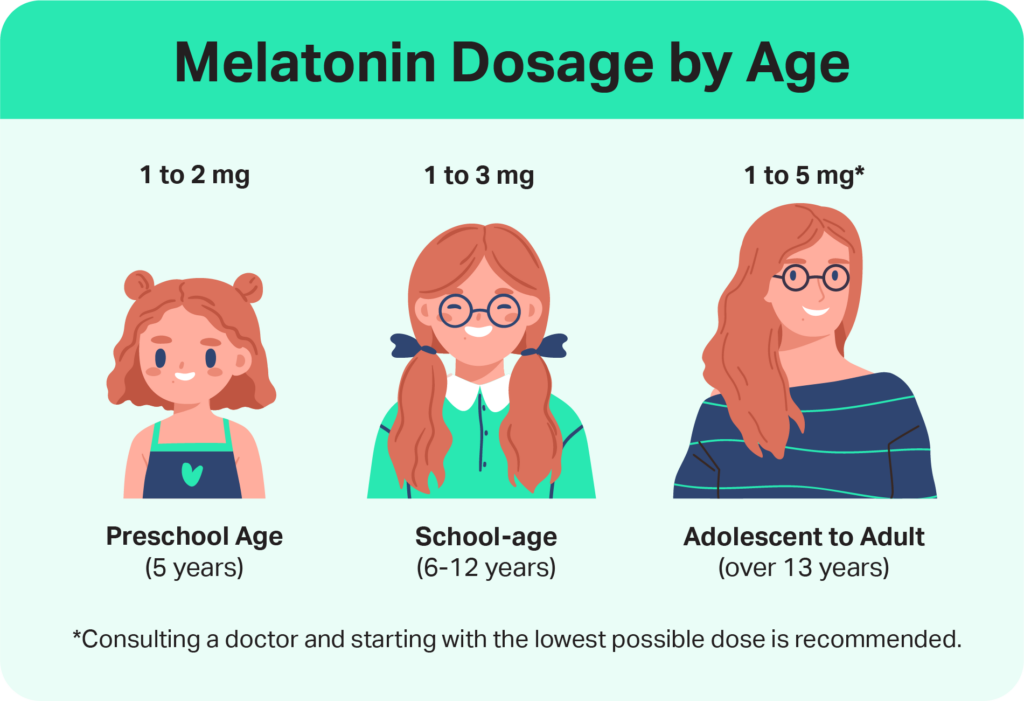
Image Source: www.sleepfoundation.org
What Parents Ask: Can A Toddler Take Melatonin Safely?
Many parents wonder, “Can a toddler take melatonin safely?” The short answer, based on what doctors and scientists know today, is generally no. Experts usually do not recommend giving melatonin to young children, including toddlers, as a first step for sleep problems. It should only be considered, if at all, after talking in depth with your child’s doctor and trying other methods first. The main reason is that we don’t know for sure if it’s safe for toddlers in the long run as their bodies and brains are still growing.
Why Parents Think About Melatonin
Raising a toddler is busy. It is also tiring. When a toddler struggles to sleep, it can feel like a big problem for the whole family. Sleep is very important for little ones to grow and learn. When they don’t sleep well, parents get tired too. They look for ways to help everyone get rest. Sometimes, parents hear about melatonin and wonder if it could be an easy fix for their child’s sleep troubles. This is why the question “Can a toddler take melatonin safely?” comes up often. Toddler sleep problems solutions are something many parents search for.
Deciphering What Melatonin Is
Melatonin is a natural helper in your body. Your brain makes it, mostly when it gets dark. Think of it like a signal. When melatonin levels go up, it tells your body, “Hey, it’s nighttime. Time to get ready to sleep.” When light comes in the morning, melatonin levels go down. This signal helps set your body’s sleep-wake clock, called the circadian rhythm. Melatonin supplements you can buy are made in a lab. They are not the same as the melatonin your body makes naturally. They are meant to give your body that “time to sleep” signal from the outside.
Grasping Melatonin for Toddlers Safety
Now, let’s really look at Melatonin for toddlers safety. This is where it gets tricky. For adults, taking a little melatonin now and then for things like jet lag might be okay. But for toddlers? It’s a different story.
- Not Much Study: Scientists have not done many big studies on giving melatonin to very young children over a long time. We don’t know how it might affect their bodies as they grow from toddlers into older kids and teenagers.
- Hormone Power: Melatonin is a hormone. Hormones are powerful helpers in the body. They control many things, not just sleep. They can affect how the body grows and changes, like during puberty. Giving extra hormone to a young child whose body is still figuring things out could potentially cause problems we don’t know about yet. This is a big concern when asking is melatonin safe for young children.
- Supplements Are Different: Melatonin supplements are not checked the same way medicines are. What is on the label might not be exactly what is in the bottle. The amount of melatonin can be different from one brand to another, or even from one batch to another of the same brand. This makes figuring out a safe amount, if one existed for toddlers, very hard.
Because of these reasons, most doctors are very careful about recommending melatonin for toddlers. They usually say it is better not to use it unless there is a very special reason, and only then with close guidance.
Risks of Giving Melatonin to Toddler
Giving any supplement to a young child comes with possible risks. When we talk about the risks of giving melatonin to toddler, there are a few things to think about. We also need to look at melatonin side effects children sometimes have.
Most side effects seen in children (usually older kids, as toddlers aren’t often given it) are mild. These can include:
- Feeling sleepy during the day
- Feeling dizzy
- Feeling sick to the stomach (nausea)
- Headache
- Feeling more wet than usual (like peeing more)
- Feeling less hungry
But the biggest risk is the one we talked about before: We don’t know the long-term effects.
- Growing Bodies: A toddler’s brain and body are growing very fast. We don’t know how giving a hormone like melatonin might affect this growth over years. Could it affect when they start puberty? Could it affect how their brain develops? Scientists just don’t have the answers yet.
- Relying on it: While melatonin is not thought to be physically addictive, using it can become a habit. If a child (or parent) starts to rely on it to fall asleep, they might not learn the important skills needed to fall asleep on their own.
- Covering up a Problem: Sleep problems can sometimes be a sign of something else going on, like sleep apnea (trouble breathing while sleeping), restless leg syndrome (itchy or shaky legs), or even anxiety. Giving melatonin might seem to help the sleep issue, but it doesn’t fix the real problem. This is another reason why talking to a doctor first is so important.
So, while some side effects might seem small, the unknown long-term effects on a developing child are a major reason for caution.
Toddler Melatonin Dosage: Is There a Right Amount?
This is a very important point. When parents ask about toddler melatonin dosage, it is hard to give a simple number. Why? Because there is no widely agreed-upon safe or effective dose for toddlers.
- No Official Guidance: Major health groups and doctors’ organizations have not set official dosage rules for melatonin in young children. This is partly because of the lack of studies on safety and effectiveness.
- Supplements Vary: As mentioned, how much melatonin is actually in a supplement can be different from what the label says. This means even if a doctor suggests a very small amount, it’s hard to be sure how much your child is actually getting.
- It’s Not Like Medicine: Melatonin is sold as a dietary supplement, not a medicine. This means it does not go through the same strict testing and approval process as prescription drugs.
If a doctor does decide to recommend melatonin for a toddler (which would be very rare and for a specific reason), they will give a very low dose. This dose would be much smaller than what adults take. But even then, it is an off-label use, meaning it is not what the supplement is made and tested for in that age group. Trying to figure out a toddler melatonin dosage on your own is not safe.
Age Limit Melatonin Use Kids: When Is It Sometimes Used?
So, if toddlers usually shouldn’t take melatonin, what is the age limit melatonin use kids?
There is no strict rule set in stone that applies to every child. However, general guidance from doctors suggests being very careful with melatonin in children, especially those under the age of 5.
- Older Kids: For some older children, like those with conditions that really mess up their sleep-wake clock (such as some children with autism or ADHD), a doctor might suggest a low dose of melatonin. This is usually only done after trying many other things and with careful checking by the doctor.
- Short-Term Use: Even when used in older kids, it is often only for a short time, not for months or years.
- Jet Lag: Sometimes, doctors might suggest a very low dose of melatonin for older children to help with jet lag for a couple of nights.
- Toddlers: For toddlers, the age limit effectively means it is not recommended for routine use. It is highly unlikely a doctor would suggest it unless there was a very unusual health situation causing severe sleep problems that other methods couldn’t fix, and they would watch the child very closely.
Think of it this way: The younger the child, the less likely melatonin is needed or recommended. Toddlers are simply too young for its effects to be well-understood or considered safe for common sleep issues.
Toddler Sleep Problems Solutions: Why Sleep Gets Hard
Before thinking about any supplement, it is really helpful to understand why toddlers have trouble sleeping in the first place. Toddler sleep problems solutions often involve looking at the reasons behind the struggles.
Toddlers are going through huge changes! Their brains are learning so much, they are becoming more independent, and their bodies are growing fast. All this change can mess with sleep.
Here are some common reasons toddlers have sleep problems:
- Fear of Missing Out: Toddlers love being with their parents. Bedtime means being separated. They can feel anxious or scared to be alone. This is very normal.
- Learning New Skills: When toddlers are mastering walking, talking, or other new skills, they sometimes practice them instead of sleeping!
- Nap Changes: The number and timing of naps change a lot in the toddler years. Dropping a nap too early or having a nap too close to bedtime can make nighttime sleep harder.
- Bedtime Fears: Shadows, noises, or bad dreams can make toddlers scared of the dark or being in their room alone.
- Over Tired or Not Tired Enough: It sounds backward, but being too tired can make it harder for a toddler to fall asleep. They get a burst of energy instead. Also, not being active enough during the day or sleeping too much during the day can mean they are just not tired enough at bedtime.
- Need for Routine: Toddlers thrive on knowing what happens next. Without a clear, calm bedtime routine, they might not wind down properly.
- Environment: A bedroom that is too bright, too noisy, too hot, or too cold can make sleep difficult.
- Growing Pains or Sickness: Sometimes physical discomfort can keep them awake.
Understanding why sleep is hard is the first step to finding a solution that does not involve medicine or supplements like melatonin.
Alternatives to Melatonin for Toddlers: Simple Steps First
This is where parents have a lot of power to help their toddler sleep better naturally. There are many effective alternatives to melatonin for toddlers. These methods focus on creating good sleep habits and a calming environment. They are the recommended first steps for natural sleep aids toddlers can benefit from.
-
Make a Bedtime Routine: This is probably the most important step. Do the same few quiet things every night before bed.
- Start early enough: Give plenty of time, like 30-60 minutes.
- Keep it calm: Bath (not too exciting!), putting on pajamas, brushing teeth.
- Quiet activities: Reading books together, singing soft songs, gentle cuddling.
- Last step in the room: Make the last step putting them in their crib or bed while they are awake but sleepy. This helps them learn to fall asleep on their own.
- Be consistent: Do the routine at the same time every night, even on weekends if possible. Consistency is key!
-
Create a Sleepy Room:
- Darkness: Make the room as dark as possible. Use blackout curtains.
- Quiet: Use a white noise machine if needed to block out other sounds.
- Cool: Keep the room at a comfortable, slightly cool temperature.
- Safe and Comfy: Make sure the crib or bed is safe and cozy.
-
Set Sleep Times:
- Consistent bedtime: Put your toddler to bed around the same time every night.
- Consistent wake time: Wake them up around the same time each morning, even if they had a bad night. This helps set their internal clock.
- Nap schedule: Have a regular nap schedule. Pay attention to when your toddler seems tired and try to offer naps then. Avoid naps too close to bedtime.
-
Think About the Day:
- Active Play: Make sure your toddler gets plenty of chances to run, jump, and play during the day. Being physically tired helps with sleep.
- Sunlight: Getting sunlight during the day, especially in the morning, helps set the body’s sleep clock.
- Limit Screens: Turn off TVs, tablets, and phones at least an hour before bedtime. The light from screens can make it harder to feel sleepy.
- Food and Drinks: Avoid sugary snacks and drinks close to bedtime.
-
Handling Wake-Ups:
- Be calm: If your toddler wakes up and calls for you, go in calmly. Reassure them you are there, but keep interactions brief and quiet.
- Guide them back to sleep: Gently encourage them to lie back down. Avoid taking them out of the crib or bed unless they need something basic like a diaper change or are sick.
- Gradual checks: Some parents use methods where they check on the child at increasing time intervals. This helps the child learn they are safe but need to go back to sleep.
Here is a simple way to look at these natural sleep aids:
| Natural Sleep Aid | How it Helps |
|---|---|
| Consistent Bedtime Routine | Signals body it’s time to wind down and sleep. |
| Dark, Quiet, Cool Room | Creates the best environment for sleep signals. |
| Regular Sleep/Wake Times | Helps set the body’s internal clock. |
| Daytime Activity/Sunlight | Builds natural tiredness and sets the clock. |
| Limiting Screens Before Bed | Prevents light from blocking sleep signals. |
| Handling Wake-Ups Calmly | Teaches child how to go back to sleep. |
These simple steps might take time and patience to work, but they build healthy sleep habits for life. They are much safer than giving a young child a hormone like melatonin.
Talk to Pediatrician About Melatonin and Sleep
Before you ever think about giving your toddler melatonin, or any other supplement or medicine for sleep, it is absolutely necessary to talk to pediatrician about melatonin and your child’s sleep problems.
Your pediatrician is the best person to help you figure out what is going on with your toddler’s sleep.
- Rule out medical issues: Sometimes sleep problems are caused by a health issue. The doctor can check for things like:
- Sleep apnea (when breathing stops and starts during sleep)
- Restless legs syndrome
- Reflux (stomach acid coming up)
- Allergies or congestion
- Other pain or discomfort
- These issues need medical treatment, not just a sleep aid.
- Get expert advice on behavior: Pediatricians can give you tailored advice on the sleep strategies mentioned above (routines, environment, scheduling). They can help you figure out which ones might work best for your child and how to put them into practice. They might suggest working with a child sleep consultant in some cases.
- Discuss melatonin safety: If you are still curious about melatonin, the pediatrician can explain the current information on melatonin for toddlers safety, the risks of giving melatonin to toddler, and why it is not usually recommended.
- If considered (very rare): In extremely rare situations, after looking at all other options and ruling out other problems, a doctor might consider suggesting melatonin for a specific reason (like a severe sleep problem linked to a certain medical condition). If this happens, they will guide you on the correct toddler melatonin dosage (likely a very low one) and how long to use it. They will also want to follow up to see how your child is doing and if there are any side effects.
Never give your toddler melatonin without talking to their doctor first. They have the knowledge to keep your child safe and help you find the best sleep solutions.
The Bottom Line on Melatonin for Toddlers
Let’s put it all together. When parents ask, “Can a toddler take melatonin safely?”, the answer is usually “no, not for typical sleep problems.”
- Melatonin is a hormone.
- There is not enough study on how it affects young, growing children long-term. This is a big safety concern.
- Supplements are not well-controlled for dosage or purity.
- There is no set, safe dosage for toddlers.
- Giving melatonin could hide other health problems causing sleep issues.
- Side effects, while usually mild, can happen. The unknown long-term effects are the biggest worry.
Instead of melatonin, the best and safest approach for toddler sleep problems is to focus on creating strong, healthy sleep habits.
- Use a consistent, calming bedtime routine.
- Make the bedroom dark, quiet, and cool.
- Have regular bedtimes and wake times.
- Ensure plenty of activity during the day.
- Limit screens before bed.
Most importantly, always talk to pediatrician about melatonin and any sleep issues your toddler is having. They can help you understand the cause and find safe, effective toddler sleep problems solutions that do not involve giving your child a supplement like melatonin. Your doctor is your partner in keeping your child healthy and safe, day and night.
Frequently Asked Questions (FAQ)
H5 Is liquid melatonin better or safer for toddlers?
Liquid melatonin is not better or safer for toddlers just because it is in liquid form. The safety concerns about melatonin for young children are about the substance itself and the lack of research on its long-term effects on growing bodies and brains, not about how it is given. You should still avoid giving liquid melatonin to a toddler unless a doctor has specifically told you to and is guiding you closely.
H5 How fast does melatonin work if a toddler takes it?
If a toddler takes melatonin, it might start to make them feel sleepy within 30 minutes to an hour. However, how fast it works can vary from person to person and depends on the dose and product. But remember, just because it might make them sleepy does not mean it is safe or the right solution for their sleep problem. The goal is to fix the reason they can’t sleep, not just force sleep.
H5 Can a toddler become reliant on melatonin?
While melatonin is not thought to be physically addictive like some medicines, parents and children can become reliant on it. If a child is used to taking melatonin to fall asleep, they might not learn the natural skills needed to fall asleep on their own. This can make it harder to stop using it later. This is another reason why using it in toddlers is not advised – it can prevent them from developing natural, healthy sleep habits.
H5 Does melatonin fix all types of toddler sleep problems?
No, melatonin does not fix all types of sleep problems. It mainly helps signal to the body that it is time for sleep. It does not help if the child is waking up due to pain, hunger, fear, sleep apnea, or needing to use the bathroom. It also does not help a child learn to fall back asleep on their own after waking up. Behavioral and routine-based strategies are much better at addressing the root causes of most toddler sleep issues.
H5 What is considered a “low dose” of melatonin for kids?
Even for older children where melatonin might be considered by a doctor for specific conditions, a low dose is usually 0.5 mg to 1 mg. For toddlers, if a doctor ever considered it (which is rare), the dose would likely be even lower, possibly starting at 0.3 mg. But again, the amount can vary by product and there is no standard guidance for toddlers. This is why doctor supervision is essential if it is ever used. Never guess or follow doses meant for adults or older children.
H5 Are there any natural “natural sleep aids toddlers” can have that are safe?
Yes! The best natural sleep aids for toddlers are not things they take but rather routines and environments you create. Things like a warm bath, reading a calm story, gentle massage, soft music, making the room very dark and quiet, and ensuring enough play and sunlight during the day are the most effective and safest “natural sleep aids.” These help the child’s body get ready for sleep naturally without any substances.
H5 How long should I try natural sleep methods before asking the doctor about melatonin?
You should always talk to your pediatrician first about sleep problems before trying any supplements. Your doctor can help you figure out the best natural methods to try and guide you through them. It is recommended to stick with consistent behavioral and routine changes for at least a few weeks, or often longer, as they take time to work. Melatonin should not be a quick fix considered early on. Discuss your efforts and frustrations with your doctor, and they can help you decide on the next steps.