
Can an ear infection cause diarrhea in a toddler? Yes, an ear infection can cause diarrhea in a toddler. This often happens because of fever, other viruses that come with the ear infection, or as a side effect of the medicines used to treat the infection, like antibiotics.
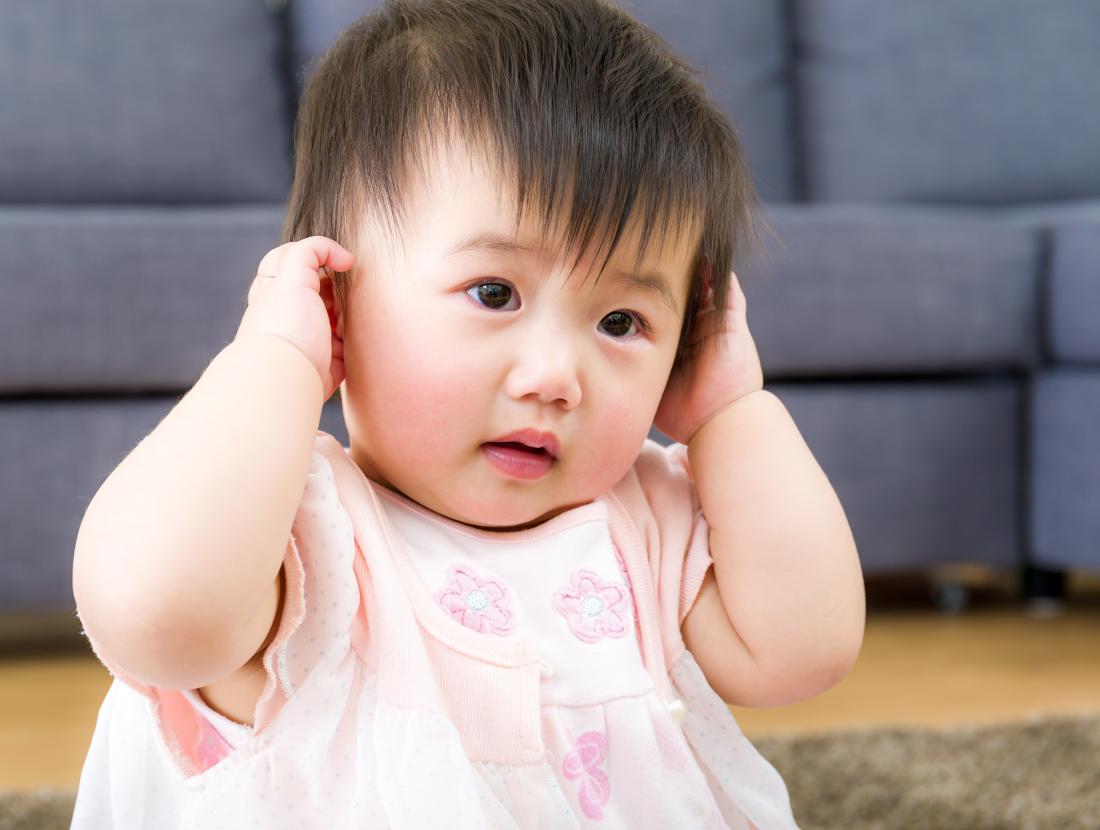
Image Source: cdn-prod.medicalnewstoday.com
Grasping Ear Infections in Toddlers
Ear infections are common in young children. They can make a child feel very sick. The main type of ear infection is called otitis media. This happens when the middle part of the ear gets swollen and full of fluid.
Most ear infections are caused by germs. These germs can be bacteria or viruses. Children get ear infections often because their ear tubes are small. These tubes connect the middle ear to the back of the throat. They are called Eustachian tubes. In kids, these tubes get blocked easily. When they block, fluid builds up. Germs can then grow in this fluid.
What is an Ear Infection?
An ear infection is when germs get into the middle ear. This is the space behind the eardrum. It often follows a cold or a sore throat. These illnesses can cause swelling. The swelling blocks the ear tubes. This traps fluid. Germs then grow in the fluid. This causes pain and pressure.
Toddlers are more likely to get ear infections. Their bodies are still growing. Their immune system is still learning. This means they cannot fight off germs as well.
Common Signs of an Ear Infection
It can be hard to know if a toddler has an ear infection. They cannot always tell you what hurts. But there are common signs.
- Ear pulling or tugging: This is a big sign. Toddlers may pull at their ear. They might rub it.
- Fever: Many children with ear infections get a fever. A fever is a high body temperature.
- Crying more than usual: They might be cranky. They might cry a lot, especially at night.
- Trouble sleeping: Pain can make it hard for them to rest.
- Fluid draining from the ear: Sometimes, fluid comes out of the ear. This can be clear or sticky.
- Trouble hearing: They might not respond to quiet sounds.
- Loss of balance: They may seem wobbly.
- Lack of appetite: They might not want to eat or drink.
Sometimes, other symptoms also show up. These can include stomach problems. We will talk more about these tummy troubles.
The Link Between Ear Infections and Diarrhea
It might seem strange that an ear infection can cause diarrhea. Your ears and your tummy are far apart. But the body is connected. When a child gets sick, their whole body reacts. This reaction can lead to different symptoms. These symptoms can be far from the main infection.
Direct and Indirect Connections
There are a few ways an ear infection can lead to diarrhea.
- General Illness Response: When a toddler has an ear infection, their body fights the germs. This fight can make them feel unwell all over. They might have less energy. Their body is busy fighting the infection. This stress on the body can upset the digestive system. This can lead to diarrhea.
- Fever: Many ear infections come with a fever. A fever is the body’s way of fighting infection. High body heat can make the gut move faster. This can lead to loose stools or diarrhea. So, fever diarrhea ear pain toddler are often seen together.
- Co-occurring Viral Infections: Often, an ear infection starts after a cold. Colds are caused by viruses. These viruses can also cause stomach upset. This means a viral ear infection stomach upset child can happen at the same time. The virus causing the ear infection might also cause diarrhea. Or, a different virus may be present. This is common in toddlers. They often catch many different germs at once.
- Otitis media digestive issues toddler: Some studies suggest a direct link between ear infections (otitis media) and tummy problems. The immune system is very active. It sends signals all over the body. These signals can affect the gut. This can lead to changes in digestion. This is why you might see otitis media digestive issues toddler symptoms together.
- Medicine Side Effects: This is a very common reason for diarrhea. Doctors often give antibiotics for ear infections. Antibiotics kill harmful germs. But they also kill good germs in the gut. These good germs help with digestion. When they are gone, digestion can get upset. This leads to antibiotic-induced diarrhea toddler ear infection.
When Diarrhea Joins Ear Infection Symptoms
Seeing toddler ear infection vomiting diarrhea together is a sign that your child is very sick. The body is under a lot of stress. Vomiting adds to the worry. It can make dehydration happen faster. It is important to watch these symptoms closely.
Decoding the Diarrhea: Causes and Types
Diarrhea means loose, watery stools. It can happen for many reasons in toddlers. When an ear infection is present, the cause might be related to the infection or its treatment. It is good to know why diarrhea happens. This helps you care for your child better.
Common Causes of Diarrhea in Toddlers
Diarrhea is a common problem for toddlers. Here are the main causes of diarrhea in toddlers with infection:
- Viruses: Viruses are a very common cause. Rotavirus, norovirus, and adenovirus are examples. These can cause tummy bugs. They can also cause colds. Colds can lead to ear infections. So, a virus can cause both.
- Bacteria: Some bacteria can cause diarrhea. Examples are Salmonella or E. coli. These germs might come from food or water. If a bacterial infection is severe, it could also lead to other body problems, like ear infections.
- Antibiotics: As mentioned, antibiotics are a big cause. They change the gut balance. This causes diarrhea. This is a common side effect of treatment for ear infections.
- Food issues: Sometimes, a toddler eats something that upsets their stomach. Or they have a food allergy. This is less likely when an ear infection is also present. But it can still happen.
- Other illnesses: Other infections in the body can also cause diarrhea. The body responds to any illness. This response can affect the gut. This is part of the broader toddler illness symptoms diarrhea picture.
The Role of Gut Flora and Antibiotics
The gut has billions of tiny living things. These are called gut flora or gut bacteria. They are very important for health. They help digest food. They also help the body fight off bad germs.
When a child takes antibiotics for an ear infection, these medicines kill the bad bacteria. But they also kill many good bacteria. This makes the gut flora out of balance. This change causes antibiotic-induced diarrhea toddler ear infection.
Table: Impact of Antibiotics on Gut Flora
| Factor | Before Antibiotics | During/After Antibiotics |
|---|---|---|
| Good Bacteria | High numbers, diverse types | Reduced numbers, less diversity |
| Bad Bacteria | Kept in check by good bacteria | May increase, unchecked |
| Digestion | Smooth, normal stool | Upset, can lead to diarrhea |
| Immune System | Strong support from gut | Weaker support, more issues |
This shows why gut flora antibiotics toddler ear infection is such an important topic. It explains a key reason for diarrhea during treatment.
Watching for Complications
When a toddler has an ear infection with diarrhea, it is important to watch for problems. Some issues can become serious quickly in young children.
Dehydration: A Major Risk
The biggest worry with diarrhea and vomiting is dehydration. Dehydration means the body does not have enough water and fluids. Toddlers can get dehydrated very fast. This is especially true if they also have a fever.
Signs of dehydration from ear infection diarrhea toddler:
- Less peeing: Fewer wet diapers than normal.
- Dry mouth and tongue: The inside of their mouth looks dry.
- No tears: They cry but no tears come out.
- Sunken eyes: Their eyes look hollow.
- Less active: They seem very tired or sleepy.
- Cold hands and feet: Their skin might feel cool.
- Sunken soft spot (in babies): The soft spot on their head might look lower.
If you see these signs, get help right away. Dehydration can be very serious. It needs fast medical care.
Other Ear Infection Complications Toddler
While diarrhea is often a side effect or co-occurrence, the ear infection itself can have problems. These ear infection complications toddler can be rare but serious.
- Spread of infection: The infection can spread beyond the ear. It can go to the mastoid bone behind the ear. This is called mastoiditis. It is serious.
- Hearing loss: Long-term or repeated ear infections can harm hearing. Fluid can stay in the ear. This makes it hard to hear.
- Eardrum tear: The pressure from fluid can sometimes make a small hole in the eardrum. This usually heals.
- Speech delay: If a child cannot hear well for a long time, it can affect how they learn to talk.
Watching for all symptoms is key. Report any new or worsening signs to your doctor.
Caring for Your Child
When your toddler has an ear infection and diarrhea, focus on comfort and preventing dehydration. Early care can help them get better faster.
Home Care for Diarrhea
The main goal is to keep your child hydrated.
- Offer fluids often: Give small sips of water, breast milk, formula, or oral rehydration solution (ORS). ORS drinks have the right mix of sugar and salt. They help replace lost fluids and minerals. Do not give fruit juice or fizzy drinks. They can make diarrhea worse.
- Give bland foods: When they start to feel like eating, offer soft, plain foods. Think of the BRAT diet (Bananas, Rice, Applesauce, Toast). These foods are easy to digest.
- Keep them clean: Change diapers often. Diarrhea can cause a rash. Use cream to protect their skin. Wash your hands well after changing diapers. This stops germs from spreading.
- Rest: Make sure your child gets plenty of rest. Their body needs energy to heal.
Medical Care for Ear Infections
An ear infection usually needs a doctor’s visit.
- See a doctor: A doctor can confirm the ear infection. They will look into your child’s ear. They can decide if antibiotics are needed.
- Antibiotics: If the doctor thinks bacteria cause the infection, they may give antibiotics. Always finish all the medicine. Do not stop early, even if your child feels better. This helps kill all the germs. It stops the infection from coming back.
- Pain relief: For pain and fever, you can give child-safe pain medicine. Acetaminophen (like Tylenol) or ibuprofen (like Advil) are good choices. Always use the right dose for your child’s age and weight.
- Probiotics: If your child is taking antibiotics, ask your doctor about probiotics. Probiotics are good bacteria. They can help put good germs back in the gut. This can reduce antibiotic-induced diarrhea toddler ear infection.
Table: Key Steps for Care
| Situation | Action to Take | Why it Helps |
|---|---|---|
| Diarrhea & Vomiting | Offer ORS, small sips often | Prevents dehydration from ear infection diarrhea toddler |
| Fever & Pain | Give child-safe pain reliever | Makes child more comfortable, lowers fever |
| Ear Infection Confirmed | Follow doctor’s antibiotic plan | Kills germs causing infection |
| Antibiotics Given | Ask about probiotics | Helps restore gut flora antibiotics toddler ear infection |
| Any Worrying Signs | Call doctor right away | Gets quick help for complications like dehydration |
Preventing Future Issues
It is not always possible to stop ear infections or diarrhea. But you can take steps to lower the risk.
Boosting Overall Health
A strong immune system helps fight off germs.
- Good hygiene: Wash hands often. Teach your child to wash their hands. This stops germs from spreading.
- Vaccinations: Keep your child’s shots up to date. Vaccines protect against many serious diseases. Some vaccines, like the flu shot, can help prevent illnesses that lead to ear infections. The pneumococcal vaccine helps prevent a type of bacterial ear infection.
- Avoid smoke: Do not let your child be around cigarette smoke. Smoke can make ear infections worse and more common.
- Breastfeeding: If possible, breastfeed your baby. Breast milk has things that boost a baby’s immune system.
- Limit pacifier use: For older toddlers, cutting back on pacifier use can sometimes help. Pacifiers can spread germs to the ears.
- Balanced diet: Give your child healthy foods. Good food helps the body stay strong.
Reducing Antibiotic Side Effects
Antibiotics are sometimes needed. But their side effects can be managed.
- Use antibiotics only when needed: Do not ask for antibiotics for a cold. Colds are caused by viruses. Antibiotics do not work on viruses. Overuse of antibiotics can lead to resistance. It also causes more gut problems.
- Probiotics: Discuss probiotics with your doctor before starting antibiotics. Taking probiotics during and after antibiotic use can help keep gut flora balanced. This helps prevent antibiotic-induced diarrhea toddler ear infection. Choose a probiotic made for children.
- Dietary changes: During and after antibiotics, offer foods that are easy on the gut. Plain yogurt with live cultures can help. It adds good bacteria.
When to Get Medical Help
You should always call your doctor if you are worried about your child. Do not wait if your child seems very sick.
Call your doctor if:
- Your toddler is very tired or hard to wake up.
- They show signs of dehydration.
- Their fever is very high or does not go down with medicine.
- The diarrhea is severe or lasts for many days.
- There is blood or mucus in their poop.
- They are crying a lot from pain.
- They are not getting better after a few days.
- They are not drinking fluids.
- You see any new or scary symptoms.
Remember, a young child’s health can change fast. It is always best to be safe.
Concluding Thoughts
An ear infection can indeed cause diarrhea in a toddler. This often happens due to the body’s general response to illness, fever, co-occurring viral infections, or as a common side effect of antibiotics. Knowing the links helps parents care for their child better.
Watching for symptoms like fever diarrhea ear pain toddler or toddler ear infection vomiting diarrhea is important. Preventing dehydration is key. Give plenty of fluids. Offer bland foods. Always finish all medicines if prescribed. Talk to your doctor about probiotics to help with gut flora antibiotics toddler ear infection.
Taking steps to boost your child’s overall health can help prevent infections. Knowing the causes of diarrhea in toddlers with infection helps you act fast. Always seek medical advice if you are worried. Early care can stop ear infection complications toddler. This keeps your little one safe and on the path to feeling better.
Frequently Asked Questions (FAQ)
H5 How quickly can diarrhea start after an ear infection diagnosis?
Diarrhea can start very quickly, often within a day or two. If it’s caused by the infection itself (like fever or co-existing virus), it may show up with the ear pain. If it’s from antibiotics, it usually starts a few days after the medicine begins.
H5 Are some antibiotics more likely to cause diarrhea than others?
Yes, some antibiotics are more likely to cause diarrhea. Amoxicillin and amoxicillin-clavulanate (Augmentin) are common ones that can lead to antibiotic-induced diarrhea toddler ear infection. Your doctor can discuss this with you.
H5 Can I give my toddler anti-diarrhea medicine?
No, you should not give anti-diarrhea medicine to a toddler without talking to a doctor first. These medicines can be harmful to young children. Focus on giving fluids and watching for dehydration.
H5 How long does antibiotic-induced diarrhea usually last?
Antibiotic-induced diarrhea often stops a few days after the antibiotic medicine is finished. Sometimes, it can last up to a week or two. If it lasts longer, or is very severe, talk to your doctor.
H5 What if my toddler refuses to drink anything?
If your toddler refuses to drink, try offering very small sips often. Use a spoon or a syringe if needed. Try different liquids like water, ORS, or popsicles. If they still refuse or show signs of dehydration, call your doctor right away. They might need fluids through an IV in a hospital.