
Yes, high fever can cause vomiting in toddlers. While vomiting often happens when a child has a stomach bug or other infection that affects the digestive system, fever itself can sometimes trigger a child to vomit. This is because a high body temperature can affect different systems in the body, including the sensitive stomach. When a toddler’s temperature climbs, it can make them feel nauseous and lead to vomiting, sometimes even without other clear illness signs like diarrhea.
Image Source: my.clevelandclinic.org
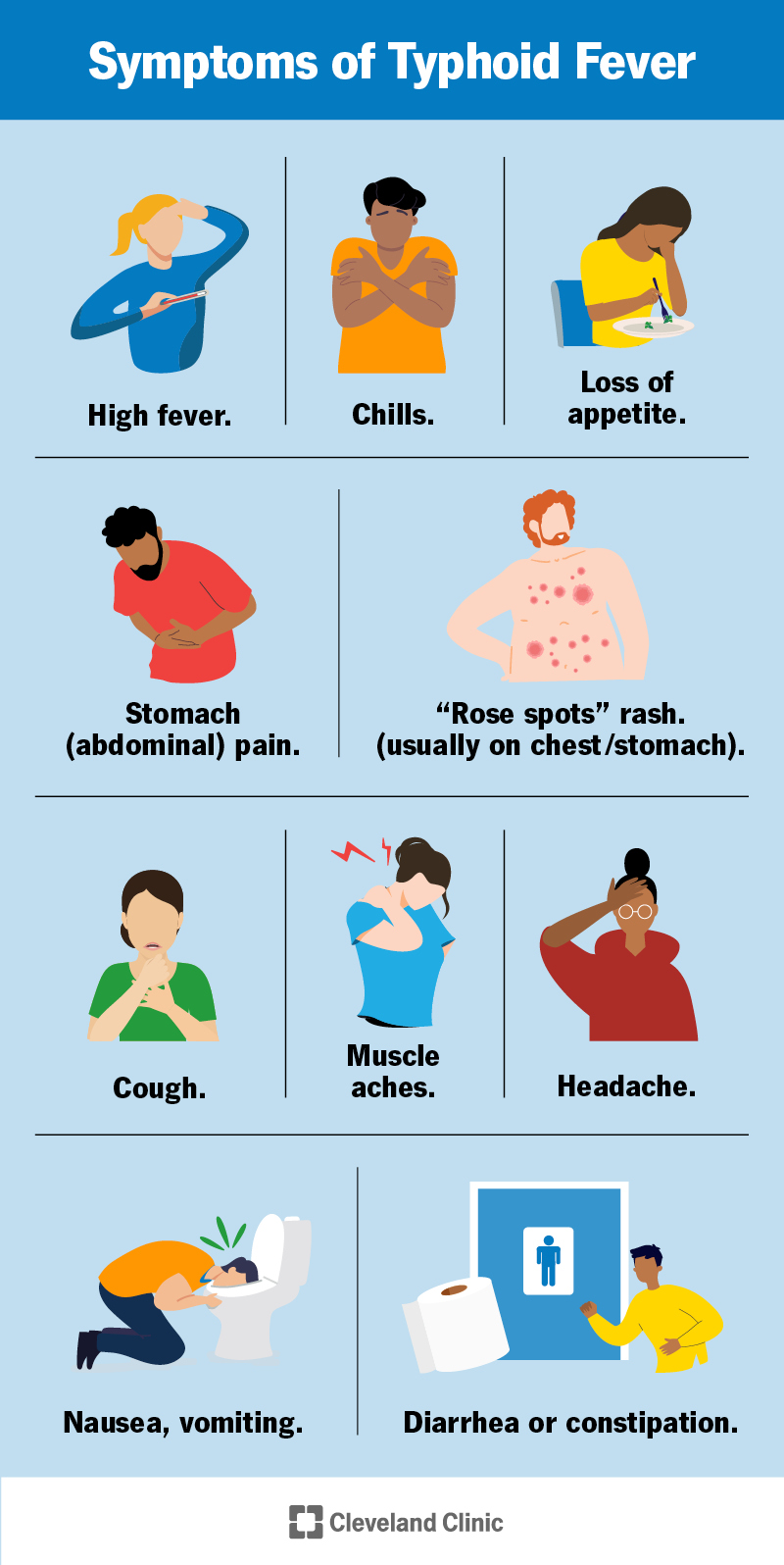
Grasping the Link Between Fever and Vomiting
Fever is the body’s natural way of fighting off sickness, like infections caused by viruses or bacteria. When a toddler gets sick, their body temperature goes up. This higher temperature helps slow down the germs causing the problem. But this fight can make a child feel unwell in many ways.
Sometimes, a high fever can directly upset a toddler’s stomach. Think about how you might feel when you have a bad fever – often tired, achy, and sometimes a bit queasy. Toddlers feel this too, but they might not be able to tell you exactly how they feel. Vomiting can happen because the high temperature affects the brain area that controls vomiting (the ‘vomiting center’) or simply because the child feels very sick and uncomfortable from the fever.
It’s important to remember that fever and vomiting often happen together because they are both common signs of illness, especially infections. A stomach bug symptoms in toddlers, like gastroenteritis, will almost always cause both fever and vomiting, often with diarrhea. But sometimes, with a very high fever from something like a ear infection or tonsillitis, a toddler might vomit just because the fever is so high, even if the infection isn’t directly in their tummy.
Exploring Common Causes of Fever and Vomiting in Toddlers
Fever and vomiting are like alarm bells telling you a toddler’s body is fighting something off. While a high fever can cause vomiting on its own, they are most often seen together as part of a bigger illness.
Here are the most common causes of fever and vomiting in toddlers:
- Infections of the Gut (Stomach Bugs): This is probably the most frequent reason you see both symptoms. Viruses like rotavirus, norovirus, and adenovirus are common culprits. Bacteria can also cause these issues. Stomach bug symptoms in toddlers usually start suddenly and include vomiting, often followed by diarrhea, fever, stomach pain, and feeling tired.
- Other Viral Illnesses: Many types of viral illness symptoms in toddlers include fever. While some viruses focus on the stomach, others affect the respiratory system (coughs, colds), ears, or throat. A toddler with a bad cold, flu, ear infection, or strep throat (bacterial, but common) can develop a high fever, and that fever itself or the general feeling of being sick can cause vomiting.
- Urinary Tract Infections (UTIs): Although less common in toddlers than older children, UTIs can sometimes cause fever, vomiting, and irritability.
- Pneumonia: An infection in the lungs can cause a high fever, cough, and difficulty breathing. Vomiting can happen due to fever or coughing fits.
- Appendicitis: This is a serious condition involving inflammation of the appendix. It usually starts with tummy pain near the belly button that moves to the lower right side, often with fever, vomiting, and loss of appetite. This requires urgent medical attention.
- Meningitis: This is a rare but very serious infection of the membranes covering the brain and spinal cord. Symptoms can include high fever, vomiting, headache, stiff neck, and sensitivity to light. Seek immediate medical help if you suspect meningitis.
- Other Less Common Causes: Less often, fever and vomiting can be linked to issues like kidney infections, certain types of poisoning, or even heatstroke (though this is usually in hot weather).
It’s clear that fever and vomiting happening together usually points to an infection. Figuring out the exact cause often requires looking at other symptoms the toddler has.
Deciphering Toddler Vomiting Fever No Other Symptoms
Sometimes, a parent sees their toddler vomit and has a high temperature, but there are no other signs of sickness – no diarrhea, no cough, no runny nose, no rash. This can be confusing.
As mentioned earlier, a high fever can sometimes be the direct cause of vomiting in a sensitive toddler. The body’s temperature regulation system is complex, and a rapid or very high temperature spike might trigger the vomiting reflex without a stomach bug being present.
However, even if you don’t see other symptoms right away, it doesn’t mean another illness isn’t starting. Sometimes, vomiting and fever are the very first signs of an infection before other symptoms appear. For example, a stomach bug symptoms in toddlers might start with sudden vomiting and a fever, and the diarrhea might not show up for several hours. Similarly, a viral illness might begin with just fever and feeling unwell, leading to vomiting, before cough or congestion starts later.
Toddler vomiting fever no other symptoms situations still warrant careful watching. Keep an eye out for any other signs that develop over the next few hours or day. Is the child irritable? Less active? Refusing to drink? These can all be early indicators of an underlying illness even if classic symptoms like diarrhea aren’t present yet.
Appreciating the Risks: Dehydration in Toddlers
One of the biggest worries when a toddler has fever and is vomiting is dehydration symptoms in toddlers with fever. Vomiting causes a child to lose fluids and salts (electrolytes) quickly. Fever also makes the body lose fluid, mainly through sweating and faster breathing. When a toddler is both vomiting and feverish, they can become dehydrated very rapidly, especially because their small bodies don’t have large fluid reserves.
Dehydration means the body doesn’t have enough fluid to work properly. It can range from mild to severe and can become dangerous if not treated. This is why keeping a toddler hydrated is the number one priority when they are vomiting and have a fever.
Signs of dehydration in young children can be subtle at first but become more obvious as it worsens. It’s crucial for parents to know what to look for.
Here are key signs of dehydration in young children:
- Less frequent urination: This is a very important sign. If your toddler hasn’t had a wet diaper or hasn’t peed in the potty for 6-8 hours, they might be getting dehydrated. Their urine might also be darker and smell stronger.
- No tears when crying: If they cry but no tears come out, it’s a strong sign of dehydration.
- Dry mouth and tongue: Their mouth might look and feel dry, and their tongue might seem less moist than usual.
- Sunken eyes: Their eyes might look sunken into their sockets.
- Sunken soft spot (fontanelle) on infants: For babies (and toddlers who still have an open soft spot), this area on the top of their head might look lower than usual. (While the article focuses on toddlers, infant fever and vomiting also carries a high risk of dehydration, and this sign is specific to younger babies).
- Cool or mottled (patchy) skin: Their skin might feel cool to the touch or look patchy in color.
- Lack of energy or seeming very tired: They might be unusually sleepy, listless, or hard to wake up.
- Increased heart rate: Their heart might beat faster than normal.
- Irritability or confusion: Severe dehydration can affect their behavior.
If you notice any of these signs of dehydration in young children, especially multiple signs, it’s time to seek medical advice quickly.
Managing Fever and Vomiting at Home
Dealing with a toddler who has a high fever and is vomiting can be stressful. Here are some steps you can take at home, but always remember to consult a doctor if you are worried or if symptoms worsen.
1. Focus on Hydration: This is the most critical step.
* Offer fluids often: Even if it’s just small sips. Don’t force large amounts at once, as this can sometimes trigger more vomiting.
* Choose the right fluids: Water is good, but when a toddler is vomiting, they lose important salts (electrolytes). Plain water doesn’t replace these. Electrolyte drinks for toddlers vomiting, like Pedialyte or generic oral rehydration solutions, are the best choice. These drinks are specially balanced to replace lost fluids and electrolytes. Avoid sugary drinks like juice or soda, as they can make diarrhea worse if that symptom is also present.
* Use a spoon or syringe: For young toddlers or those who are refusing a bottle or cup, try offering tiny amounts (like 5-10ml, about 1-2 teaspoons) every few minutes. This can be easier for their stomach to handle.
* Popsicles: Oral rehydration solution popsicles can be a good way to get fluids into a child who won’t drink.
* Start slow: After vomiting, wait about 15-30 minutes before offering fluids again, starting with very small amounts. If they keep it down, gradually increase the amount and frequency.
2. Managing the Fever:
* Medication: You can give your toddler acetaminophen (like Tylenol) or ibuprofen (like Advil, Motrin) to help lower the fever and make them feel more comfortable. Always use the correct dose for their age and weight, and follow the package instructions or your doctor’s advice. Ibuprofen should only be given if your toddler is not dehydrated, as it can be hard on the kidneys if fluid levels are low. Never give aspirin to children due to the risk of Reye’s syndrome.
* Comfort measures: Dress your toddler in light clothing. Keep the room temperature comfortable – not too hot or too cold. Lukewarm sponge baths can sometimes help, but avoid cold water, which can make them shiver and increase their temperature.
3. Offering Food (When They Are Ready):
* Don’t worry too much about food in the first few hours, especially if they are actively vomiting. Hydration is key.
* When the vomiting has stopped for several hours and they seem interested in eating, start with bland foods. The BRAT diet (Bananas, Rice, Applesauce, Toast) is often recommended, but other simple, easy-to-digest foods like crackers, plain pasta, plain chicken, or yogurt are also good options.
* Avoid greasy, spicy, or very sugary foods until they are fully recovered.
4. Comfort and Rest:
* Allow your toddler to rest as much as they need to. Don’t try to stick to their usual schedule.
* Offer lots of cuddles and comfort. Being sick is scary for them.
When to Worry About Toddler Fever and Vomiting
Knowing when to worry about toddler fever and vomiting is crucial. While many episodes are due to common illnesses that can be managed at home, certain signs indicate a need for immediate medical attention.
Call your doctor or seek emergency care if your toddler has:
- Signs of severe dehydration: As listed above (no wet diapers for 8+ hours, no tears, sunken eyes, very tired/listless).
- Vomiting that is forceful or projects across the room.
- Vomiting green or yellow-green fluid (bile), or blood.
- Severe stomach pain.
- Fever in a baby younger than 3 months: Any fever (rectal temp 100.4°F or 38°C or higher) in a baby under 3 months old needs immediate medical evaluation. (Again, focus is toddlers, but this is a critical point for parents of young babies).
- High fever (104°F or 40°C or higher) that doesn’t come down with medication, especially if the child seems very sick.
- Signs of a stiff neck, severe headache, or sensitivity to light.
- Difficulty breathing or chest pain.
- Rash that doesn’t disappear when you press on it.
- A seizure: This could be a febrile seizure in toddlers with fever, which needs medical evaluation. (More on this below).
- Looks very sick: Trust your gut. If your toddler seems unusually unwell, very sleepy, unresponsive, or you are simply very concerned.
- Has a chronic medical condition (like diabetes, immune problems, etc.) and develops fever and vomiting.
Don’t hesitate to call your doctor if you are unsure or worried. They can help you decide if your toddler needs to be seen.
Interpreting Febrile Seizures in Toddlers
A scary but relatively common event that can happen with high fever in toddlers is a febrile seizure in toddlers with fever. These seizures are caused by a rapid rise in body temperature, not by epilepsy. They usually occur between the ages of 6 months and 5 years, with the peak age being 12-18 months.
What does a febrile seizure look like?
* The child’s body may stiffen.
* Their arms and legs may twitch or jerk rhythmically.
* They may roll their eyes back.
* They may lose consciousness or become unresponsive.
* They might lose bladder or bowel control.
* They may have trouble breathing or turn blue around the mouth.
Most febrile seizures are short, lasting from a few seconds to a few minutes (usually less than 5 minutes). When the seizure stops, the child may be sleepy, confused, or irritable for a while.
While terrifying to witness, simple febrile seizures are usually harmless and do not cause brain damage. However, any seizure in a child needs to be checked by a doctor to rule out other causes.
If your toddler has a febrile seizure:
- Stay calm.
- Protect them from injury: Lay them on the floor or ground away from hard or sharp objects. Turn them gently onto their side to help them breathe. Do NOT put anything in their mouth. Do NOT try to stop the movements.
- Time the seizure if possible.
- Stay with your child until the seizure ends.
- Call for medical help: Call 911 or your local emergency number if the seizure lasts longer than 5 minutes, if your child turns very blue, has trouble breathing after the seizure stops, or if this is their first seizure. Even if the seizure is short, call your doctor afterward to let them know what happened. They will likely want to examine your child.
Experiencing a febrile seizure in toddlers with fever is frightening, but knowing what it is and how to react can help you manage the situation calmly.
Compassing Dehydration Prevention
Preventing dehydration symptoms in toddlers with fever and vomiting is the main goal of home care. The key is to replace the fluids being lost.
- Start early: Begin offering extra fluids, especially electrolyte drinks for toddlers vomiting, as soon as vomiting starts or if fever is high. Don’t wait for signs of dehydration to appear.
- Offer small, frequent amounts: This is more effective and less likely to trigger more vomiting than trying to get them to drink a lot at once. Aim for a teaspoon or two every 5-10 minutes, especially in the first hour after vomiting stops.
- Be patient: It can be a slow process, but persistence is important.
- Use child-friendly options: Popsicles, flavored oral rehydration solutions (if they tolerate the flavor), or even giving fluids with a fun syringe or cup might help encourage them.
- Monitor wet diapers/urination: Keep a close watch. If output decreases significantly, increase efforts to hydrate and consider calling the doctor.
| Action | Why it Helps | Important Notes |
|---|---|---|
| Offer fluids often | Replaces fluid lost from vomiting and fever. | Small sips are better than big gulps. |
| Use electrolyte drinks | Replaces lost salts (electrolytes) as well as water. | Better than plain water, juice, or soda. |
| Offer tiny amounts (5-10 ml) | Easier for upset stomach to handle. | Repeat every few minutes. |
| Use popsicles (electrolyte) | Fun way to get fluids in; melts slowly. | Good for sore throats too. |
| Monitor wet diapers/peeing | Best way to track hydration status. | Call doctor if no wet diaper in 6-8 hours. |
Taking these steps actively can significantly reduce the risk of your toddler becoming dehydrated while sick with fever and vomiting.
Considering Infant Fever and Vomiting
While this post focuses on toddlers, it’s worth noting that infant fever and vomiting is a particular concern. Babies, especially those under 6 months old, can become dehydrated even faster than toddlers. Their immune systems are also less developed, meaning that fever in very young infants (under 3 months) is always treated seriously and requires immediate medical evaluation.
If your infant has a fever and is vomiting:
* Call your doctor right away. For babies under 3 months, this is an emergency.
* Offer breast milk or formula more often.
* Do NOT dilute formula.
* Do NOT give water or juice unless directed by a doctor.
* Offer oral rehydration solution in small amounts if recommended by your doctor.
* Watch closely for dehydration signs. These signs are the same as for toddlers but can progress more quickly in infants.
Any infant fever and vomiting should be discussed with a healthcare provider promptly.
Assembling the Pieces: A Recap
Seeing your toddler with a high fever and vomiting can be worrying. While the fever itself can cause vomiting, it’s much more likely that both symptoms are part of a common illness, often a stomach bug symptoms in toddlers or other viral illness symptoms in toddlers.
The main risk is dehydration. Knowing the signs of dehydration in young children and actively working to prevent it by offering electrolyte drinks for toddlers vomiting in small, frequent amounts is the most important home care step.
Be aware of when to worry about toddler fever and vomiting and call your doctor or seek urgent care if you see any red flag signs like severe dehydration, inability to keep fluids down, severe pain, difficulty breathing, or signs of a serious infection. Also, be prepared for the possibility of a febrile seizure in toddlers with fever and know how to react safely.
Most episodes of fever and vomiting will pass with supportive care at home. Your doctor is your best resource if you are ever unsure or concerned about your toddler’s health.
Frequently Asked Questions (FAQ)
h4> Can a high fever cause vomiting without a stomach bug?
Yes, absolutely. While vomiting with fever is often due to a stomach virus, a very high fever can sometimes directly trigger vomiting in toddlers. The high body temperature can upset the child’s stomach or affect the part of the brain that controls vomiting. So, you might see toddler vomiting fever no other symptoms.
h4> How can I tell if my toddler’s vomiting is from fever or a stomach bug?
It can be hard to tell for sure, especially at the very beginning of an illness. If it’s a stomach bug symptoms in toddlers, you will usually see vomiting start suddenly, and diarrhea often follows within a few hours or a day. Other viral illness symptoms in toddlers might include cough, runny nose, sore throat, or rash along with fever and sometimes vomiting. If the only significant symptom besides fever is vomiting, it might be the fever causing it, or it could be the very start of a stomach bug or other infection. Always monitor for other symptoms.
h4> What should I give my toddler to drink after they vomit from fever?
The best thing to give them is an oral rehydration solution like Pedialyte. These electrolyte drinks for toddlers vomiting help replace both fluid and essential salts that are lost through vomiting and fever. Offer small amounts very frequently (a teaspoon or two every few minutes) rather than a large amount at once.
h4> How long after vomiting can my toddler eat?
Wait until the vomiting has stopped for at least a few hours, ideally 4-6 hours, and your toddler seems ready and interested in food. Start with very bland, easy-to-digest foods like crackers, toast, or banana.
h4> What are the most important signs of dehydration to watch for?
The most important signs of dehydration in young children are less peeing (no wet diaper/potty in 6-8 hours), no tears when crying, dry mouth and tongue, and seeming unusually tired or listless. Keep a close eye on these.
h4> Is a febrile seizure dangerous?
Simple febrile seizure in toddlers with fever are usually not dangerous and do not cause long-term harm or brain damage. They are triggered by a rapid rise in body temperature. However, any seizure in a child needs to be checked by a doctor to make sure it’s a simple febrile seizure and not caused by something else.
h4> When should I take my toddler with fever and vomiting to the doctor?
You should seek medical help right away if your toddler shows signs of dehydration in young children like no wet diapers for 8+ hours, no tears, or is very lethargic. Also, worry if they have forceful vomiting, vomit blood or green fluid, have severe stomach pain, difficulty breathing, a stiff neck, a rash that doesn’t disappear when pressed, or has a seizure. Any fever in a baby under 3 months old also needs immediate medical care. When in doubt, call your doctor.