
Yes, you can use soccer cleats for football, but it’s generally not recommended due to significant differences in cleat design, stud patterns, and intended use that can impact performance and safety.
Playing football (American football) and soccer (association football) are vastly different sports, even though they both involve a ball and a field. These differences extend all the way down to the athletic footwear players wear. While a casual glance might suggest similarity between soccer cleats and football boots, a closer inspection reveals crucial distinctions. This article will delve into these differences, exploring why using soccer cleats for football might not be the best choice and what factors you should consider when selecting the right sports shoes for each game.
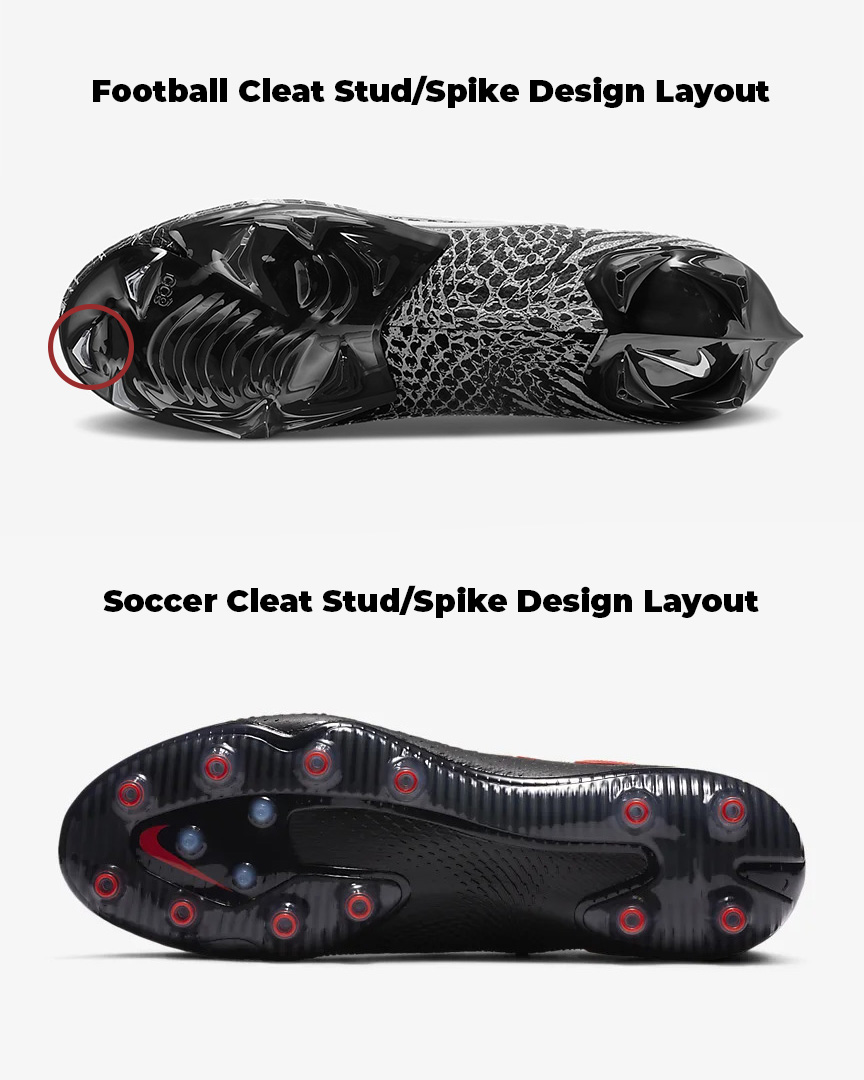
Image Source: juventussandiego.com
Deciphering the Differences: Soccer Cleats vs. Football Boots
At first glance, both soccer cleats and football boots appear to be specialized athletic footwear designed for traction on grass or turf. However, the specific demands of each sport necessitate unique cleat configurations.
Studs: The Heart of Traction
The most prominent difference lies in the cleat types.
-
Soccer Cleats: Typically feature shorter, blunter studs that are strategically placed to allow for quick changes in direction, agile footwork, and precise ball control. The aim is to provide grip without hindering the ability to pivot or turn quickly. Many soccer cleats have a firm, fixed stud pattern designed for natural grass or artificial turf. Some higher-end soccer cleats might offer interchangeable cleats, allowing for some adjustment based on field conditions.
-
Football Boots: On the other hand, football boots often have longer, more aggressive studs, sometimes with a mix of bladed and conical shapes. This design prioritizes explosive power, stability during tackles and blocks, and the ability to generate significant forward momentum. The longer studs dig deeper into the turf for maximum grip, which is essential for activities like sprinting, jumping, and absorbing impact.
A Quick Look at Stud Patterns
| Cleat Type | Common Stud Shapes | Primary Purpose |
|---|---|---|
| Soccer Cleats | Conical, bladed, sometimes multi-directional | Agility, quick pivots, ball control, consistent grip |
| Football Boots | Longer conical, bladed, often a mix, sometimes screw-in | Explosive power, stability, maximum traction, forward momentum |
Materials and Construction: Built for Different Battles
The materials and construction of soccer cleats and football boots also reflect their intended purposes.
-
Soccer Cleats: Often made with lighter, more flexible materials like synthetic leather or thin leather. The focus is on providing a snug, sock-like fit that enhances feel for the ball and allows for natural foot movement. Many soccer cleats have a lower ankle cut for maximum ankle mobility.
-
Football Boots: Tend to be more robust and structured. They might use thicker, more durable materials to withstand the high impact and rougher play associated with football. The ankle support can vary, with high-top models offering more stability and protection against tackles and awkward landings. The lacing systems in football boots are often designed for a secure, locked-in fit.
Weight: A Matter of Inches
While not always a drastic difference, weight can play a role.
-
Soccer Cleats: Generally aim to be lightweight to facilitate speed and agility.
-
Football Boots: Can be slightly heavier due to the more durable materials and reinforced construction needed for the sport’s physicality.
Why Using Soccer Cleats for Football is Risky
Now that we’ve established the differences, let’s explore the potential pitfalls of using soccer cleats for football.
1. Insufficient Traction for Football Movements
Football involves explosive acceleration, sudden stops, and lateral movements that require immense grip. Soccer cleats, with their shorter, blunter studs, may not provide the necessary traction. This can lead to:
- Slipping: Especially during crucial moments like blocking, tackling, or sprinting, insufficient grip can cause you to lose your footing.
- Reduced Acceleration: The inability to dig into the turf effectively can hinder your ability to generate maximum speed.
- Compromised Stability: When making sharp cuts or absorbing impact, the lack of deep-digging studs can lead to instability.
2. Increased Risk of Ankle Injury
Football places significant stress on the ankles due to high-impact collisions, sudden changes in direction, and the potential for tackles.
- Lower Ankle Support: Many soccer cleats have a low-cut design to maximize ankle flexibility for kicking and footwork. This offers minimal protection against the twisting and rolling motions common in football.
- Lack of Stability: The less aggressive stud patterns on soccer cleats might not provide the stable platform needed to prevent ankle rolls during aggressive play.
3. Stud Configuration Issues
The specific placement and type of studs on soccer cleats are optimized for soccer’s movements.
- Toe Studs: Soccer cleats often have a prominent toe stud designed for accelerating and kicking. In football, this same stud could potentially cause you to “stick” in the turf during certain movements, leading to ankle or knee injuries.
- Blades vs. Cones: While some soccer cleats use bladed studs, the length and arrangement are different from those found on football boots. Football often uses longer, more aggressive bladed studs for cutting into the turf. Using soccer bladed studs might not provide the same level of grip.
4. Durability Concerns
Soccer is generally less physically demanding on footwear than football.
- Material Strain: The lighter, more flexible materials used in soccer cleats might not hold up well to the constant, high-impact forces and potential abrasions encountered in football.
- Stud Wear: The studs on soccer cleats might wear down more quickly when subjected to the stresses of football.
When Might Soccer Cleats Be “Okay” (with Caveats)?
While not ideal, there might be very specific, low-stakes scenarios where using soccer cleats for a casual game of flag football or touch football might be considered, with significant caution.
- Low-Impact Play: If the game involves no tackling, minimal contact, and you’re playing on a well-maintained, dry surface, the risks are somewhat reduced.
- Turf Shoes: If you’re looking for athletic footwear for a practice or casual game on artificial turf and don’t have access to proper football shoes, some soccer turf shoes (which have small rubber nubs instead of traditional studs) might offer a safer alternative than screw-in or molded cleats, as they provide less aggressive traction. However, they are still not ideal for the dynamic movements of football.
Even in these situations, it’s crucial to remember that your sports shoes are critical pieces of cleated footwear that directly impact your safety and performance.
What About Football Boots for Soccer?
Interestingly, the reverse is also true – using football boots for soccer is generally a bad idea.
- Over-Grip: The longer, more aggressive studs on football boots can dig too deeply into a soccer pitch, hindering quick pivots and agility.
- Injury Risk: This over-grip can also increase the risk of ankle and knee injuries in soccer, where the specific type of rotational force is different from football.
- Ball Feel: Football boots are often more rigid and less sensitive, which can negatively impact a player’s touch and feel for the soccer ball.
Choosing the Right Footwear: A Comparison of Field Sports Shoes
Selecting the correct field sports shoes is paramount for any athlete. Here’s a breakdown of what to look for in each sport:
For Soccer:
- Focus: Agility, ball control, speed.
- Key Features: Lightweight construction, flexible sole, snug fit, variety of stud types (conical, bladed) optimized for different surfaces (firm ground, soft ground, artificial turf).
- Ankle Support: Typically low-cut for maximum mobility.
For Football:
- Focus: Power, stability, explosive acceleration, impact absorption.
- Key Features: Durable construction, sturdy sole plate, secure lacing system, longer and more aggressive stud patterns (often a mix of conical and bladed), varying ankle heights (low, mid, high) for personalized support.
- Ankle Support: Mid and high-top options are common for enhanced stability and protection.
Other Types of Athletic Footwear:
- Turf Shoes: These have small, rubbery nubs or patterns on the sole, providing moderate grip on artificial turf or hard surfaces. They are a good option for casual play or when traditional cleats are not allowed. While they can be used for light football activities, they lack the aggressive traction needed for serious play.
- Cross-Trainers/Running Shoes: These are entirely unsuitable for sports requiring significant lateral movement and quick changes of direction on grass or turf. They offer minimal to no cleat grip and can lead to slips and injuries.
The Impact of Surface Type
The type of playing surface is a significant factor in cleat selection for both sports.
-
Natural Grass (Firm Ground – FG): This is the most common surface for both soccer and football.
- Soccer: FG cleats usually have a mix of conical and bladed studs for balanced traction and maneuverability.
- Football: FG cleats often feature longer studs designed to penetrate the grass for maximum grip.
-
Artificial Turf (AG/TF): Modern artificial turf fields have specific cleat requirements.
- Soccer: AG (Artificial Grass) cleats have numerous shorter, often conical studs designed to provide grip without digging too deeply into the artificial fibers, preventing excessive strain. TF (Turf) shoes with rubber nubs are also popular for artificial surfaces.
- Football: Football players on artificial turf often opt for specific turf football cleats with shorter, blunter studs or can sometimes use AG soccer cleats in a pinch, though they may not offer the same level of aggressive traction as dedicated football turf shoes.
-
Soft Ground (SG): Less common for football, more so for soccer, especially in wet conditions. SG soccer cleats have longer, often metal, screw-in studs for maximum penetration into muddy or soft ground.
-
Indoor/Hard Surfaces: For indoor soccer or futsal, specialized indoor shoes with flat, non-marking rubber soles are required. These are completely unsuitable for outdoor football.
FAQs About Cleats and Footwear
Q1: Can I wear soccer cleats for flag football?
While it’s not ideal, wearing soccer cleats for flag football is generally safer than for tackle football. The reduced physicality means the risk of injury due to the difference in cleat design is lower. However, you still won’t have optimal traction for explosive movements.
Q2: What are the best cleats for youth football if they are just starting?
For young players just starting out in football, a mid-top cleat with moderate stud length and a good balance of traction and stability is usually recommended. It’s best to consult with a coach or experienced player for specific recommendations based on the league and playing surface.
Q3: Are football boots heavier than soccer cleats?
Generally, yes. Football boots tend to be constructed with more robust materials and feature longer studs, which can contribute to a slightly heavier feel compared to the lightweight designs often favored in soccer cleats.
Q4: Can I use soccer turf shoes for football?
Soccer turf shoes offer very limited grip compared to football cleats. They might be suitable for very casual, low-impact games of touch football on artificial turf, but they are not recommended for tackle football or situations requiring significant traction and stability.
Q5: Do soccer cleats have interchangeable cleats?
Some higher-end soccer cleats do offer interchangeable cleats, allowing players to swap out studs for different lengths or types (e.g., conical vs. bladed) to adapt to varying field conditions. This feature is less common in football boots, where the stud patterns are usually fixed.
Q6: What is the difference between soccer cleats and football boots in terms of stud length?
Football boots typically have longer studs than soccer cleats. This is because football requires deeper penetration into the turf for maximum traction during explosive movements, tackles, and blocks, whereas soccer cleats prioritize agility and quick changes of direction, using shorter, more numerous studs.
Conclusion: Prioritize Performance and Safety
In conclusion, while you can physically put on soccer cleats and step onto a football field, it’s a decision that compromises both your performance and, more importantly, your safety. The fundamental design differences between soccer cleats and football boots are engineered to meet the distinct demands of each sport. Using the wrong sports shoes can lead to a loss of traction, reduced explosiveness, and an increased risk of serious injuries like ankle sprains, knee twists, or even more severe ligament damage.
When it comes to cleated footwear, always choose what is specifically designed for the sport you are playing. Investing in proper football boots will not only enhance your game but also protect you on the field. Likewise, for soccer, stick to soccer cleats to maximize your agility and ball control. Remember, your athletic footwear is a critical piece of equipment – treat it with the respect it deserves.