
Image Source: cdn.media.amplience.net
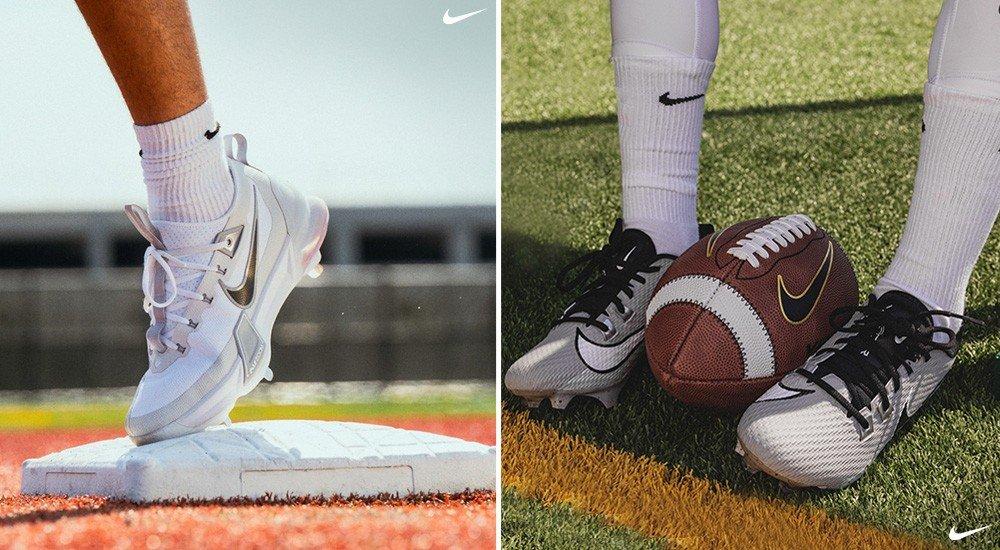
Can My Kid Wear Baseball Cleats for Football? The Truth About Cleat Compatibility
No, your child should not wear baseball cleats for football. While they might look similar, baseball cleats and football cleats have significant differences in design, stud placement, and intended function that make baseball cleats unsafe and illegal for use in organized football games. The primary reasons revolve around player safety, performance, and adherence to league rules.
Deciphering the Differences: Baseball vs. Football Cleats
When you look at baseball cleats and football cleats, they might appear to be cousins in the world of athletic footwear. Both are designed to provide traction on grass or turf, giving athletes the grip they need to make quick cuts, explosive starts, and sudden stops. However, the devil, as they say, is in the details – and in this case, the details are in the studs and the overall design. These differences are crucial for understanding cleat compatibility and why mixing them up can lead to trouble.
The Ground Game: Traction and Stud Design
The most significant distinction between cleats for baseball and cleats for football lies in their stud configurations. This is the core of the cleat differences that impacts safety and performance.
Baseball Cleats: Designed for the Diamond
Baseball requires a specific type of traction. The game involves a lot of running on the infield and outfield, pivoting, and, crucially, stopping abruptly to field a ball or make a throw.
- Toe Stud: A hallmark of baseball cleats is the presence of a toe stud. This is a large, usually metal or hard plastic stud located at the very tip of the front of the shoe. Its primary purpose is to provide extra grip when a batter is pushing off the batter’s box or when a fielder is accelerating from a standstill.
- Stud Pattern: Baseball cleats typically have shorter, more numerous studs spread across the sole. This arrangement helps distribute pressure and prevent the foot from sinking too deeply into the dirt or soft ground. The focus is on allowing players to pivot and change direction without getting “stuck.”
- Material: While many modern youth baseball cleats feature rubber or molded plastic studs, metal spikes are still common, particularly in higher levels of play. Metal spikes offer superior grip but can also be more damaging to the field and potentially more dangerous in close contact.
Football Cleats: Built for the Battlefield
Football, on the other hand, is a game of brute force, sharp angles, and constant, high-impact contact. The demands on footwear are different, and so are the cleats.
- No Toe Stud: Football cleats, almost universally, do not have a toe stud. This is a critical safety regulation. The presence of a toe stud on a football cleat is a major reason why baseball shoes football are not allowed. A toe stud on a football shoe could easily cause serious injuries to opponents during tackles or scrums, digging into skin or muscles.
- Stud Placement and Length: Football cleats often feature longer, more aggressive studs, especially along the edges and the heel. This design is optimized for digging into the turf, providing maximum stability and preventing slippage during explosive movements like sprinting, blocking, and tackling.
- Midfoot Support: Many cleats for football are designed with more rigid midfoot support. This helps players maintain stability during powerful actions and reduces the risk of ankle injuries when twisting or landing awkwardly.
- Cleat Types: Football has a wider variety of cleat types tailored to specific positions and playing surfaces. For example, lineman might wear higher, more supportive cleats, while skill players might opt for lighter, lower-cut models.
Why the Switch is a No-Go: Safety First
The fundamental reason why can my kid wear baseball cleats for football is a resounding no, centers on safety. The design of baseball cleats football is not interchangeable due to critical safety features.
The Dangers of the Toe Stud
- Injury Risk: The toe stud on baseball cleats is the biggest red flag. In the chaotic environment of a football game, this stud can easily become a hazard. A player wearing baseball cleats could inadvertently injure an opponent (or a teammate) by stepping on them or digging the toe stud into their foot, leg, or even torso during a tackle or a pile-up. This is a primary reason why most football leagues have strict rules against them.
- League Rules: Virtually all organized youth football leagues, as well as higher levels of the sport, have explicit rules prohibiting the use of baseball cleats, specifically due to the toe stud. The rules are in place to protect all players on the field. Trying to sneak baseball shoes football onto the field can result in disqualification and potential penalties for the team.
Traction Mismatch and Performance Impact
- Lack of Stability: The stud pattern on baseball cleats is designed for pivoting and quick directional changes on a baseball field. While this is effective for baseball, it might not provide the necessary stability for the more forceful, forward-focused movements in football. The shorter studs might not dig into the turf effectively enough for powerful drives or tackles, potentially leading to slips and reduced performance.
- Over-Grip and Injury: Conversely, some football cleats have very aggressive stud patterns that could be problematic on a baseball field, potentially damaging the delicate turf. However, the concern with baseball cleats in football is generally about insufficient grip and the danger of the toe stud.
A Look at Youth Footwear: Youth Baseball Cleats vs. Youth Football Cleats
The distinction becomes even more pronounced when considering youth baseball cleats and youth football cleats. Young athletes are still developing their coordination and bodies, making them more susceptible to injuries if they wear inappropriate footwear.
Youth Baseball Cleats: Lighter, More Flexible
- Focus: Often lighter and more flexible, with a greater emphasis on comfort for young runners.
- Studs: Typically feature molded rubber studs that are shorter and blunter than those found on adult baseball cleats. Metal spikes are rare in very young age groups.
- Toe Stud: The toe stud is still a defining feature, even in youth models, and remains the primary reason they are unsuitable for football.
Youth Football Cleats: Building a Foundation
- Support: Designed to offer more ankle support, which is crucial for young players who are still building strength and balance.
- Studs: While still adapted for youth play, they will generally have more robust stud patterns than baseball cleats, designed to grip the ground for football-specific movements.
- Rule Adherence: Even at the youth level, youth football cleats are designed to comply with the safety regulations of football, meaning no toe studs.
Deciphering Cleat Compatibility: A Universal Rule
The concept of cleat compatibility is not about finding shoes that look similar; it’s about ensuring that the footwear is designed for the specific stresses, movements, and safety requirements of the sport it’s intended for.
- Specialized Design: Both baseball cleats and football cleats are highly specialized. The manufacturing process and design considerations are tailored to optimize performance and minimize injury risk within their respective sports.
- Material Science: The types of plastic, rubber compounds, and even the alloys used for metal studs are chosen based on the demands of the sport. A stud that provides great grip on dirt might be too rigid or sharp for turf, and vice-versa.
- Biomechanics: The way an athlete moves in baseball (pivoting, shuffling, accelerating) is different from how they move in football (straight-line sprints, lateral shuffles, blocking, tackling). Footwear needs to support these specific biomechanical actions.
Types of Cleats and Their Sports
To further illustrate the importance of sport-specific footwear, let’s consider the broader landscape of cleated shoes.
- Soccer Cleats: Known for their low profile, flexible uppers, and stud patterns designed for kicking and rapid changes in direction on a firm, often grassy surface. They generally lack aggressive studs for deep digging.
- Lacrosse Cleats: Often a hybrid, combining features of soccer and football cleats. They tend to be mid-cut for ankle support and have strategically placed studs for agility and stability during the fast-paced, multi-directional play of lacrosse.
- Softball Cleats: Very similar to baseball cleats, with the same toe stud concern. Differences might be subtle, often related to slightly different stud patterns or materials based on field conditions common in softball.
The Verdict: Stick to the Right Pair
So, can your kid wear baseball cleats for football? The answer is a definitive no. The risk of injury to themselves and others, coupled with strict league rules, makes it an unacceptable practice.
- Safety is Paramount: Prioritize safety above all else. The distinct designs of baseball and football cleats exist for valid reasons, primarily to prevent injuries.
- Performance Enhancement: Using the correct cleats for each sport will also enhance your child’s performance. The right traction and support allow them to move more effectively and confidently.
- Rule Compliance: Avoid potential penalties and disqualifications by ensuring your child has the correct footwear for each sport.
When it comes to youth football cleats, always purchase shoes specifically designed and approved for football. The same applies to youth baseball cleats – use them for baseball and keep them off the football field. It’s a simple rule that ensures a safer and more enjoyable experience for everyone involved in the game. The distinction between baseball shoes football and actual football shoes baseball is a crucial one for any parent involved in youth sports.
Frequently Asked Questions (FAQ)
Q1: Are baseball cleats really that different from football cleats?
A1: Yes, they are significantly different. The most critical difference is the toe stud found on most baseball cleats, which is prohibited in football due to safety concerns. Additionally, stud patterns, materials, and overall design are optimized for the specific movements and demands of each sport.
Q2: What happens if my child wears baseball cleats to a football game?
A2: Your child will likely not be allowed to play. Most football leagues have strict rules against baseball cleats, and officials will enforce them. This could also lead to penalties for the team.
Q3: Can I use old football cleats for baseball?
A3: It’s generally not recommended. While they might offer some traction, football cleats are often heavier and have stud patterns that are not ideal for the pivoting and quick changes of direction required in baseball. They could also potentially damage a baseball field.
Q4: Are there any exceptions where baseball cleats can be used for football?
A4: No, there are no recognized exceptions in organized football. The presence of a toe stud makes them universally unsuitable and unsafe for the sport.
Q5: What should I look for when buying football cleats for my child?
A5: Look for cleats specifically labeled as “football cleats” or “football shoes.” Check that they comply with league rules (no toe stud). Consider the playing surface (turf or grass) and your child’s position, as this can influence the type of cleat (e.g., low-cut, mid-cut, stud configuration). Ensure they provide adequate ankle support for a young athlete.
Q6: Are metal baseball spikes okay for football?
A6: Absolutely not. Metal spikes on baseball cleats are even more dangerous in a football context due to their sharpness and hardness. They are strictly prohibited.
Q7: What about “hybrid” cleats? Do those work for both sports?
A7: While some athletic shoes might be labeled as hybrid, it’s essential to check the specific design and league regulations. Truly interchangeable cleats for baseball and football are rare because their core design principles (especially regarding the toe stud) are fundamentally opposed. Always err on the side of caution and purchase sport-specific footwear.