
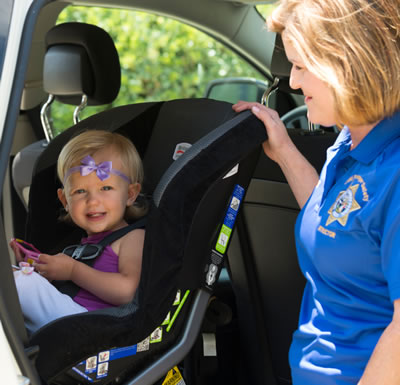
Image Source: www.chp.ca.gov
Can You Drive A Toddler Without A Car Seat: Legality?; Safe or Not?
No, you generally cannot drive a toddler without a car seat. It is against the law in every U.S. state and highly unsafe. Every state has car seat laws for toddlers and older children. These rules make sure little ones ride safely. Driving a toddler without a car seat is very dangerous. It puts them at high risk of severe injury or death in a crash. It also leads to traffic fines for no car seat and other legal trouble.
The Firm Legal Stance on Child Safety Seats
Every state in the United States makes car seats a must. These laws are not just suggestions. They are strict rules. They aim to keep our youngest passengers safe. Child passenger safety regulations cover many things. They tell us about seat type, child size, and how long a child must use a seat.
Grasping Car Seat Laws for Toddlers
Car seat laws for toddlers are clear. A toddler is a child who can walk, usually from ages one to three. They are too small for a regular seatbelt. They need special protection. These laws usually say a toddler must be in a forward-facing car seat with a harness. This seat helps hold them tight in a crash.
Rules also depend on a child’s weight and height. It is not just about age. A bigger toddler might move to a booster seat sooner. A smaller one might stay in a harness seat longer. Always check your state’s specific rules.
Navigating Toddler Car Seat Rules by State
State laws can differ a bit. But the main idea is the same: use a car seat. Some states might have different age or weight limits. Others might set rules for when a child can move from a car seat to a booster.
Here is a general look at how states manage child restraint:
| Stage of Child Restraint | Typical Age/Weight Range | Common Seat Type | Key Features |
|---|---|---|---|
| Rear-Facing Seat | Birth up to 2 years, or until maximum weight/height limit of seat. | Infant seat, Convertible seat | Protects neck and spine best. |
| Forward-Facing Seat | Age 2-4, or until maximum weight/height limit of seat (often 40-65 lbs). | Convertible seat, Combination seat | Uses a 5-point harness. |
| Booster Seat | Age 4-8 or 9, or until 4’9″ tall. | High-back booster, Backless booster | Lifts child to fit seatbelt. |
| Seatbelt Only | When 4’9″ tall, usually between 8-12 years old. | Vehicle seatbelt | Seatbelt must fit correctly. |
Remember, these are common guidelines. Each state has its own infant and toddler car seat laws. You should look up the exact rules for where you live. This also applies if you travel to another state.
Laws on Booster Seat Age Requirements
When can a child move from a car seat to a booster? This is a common question. Booster seat age requirements are usually tied to a child’s height and weight. Most states say a child must be at least 4 years old. They also need to weigh enough, often 40 pounds or more.
But height is the main factor. A child needs to be about 4 feet 9 inches tall to fit an adult seatbelt safely. This usually happens between ages 8 and 12. Until then, a booster seat is a must. It makes the seatbelt sit right on their shoulder and hip. This stops injuries in a crash.
When Can a Child Ride Without a Car Seat?
This is a big question for parents. When can a child ride without a car seat? The answer is when they are tall enough. This means they are at least 4 feet 9 inches tall. Also, they must be old enough, usually 8 to 12 years old.
The seatbelt must fit perfectly:
* The lap belt must be low on the hips, touching the tops of the thighs. It should not be on the tummy.
* The shoulder belt must cross the middle of the shoulder and chest. It should not touch the neck or fall off the shoulder.
* The child’s knees must bend at the edge of the seat. Their feet must be flat on the floor.
* The child must be able to sit like this for the whole trip.
If a child does not meet all these points, they still need a booster seat. Even if they are over 8, if they are not tall enough, they need a booster.
Consequences: Traffic Fines for No Car Seat
Breaking car seat laws for toddlers can lead to serious trouble. Traffic fines for no car seat are common. These fines can range from small to large amounts of money. They often start at $50 and can go up to hundreds of dollars.
Beyond fines, there can be other issues:
* Points on your driving record: Many states add points for this kind of ticket. Too many points can lead to higher insurance costs or losing your license.
* Court appearances: You might have to go to court.
* Child safety classes: Some states may make you take a class on child safety.
* Vehicle impoundment: In rare, very bad cases, your car could be taken away.
The biggest consequence, though, is the risk to your child. No fine is as bad as a child getting hurt.
The Great Danger of Unrestrained Children
While laws are important, safety is the top reason for car seats. Driving a child without proper restraint is incredibly dangerous. A car crash can be very powerful. Even a small bump can cause great harm to a child not buckled in.
Dangers of Unrestrained Children in Cars
Dangers of unrestrained children in cars are many. Imagine a car hitting something at just 30 miles per hour. This is like falling from a three-story building. For a child, this impact is huge.
Here is what can happen:
* Ejection from the vehicle: A child can be thrown out of the car. This is often deadly.
* Hitting the car’s interior: The child can hit the dashboard, windshield, or other parts of the car. This causes head injuries, broken bones, and internal bleeding.
* Being crushed by other passengers: An adult in the car, if not buckled, can be thrown onto the child. This can crush the child.
* Getting trapped: The child can get stuck under seats or parts of the car.
Children are not just tiny adults. Their bones and bodies are still growing. They are much weaker. A child’s head is also much bigger in proportion to their body. This makes them more prone to head and neck injuries. A normal seatbelt is made for adults. It does not fit a child’s smaller body. This is why car seats are so vital.
Explaining Crash Dynamics and Child Vulnerability
When a car stops fast in a crash, everything inside keeps moving. This is called inertia. If a child is not buckled, they keep moving forward at the speed the car was going. They will only stop when they hit something hard.
- Frontal Impact: In a head-on crash, an unrestrained child flies forward. They can hit the dashboard, windshield, or front seat. This causes severe head and face injuries.
- Side Impact: In a crash from the side, a child can be thrown sideways. They can hit the car door or be crushed by objects coming into the car.
- Rear Impact: Even in a crash from the back, a child can be thrown forward, then backward. This causes whiplash and other spine injuries.
- Rollover: If a car rolls over, an unrestrained child can be tossed around inside like a rag doll. They can be thrown out of the car.
Car seats are designed to absorb crash forces. They spread the force over a larger part of the child’s body. They also keep the child contained within the car seat’s protective shell. This prevents them from hitting hard surfaces. They work with the car’s built-in safety features like airbags (when a child is old enough and in the proper seat).
Vehicle Safety for Toddlers: More Than Just Seats
Vehicle safety for toddlers goes beyond just having a car seat. It means knowing how to use it right. It also means choosing the right car features for families.
Here are some extra safety tips:
* Back seat is best: Children under 13 should always ride in the back seat. Airbags in the front can hurt small children.
* Car seat placement: Make sure the car seat is in the right spot. Check your car’s manual for best spots.
* Check for recalls: Keep up with any recalls for your car seat.
* Never leave a child alone: Never leave a child alone in a car, even for a minute.
* Child locks: Use childproof locks on car doors.
These small steps add up to big safety. They create a safer space for your child to ride.
Child Restraint System Guidelines
There are specific child restraint system guidelines for each stage of a child’s growth. These guidelines are set by safety groups like the American Academy of Pediatrics (AAP) and the National Highway Traffic Safety Administration (NHTSA). They aim to give the best protection.
Types of Car Seats and Their Uses
Different car seats are for different ages and sizes:
-
Rear-Facing Car Seats:
- Best for: Newborns and infants.
- When to use: From birth until a child reaches the top weight or height limit for the seat. This often means staying rear-facing until age 2 or even longer.
- Why: This seat type gives the best head, neck, and spine support. It cradles the child in a crash.
- Seats: Infant-only seats or convertible seats used rear-facing.
-
Forward-Facing Car Seats with a Harness:
- Best for: Toddlers who have outgrown their rear-facing seat.
- When to use: After meeting the rear-facing limits, until they reach the forward-facing limits (usually around 40-65 pounds and 4-7 years old).
- Why: The 5-point harness holds the child securely. It spreads crash forces over strong parts of their body.
- Seats: Convertible seats used forward-facing, or combination seats.
-
Booster Seats:
- Best for: School-aged children who have outgrown their forward-facing car seats.
- When to use: From about age 4 to 12, until they are 4 feet 9 inches tall.
- Why: A booster seat lifts the child. This helps the vehicle’s seatbelt fit correctly. It makes sure the lap belt is low on the hips and the shoulder belt is on the shoulder.
- Seats: High-back boosters (for cars with no head support or when a child needs to nap) and backless boosters (for cars with good head support).
-
Seatbelt Only:
- Best for: Older children who are tall enough for the car’s seatbelt.
- When to use: When a child is at least 4 feet 9 inches tall, usually between 8 and 12 years old.
- Why: The adult seatbelt fits correctly. It provides the right protection.
- Check: Always do the “5-Step Test” to make sure the seatbelt fits.
The 5-Step Test for Seatbelt Readiness
This test helps you know if your child is ready for a regular seatbelt:
- Back against the seat: Does the child sit all the way back against the vehicle seat?
- Knees bent: Do the child’s knees bend at the edge of the seat?
- Lap belt low: Does the lap belt fit low on the hips, touching the tops of the thighs? (Not on the tummy!)
- Shoulder belt right: Does the shoulder belt cross the middle of the shoulder and chest? (Not on the neck or arm!)
- Stay seated: Can the child stay like this for the whole trip, even when asleep?
If the answer to any of these is “no,” your child still needs a booster seat.
Proper Installation and Use of Car Seats
Having the right car seat is only half the battle. Installing it correctly and using it every time is just as important. Many car seats are not installed right. This makes them less safe.
Key Steps for Correct Car Seat Setup
- Read the manuals: Read both your car seat manual and your vehicle owner’s manual. They have specific instructions for installation.
- Choose the right spot: Most cars have LATCH (Lower Anchors and Tethers for Children) systems or allow seatbelt installation. Use one method, not both, unless the manuals say it’s okay.
- Tighten the seat: The car seat should not move more than one inch side-to-side or front-to-back at the belt path. It should feel very secure.
- Harness fit: For forward-facing seats, the harness straps must be at or above the child’s shoulders. For rear-facing, they must be at or below the shoulders.
- Chest clip: The chest clip should be at armpit level. It helps keep the straps on the shoulders.
- No slack: Pinch the harness straps at the child’s shoulder. You should not be able to pinch any extra webbing. It should be snug.
- No bulky clothes: Take off bulky coats or sweaters before buckling. They can create slack in the harness.
- Regular checks: Check the seat often to make sure it is still tight and installed correctly.
Seeking Professional Help
If you are unsure, get help. Many places offer free car seat checks. These are often at police stations, fire departments, or hospitals. Certified Child Passenger Safety Technicians (CPSTs) can check your installation. They can teach you how to do it right. This service is a great way to be sure your child is as safe as possible.
Dispelling Common Car Seat Misconceptions
There are many myths about car seats. These myths can put children at risk. Let’s clear up some common wrong ideas.
Myth 1: “My child is big for their age, so they don’t need a car seat.”
Fact: Size and age are important, but laws are based on specific guidelines. Even a large toddler needs a car seat. Their bones and body are still too soft. A regular seatbelt will not protect them in a crash. It is all about how the body handles crash forces. A car seat is designed to protect a child’s still-forming body.
Myth 2: “We’re only going a short distance, so a car seat isn’t needed.”
Fact: Most crashes happen close to home. Short trips are no safer than long ones. Every ride, no matter how short, needs a car seat. A crash can happen anywhere, anytime. Skipping the car seat for a short trip puts your child at huge risk.
Myth 3: “It’s safer to hold my child in my arms.”
Fact: This is one of the most dangerous myths. In a crash, a child becomes a heavy object. You cannot hold onto them. The force of the crash will rip them from your arms. Even if you are buckled, the child will be thrown forward. They could be crushed between you and the dashboard. Your arms offer no protection.
Myth 4: “My child complains, so I let them out of the car seat.”
Fact: Children will complain. But safety comes first. Being firm about car seat use teaches children good habits. Talk to them about why car seats are important. Make it a rule that is never broken. Distract them with toys or songs if needed.
Myth 5: “My car has airbags, so my child is safe without a car seat.”
Fact: Airbags are for adults. They deploy with great force. This force can seriously hurt or kill a child. Children under 13 should always ride in the back seat. This is true even if they are in a car seat. The back seat is the safest place for a child.
Conclusion: Prioritizing Child Safety on the Road
Driving a toddler without a car seat is never okay. It is against the law and terribly unsafe. Car seat laws for toddlers are in place for a strong reason. They save lives. Child passenger safety regulations give clear rules for each stage of a child’s growth. Ignoring these rules brings dangers of unrestrained children in cars and traffic fines for no car seat.
The law says children must be in the right car seat. This includes infant and toddler car seat laws and booster seat age requirements. Knowing when can a child ride without a car seat means being sure they meet height and fit tests. Following child restraint system guidelines and making sure vehicle safety for toddlers is a top priority protects our little ones.
Always use the right car seat. Always install it correctly. Always make sure your child is buckled in every time you drive. There is no compromise when it comes to child safety in a vehicle.
Frequently Asked Questions (FAQ)
Is it ever okay to drive a toddler without a car seat?
No. It is never okay to drive a toddler without a car seat. It is illegal in all U.S. states and extremely dangerous.
What happens if I get caught driving without a car seat for my toddler?
You will likely get a traffic fine for no car seat. You may also get points on your driving record. Some places might make you take a safety class.
At what age can a toddler sit in the front seat?
No child under 13 years old should sit in the front seat. Airbags are very strong and can hurt small children. The back seat is always the safest place for children.
What are the main differences in toddler car seat rules by state?
While all states require car seats, the specific age, weight, and height limits for moving between seat types (rear-facing, forward-facing, booster) can vary. Always check your local Department of Motor Vehicles (DMV) or equivalent state website for exact rules.
How long should a child stay in a rear-facing car seat?
Most child passenger safety regulations and safety experts suggest keeping children rear-facing for as long as possible. This means until they reach the maximum weight or height limit of their specific rear-facing car seat. This is often up to age 2 or even longer.
Can I use a used car seat?
You can use a used car seat if you know its full history. You need to be sure it has not been in a crash. Check its expiration date. Also, make sure it has all its parts and instructions. It is best to buy new if you are unsure.
How do I know if my child is ready for a booster seat?
Your child is ready for a booster seat when they outgrow their forward-facing car seat. This means they reach the maximum weight or height limit. This usually happens around age 4 and 40 pounds. They are not ready for just a seatbelt until they are 4 feet 9 inches tall and can pass the 5-Step Test.
Where can I get help installing my car seat correctly?
You can find certified Child Passenger Safety Technicians (CPSTs) in your area. They often offer free car seat checks and help. You can find them at police stations, fire departments, hospitals, or through local safety programs. The NHTSA website also has a tool to find a CPST near you.