
Yes, it is illegal in all states in the United States to drive a toddler without a car seat that is appropriate for their age, weight, and height. Child passenger safety regulations are strict because riding unrestrained or in an incorrect car seat puts young children in extreme danger during a car crash or even a sudden stop. Failing to use a car seat for a toddler is not only dangerous but also carries legal penalties like fines for no car seat.
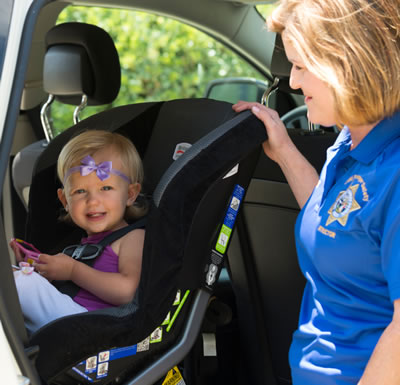
Image Source: www.chp.ca.gov
The Serious Danger of Driving Without a Car Seat
Driving a car is something many people do every day. We trust our cars and the roads. But even small bumps or sudden stops can be very hard on a tiny body. A toddler is small and still growing. Their bones are soft. Their head is big compared to their body. They do not have the strong muscles adults have.
Putting a toddler in a car without a proper toddler car seat is like letting them ride a bike without a helmet. It is taking a huge risk. When a car crashes, it stops very, very fast. But the people inside keep moving at the speed the car was going before it stopped. If a toddler is not strapped into a car seat, they can be thrown forward with great force.
They could hit the dashboard, the windshield, the back of the seat in front, or even be thrown out of the car. An adult holding a child cannot hold them safely. The force is too strong. Imagine trying to hold onto something that weighs hundreds or thousands of pounds suddenly pushing away from you. That is what trying to hold a child in a crash is like.
Car seats are built to protect children in crashes. They have strong straps that fit over the child’s body. They spread out the crash forces over the child’s strongest parts. They keep the child held tightly in one spot. This stops them from hitting hard parts of the car. It also stops them from being thrown out.
The difference between being in a car seat and not being in one during a crash is often the difference between a child walking away with little harm and being seriously hurt or even killed. That is why child passenger safety regulations exist and why is it illegal to drive without a car seat. The rules are there to save lives and prevent serious injuries.
Deciphering Car Seat Laws for Toddlers
Every state in the U.S. has laws about how children must ride in cars. These car seat laws for toddlers and older children are based on research and tests that show the best ways to keep kids safe. While the exact rules can be a little different from state to state, they all agree on the main point: young children must ride in the right car seat.
These laws usually say what kind of seat a child needs based on their age, weight, and height. They often follow the steps children go through as they grow:
- Rear-Facing Car Seats: These are for babies and very young toddlers. The seat faces the back of the car. This is the safest way for small children to ride because it supports their head, neck, and spine best. This is very important for babies and young toddlers whose necks are not strong enough to support their heavy heads in a forward crash.
- Forward-Facing Car Seats: These are for toddlers who have outgrown the rear-facing limits for their seat (by age, weight, or height, depending on the seat and the law/recommendation). These seats face the front of the car and use a harness to strap the child in.
- Booster Seats: These are for older children who have outgrown their forward-facing car seat’s harness limits. A booster seat lifts the child up so the car’s regular seat belt fits correctly across their body – low on the hips (touching the tops of the thighs) and across the middle of the chest and shoulder (not on the neck or arm).
- Seat Belts: Children can use the regular car seat belt only when they are big enough for it to fit right without a booster. This usually happens when they are around 4 feet 9 inches tall and are typically between 8 and 12 years old.
For toddlers specifically, the law almost always requires them to be in either a rear-facing seat (if they still fit and are within the age/weight/height limits for rear-facing) or a forward-facing car seat with a harness. Riding with just a regular seat belt is not safe or legal for a toddler.
The laws are not just suggestions; they are rules that drivers must follow. If a driver is stopped and a child is not in the right seat, they can get a ticket and have to pay fines for no car seat. The amount of the fine can vary by state.
Exploring State Car Seat Laws by Age
As mentioned, state car seat laws by age can differ a bit, but the general idea is the same: kids need the right seat until they are big enough for a seat belt. Here are some common things you will see in state laws:
- Age for Rear-Facing: Many states require children to ride rear-facing until a certain age, often age 2. Some laws say they must ride rear-facing until age 1 and weigh a certain amount, but recommend staying rear-facing as long as possible up to the seat’s limits, which is best practice. Best practice recommendations often go beyond the minimum legal requirements because riding rear-facing is safest for toddlers.
- Age/Weight/Height for Forward-Facing: Once a child outgrows the rear-facing seat by height or weight (or reaches the age limit if the law specifies), they move to a forward-facing seat with a harness. Laws usually specify weight and/or height limits for this stage.
- Age/Height for Booster Seats: Laws specify when a child can move from a forward-facing seat with a harness to a booster seat. This is often when they outgrow the forward-facing seat’s weight or height limits (often around 40-65 pounds and taller than the seat’s harness allows), and are usually at least age 4 or older.
- Age/Height for Seat Belts: Laws specify when a child can stop using a booster and use only the car’s seat belt. This is typically based on height (often 4’9″ or 57 inches) and often includes an age requirement (like age 8 or older).
It is very important for drivers to know the specific child passenger safety regulations in their state. You can usually find this information on your state’s Department of Motor Vehicles (DMV) website or Department of Transportation website. Local police departments or highway patrol websites also often have this information.
Remember, the law sets the minimum rule. Child safety experts, like those at the American Academy of Pediatrics and Safe Kids Worldwide, often recommend keeping children in each stage of car seat (especially rear-facing and forward-facing with a harness) for as long as they fit within the seat’s weight and height limits, even if they pass the minimum age set by the law. This is because staying in a more protective seat for longer offers better protection.
Car Seat Age and Weight Limits: Following the Rules
Every car seat has labels that tell you the car seat age and weight limits and height limits for that specific seat. These limits are set by the manufacturer based on testing to make sure the seat will protect a child of that size.
- Rear-Facing Limits: Seats meant for rear-facing have a maximum weight and height. Children must stay rear-facing until they reach either the maximum weight limit or the maximum height limit for that seat in the rear-facing position. For example, a seat might be good rear-facing up to 40 pounds or until the child’s head is within one inch of the top of the seat shell. You use whichever limit comes first.
- Forward-Facing Limits: Once a child outgrows the rear-facing limits, they can move to a forward-facing seat with a harness. These seats also have maximum weight and height limits for the harness. Children must use the harness until they reach either the maximum weight limit or the maximum height limit for the harness in that seat.
- Booster Seat Limits: Booster seats have minimum and maximum weight and height limits. A child must meet the minimum weight and height to use a booster (often around 40 pounds and tall enough for their ears to be below the top of the vehicle seat headrest once boosted). They must use the booster until they reach the maximum weight or height limit for the booster and are big enough for the regular seat belt to fit correctly.
It is against the law to use a car seat for a child who is over the weight or height limit for that seat. It is also unsafe because the seat was not designed to protect a child that large. Always check the labels on your specific car seat and the car seat’s instruction manual.
Example:
Let’s say a toddler is 3 years old.
* Your state law says children must ride rear-facing until age 2.
* Your child’s rear-facing car seat has a maximum weight limit of 40 pounds and a maximum height limit (head within 1 inch of top). Your child weighs 30 pounds and is below the height limit.
* Your child could legally turn forward-facing at age 2 according to some state laws. However, since they still fit within the limits of the rear-facing seat and are below the best practice recommendation age for turning forward (often 3 or 4), staying rear-facing is safer.
* If your child is 3 years old but weighs 45 pounds, they have outgrown the 40-pound rear-facing limit. They must turn forward-facing (assuming they meet the minimum age/weight/height for forward-facing in your state and on the seat label).
* If your child is 3 years old and weighs 35 pounds, but their head is too close to the top of the rear-facing seat shell, they have outgrown the height limit for rear-facing and must turn forward-facing.
Always follow the most strict rule: the law, the car seat label limits, or the best practice safety recommendations. Best practice says keep them rear-facing as long as the seat allows, then forward-facing with a harness as long as the seat allows, then in a booster until the seat belt fits right.
Is It Illegal to Drive Without a Car Seat? The Legal Ramifications
To be very clear: is it illegal to drive without a car seat for a toddler (and younger children)? Yes, absolutely. In every state in the United States, it is against the law to transport young children, including toddlers, without using a federally approved child restraint system that is correctly installed and used according to the manufacturer’s instructions and state law.
The specific charge and penalty can vary. It might be called a violation of child passenger safety regulations or a specific traffic code related to child restraints.
What happens if you are caught driving a toddler without a car seat?
- Traffic Stop: A police officer might pull you over if they see a child unrestrained or improperly restrained in your vehicle.
- Ticket: You will likely receive a traffic ticket.
- Fines: This ticket comes with fines for no car seat. The amount varies by state, but it can range from around $25 to over $100 or more for a first offense. Repeat offenses usually have higher fines.
- Points on License: In some states, this violation can add points to your driving record, which could affect your insurance rates.
- Court Appearance: In some cases, you might be required to appear in court.
- Proof of Compliance: Some states might require you to show proof that you have bought a car seat and learned how to use it correctly before the ticket is dismissed or the penalty is reduced.
Some states have “primary enforcement” laws, meaning a police officer can stop you just for the reason of a child not being properly restrained. Other states have “secondary enforcement,” where they can only ticket you for a restraint violation if they stopped you for another reason (like speeding). However, primary enforcement is becoming more common because it helps officers enforce these critical safety laws proactively.
Regardless of the type of enforcement, the law is clear: toddlers need car seats. Ignoring this law risks not only a fine but, more importantly, the safety and life of the child.
Grasping the Dangers of Not Using a Toddler Car Seat
Let’s look closer at the severe dangers of not using a toddler car seat. It is not just about following a rule; it is about protecting a fragile life from forces it cannot withstand.
Imagine a car driving at just 30 miles per hour. If it suddenly stops (like hitting something), everything inside that car, including people, keeps moving at 30 mph. If an adult weighs 150 pounds, their body moves forward with a force equal to thousands of pounds.
Now think about a toddler who weighs, say, 25 pounds. At 30 mph, they too move forward with immense force. An adult cannot hold onto that force. The child becomes a projectile, slamming into whatever is in front of them.
Specific dangers include:
- Head and Brain Injuries: A toddler’s head is large and heavy for their body, and their skull is not fully hardened. Hitting a hard surface like a dashboard or window can cause severe, life-threatening brain injuries.
- Neck and Spinal Cord Injuries: A toddler’s neck bones and spinal cord are very delicate. In a frontal crash without a car seat, their head is thrown forward violently, which can stretch or even break their spinal cord, leading to paralysis or death. Rear-facing seats protect against this by supporting the head and neck.
- Internal Organ Damage: The forces can crush internal organs against the spine or rip them away from their connections.
- Broken Bones: Fragile bones can easily break upon impact.
- Ejection from the Vehicle: Without restraints, a child can be thrown completely out of the car, which is almost always fatal.
Car seats have been proven to dramatically reduce the risk of death and serious injury in crashes. According to the Centers for Disease Control and Prevention (CDC), using a car seat can lower the risk of injury in a crash by 71-82% for children compared to not using any restraint. For toddlers aged 1-4, using a car seat reduces the risk of death by 50%.
These statistics show that car seats are incredibly effective safety devices. Driving a toddler without one bypasses this proven protection and exposes them to extreme, often fatal, risks.
Transitioning: Booster Seat Requirements After the Harness
After a child outgrows their forward-facing car seat with a harness (by weight, height, or the age limit of the seat), the next step is usually a booster seat. Booster seat requirements vary by state law, but they are typically based on the child’s size and sometimes age.
- Why a Booster? A regular adult seat belt is made for an average-sized adult body. For a child, the lap belt rides up onto their belly (instead of staying low on the hip bones) and the shoulder belt rides on their neck or face (instead of crossing the middle of their chest and shoulder). In a crash, a seat belt that does not fit right can cause serious internal injuries (called “seat belt syndrome”) or neck injuries. A booster seat lifts the child up so the car’s seat belt fits correctly across the strong bones of the hips and chest.
- When to Move to a Booster: This is typically after a child outgrows the harness on their forward-facing seat. This often happens when they weigh between 40-65 pounds, depending on the seat, and their shoulders are above the top harness slots, or their ears are above the top of the seat shell. Children usually need to be at least 4 years old to move to a booster, but safety experts recommend waiting until closer to age 5 or older if they still fit the harness.
- When to Stop Using a Booster: A child can stop using a booster and use just the adult seat belt when the seat belt fits correctly by itself. This usually happens when the child is around 4 feet 9 inches (57 inches) tall, typically between 8 and 12 years old. A good test is the “5-step test”:
- Does the child sit all the way back against the vehicle seat?
- Do the child’s knees bend comfortably at the edge of the seat?
- Does the lap belt rest low across the upper thighs/hip bones?
- Does the shoulder belt cross the middle of the shoulder and chest?
- Can the child stay seated like this for the whole trip?
If the answer to any of these questions is no, the child still needs a booster seat.
Laws specify the minimum age and/or height/weight for using a booster and for moving out of a booster. For instance, a state law might require children to use a booster until age 8 or until they are 4’9″ tall. You must follow the law, but again, following the 5-step test and keeping the child in a booster until the seat belt fits perfectly is the safest approach, even if they meet the minimum age/height in the law.
So, while a toddler might move from a rear-facing seat to a forward-facing seat, they are not ready for a booster seat, and they are certainly not ready for just a seat belt. The legal requirement for a toddler is always a dedicated car seat with a harness.
Driving With Young Children Safety: More Than Just the Seat
While the car seat is the most important safety device for a toddler in the car, driving with young children safety involves more than just having the right seat. Parents and caregivers need to think about the overall environment in the vehicle.
Here are some additional safety tips:
- Proper Installation: The car seat must be installed correctly. A seat that is loose or installed the wrong way will not protect the child properly. Read the car seat manual and your car’s owner manual. Many places offer free car seat checks by certified technicians who can help you make sure the seat is installed right.
- Proper Harnessing: The harness straps must be snug on the child, with the chest clip at armpit level. You should not be able to pinch any slack in the strap at the child’s shoulder. The harness should be at or just below the child’s shoulders for rear-facing seats and at or just above the child’s shoulders for forward-facing seats.
- Back Seat is Safest: All children aged 12 and under should ride in the back seat. The front seat has airbags that deploy with great force and can injure or kill a child.
- Secure Loose Items: Any loose object in the car can become a dangerous projectile in a crash or sudden stop. Make sure toys, bags, electronics, and other items are stored safely, perhaps in the trunk or secured away from passengers.
- Minimize Driver Distractions: Driving with young children can be distracting. They might cry, drop things, or call out. Try to handle their needs before starting the trip or pull over if you need to attend to them safely. Avoid using your phone while driving.
- Childproof the Car: Make sure window locks are on so children cannot open windows. Lock doors so children cannot open them while the car is moving.
- Never Leave a Child Alone: Never leave a child alone in a car, not even for a minute. The temperature inside a car can rise or fall very quickly, creating a dangerous or deadly situation.
- Be a Good Role Model: Always wear your own seat belt. Children learn by watching you.
Making sure the car seat is right, installed correctly, and used every single time is the foundation of safe travel with a toddler. But paying attention to these other safety tips helps create the safest possible environment for everyone in the car.
When Can a Toddler Ride Without a Car Seat? The Simple Answer
To answer the question when can a toddler ride without a car seat directly: A toddler cannot legally or safely ride without a car seat. The time when a child can ride without a car seat (meaning using only the vehicle’s regular seat belt) comes much, much later.
A toddler needs either:
- A rear-facing car seat (if they are within the seat’s rear-facing weight and height limits and meet minimum state age for turning forward, though staying rear-facing longer is recommended).
- A forward-facing car seat with a 5-point harness (after outgrowing the rear-facing seat and meeting minimum state requirements for forward-facing).
They are not ready for a booster seat, and they are certainly not ready for just a seat belt.
The transition steps are:
- Rear-facing car seat
- Forward-facing car seat with harness
- Booster seat
- Vehicle seat belt
A toddler is in stage 1 or 2. Stage 3 (booster) typically starts around age 4 or 5 and 40+ pounds. Stage 4 (seat belt only) typically starts around age 8-12 and when they are 4’9″ tall.
So, a toddler is never at the stage where they can ride without some form of child restraint designed for their size and weight – specifically, a car seat with a harness. Any situation where a toddler is in a moving vehicle without a proper car seat puts them in grave danger and violates car seat laws for toddlers in every state.
This applies even for short trips, trips at low speeds, or trips in taxis or ride-sharing services. The laws and the dangers do not disappear based on the length or speed of the journey.
Summing Up: Legal Requirements and Paramount Safety
Driving a toddler without a proper toddler car seat is against the law everywhere in the United States. Child passenger safety regulations require young children to be secured in child restraints designed for their size and age. Ignoring these laws carries legal penalties, including fines for no car seat, but the far greater consequence is the risk to the child’s life and health.
The dangers of not using a toddler car seat are severe. In a crash, an unrestrained child can be violently thrown around inside the vehicle or ejected, leading to catastrophic injuries or death. Car seats are specifically engineered to absorb crash forces and protect a child’s developing body.
Car seat age and weight limits are crucial. Every car seat has specific limits printed on labels. Children must use the seat appropriate for their size and should not exceed these limits. Following state car seat laws by age is a legal requirement, but understanding and following the seat manufacturer’s instructions and best practice safety recommendations (like keeping children rear-facing and in a harness longer) provides the best protection.
A toddler is not ready for a booster seat and will not be ready to ride with just a regular seat belt for many years. They must be in a car seat with a harness.
Beyond the seat itself, practicing overall driving with young children safety helps create a safer travel environment. This includes correct seat installation and harnessing, placing children in the back seat, securing loose items, and minimizing driver distractions.
In conclusion, the answer to “Can you drive a toddler without a toddler car seat legally?” is a clear and unequivocal no. It is illegal, unsafe, and puts a child at unacceptable risk. Always use the correct car seat for every trip, every time.
Frequently Asked Questions (FAQ)
h4: Can I hold my toddler on my lap in the car instead of using a car seat?
h5: No, it is extremely dangerous and illegal. In a crash, you would not be able to hold onto your child. They would be crushed between your body and parts of the car, or they would be thrown out. An adult cannot withstand the forces of a crash to protect a child on their lap.
h4: What if I am only driving a very short distance or at a low speed?
h5: The laws and safety reasons still apply. Most crashes happen close to home at relatively low speeds. Even a sudden stop or a low-speed impact can create enough force to seriously injure or kill a child who is not properly restrained. Always use the car seat for every trip, no matter how short.
h4: Do I need a car seat for a toddler in a taxi or ride-sharing service like Uber or Lyft?
h5: Yes, child passenger safety regulations apply in taxis and ride-sharing vehicles just as they do in private cars. It is the driver’s responsibility to ensure passengers under the age requiring restraint are properly secured. However, drivers are not always required to provide the car seat. You are responsible for bringing the appropriate car seat for your child. Some services might offer vehicles with car seats, but you need to request this specifically and confirm it meets your child’s needs.
h4: My toddler is crying and does not want to be in the car seat. Can I take them out for a bit while I drive?
h5: No. While it is difficult when a child is upset, taking them out of the car seat while the vehicle is moving is unsafe and illegal. Pull over to a safe location if you need to attend to your child. Help your child get used to the car seat and make it as comfortable as possible, but never drive with an unrestrained child.
h4: At what age can a child stop using any car seat or booster seat?
h5: Children can stop using a booster seat and use just the regular car seat belt when the seat belt fits correctly. This typically happens when they are around 4 feet 9 inches tall and are usually between 8 and 12 years old. They must meet the 5-step test described earlier to ensure the belt fits across their hips and chest correctly. Until then, they need a booster seat.
h4: What happens if I cannot afford a car seat?
h5: Many communities and organizations offer programs that provide free or low-cost car seats to families in need. Local hospitals, health departments, fire departments, or police stations often know about these programs. Do not drive without a car seat due to cost; seek assistance first. The cost of a car seat is minimal compared to the potential cost of a child’s injury or life.
h4: Where can I get help installing my car seat correctly?
h5: You can find certified Child Passenger Safety Technicians (CPSTs) who offer free car seat checks. You can search for a child seat check station near you on websites like the National Highway Traffic Safety Administration (NHTSA) or Safe Kids Worldwide. They can show you how to install your seat correctly and how to properly harness your child.