
Can you play football with a broken finger? Generally, no, playing football with a broken finger is not advised due to the high risk of further injury and delayed healing.
The allure of the gridiron is powerful. For many athletes, the game is more than just a sport; it’s a passion, a lifestyle. But what happens when this passion collides with a physical setback, specifically a broken finger? The question that inevitably arises is, “Can I play football with a broken finger?” The direct answer is that playing football with a broken finger poses significant risks and is generally not recommended by sports medicine professionals. However, the nuances of this situation, the types of breaks, and the potential protective measures are important to explore.
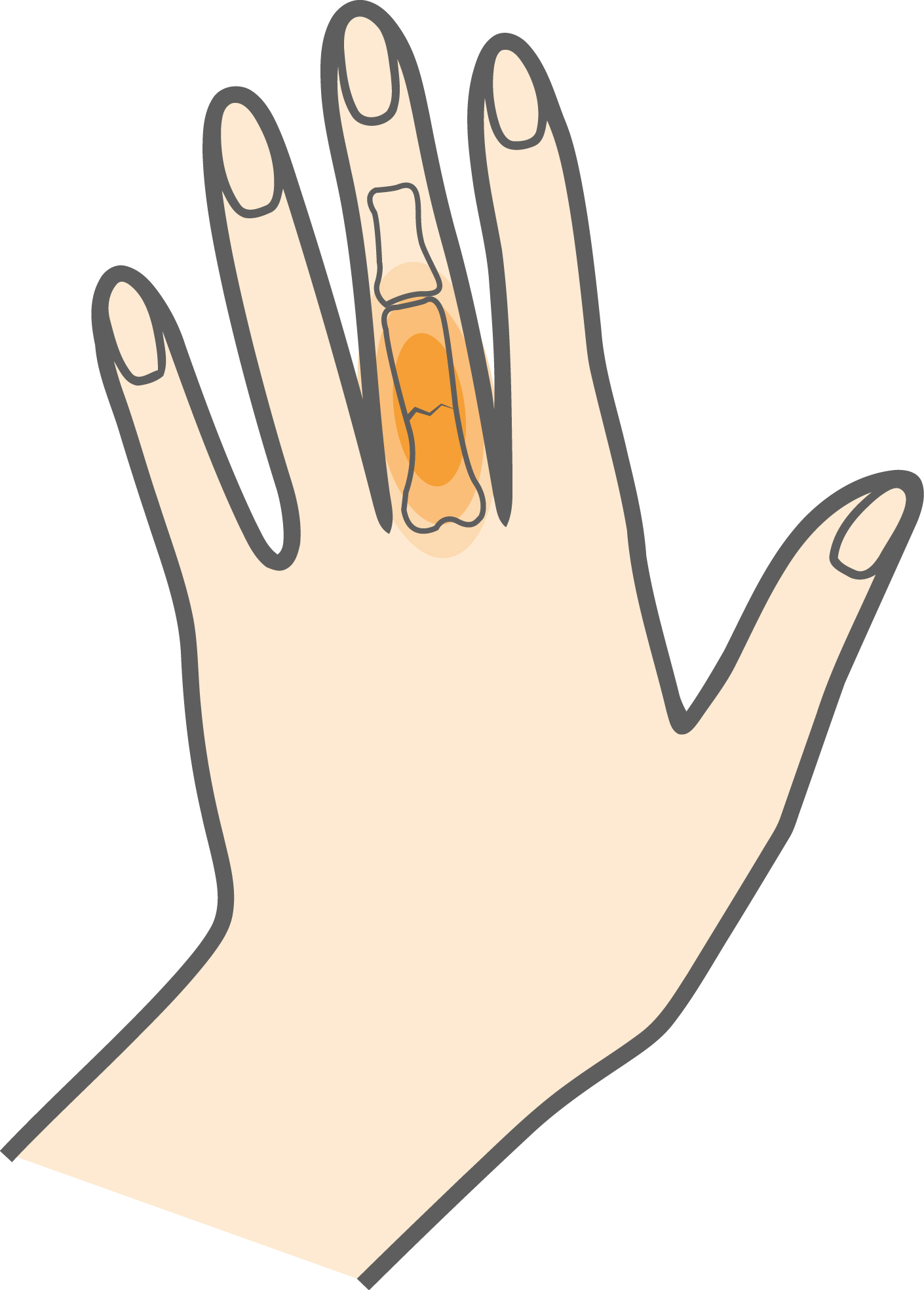
Image Source: upswinghealth.com
The Reality of Football Finger Injuries
Football is a contact sport, demanding strength, dexterity, and the ability to grip and catch. The hands and fingers are particularly vulnerable to the high-impact nature of the game. Football injuries are common, and hand and finger injuries represent a substantial portion of them. From jamming fingers on helmets to awkward catches or tackles, the repetitive stress and sudden forces can lead to various ailments, including sprains, fractures, and dislocations.
A broken finger in sports, especially football, can be incredibly debilitating. It affects a player’s ability to catch, throw, block, and even tackle effectively. The desire to contribute to the team, coupled with the adrenaline of competition, can sometimes cloud judgment, leading athletes to consider playing with a fractured finger.
Types of Finger Fractures in Football
Fingers are complex structures composed of several small bones called phalanges and the metacarpals in the hand. Fractures can occur in any of these bones.
- Phalangeal Fractures: These are breaks in the finger bones themselves (proximal, middle, and distal phalanges). They are common in football due to direct impact or hyperextension.
- Metacarpal Fractures: A fractured metacarpal football injury affects the long bones in the palm connecting the fingers to the wrist. These can occur from a direct punch or a severe blow.
- Avulsion Fractures: These occur when a tendon or ligament pulls off a small piece of bone. Often seen with forceful gripping or catching.
- Mallet Finger: This is a specific type of injury where the tendon that straightens the fingertip is damaged, causing the tip to droop. While not always a complete break, it often involves a small bone fragment and requires immobilization.
A thumb sprain football scenario, while not a break, can also significantly impact a player’s ability to grip and control the ball. Severe thumb sprains can sometimes involve ligament tears that may also require significant healing time and immobilization.
The Risk Assessment: Why Playing is Problematic
When a doctor diagnoses a broken finger, the primary goals are to realign the bone fragments, immobilize the area to allow healing, and prevent further damage. Playing football directly counteracts these goals.
Increased Risk of Re-injury and Malunion
The forces involved in football are immense. Catching a hard-thrown pass, tackling an opponent, or even getting your hand caught in a jersey can exert significant pressure on an already compromised bone.
- Displacement: A fracture that has been set by a doctor can easily be displaced again with impact, requiring further medical intervention.
- Nonunion: If the bone is continually stressed, it may fail to heal properly, leading to a nonunion, which can require surgery.
- Malunion: The bone might heal in an incorrect position, leading to chronic pain, stiffness, and loss of function. This can permanently affect a player’s ability to perform in their sport.
Nerve and Blood Vessel Damage
Fingers are rich in nerves and blood vessels. A fracture, especially if displaced, can potentially damage these delicate structures. Playing through a break increases the likelihood of further trauma to these areas, which could lead to permanent numbness, tingling, or circulatory problems.
Tendon and Ligament Damage
The bones in the fingers are intricately connected to tendons and ligaments that allow for movement and stability. A fracture can often be accompanied by or lead to tears in these soft tissues. Continuing to play can exacerbate these tears or cause new ones, compounding the injury.
Pain and Reduced Functionality
Even with immobilization, a broken finger will be painful. The adrenaline of a game can mask some pain initially, but the functional deficit will be apparent. Reduced grip strength, inability to accurately catch or throw, and impaired dexterity will inevitably hinder performance and potentially put teammates at risk if the player cannot execute their role properly.
Sports Medicine Perspectives on Playing With a Fracture
Sports medicine broken finger guidelines consistently emphasize rest and proper healing. The consensus among sports medicine professionals is that playing through a fracture significantly compromises the healing process and increases the risk of long-term complications.
Dr. Anya Sharma, a renowned sports orthopedic surgeon, states, “Our primary responsibility is to ensure the athlete’s long-term health and career. Allowing a player to return to high-impact activities with a fracture is not only irresponsible but can lead to irreversible damage. The focus should always be on complete rehabilitation.”
The Healing Process: What Happens When You Play?
Healing a broken finger playing sports is a contradiction in terms. The natural healing a broken finger process involves several stages:
- Inflammation: The body sends cells to the injury site to clean up debris.
- Soft Callus Formation: A soft, fibrous tissue bridges the gap between the broken bone ends.
- Hard Callus Formation: The soft callus is replaced by bone, providing stability.
- Remodeling: The bone gradually reshapes itself to its original form.
Playing football disrupts all these stages. The constant movement and impact prevent the delicate callus from forming and stabilizing the fracture. Instead, it can cause micro-fractures within the healing callus, leading to delayed union or nonunion.
Protective Measures: Can They Make it Safe?
While playing with a known fracture is generally ill-advised, some athletes and coaches might explore football finger protection options. These can range from specialized taping techniques to custom-made splints or casts.
Taping Techniques
For minor injuries, like a jammed finger or a very stable, non-displaced fracture, a technique called “buddy taping” is sometimes used. This involves taping the injured finger to an adjacent, healthy finger.
- Pros: Provides some external stability, inexpensive, easy to apply.
- Cons: Offers minimal protection against high-impact forces, can be uncomfortable, and is insufficient for significant fractures. It’s crucial to have a medical professional assess if buddy taping is even appropriate.
Custom Splints and Casts
For more significant fractures, a doctor might fit a player with a protective splint or a specialized football cast for broken finger. These are designed to immobilize the fractured bone while allowing some degree of movement in the adjacent joints.
- Custom Molded Splints: These can be made from thermoplastic materials and are often padded for comfort. They are designed to fit snugly and provide robust support.
- Padded Casts: In some cases, a lightweight fiberglass cast might be used. These are typically padded extensively, especially around the knuckles and fingertips, to absorb impact.
Important Considerations for Football Casts:
- Size and Bulk: A cast needs to be substantial enough to protect the finger but not so bulky that it impedes the ability to catch or grip the ball.
- Material: Modern materials are lighter and more durable than traditional plaster casts.
- Padding: Crucial for shock absorption and preventing secondary injuries from the cast itself.
- Doctor’s Approval: No protective gear should be used without explicit approval from the treating physician and potentially the team’s athletic trainer.
Even with the best football finger protection, the risk of re-injury remains. A hard impact can still cause significant damage, potentially negating the protective benefits of the cast or splint.
The Decision-Making Process: Risk vs. Reward
The decision to play with a broken finger is a complex one, involving the athlete, their parents (if a minor), coaches, and medical staff. The potential “reward” is the ability to compete and contribute to the team’s success. The “risk,” however, is substantial and can have long-term consequences.
Factors Influencing the Decision
- Severity of the Fracture: A hairline fracture in a non-critical area might be viewed differently than a severely displaced fracture of the thumb metacarpal.
- Position of the Player: A quarterback might need more finger dexterity than a lineman, making a finger injury more impactful.
- Stage of the Season: Towards the end of a championship season, the motivation to play through pain might be higher, but so should the caution regarding long-term health.
- Athlete’s Pain Tolerance: While a factor, this should not be the primary determinant.
- Team Needs: How crucial is the player to the team’s performance? This is a tough consideration, but player safety must always be paramount.
The Role of the Athletic Trainer and Sports Medicine Team
The sports injury management team, including certified athletic trainers and team physicians, plays a critical role in these decisions. They are responsible for:
- Accurate Diagnosis: Ensuring the extent and nature of the fracture are fully understood.
- Treatment Recommendations: Providing clear guidance on the appropriate course of treatment and rehabilitation.
- Risk Communication: Educating the athlete and coaching staff about the potential consequences of playing with an injury.
- Return-to-Play Protocols: Establishing a clear pathway for the athlete’s safe return to the field after proper healing and rehabilitation.
Alternatives to Playing: Rehabilitation and Safe Return
When a broken finger is diagnosed, the recommended course of action typically involves:
- Immobilization: Using a splint, cast, or buddy taping as determined by the medical professional.
- Pain Management: Over-the-counter or prescription pain relievers.
- Elevation and Ice: To reduce swelling and pain.
- Follow-up Appointments: Regular checks with the doctor to monitor healing.
- Rehabilitation: Once the bone shows signs of healing, a period of physical therapy is crucial. This focuses on:
- Restoring range of motion.
- Regaining strength.
- Improving fine motor skills.
- Desensitizing the injured area.
Gradual Return to Play
A safe return to football should be gradual. This might involve:
- Non-contact Drills: Practicing catching and throwing with modifications.
- Limited Contact Drills: Gradually increasing the intensity of contact.
- Wearing Protective Gear: Continuing to use a splint or cast until cleared by the medical team.
- Full Clearance: Only returning to full game participation once the fracture is fully healed and the athlete has regained complete strength and function.
Case Studies: Examples of Finger Injuries in Football
While specific, publicly documented cases of players successfully playing with confirmed broken fingers are rare (due to the emphasis on safety), many athletes have played through pain or with minor, undiagnosed injuries.
Consider a scenario where a player experiences a finger injury mid-game.
| Injury Type | Initial Assessment | Medical Recommendation | Potential Consequences of Playing |
|---|---|---|---|
| Jamming | Pain, swelling, bruising | Rest, ice, possible buddy tape | Minor pain, slight stiffness |
| Minor Fracture | Persistent pain, limited movement | Immobilization, X-ray, casting | Displacement, malunion, delayed healing, chronic pain |
| Thumb Sprain | Instability, pain, swelling | Rest, bracing, physical therapy | Ligament tear worsening, chronic instability |
| Fractured Metacarpal | Severe pain, deformity, inability to close fist | Casting or surgery, immobilization | Nonunion, nerve damage, loss of hand function |
It’s important to differentiate between a minor, manageable discomfort and a significant structural injury like a fracture. Many athletes might push through the former, but the latter requires professional medical attention and a period of rest.
Long-Term Implications of Ignoring a Fracture
Ignoring a broken finger and continuing to play football can have significant long-term repercussions:
- Chronic Pain: A poorly healed fracture can lead to persistent pain, especially in cold weather or with strenuous activity.
- Arthritis: Damage to the joint surfaces during the fracture or healing process can accelerate the development of osteoarthritis.
- Reduced Grip Strength and Dexterity: Permanent loss of strength or fine motor skills can impact not only future athletic performance but also daily activities.
- Deformity: The finger may heal in a bent or crooked position.
- Psychological Impact: The frustration of a career-limiting injury or the inability to enjoy hobbies due to lasting damage can be significant.
The Bottom Line: Prioritizing Health Over a Single Game
While the competitive spirit is admirable, the risks associated with playing football with a broken finger far outweigh the potential rewards. The integrity of the bone, the health of surrounding soft tissues, and the long-term functionality of the hand are at stake. A commitment to proper healing, guided by sports medicine broken finger expertise, is essential for a safe and successful return to the sport.
The immediate gratification of playing in one game should never jeopardize a player’s ability to play in future games, or their quality of life after their athletic career. Respecting the healing process and adhering to medical advice is the most responsible approach when faced with a broken finger in the demanding world of football.
Frequently Asked Questions (FAQ)
Q1: Can I play football if I have a mild finger sprain?
A1: A mild finger sprain might allow some players to continue with caution, especially with proper taping or a brace. However, it’s crucial to get it assessed by a medical professional. A severe thumb sprain football injury, for instance, could have significant implications for grip and control.
Q2: My doctor said I have a hairline fracture. Can I still play with a football cast for broken finger?
A2: Even with a hairline fracture, playing football is generally not advised. The forces involved can easily turn a hairline fracture into a more severe break. A specialized football cast for broken finger offers some protection, but it’s essential to follow your doctor’s specific advice.
Q3: How long does it take for a broken finger to heal enough to play sports?
A3: The healing time varies depending on the severity and location of the fracture. Typically, a broken finger requires 4-8 weeks in a cast or splint to heal sufficiently. Full return to sports, especially a high-impact one like football, may take longer due to the need for rehabilitation to regain strength and dexterity.
Q4: What is the difference between a fractured metacarpal and a broken finger bone?
A4: A fractured metacarpal football injury refers to a break in one of the five long bones in the palm of the hand, connecting the fingers to the wrist. A “broken finger” usually refers to a fracture in one of the phalanges, the bones that make up the finger itself. Both require proper medical attention.
Q5: Is it okay to play if the pain is manageable?
A5: Pain is a signal from your body. While some athletes have high pain tolerances, the absence of severe pain does not mean the injury is healed. Playing through pain can lead to further damage and long-term complications. It’s vital to rely on medical assessment rather than just pain levels for sports injury management.
Q6: What are the best ways to protect my fingers when playing football?
A6: For players who are prone to finger injuries or have minor ailments, proper taping techniques and padded gloves can offer some protection. However, for actual fractures, only doctor-approved protective gear like custom splints or specialized casts should be considered, and even then, playing is typically discouraged.
Q7: What are the long-term risks of not allowing a broken finger to heal properly?
A7: The long-term risks include chronic pain, stiffness, reduced grip strength and dexterity, deformity, and an increased likelihood of developing arthritis in the affected joint. This is why healing a broken finger playing sports without proper rest is a dangerous gamble.