
Yes, you can wear metal cleats in football, but only if league regulations, the playing surface, and specific event rules permit them. In many organized football leagues, especially at higher levels, metal cleats are prohibited due to safety concerns. However, in some informal games, certain youth leagues, or specific types of football played on softer natural grass, they might be allowed. The type of football cleat material is a crucial factor in determining their legality.
Image Source: cdn.media.amplience.net
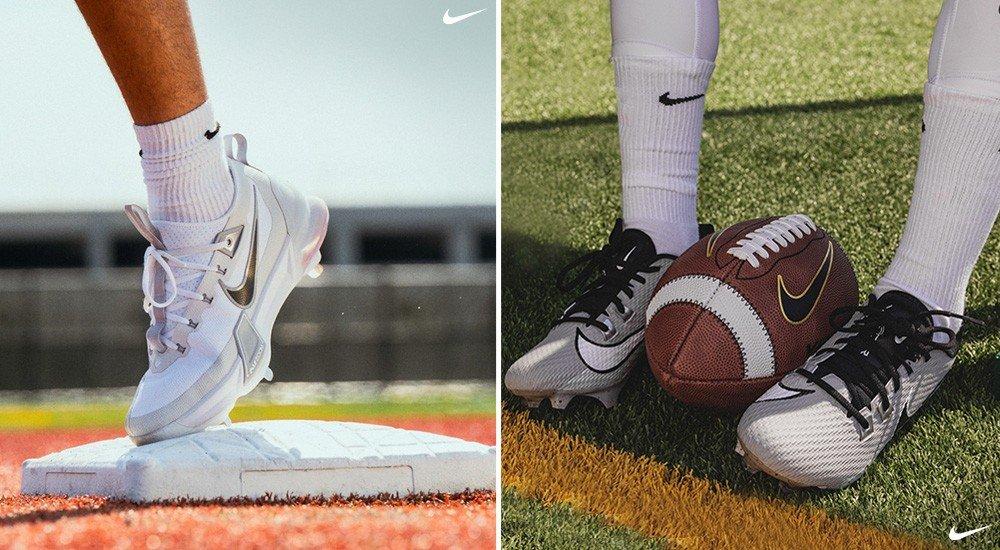
Deciphering Cleat Legality in Football
The world of football footwear is complex, with various rules governing what players can wear. One of the most debated topics revolves around the use of metal cleats. While they offer superior traction, their legality is often restricted. This post will delve into the nuances of cleat legality, explore the differences between metal vs. molded cleats, and help you navigate the labyrinth of cleat rules and shoe restrictions.
The Appeal of Metal Cleats
Metal cleats have long been associated with enhanced grip and stability on the field. Their sharp, penetrating studs can dig deep into the turf, providing unparalleled traction, especially during explosive movements like sprints, cuts, and changes in direction. This superior grip can translate to better performance, allowing players to plant their feet firmly and generate more power.
However, this very advantage is also the source of their controversy. The penetrating nature of metal studs poses a significant risk of injury to opposing players, particularly to lower extremities like ankles and shins, if contact is made. This safety concern is the primary reason why many governing bodies have opted to ban them.
Where Metal Cleats Might Be Found
While often disallowed, there are specific scenarios where metal cleats might still be seen:
- Informal Games: Pickup games or backyard football often have relaxed rules, and players might use whatever footwear they have.
- Certain Youth Leagues: Some very young or developmental leagues might permit metal cleats to help beginners gain better footing, though this is becoming increasingly rare due to safety awareness.
- Specific Playing Surfaces: On very soft, natural grass fields where other cleat types might not get enough purchase, metal cleats could theoretically be allowed. However, this is usually under strict supervision and for specific events.
The Dominance of Molded Cleats
In most regulated football environments, molded cleats are the standard. These cleats feature studs or blades that are permanently attached to the shoe’s sole. They are typically made from rubber, plastic, or polyurethane.
Molded cleats offer a safer alternative while still providing adequate traction for most playing conditions. The studs are blunter and less penetrating than metal, significantly reducing the risk of severe injuries. They come in various designs, with different stud configurations and lengths tailored for specific positions and playing styles.
Advantages of Molded Cleats:
- Safety: The primary advantage is their significantly lower risk of causing serious injuries to other players.
- Versatility: They perform well on a wide range of playing surfaces, including natural grass and artificial turf.
- Durability: Generally, molded cleats are quite durable and can withstand regular use.
- Cost-Effectiveness: They are often more affordable than cleats with removable studs.
Removable Studs: A Middle Ground?
Some football shoes feature removable studs. These studs can be screwed into the sole and are often made of plastic or a combination of plastic and metal. While they offer a degree of customization regarding stud length and type, their legality is also subject to strict league regulations.
- Metal vs. Plastic Removable Studs: Even with removable studs, the material is key. If the removable studs are entirely metal and long enough to be considered a significant puncture risk, they will likely be prohibited, regardless of their removability. Plastic or composite removable studs are generally more acceptable.
Navigating League Regulations and Cleat Rules
The most critical factor in determining whether you can wear metal cleats is understanding and adhering to the specific league regulations for the competition you are participating in. These rules are established by governing bodies to ensure fair play and, more importantly, player safety.
Key Considerations for Cleat Rules:
- Governing Body: Different organizations (e.g., NFL, NCAA, Pop Warner, high school athletic associations) have their own distinct cleat rules.
- Age Group: Rules often vary based on the age of the players. Youth leagues tend to have stricter limitations on cleat types than professional leagues might have had in the past.
- Playing Surface: The type of field is often explicitly mentioned in cleat regulations. Some rules might permit metal cleats on natural grass but ban them on artificial turf, or vice-versa, depending on the perceived risk.
- Specific Events: Even within a league, a specific tournament or championship game might have unique shoe restrictions.
Where to Find Official Cleat Rules:
- League Rulebook: The most reliable source is always the official rulebook of the league or organization.
- Coach or Team Manager: They should be well-versed in the current regulations.
- League Website: Most athletic organizations maintain websites with updated rule information.
The Impact of Playing Surface on Cleat Choice
The playing surface is a fundamental determinant of appropriate footwear. Different surfaces require different cleat designs for optimal performance and safety.
Natural Grass Fields:
- Soft Grass: On softer, natural grass fields, longer molded cleats or even some types of removable metal studs (if permitted) can provide necessary grip. The softer ground allows studs to penetrate, providing stability.
- Firm Grass: On firmer, natural grass, shorter molded cleats or bladed cleats are often preferred to avoid over-penetration, which can lead to ankle rolls.
Artificial Turf Fields:
- Modern Turf: Most modern artificial turf fields require specific football cleat types designed for them. Shorter, more numerous molded studs or “turf shoes” with many small rubber nubs are common.
- Older Turf: Older artificial turf fields, especially those with deeper piles, might have been more forgiving of different cleat types. However, the trend is towards specialized footwear for all artificial surfaces to prevent damage to the turf and reduce injury risk.
Metal cleats are generally discouraged or outright banned on artificial turf. The rigid nature of artificial turf can make metal studs act like spikes, increasing the risk of catastrophic knee or ankle injuries. Furthermore, metal cleats can damage the turf fibers, leading to premature wear and tear.
Fathoming Shoe Restrictions: Beyond the Cleats
Shoe restrictions in football can extend beyond just the cleats. Other aspects of football equipment, including the shoes themselves, might be subject to regulation.
Other Shoe-Related Regulations:
- Heel Height: Some leagues may have limits on the heel height of a shoe.
- Stud Material and Length: As discussed, this is the most common restriction. Rules will often specify the maximum length and material of any cleat.
- Ankle Support: While not always a strict rule, manufacturers often design cleats with varying levels of ankle support, and players choose based on personal preference and injury history.
- Protruding Elements: Any part of the shoe that could be deemed dangerous, such as sharp edges or metallic embellishments, might be prohibited.
Understanding Different Cleat Types
To make informed decisions about your footwear, it’s helpful to know the common cleat types available:
- Molded Cleats: As discussed, these are the most common and safest option. They come in various configurations:
- Bladed Cleats: Often found on skill-position shoes, these have flatter, blade-like studs for better lateral stability and quicker cuts.
- Conical Cleats: These have round, pointed studs that can penetrate the turf more easily for straight-line speed.
- Combination Cleats: Some shoes feature a mix of bladed and conical studs to offer a balance of traction and agility.
- Detachable (Removable) Cleats: Allow players to swap out studs based on field conditions or personal preference. The legality of the stud material is paramount here.
- Metal Cleats: Characterized by metal studs, offering maximum traction but carrying the highest safety risk. Their use is highly restricted.
- Turf Shoes: Designed for artificial turf, these shoes have numerous small rubber nubs instead of traditional studs. They offer good traction on turf without the risk of over-penetration or turf damage.
Choosing the Right Football Cleat Material
The football cleat material is a critical consideration. The base of the shoe, where the studs attach, is usually made of synthetic leather, mesh, or a combination. The studs themselves are where the material choice significantly impacts performance and legality.
- Plastic/Polyurethane: This is the most common material for molded and removable cleats. It’s durable, lightweight, and provides a good balance of traction and safety.
- Rubber: Often used for turf shoes or as a component in molded cleats, rubber offers excellent grip on a variety of surfaces.
- Metal: Used for studs in metal cleats. While offering superior penetration and traction, its inherent danger leads to widespread bans.
A Comparative Look: Metal vs. Molded Cleats
| Feature | Metal Cleats | Molded Cleats |
|---|---|---|
| Traction | Exceptional, especially on soft natural grass | Very good, suitable for most conditions |
| Safety | High risk of injury to other players | Significantly lower risk of injury |
| Legality | Restricted or banned in most leagues | Widely permitted and recommended |
| Playing Surface | Best on soft natural grass, risky on turf | Versatile for natural grass and artificial turf |
| Durability | Can wear down or break, risk of stud loss | Generally durable, studs are permanently attached |
| Cost | Can be more expensive due to specialized design | Generally more affordable |
| Performance | Excellent for planting and explosive movements | Good for all-around performance and agility |
The Future of Football Footwear
As sports science and safety awareness evolve, so too will the design and regulation of sports footwear. The trend is overwhelmingly towards safer alternatives. While metal cleats once had a more prominent role, their use is likely to continue to diminish in organized football. The focus will remain on developing high-performance footwear that prioritizes player safety without compromising the integrity of the game.
Key Takeaways for Players
- Always Check the Rules: Before purchasing or wearing any cleats, thoroughly familiarize yourself with the specific cleat rules of your league or competition.
- Prioritize Safety: If metal cleats are not explicitly permitted, do not wear them. The risk of injury and penalties is too high.
- Consider the Playing Surface: Choose cleats appropriate for the type of field you’ll be playing on.
- Consult Your Coach: Your coach is an invaluable resource for football equipment advice and adherence to league regulations.
- Invest in Quality: Good football cleat material and construction can make a difference in comfort, performance, and injury prevention.
Frequently Asked Questions (FAQ)
Q1: Can I wear metal cleats in the NFL?
A1: No, metal cleats are prohibited in the NFL. Players must wear cleats made of materials like rubber, plastic, or polyurethane.
Q2: Are metal cleats allowed in high school football?
A2: Generally, no. Most high school athletic associations have strict rules against metal cleats due to safety concerns. You should always verify the specific rules for your state’s high school athletic association.
Q3: What are the safest cleats to wear for football?
A3: Molded cleats made from plastic or rubber are generally considered the safest option. They provide good traction without the high risk of injury associated with metal cleats.
Q4: Can I wear metal cleats on a grass field?
A4: Even on grass, metal cleats are often prohibited by league rules. While they offer superior traction on softer grass, the risk of injury remains a primary concern for governing bodies. Always check your league’s specific regulations.
Q5: What type of cleats are best for artificial turf?
A5: For artificial turf, turf shoes with numerous small rubber nubs are the most recommended. Some molded cleats with shorter, blunter studs can also be suitable, but check the specific turf field guidelines and league rules. Metal cleats should be avoided on artificial turf.
Q6: What is the difference between metal cleats and molded cleats?
A6: The primary difference lies in the material of the studs. Metal cleats have studs made of metal, which can penetrate the ground deeply for maximum traction but pose a higher injury risk. Molded cleats have studs made of plastic, rubber, or polyurethane, offering good traction with significantly reduced injury potential.
Q7: Can I wear cleats with metal tips but otherwise plastic?
A7: This depends entirely on the specific cleat rules of your league. If the metal tips are substantial and the league prohibits any metal in the cleat construction, they will likely be disallowed. Some rules may allow for minor metal components if they do not increase the puncture risk significantly. Always verify with your league officials.
Q8: Where can I find information about shoe restrictions for my league?
A8: The best places to find information about shoe restrictions and cleat rules are your league’s official rulebook, the league’s website, or by speaking directly with your coach or a team manager.