
How Do College Football Teams Travel? Airport & Bus
College football teams travel using a combination of team bus services and charter flights, depending on the distance of their away games, their budget, and their schedule. This comprehensive approach ensures players arrive rested and ready for competition.
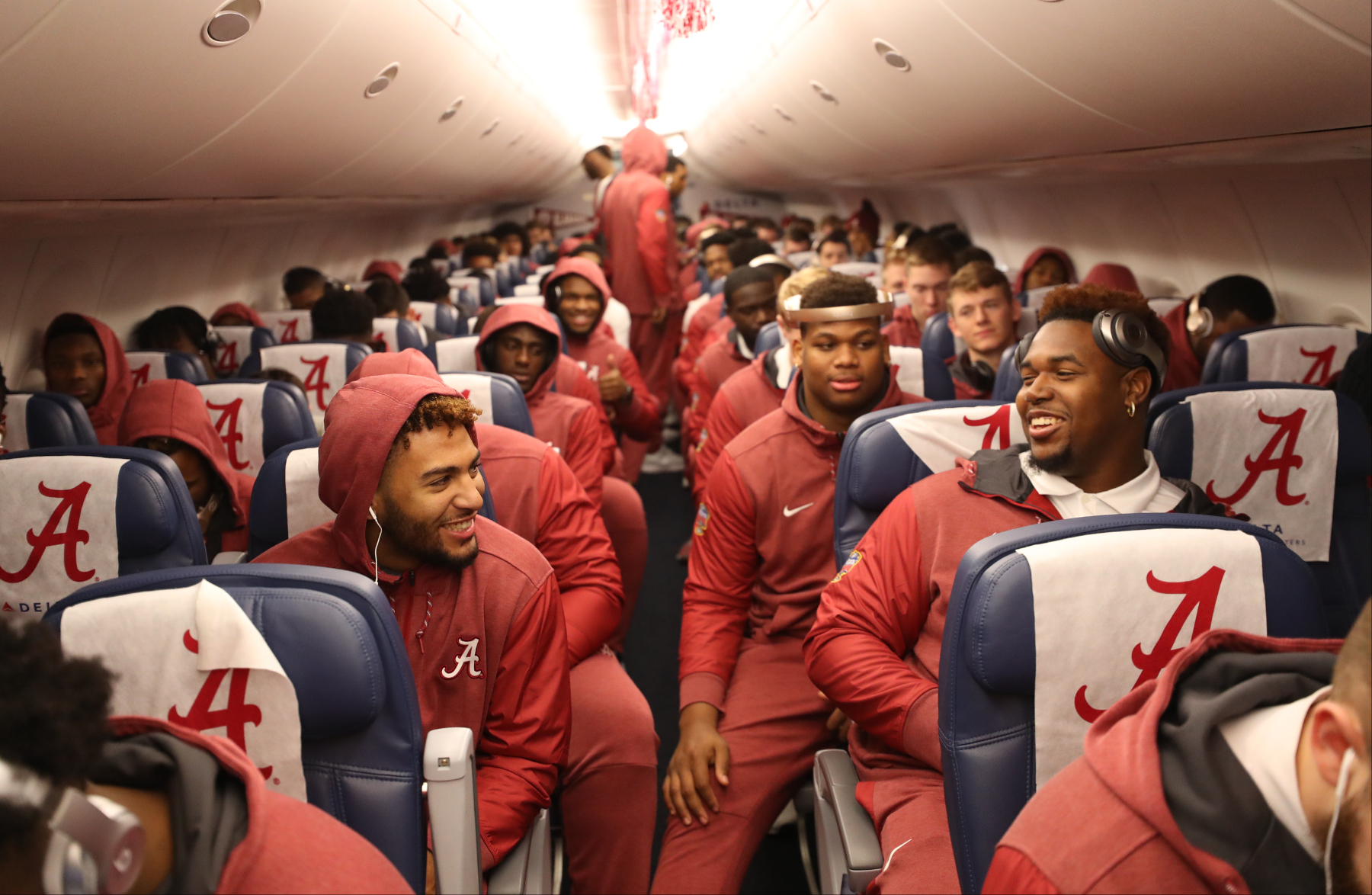
Image Source: athleticdirectoru.com
The Mechanics of College Football Travel
The logistics of moving a college football team, from players and coaches to staff and equipment, is a complex undertaking. It requires meticulous planning and execution, especially when covering significant distances for away games. The goal is always to prioritize player welfare, minimize travel fatigue, and ensure a smooth transition from their familiar practice facilities to an unfamiliar environment. This involves careful consideration of travel itineraries, team hotels, team meals, and elements of game day operations that begin long before kickoff.
Navigating the Skies: Charter Flights
For teams venturing across states or even regions, charter flights are the preferred mode of transportation. This isn’t just about convenience; it’s about efficiency and player health.
Why Charter Flights?
- Time Efficiency: Commercial flights can involve lengthy layovers, inconvenient departure and arrival times, and the general hassle of navigating public airports. Charter flights allow teams to fly on their own schedule, often directly to airports closest to their destination, saving valuable hours that can be used for rest or light training.
- Player Comfort and Rest: Unlike crowded commercial aircraft, charter planes offer more space, allowing players to stretch out, sleep, or engage in quiet pre-game preparation. This is crucial for maintaining peak physical condition. Teams can control the cabin environment, ensuring comfortable temperatures and minimizing distractions.
- Equipment and Staff: Charter flights can accommodate the team’s essential equipment, including specialized gear and training materials. It also allows the entire travel party, including coaches, trainers, medical staff, and support personnel, to travel together, fostering team cohesion.
- Privacy and Security: Traveling as a large group on commercial flights can attract unwanted attention and present security challenges. Charter flights provide a private environment, shielding players from public scrutiny and ensuring their safety.
The Charter Flight Process
- Booking and Coordination: The athletic department’s travel staff works with charter flight brokers or directly with airlines specializing in sports team travel. They must provide detailed passenger manifests, cargo requirements (equipment), and specific scheduling needs.
- Airport Selection: Teams aim for airports closest to their host city or team hotels to minimize ground transportation time upon arrival.
- Boarding and In-Flight: Once at the airport, the team bypasses the usual lines. Boarding is swift and organized. Onboard, the atmosphere is typically relaxed but professional. Some teams may have specific seating arrangements to keep position groups together or allow coaches easy access to players. Meals and snacks are often catered to team preferences, aligning with team meals strategies.
Ground Control: The Team Bus
While charter flights handle the long hauls, the team bus remains an indispensable part of college football travel, particularly for shorter distances and within the host city.
The Role of the Team Bus
- Airport to Hotel/Stadium: Upon arrival via charter flights, the team bus is usually waiting to transport players and staff directly to their team hotels or directly to the stadium if the schedule demands. This seamless transition is key to minimizing travel disruption.
- Local Transportation: For games within the same state or region, the team bus might be the primary mode of transport for the entire road trip. This is common for conference games against nearby rivals.
- Campus to Stadium: On game day operations, the team bus is the final leg of the journey from the team hotel to the stadium, providing a controlled environment for last-minute focus and pre-game preparation.
- Transporting Equipment: Larger team buses or dedicated equipment trucks are used to transport all necessary gear, including pads, helmets, uniforms, medical supplies, and training equipment, from the practice facilities to the game venue.
Team Bus Logistics
- Customization: Many high-level college football programs utilize custom-designed team buses. These aren’t just standard passenger buses; they are equipped with features like:
- Reclining Seats: Designed for comfort and sleep.
- Entertainment Systems: Allowing for movies or music.
- Wi-Fi Access: For communication or light work.
- Onboard Restrooms: Essential for longer journeys.
- Meeting Areas: For coaches to address the team.
- Safety and Security: Team buses are driven by experienced professional drivers. Security personnel often accompany the bus, especially during high-profile games. They ensure safe passage through traffic and manage access to the bus.
- Branding: Team buses are typically wrapped in team colors and logos, serving as a mobile billboard and reinforcing team identity.
Planning the Journey: Travel Itineraries and Logistics
A successful road trip for a college football team hinges on detailed travel itineraries. These documents are the blueprints for every aspect of the journey, ensuring nothing is overlooked.
Crafting the Itinerary
An effective travel itinerary is a comprehensive document that outlines every step of the team’s movement and activities. It typically includes:
- Departure and Arrival Times: Precise times for leaving the practice facilities, boarding the charter flight, arriving at the destination airport, and arriving at the team hotel.
- Ground Transportation Details: Information on the type of vehicles, driver contact information, and pick-up/drop-off points.
- Accommodation Details: The name and address of the team hotels, rooming lists, and check-in/check-out procedures.
- Meal Schedules: Times and locations for all team meals, ensuring they align with nutritional needs and pre-game preparation strategies. This includes coordinating with the hotel for team meals or arranging catering.
- Practice and Meeting Schedules: When and where team practices, film study sessions, and team meetings will take place.
- Game Day Operations Schedule: A minute-by-minute breakdown of game day operations, from wake-up calls to arrival at the stadium, pre-game warm-ups, and post-game procedures.
- Emergency Contact Information: Details for key personnel and local emergency services.
- Contingency Plans: Protocols for dealing with unexpected delays or issues.
The Travel Party
The size of the travel party can range from around 70 to over 100 people, depending on the program. This includes:
- Players: The core of the team.
- Coaching Staff: Head coach, offensive and defensive coordinators, position coaches.
- Support Staff: Athletic trainers, strength and conditioning coaches, equipment managers, video staff, team physicians, public relations personnel, and administrative staff.
Key Components of Team Travel
Beyond the modes of transport, several other crucial elements contribute to a successful travel experience.
Team Hotels: A Home Away From Home
Choosing the right team hotels is vital for player rest and focus.
- Location: Hotels are typically chosen for their proximity to the stadium or practice facilities, minimizing travel time on game day operations.
- Amenities: Hotels that cater to sports teams are preferred. These often include:
- Spacious Rooms: Allowing players to relax and potentially room with teammates for camaraderie.
- Quiet Environments: To ensure players can sleep undisturbed.
- On-site Dining: To facilitate controlled team meals.
- Meeting Rooms: For coaches’ meetings and pre-game preparation sessions.
- Fitness Facilities: For players who want to stay active.
- Indoor Pools: Sometimes used for recovery.
- Service: Hotels that understand the needs of sports teams are accustomed to early breakfasts, late check-ins, and specific rooming requests.
Team Meals: Fueling Performance
Proper nutrition is paramount for athletes. Team meals are carefully planned and coordinated.
- Nutritional Planning: Sports dietitians work with the coaching staff and travel coordinators to create menus that provide the necessary energy and nutrients for performance. This typically involves lean proteins, complex carbohydrates, and healthy fats.
- Pre-Game Meals: These are critical for topping off glycogen stores. They are usually served several hours before kickoff and consist of easily digestible foods.
- Post-Game Meals: Focus on recovery, replenishing lost nutrients, and rehydration.
- Catering and Room Service: Depending on the hotel and schedule, meals might be served in a team dining room, through catering, or via room service for individual players.
Pre-Game Preparation on the Road
Maintaining routines is crucial for pre-game preparation, even when away from home.
- Familiar Routines: Teams strive to replicate their normal routines as much as possible. This includes wake-up times, meal schedules, and meeting structures.
- Team Meetings: Film review, tactical discussions, and motivational talks are conducted in hotel meeting rooms.
- Light Practices: Some teams might hold a light walk-through or practice session at a local facility upon arrival or the day before the game to get a feel for the playing surface and stay loose.
- Mental Preparation: Coaches and staff ensure players have the necessary resources for mental preparation, whether it’s quiet time, music, or specific team-building activities.
Managing the Logistics: The Role of Support Staff
The efficiency of college football team travel relies heavily on the dedication of the support staff.
Key Support Roles
- Travel Coordinators/Athletic Department Staff: These individuals are the master planners, responsible for booking flights and hotels, managing budgets, and ensuring all logistical details are handled. They are the point people for all external vendors.
- Equipment Managers: Responsible for packing, transporting, and maintaining all the team’s gear. This is a massive undertaking, involving everything from helmets and pads to training tables and hydration supplies. They ensure everything arrives at the stadium in perfect condition.
- Athletic Trainers: Crucial for player health and well-being. They travel with the team to provide medical care, rehabilitation, and injury prevention. They manage the team’s medical supplies and coordinate with local medical facilities if needed.
- Strength and Conditioning Coaches: Ensure players maintain their training regimens, often adapting workouts for hotel rooms or available facilities.
Travel Case Studies: A Tale of Two Trips
Let’s illustrate with two hypothetical scenarios:
Scenario 1: Interstate Rivalry (300-mile trip)
- Mode of Transport: Team bus.
- Itinerary:
- Friday Morning: Depart from practice facilities via team bus after a light morning practice and team meal.
- Friday Afternoon: Arrive at team hotel in the rival city. Check-in, followed by a team meeting and film study.
- Friday Evening: Team meal at the hotel, followed by free time and early curfew.
- Saturday Morning (Game Day): Wake-up call, team meal, walk-through at the stadium.
- Saturday Afternoon: Kickoff!
- Saturday Evening: Post-game team meal, board the team bus for the return trip, arriving late Saturday night/early Sunday morning.
- Focus: Minimizing travel fatigue, maintaining routine, and ensuring all players have adequate rest.
Scenario 2: National Championship Game (1,500-mile trip)
- Mode of Transport: Charter flights and team bus.
- Itinerary:
- Wednesday Morning: Depart from practice facilities via team bus to the local airport.
- Wednesday Afternoon: Board charter flight to the host city.
- Wednesday Evening: Arrive at the destination airport, transfer via team bus to team hotel. Check-in, light team meeting, and team meal.
- Thursday: Practice at a local facility, film sessions, media obligations. Team meals scheduled throughout the day.
- Friday: Final practice, pre-game preparation sessions, focus on tactical adjustments.
- Saturday (Game Day): Wake-up, team meal, travel via team bus to the stadium for game day operations.
- Saturday Evening: Post-game procedures and return travel via charter flights.
- Focus: Maximizing rest and recovery, managing player schedules with media and other obligations, and ensuring the team is mentally and physically prepared for a high-stakes game.
Frequently Asked Questions (FAQ)
Q1: Can I travel with the college football team?
No, travel arrangements are strictly for official team personnel and players. Guests are generally not permitted on team travel.
Q2: What happens if a game is canceled or postponed during travel?
Athletic departments have contingency plans in place for such scenarios. Travel coordinators work with airlines, hotels, and the opposing team to adjust schedules and minimize disruption. This might involve extending hotel stays or arranging return flights earlier than planned.
Q3: How is food handled on charter flights?
Food is typically catered to the team’s specific dietary needs and preferences. This can range from simple sandwiches and snacks to full hot meals, depending on the length of the flight and the program’s budget.
Q4: Do players have their own rooms on the road?
While some programs might provide single rooms for star players or graduate students, it’s more common for players to share rooms, often with a teammate they are familiar with. This is a cost-saving measure and can also foster camaraderie.
Q5: How much does it cost for a college football team to travel?
The cost varies significantly based on the distance of away games, the number of people traveling, the mode of transport (charter flights are expensive), and the level of amenities provided. A single road trip for a major FBS program can easily cost tens of thousands of dollars, and a cross-country trip for a championship game can run into the hundreds of thousands.
Q6: Who decides the travel arrangements?
Typically, the athletic department’s travel coordinator or business office handles the booking and logistics, working closely with the coaching staff and the head coach on specific preferences and needs.
Q7: What kind of equipment needs to be transported?
A vast amount of equipment, including helmets, shoulder pads, jerseys, pants, cleats, footballs, training tables, medical supplies, water coolers, and coaching boards. The equipment managers are crucial to ensure everything is accounted for and in working order.
In conclusion, college football teams utilize a carefully orchestrated blend of charter flights and team bus services, supported by meticulous planning and dedicated staff, to ensure optimal pre-game preparation and performance on the road. Every element, from the team hotel to team meals, is designed to create a familiar and supportive environment, allowing athletes to focus on the game ahead.