
Football scouts are the lifeblood of any successful club, tirelessly seeking out the next generation of talent and identifying players who can make a significant impact. What is a football scout? A football scout is a trained professional who watches football matches and assesses players to determine their potential for a club. Can I become a football scout? Yes, with dedication, a deep knowledge of the game, and networking, you can pursue a career as a football scout. Who is a football scout? A football scout is essentially a talent hunter, responsible for the crucial talent identification process. This in-depth guide will explore the intricate world of football scouting, from initial observation to a player’s potential signing.
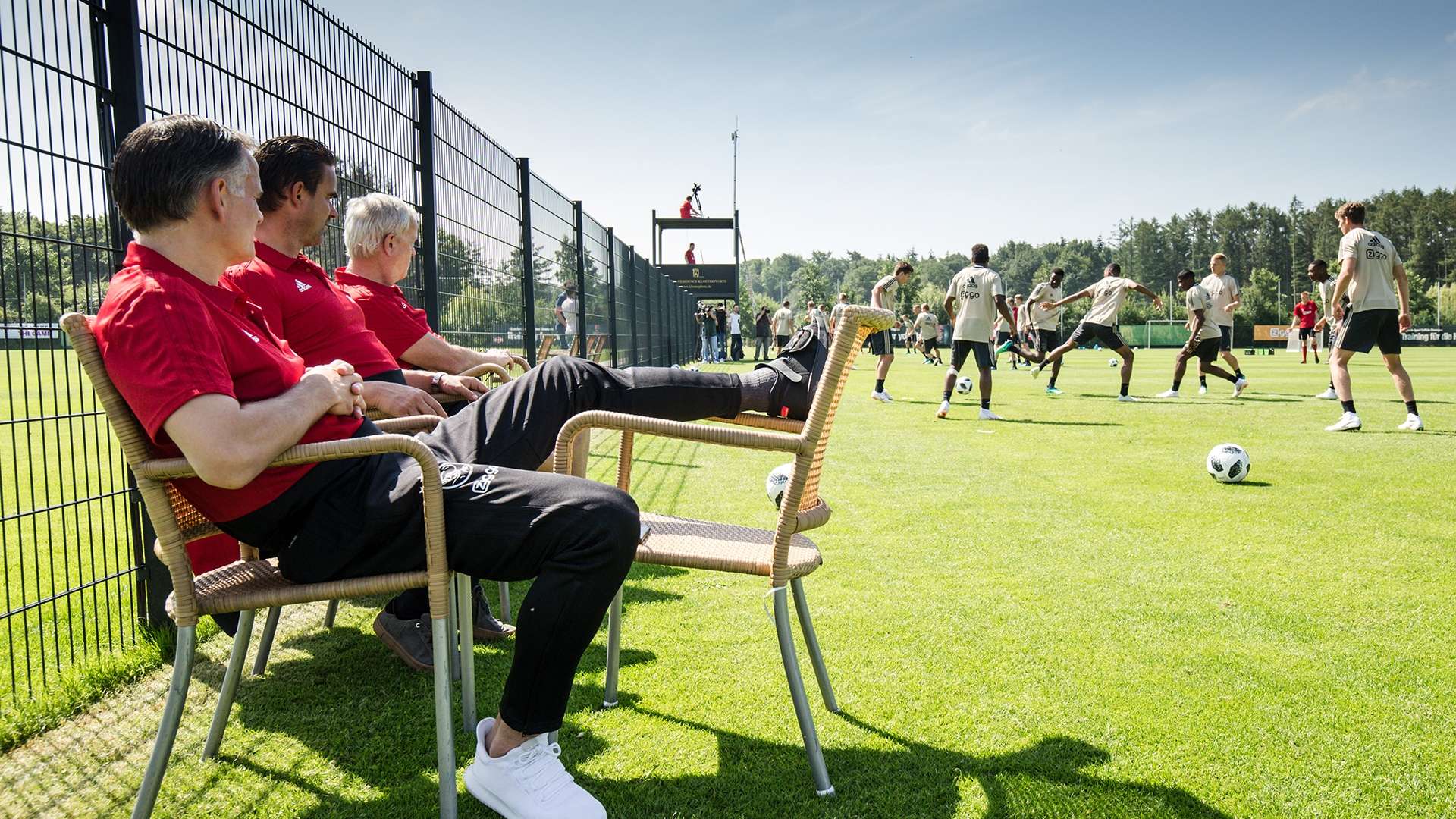
Image Source: assets.goal.com
The Foundation: Building a Scouting Network
A robust scouting network is paramount for any club aiming to discover and recruit top talent. This network is not a single entity but a collection of individuals strategically positioned to observe matches and players across various levels of the game.
Geographic Reach
Scouts are often assigned specific regions or leagues to cover. This allows for a focused approach to talent identification.
- Local Scouts: These individuals are familiar with the amateur football scene in their immediate vicinity. They can spot raw, unpolished talent in local leagues and youth clubs.
- Regional Scouts: Covering larger geographical areas, these scouts have a broader scope, observing talent within a specific country or a group of neighboring regions.
- International Scouts: Operating on a global scale, these scouts are tasked with finding talent in foreign leagues and tournaments, often requiring extensive travel and language skills.
Levels of Play
The scouting net extends across all levels of the sport, from grassroots to the elite.
- Amateur Football: This is often the first port of call for many scouts. Here, they look for raw potential, technical ability, and a strong desire to learn. Many professional players begin their journey in amateur leagues.
- Youth Development: Clubs invest heavily in youth development programs. Scouts working within football academies are crucial for identifying players at a young age and nurturing their progression through the ranks.
- Professional Leagues: While top-tier leagues are heavily scrutinized, scouts also monitor lower professional divisions and even reserve team matches for players who might be overlooked or are on the cusp of breaking through.
The Role of Technology
Modern scouting is increasingly augmented by technology. Data analytics platforms provide insights into player statistics, while video analysis software allows for in-depth performance analysis without the need for constant physical presence. However, the human element remains indispensable.
The Art of Player Evaluation: What Scouts Look For
Player evaluation is the core of a scout’s job. It’s a multi-faceted process that goes beyond simply watching a player score goals. Scouts assess a wide range of attributes, both tangible and intangible.
Technical Skills
These are the fundamental abilities a player possesses.
- Ball Control: First touch, dribbling, trapping.
- Passing: Accuracy, weight, vision, type of pass (short, long, through-ball).
- Shooting: Power, accuracy, technique, finishing ability.
- Heading: Technique, power, accuracy.
- Tackling: Timing, technique, aggression (controlled).
- Dribbling: Agility, balance, creativity, ability to beat a defender.
Tactical Intelligence
This refers to a player’s footballing brain.
- Positional Awareness: Knowing where to be on the pitch, both with and without the ball.
- Decision Making: Choosing the right pass, the right run, the right tackle.
- Reading the Game: Anticipating opposition movements and opportunities.
- Understanding Formations and Systems: Adapting to different tactical setups.
- Pressing and Defensive Work: Contribution to the team’s defensive shape.
Physical Attributes
The physical demands of modern football require specific attributes.
- Pace and Acceleration: Ability to cover ground quickly.
- Stamina and Endurance: Maintaining performance throughout a match.
- Strength: Ability to hold off opponents, win aerial duels.
- Agility and Balance: Quick changes of direction, staying on your feet.
- Jumping Reach: Important for aerial duels.
Mental Attributes
Often the hardest to quantify, but arguably the most important for long-term success.
- Composure: Performing under pressure.
- Work Rate: Effort and commitment throughout the match.
- Attitude: Coachability, discipline, response to adversity.
- Leadership: Inspiring teammates, communicating effectively.
- Resilience: Bouncing back from mistakes or setbacks.
- Concentration: Maintaining focus for 90 minutes.
The Scouting Report
After observing a player, a scout compiles a detailed report. This report is the primary tool for communicating their findings to the club’s recruitment team.
Components of a Scouting Report:
| Section | Description |
|---|---|
| Player Information | Name, age, position, current club, nationality. |
| Match Details | Date, competition, venue, scoreline. |
| Performance Summary | Overall assessment of the player’s contribution in the match. |
| Technical Skills | Detailed breakdown of passing, dribbling, shooting, etc., with specific examples. |
| Tactical Insight | How the player understands and applies tactical instructions, decision-making examples. |
| Physical Attributes | Assessment of pace, strength, stamina, and any noted physical strengths or weaknesses. |
| Mental Attributes | Observations on composure, work rate, attitude, and leadership qualities. |
| Strengths | Key areas where the player excels. |
| Weaknesses | Areas requiring improvement. |
| Potential | Scout’s prediction of how the player might develop and their suitability for the club. |
| Recommendation | Whether the club should pursue the player further (e.g., monitor, trial, immediate offer). |
| Comparison | (Optional) Comparison to existing players in the club or similar players in the market. |
The Recruitment Process: From Identification to Signing
Talent identification is just the first step in a longer recruitment process. Once a player is flagged by a scout, several stages follow before a contract is signed.
Initial Screening and Due Diligence
- Data Analysis: Clubs often use advanced analytics to further scrutinize a player’s statistical output and compare it against benchmarks.
- Background Checks: Scouts and recruitment staff may gather information on a player’s character, discipline, and past conduct.
- Medical Assessments: Once a player is deemed a serious prospect, rigorous medical examinations are conducted to ensure they are physically fit to play.
The Trial Period
For younger or less established players, a trial period at the club is common. This allows coaches and staff to see how the player integrates with the team, adapts to the club’s environment, and performs in training sessions.
Monitoring and Long-Term Assessment
Some players may be monitored over extended periods, across multiple seasons, before a decision is made. This is particularly true for young players still in youth development or those playing in different countries.
Contract Negotiations
This is where the business side of scouting comes into play.
- Agent Involvement: Most professional players are represented by agents who handle contract negotiations on their behalf.
- Player Wages: Determining a salary that reflects the player’s skill, experience, and potential.
- Transfer Fees: If the player is already at another club, a transfer fee must be agreed upon between the two clubs. This is often a complex and lengthy negotiation.
- Contract Length and Clauses: Stipulating the duration of the contract and any specific clauses related to performance bonuses, release clauses, or image rights.
The Life of a Football Scout: Challenges and Rewards
The job of a football scout is demanding and often involves significant personal sacrifice, but it also offers unique rewards.
Challenges
- Extensive Travel: Scouts spend a considerable amount of time on the road, attending matches in various locations, often in challenging weather conditions.
- Long Hours: Scouting duties extend beyond match days, involving report writing, research, and communication.
- Dealing with Rejection: Not every player scouted will be signed. Scouts must develop a thick skin and continue their search.
- Pressure to Deliver: The success of a club can heavily depend on the quality of players brought in through scouting.
- Subjectivity: While data is important, football scouting still involves a degree of subjective judgment, which can be difficult to defend.
Rewards
- Passion for the Game: The opportunity to be constantly involved with football at its most fundamental level.
- Discovering Talent: The satisfaction of finding a hidden gem and seeing them develop into a star player.
- Career Progression: Successful scouts can move into higher-level scouting roles, recruitment analysis, or even management positions.
- Impact on Club Success: Contributing directly to a club’s achievements on the pitch.
- Networking: Building a wide network of contacts within the football world.
Specialized Scouting Roles
Within the broader field of scouting, there are specialized roles that cater to specific needs.
Opposition Scouts
These scouts focus on analyzing upcoming opponents. Their role is crucial for preparing the team’s tactical approach for a specific match. They provide detailed reports on the opponent’s strengths, weaknesses, formations, key players, and set-piece routines. This performance analysis is vital for match preparation.
Data Analysts and Performance Analysts
While not traditional scouts, these professionals work closely with scouting departments. They use statistical data and video footage to identify trends, evaluate player performance, and provide objective insights that can complement a scout’s qualitative assessment. This data-driven approach is becoming increasingly important in modern recruitment process.
Academy Scouts
These scouts are dedicated to identifying and recruiting young players for a club’s academy. Their focus is on youth development and finding players with the potential to grow within the club’s system and eventually break into the first team. They often attend youth tournaments, school matches, and local club games.
The Future of Football Scouting
The landscape of football scouting is constantly evolving.
Increased Use of Analytics
Data analytics will continue to play a more significant role, providing objective metrics to support traditional scouting methods. This doesn’t replace the scout but enhances their ability to filter and prioritize talent.
Globalized Talent Pools
As information and travel become more accessible, clubs will continue to expand their search for talent to emerging footballing nations. International scouting will become even more critical.
Focus on “Character Scouting”
Beyond technical and physical attributes, there’s a growing emphasis on a player’s mental fortitude, adaptability, and personality – factors that often determine long-term success in a high-pressure environment.
Collaboration Between Departments
Scouting departments will likely work more closely with sports science, analytics, and coaching staff to ensure a holistic approach to player acquisition and development.
Frequently Asked Questions (FAQ)
Q1: What is the most important quality a football scout looks for?
A1: While all attributes are important, scouts often prioritize a player’s potential for development and their mental attributes (attitude, work rate, resilience), as these are harder to teach than technical skills.
Q2: Do scouts watch players for the entire 90 minutes?
A2: Not always. While a full match is ideal, scouts may focus on specific segments or watch a player in multiple matches to get a comprehensive view. They also use video analysis extensively.
Q3: How do scouts get paid?
A3: Scouts can be employed directly by clubs, work as freelancers on a per-report basis, or be employed by scouting agencies. Salaries vary greatly depending on experience, the club they work for, and their geographical reach.
Q4: What qualifications are needed to be a football scout?
A4: There isn’t a single mandatory qualification. However, extensive knowledge of the game, playing experience (though not always required), coaching badges, and a strong network within football are highly beneficial. Many scouts attend specialized scouting courses.
Q5: How do clubs identify players for their football academies?
A5: Clubs primarily rely on their dedicated academy scouts who attend youth matches, tournaments, and local grassroots games. They also receive recommendations from coaches, parents, and other football contacts. Youth development is a key focus from an early age.
Q6: What is the difference between a scout and a coach?
A6: A scout’s primary role is talent identification and player evaluation to bring new players into the club. A coach’s role is to train and develop the players already within the club, focusing on team tactics and individual improvement.
Q7: How important is amateur football in scouting?
A7: Amateur football is extremely important as it’s the foundation for many aspiring professionals. Scouts actively monitor amateur leagues to identify raw talent and potential stars before they are widely recognized.
Q8: Can you become a scout without playing professional football?
A8: Yes, while playing experience is helpful, it’s not always a prerequisite. A deep tactical understanding, excellent observation skills, analytical ability, and a strong network are crucial. Many successful scouts have come from coaching backgrounds or have developed their expertise through dedicated study and experience.
Q9: How does a scout assess a player’s performance analysis?
A9: Scouts use a combination of direct observation and data analysis. They look at statistical performance (goals, assists, passes completed, tackles won) alongside their qualitative assessment of decision-making, positioning, work rate, and impact on the game.
Q10: What are the challenges in contract negotiations from a scout’s perspective?
A10: While scouts don’t typically handle the final negotiations, their evaluation directly influences them. They need to provide realistic assessments of a player’s value to help the club negotiate fair terms, avoiding overpaying for talent and ensuring the contract aligns with the player’s potential contribution.
The role of a football scout is both an art and a science, a blend of keen observation, in-depth analysis, and relentless pursuit of talent. From the muddy pitches of amateur football to the hallowed grounds of professional leagues, scouts are the unsung heroes who build the future of the sport, ensuring a constant influx of new talent through meticulous talent identification and rigorous player evaluation. Their work is integral to the recruitment process, youth development, and ultimately, the success of any football club.