
Becoming a college football coach is a journey that demands passion, dedication, and a strategic career path. What does it take to reach the sidelines as a college football coach? It requires a combination of playing experience, coaching education, networking, and a proven ability to teach and develop athletes. Can you make it without playing college football? Yes, while playing experience is beneficial, it’s not always a mandatory requirement; strong knowledge of the game, tactical acumen, and exceptional people skills can often compensate.
This guide will break down the essential steps and considerations for aspiring college football coaches. From gaining foundational experience to understanding the nuances of recruiting and game planning, we’ll cover the key areas to focus on.
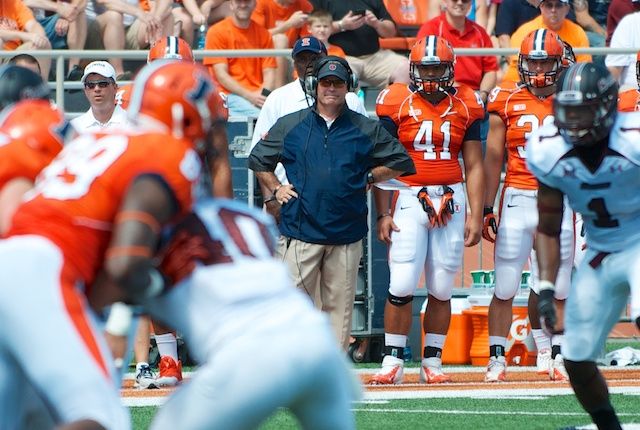
Image Source: blog.jobsinsports.com
The Path to Coaching: Building Your Foundation
The road to becoming a college football coach is rarely a straight line. It’s a process built on incremental steps, learning from mentors, and continuously honing your craft.
1. Playing Experience: The Athletic Background
While not always a strict prerequisite, playing college football provides invaluable insight into the game.
- Gaining a Deep Grasp of the Game: Players experience the physical and mental demands firsthand. They learn the intricacies of football play calling, offensive and defensive schemes, and the importance of teamwork.
- Developing Discipline and Work Ethic: The rigorous schedule of a student-athlete instills qualities crucial for a coaching career.
- Building Relationships: Playing alongside and competing against future coaches and players can form a strong networking foundation.
However, if playing wasn’t an option, don’t despair. A deep understanding of the game, coupled with coaching certifications and clinics, can still open doors.
2. Education: The Academic Cornerstone
A college degree is generally a minimum requirement for coaching at the collegiate level.
- Bachelor’s Degree: Most universities require a bachelor’s degree. A degree in physical education, sports management, kinesiology, or a related field is common.
- Master’s Degree: For advancement, especially into coordinator roles or higher-level programs, a master’s degree is often preferred or even required. This could be in sports administration, education, or a specialized coaching field.
- Coaching Certifications: Various organizations offer coaching certifications that can enhance your credibility and knowledge. These often cover specific aspects of coaching, safety, and player development.
3. Gaining Coaching Experience: The Practical Application
This is where the theoretical knowledge translates into real-world application.
3.1. Starting at the Lower Levels
- High School Coaching: This is often the first rung on the ladder. It allows you to develop fundamental coaching skills, manage a team, and learn the basics of game strategy and player development. Many successful college coaches began their careers here.
- Youth Football: Coaching younger players can teach you patience, how to explain complex concepts simply, and the importance of instilling good habits from the start.
3.2. Coaching Internships and Volunteer Roles
- Internships: Actively seek out coaching internships with college programs. These are often unpaid but offer invaluable hands-on experience and a chance to learn from experienced coaches. You might assist with drills, film study, and team operations.
- Volunteer Coaching: Similar to internships, volunteering allows you to immerse yourself in a college program without the pressure of a paid position.
3.3. Moving Up the Ranks: Assistant Coach Roles
- Graduate Assistant (GA): This is a common entry point into college coaching. GAs typically receive tuition assistance and a small stipend in exchange for helping with various coaching duties, film breakdown, and recruiting. This is a crucial period for learning and networking.
- Volunteer Assistant Coach: Some programs offer unpaid volunteer positions for individuals looking to gain experience. These roles can be demanding but provide direct exposure to college-level coaching.
- Quality Control Coach: This role often focuses on analytics, opponent film breakdown, and assisting coordinators with scheme development. It’s a vital behind-the-scenes position.
- Director of Player Development: This role focuses on the off-field aspects of player growth, including academics, life skills, and community service.
4. Specialization and Skill Development
As you progress, developing expertise in a specific area is vital for career advancement.
- Offensive Coordinator: Responsible for designing and implementing the offensive game plan, football play calling during games, and developing offensive players.
- Defensive Coordinator: Oversees the defensive schemes, play calling, and player development on the defensive side of the ball.
- Special Teams Coordinator: Manages all aspects of special teams play, including punting, kicking, and returns.
5. The Art of Recruiting: Finding the Talent
Recruiting is the lifeblood of any college football program. A successful coach must be an adept recruiter.
- Football Scouting: Developing the ability to identify talent, evaluate players’ strengths and weaknesses, and project their potential at the college level is paramount. This involves watching countless hours of film and attending high school games.
- Recruiting Coordinator: This role is central to a program’s success. The recruiting coordinator manages the recruiting process, identifies top prospects, builds relationships with high school coaches and players, and organizes official and unofficial visits.
- Building Relationships: Genuine connections with recruits, their families, and their high school coaches are key. Trust and rapport are essential.
- Understanding NCAA Rules: Navigating the complex NCAA regulations regarding recruiting is critical to avoid violations.
6. Networking: Building Your Connections
College football is a tight-knit community. Building and maintaining relationships is crucial for career progression.
- Connect with Mentors: Identify experienced coaches you admire and seek their guidance and advice.
- Attend Coaching Clinics and Conferences: These events offer opportunities to learn new strategies, hear from industry leaders, and meet other coaches.
- Maintain Relationships: Stay in touch with former coaches, teammates, and colleagues.
7. Demonstrating Coaching Prowess: Beyond the X’s and O’s
While tactical knowledge is important, effective coaching involves much more.
- Coaching Staff Development: A successful head coach fosters a positive and productive environment for their coaching staff development. This includes providing opportunities for growth, mentorship, and shared learning among assistants.
- Player Development: Inspiring and guiding players to reach their full potential, both athletically and personally.
- Communication Skills: Clearly articulating strategies, providing feedback, and motivating players and staff.
- Leadership: Inspiring confidence, making tough decisions, and representing the program with integrity.
8. Climbing the Ladder: Progression Towards Head Coach
The ultimate goal for many is to become a Head Coach. This role comes with significant responsibility and demands a comprehensive skill set.
8.1. Head Coach Qualifications
- Proven Track Record: Demonstrated success as an assistant coach, particularly as an offensive coordinator or defensive coordinator, is highly valued.
- Strong Recruiting Ability: The capacity to attract and sign top talent is essential.
- Leadership and Management Skills: The ability to manage a large staff, budget, and the overall program.
- Strategic Vision: A clear understanding of how to build and sustain a winning culture.
- Public Relations Skills: Representing the university and the football program effectively to the media and the public.
8.2. The Transition to Head Coach
- Coordinator Roles: Excelling as an Offensive or Defensive Coordinator is often a stepping stone to head coaching opportunities.
- Associate Head Coach: Some programs use this title for experienced assistants who are groomed for future head coaching roles.
- Interview Process: Becoming a head coach involves a rigorous interview process that typically includes presenting your coaching philosophy, game strategy, and vision for the program.
Key Skill Sets for College Football Coaches
To succeed in college football coaching, a diverse range of skills is necessary.
Technical Skills
- Football Strategy: Deep knowledge of offensive and defensive schemes, special teams, and game strategy adjustments.
- Play Calling: The ability to make effective and timely play calls during a game.
- Film Study and Analysis: Proficiency in breaking down game film to identify strengths, weaknesses, and opponent tendencies.
- Player Evaluation: Skill in football scouting and assessing talent for recruitment and development.
Interpersonal Skills
- Communication: Clear and effective communication with players, staff, recruits, and administration.
- Mentorship: Guiding and developing players beyond just their athletic abilities.
- Motivation: Inspiring players to perform at their best.
- Team Building: Fostering a cohesive and positive team environment.
- Conflict Resolution: Addressing and resolving disputes among players or staff.
Management Skills
- Time Management: Balancing coaching duties, recruiting, and administrative tasks.
- Organizational Skills: Keeping track of player progress, recruiting leads, and team logistics.
- Budget Management: Overseeing the program’s finances, especially at higher levels.
- Staff Management: Leading and developing the coaching staff.
The Role of Technology in Modern Coaching
Technology plays an increasingly significant role in college football.
- Hudl and Similar Platforms: Essential for film breakdown, player analytics, and scouting reports.
- Data Analytics: Using statistical data to inform game strategy and player performance.
- Communication Tools: Platforms for team communication, scheduling, and playbook distribution.
- Recruiting Software: Tools to manage recruit information, track contact, and organize visits.
Career Progression: A Sample Trajectory
Here’s a general idea of how a coaching career might unfold:
| Role | Typical Responsibilities | Key Focus Areas |
|---|---|---|
| Graduate Assistant | Film breakdown, assisting with drills, recruiting support, scout team preparation. | Learning the fundamentals of coaching, building relationships, gaining exposure. |
| Volunteer Coach | Similar to GA but often without stipend or tuition; intensive learning opportunity. | Hands-on experience, proving commitment, developing specific skills. |
| Quality Control Coach | Opponent film analysis, statistical breakdown, assisting coordinators with scheme preparation. | Analytical skills, attention to detail, strategic input. |
| Assistant Coach | Coaching a specific position group (e.g., Wide Receivers Coach, Linebackers Coach), recruiting a specific area. | Position-specific technique, player development, recruiting specific talent. |
| Recruiting Coordinator | Overseeing the entire recruiting process, identifying and evaluating talent, managing recruiting staff. | Football scouting, relationship building, NCAA compliance. |
| Offensive/Defensive Coordinator | Designing and implementing game plans, football play calling, managing offensive/defensive staff. | Game strategy, scheme development, leadership of a unit. |
| Associate Head Coach | Assisting the Head Coach in all aspects, potentially taking on specific administrative duties, mentoring younger coaches. | Leadership, program management, preparation for head coaching roles. |
| Head Coach | Overall program management, game strategy, staff hiring and development, recruiting oversight, public face of the team. | Vision, leadership, accountability, building a winning culture. |
Frequently Asked Questions (FAQ)
Q1: How long does it typically take to become a college football coach?
A1: The timeline can vary significantly. It often takes 5-10 years of consistent work, starting from entry-level positions like a graduate assistant, to reach a coordinator role. Becoming a head coach can take even longer, depending on performance, networking, and available opportunities.
Q2: Do I need a specific degree to be a college football coach?
A2: While a bachelor’s degree is generally required, the specific major can be flexible. Degrees in fields like kinesiology, sports management, education, or exercise science are common. More important is a deep knowledge of football and strong coaching abilities.
Q3: Can I become a college football coach without playing college football?
A3: Yes, it is possible. While playing experience offers unique advantages, exceptional coaching acumen, a strong understanding of strategy, effective recruiting skills, and a willingness to learn can compensate. Many successful coaches did not play at the collegiate level.
Q4: What are the most important skills for an aspiring college football coach?
A4: Key skills include deep knowledge of game strategy, excellent communication, strong football scouting abilities, effective player development, and a solid understanding of recruiting principles. Leadership and the ability to build strong relationships are also critical.
Q5: What is the role of an assistant coach?
A5: An assistant coach typically works under a coordinator or head coach, focusing on coaching a specific position group, assisting with football play calling, player development, and recruiting. They are integral to the day-to-day operations and on-field coaching of the team.
Q6: How important is networking in college football coaching?
A6: Networking is extremely important. Building relationships with other coaches, mentors, and figures within the sport can lead to opportunities, provide valuable insights, and open doors for advancement. Attending clinics and staying connected with former colleagues are essential networking strategies.
Q7: What differentiates a Head Coach from other coaching positions?
A7: A Head Coach is ultimately responsible for the entire football program. This includes setting the overall game strategy, managing the coaching staff, overseeing recruiting, handling administrative duties, and being the public face of the team. They hold the highest level of decision-making authority and accountability within the program.
Q8: How do coaches develop their coaching staff?
A8: Coaching staff development involves mentorship, providing opportunities for learning and growth, encouraging continued education through clinics and workshops, and fostering a collaborative environment where coaches can share knowledge and strategies. Effective delegation and feedback are also key components.