
Becoming a football scout involves developing a keen eye for talent, learning player assessment techniques, and building a strong network. You can become a football scout by gaining experience in football, networking with professionals, and proving your ability to identify promising players through diligent work.
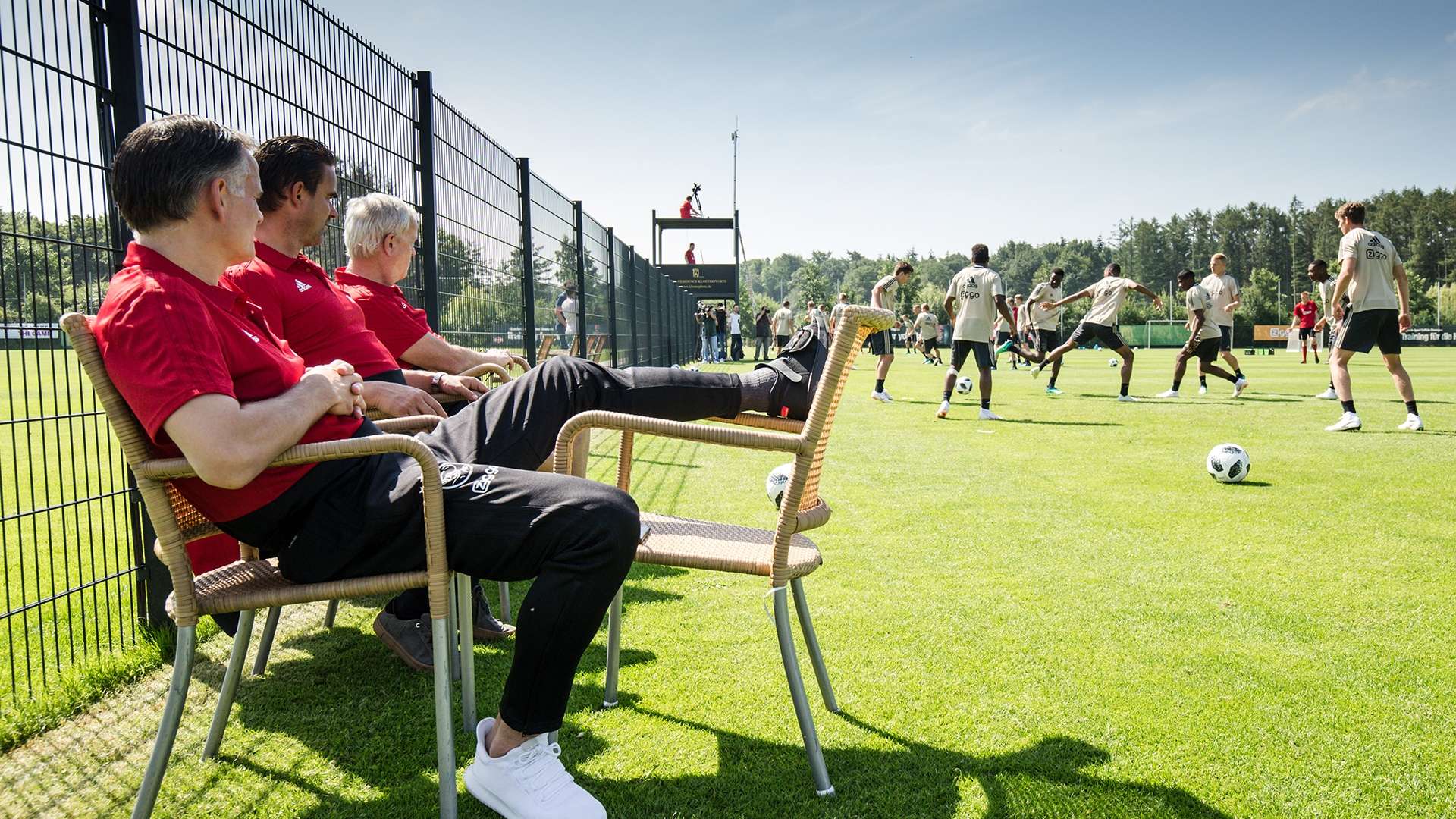
Image Source: assets.goal.com
Embarking on the Journey to Become a Football Scout
The world of professional football is a vast ecosystem, and at its heart lies the crucial role of the football scout. These individuals are the eyes and ears of clubs, tasked with discovering and assessing talent that can shape the future of the sport. If you’ve ever watched a match and thought, “I could spot that player’s potential,” this guide is for you. It delves into the multifaceted path of becoming a football scout, from initial interest to professional football scouting.
What Does a Football Scout Do?
At its core, a football scout is a talent identifier. They watch games at various levels, from youth football development to senior leagues, to find players who possess the skills, mentality, and potential to succeed at a higher level. This involves much more than just watching a game; it requires a deep analytical approach to player assessment, understanding tactical nuances, and recognizing individual brilliance within team structures. They also build relationships within the football community, forming a crucial scouting network.
The Foundation: Passion and Knowledge
Before diving into the mechanics, it’s essential to establish a solid foundation.
- Deep Love for the Game: This might seem obvious, but a genuine passion for football is non-negotiable. You need to live and breathe the sport to dedicate the countless hours required.
- Extensive Football Knowledge: This includes knowing different playing styles, tactical formations, player strengths and weaknesses, and the current trends in the game. Familiarity with various leagues and age groups is also vital.
- Observational Skills: The ability to watch a game and extract meaningful information is paramount. This isn’t just about watching the ball; it’s about observing player positioning, decision-making, off-the-ball movement, and body language.
The Path to Professional Football Scouting
There isn’t one single, rigidly defined pathway to becoming a football scout. However, several common routes and essential steps will significantly increase your chances.
1. Gaining Experience at the Grassroots Level
The journey often begins at the amateur and youth levels. This is where you can hone your skills without the pressure of a professional club.
- Playing Experience: While not strictly mandatory, having played the game, even at a respectable amateur level, provides invaluable insight into the demands, pressures, and on-field decision-making processes. It helps you empathize with players and understand the technical and physical requirements.
- Volunteering with Local Clubs: Offer your time to a local youth team. This could involve assisting the coach, managing kit, or even helping with basic training sessions. This hands-on involvement gives you exposure to youth football development and the challenges faced by young players.
- Coaching: Pursuing a football coaching pathway can be highly beneficial. Coaching forces you to break down the game, understand player development, and identify areas for improvement. Coaching badges, such as those offered by national football associations, demonstrate a commitment to learning and provide structured knowledge.
- Local Scouting Roles: Many smaller clubs or local leagues might welcome individuals who can help identify talented players within their area. This could be informal, but it’s a starting point for your scouting report development.
2. Developing Your Scouting Acumen: Player Assessment
The art of player assessment is central to football scouting. It’s a skill that is honed over time through practice and analysis.
Key Attributes to Assess:
- Technical Skills: Ball control, passing accuracy, dribbling ability, shooting technique, heading, tackling.
- Tactical Awareness: Positional understanding, decision-making, reading the game, ability to adapt to different formations and game situations.
- Physical Attributes: Speed, agility, strength, stamina, aerial ability, injury resilience.
- Mental Attributes (The “X-Factor”): Determination, work rate, leadership, composure under pressure, coachability, resilience, attitude, discipline. These are often the hardest to quantify but are crucial for long-term success.
How to Practice Player Assessment:
- Watch Matches Analytically: Don’t just watch for goals. Focus on specific players. What are they doing when they don’t have the ball? How do they react to mistakes? How do they communicate with teammates?
- Create Your Own Scouting Reports: Even if you don’t have a formal role, start writing scouting reports on players you watch. Detail their strengths, weaknesses, potential, and areas for development. This process trains your mind to identify and articulate key aspects of a player’s performance.
- Compare Players: Watch players in similar positions and compare their attributes and decision-making. This helps you develop a benchmark and a nuanced understanding of what makes a player stand out.
3. Building Your Scouting Network
Football is a people business, and a strong scouting network is vital for career progression.
- Connect with Coaches: Coaches at all levels have a deep understanding of players and often know who is performing well. Building rapport with them can provide leads and insights.
- Engage with Other Scouts: Attend football events, seminars, and workshops. Introduce yourself and discuss the game. Other scouts can be valuable sources of information and potential future colleagues.
- Utilize Social Media: Platforms like LinkedIn and Twitter can be useful for connecting with professionals in the football industry. Share your insights and engage in discussions.
- Attend Scouting Courses and Seminars: Many organizations offer courses specifically designed to teach scouting principles and player assessment techniques. These are excellent opportunities to learn from experienced professionals and expand your network.
4. Formal Education and Qualifications
While experience is key, formal education can provide a structured framework and enhance your credibility.
- Sports Science and Coaching Degrees: Degrees in sports science, coaching, or sports management can provide a scientific and pedagogical basis for player assessment and development.
- Specific Scouting Courses: As mentioned, specialized courses in football scouting and talent identification are increasingly available. These often cover methodology, analysis tools, and the practical aspects of the job.
- FA Coaching Badges: As part of a football coaching pathway, obtaining coaching licenses (e.g., FA Level 1, 2, 3) demonstrates a commitment to football education and offers a deeper insight into player development.
5. Getting Your Foot in the Door: Entry-Level Roles
Breaking into professional football scouting requires persistence and the willingness to start at the bottom.
- Assistant Scout: Many clubs look for individuals to assist their senior scouts. This might involve compiling data, watching specific junior age groups, or attending local matches.
- Academy Scouting: Football academies are always on the lookout for young talent. Entry-level roles here can be a great way to learn the processes of talent identification within a structured environment.
- Independent Scouting: Some scouts work on a freelance basis, providing reports to multiple clubs. This requires building a reputation for reliable and accurate assessments.
6. The Art of the Scouting Report
A well-crafted scouting report is the primary tool of a football scout. It’s your way of communicating your findings and justifying a player’s potential.
Elements of a Comprehensive Scouting Report:
- Player Details: Name, age, position, current club, date of birth, preferred foot.
- Match Details: Date, competition, venue, score, opponent.
- Performance Summary: An overall assessment of the player’s performance in the observed match.
- Technical Assessment: Detailed analysis of their skills (e.g., passing range, dribbling success rate, defensive duels won).
- Tactical Assessment: How well they understand their role, positioning, decision-making in different phases of play.
- Physical Assessment: Stamina, speed, strength, agility, aerial ability.
- Mental Assessment: Attitude, work rate, leadership, response to pressure.
- Strengths: Key attributes that make the player stand out.
- Weaknesses: Areas where the player needs to improve.
- Potential: An estimation of how good the player could become, often categorized (e.g., First Team Squad Player, Squad Rotation, Future Star).
- Recommendation: Whether the club should pursue the player further (e.g., “Monitor,” “Invite for Trial,” “Priority Target”).
Table: Example of a Player Assessment Scale
| Attribute | 1 (Poor) | 2 (Below Average) | 3 (Average) | 4 (Good) | 5 (Excellent) |
|---|---|---|---|---|---|
| Passing (Short) | X | ||||
| Dribbling | X | ||||
| Vision | X | ||||
| Work Rate | X | ||||
| Composure | X |
Table: Key Components of a Scouting Report
| Section | Description |
|---|---|
| Player Identity | Basic information about the player being assessed. |
| Match Context | Details of the game in which the player was observed. |
| Performance | A holistic overview of how the player performed in that specific match. |
| Technical Skills | Evaluation of fundamental footballing abilities. |
| Tactical Acumen | Assessment of the player’s football intelligence and understanding of the game. |
| Physical Traits | Analysis of the player’s athletic capabilities. |
| Mental Strength | Examination of the player’s psychological makeup and character. |
| Strengths | Highlighting the player’s most prominent and positive attributes. |
| Weaknesses | Identifying areas where the player needs development and improvement. |
| Potential Rating | A projected outlook on the player’s future capabilities and ceiling. |
| Recommendation | A conclusive statement on the next steps the club should consider regarding the player. |
7. Continuous Learning and Adaptation
The game of football is constantly evolving, and so too must the scout.
- Stay Updated: Keep abreast of new tactical trends, training methodologies, and player development philosophies.
- Learn from Feedback: If you are working with a club, actively seek feedback on your reports and assessments. Use this to refine your approach.
- Analyze Data: In modern football, data analytics plays an increasingly important role. Familiarize yourself with performance metrics and how they can complement your qualitative assessments.
- Observe Different Leagues and Styles: Don’t limit yourself to one league or country. Exposure to different playing styles and cultural approaches to the game will broaden your perspective.
The Role of Technology in Scouting
Technology has transformed football scouting, providing new tools for data analysis and player tracking.
- Video Analysis Software: Platforms that allow for tagging specific actions, creating highlight reels, and analyzing player movements are invaluable.
- Data Analytics Platforms: Websites and software that provide detailed player statistics, performance metrics, and head-to-head comparisons.
- Global Scouting Databases: Online platforms that aggregate player information and video footage from around the world, enabling broader talent identification.
Challenges Faced by Football Scouts
The life of a football scout is not always glamorous. It involves significant challenges:
- Long Hours and Travel: Scouts often spend weekends and evenings watching games, and significant time traveling to different venues, sometimes even internationally.
- Pressure to Find “The Next Big Thing”: Clubs invest heavily in players, so the pressure to identify talent that will perform and provide a return on investment is immense.
- Subjectivity in Assessment: While data helps, football remains a game where subjective judgment plays a significant role. Different scouts may have different opinions on the same player.
- Competition: The field is competitive, and landing a permanent role with a reputable club requires consistent performance and a strong reputation.
- Dealing with Disappointment: Not every player you identify will reach their potential, and not every recommendation will be acted upon. Learning to handle these setbacks is crucial.
Specializing in Scouting Areas
As your career progresses, you might choose to specialize in particular areas:
- Youth Scouting: Focusing on identifying and developing young talent within academies. This involves a deep understanding of youth football development and age-appropriate progression.
- Opposition Scouting: Analyzing upcoming opponents to provide tactical insights for the coaching staff. This requires a different skill set, focusing on team formations, player strengths within the opponent’s structure, and set-piece routines.
- International Scouting: Identifying talent in foreign leagues, which involves navigating different footballing cultures, languages, and visa regulations.
- Data Scouting: An emerging role that focuses on analyzing statistical data to identify players who might be overlooked by traditional scouting methods.
The Future of Football Scouting
The role of the football scout is likely to continue evolving. The integration of advanced analytics, AI-driven insights, and more sophisticated video analysis tools will become increasingly important. However, the fundamental human element – the ability to recognize intangible qualities like drive, intelligence, and potential – will always remain at the heart of successful football scouting.
Becoming a football scout is a rewarding but demanding career. It requires dedication, continuous learning, and a genuine love for the beautiful game. By following these steps, building your skills, and persistently pursuing opportunities, you can carve out a successful career in professional football scouting.
Frequently Asked Questions (FAQ)
Q1: Do I need to have played professional football to be a scout?
A1: No, you do not need to have played professional football. While playing experience can be beneficial, it’s not a strict requirement. A deep understanding of the game, excellent observational skills, strong analytical abilities, and a proven track record of identifying talent are more important. Many successful scouts have come from coaching or have developed their expertise through extensive observation and study.
Q2: What kind of education is most helpful for becoming a football scout?
A2: While there isn’t one mandatory degree, education in sports science, coaching, sports management, or a related field can be very helpful. Additionally, specialized courses in football scouting and talent identification offer practical skills and industry knowledge. Obtaining coaching badges as part of a football coaching pathway also demonstrates a commitment to learning about player development.
Q3: How can I gain experience if I’m not playing or coaching?
A3: You can gain experience by volunteering with local football clubs, especially youth teams. Offer to help with match analysis, observing players, or assisting the coaching staff. Start writing your own scouting reports on players you watch in local leagues or online. Networking with people already in the football industry can also open doors to informal opportunities.
Q4: How important is networking in football scouting?
A4: Networking is incredibly important. The football world is built on relationships. Building connections with coaches, other scouts, agents, and club officials can provide you with leads, insights, and opportunities that you might not find otherwise. Your scouting network is a vital resource for information and career advancement.
Q5: What are the key qualities of a good football scout?
A5: Key qualities include exceptional observational skills, strong analytical abilities, excellent communication (especially written for scouting reports), a deep understanding of the game, patience, persistence, integrity, a strong work ethic, and the ability to identify not just technical skills but also mental attributes and potential.
Q6: How do I get my first scouting job?
A6: Your first job might be an unpaid or low-paid assistant role. Look for opportunities with local clubs, academies, or even smaller professional teams. Highlight any experience you have, whether it’s from playing, coaching, volunteering, or personal analysis. Demonstrate your passion and your ability to deliver insightful scouting reports. Attending scouting courses can also help you connect with potential employers.
Q7: What technology is commonly used in modern football scouting?
A7: Modern scouts utilize video analysis software to break down performances, data analytics platforms for statistical insights into player performance, and global scouting databases for player information and footage. These tools help to complement traditional on-the-ground observation.