
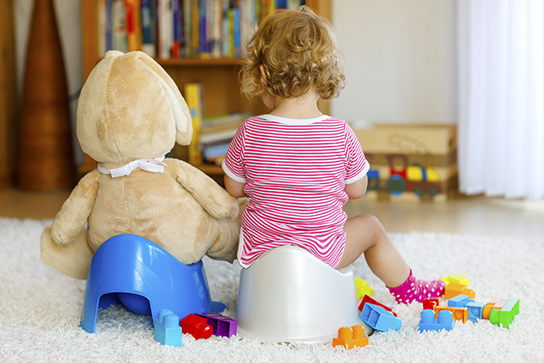
Image Source: health.ucdavis.edu
Your Guide: How Do You Potty Train A Toddler Easily
Potty training a toddler easily means watching for signs they are ready, choosing a simple method, using positive rewards, and being very patient. It is a big step for both you and your child. This guide will walk you through each part of the process. You will find tips to make it a smoother journey.
Spotting the Signs: Potty Training Readiness
Before you start, look for potty training readiness signs. These are clues that your child is ready to learn. Starting when your child is ready makes the process easier. Trying too soon can make it harder.
Physical Signs
Your child’s body needs to be ready.
* They stay dry for longer times. This means they are dry for at least 2 hours. They may also be dry after naps.
* They have regular bowel movements. These happen at certain times each day.
* They can walk to the potty. They can pull down their pants. They can pull them up again.
* They can sit still for a few minutes. This helps them stay on the potty.
Cognitive Signs
Your child’s mind also needs to be ready.
* They can follow simple orders. For example, “Go get your toy.”
* They can tell you they need to go. They might use words like “potty” or “pee.” They might use a sign.
* They show interest in the potty. They might ask about it. They might watch you use the toilet.
* They understand what the potty is for. They know it is for pee and poop.
Behavioral Signs
Watch how your child acts.
* They show discomfort when their diaper is wet or dirty. They might pull at it. They might try to take it off.
* They tell you their diaper is dirty. They might say, “Poopy diaper!”
* They hide to pee or poop. They might go to a quiet corner. This means they know what is happening.
* They want to be like you. They want to wear underwear. They want to use the big toilet.
Emotional Signs
Feelings are important too.
* They want to please you. They like praise when they do something well.
* They show independence. They like to do things by themselves.
* They are not going through big changes. Things like a new baby or moving can make potty training harder.
Here is a simple list to check for potty training readiness signs:
| Sign Type | Check if True |
|---|---|
| Physical | Stays dry for 2+ hours or after naps? |
| Has predictable bowel movements? | |
| Can walk, run, and sit down? | |
| Can pull pants up and down? | |
| Cognitive | Follows simple two-step directions? |
| Can say words or signs for “pee” or “poop”? | |
| Shows interest in the toilet or underwear? | |
| Understands what the potty is for? | |
| Behavioral | Shows discomfort with wet/dirty diapers? |
| Hides to pee or poop? | |
| Asks to use the potty or wear underwear? | |
| Emotional | Likes to do things for themselves? |
| Seeks praise for accomplishments? | |
| Is not going through major life changes? |
If your child shows many of these signs, they are likely ready. If not, wait a bit. Trying to force it will not help.
Starting the Journey: How to Start Potty Training
Once you see the signs, you can begin. Knowing how to start potty training sets a good tone. Take it step by step.
Gather Your Tools
Get ready with the right things.
* A potty chair or seat: Some kids like a small potty chair. It lets their feet touch the floor. Others like a special seat on the big toilet. Let your child pick.
* Easy-to-remove clothes: Loose pants or skirts are best. Avoid tricky buttons or zippers.
* Lots of underwear: Once you start, you will need many pairs.
* Rewards: Stickers, small toys, or extra screen time work well. Praise is also a great reward.
* Books about potty training: Reading together can make it fun. It helps them understand.
Talk About It
Start talking about potty training.
* Use simple, clear words. Say “pee” and “poop.” Use words your child understands.
* Explain what the potty is for. Say, “This is where we go potty.”
* Read books about potty training. Look at pictures together.
* Let them see you use the toilet. This can help them learn.
Introduce the Potty
Put the potty chair in a place they can easily get to. The bathroom is common. Some put it in the play area at first.
* Let them sit on it with clothes on. Do not make them. Just let them get used to it.
* They can put a doll or stuffed animal on it. This makes it a game.
* Do not push them to use it right away. The goal is to make it feel normal.
Make it Fun
Potty training should be a positive time.
* Sing songs about the potty.
* Celebrate small steps. Even sitting on the potty is a win.
* Make it a game. “Let’s see if we can get the pee in the potty!”
Top Ways to Teach: Best Potty Training Methods
There are different best potty training methods. No single method works for every child. Choose one that fits your child’s personality and your family’s style.
Child-Led Approach
This method waits for your child to show all readiness signs. It is gentle and takes time.
* How it works: You offer the potty. Your child decides when to use it. You do not push or force.
* Pros: Less pressure. Fewer power struggles. Your child feels in control.
* Cons: Can take a long time. You might wait longer for success.
* Best for: Children who like to do things their way. Children who resist being told what to do.
Parent-Led Approach
This method is more structured. You guide your child more directly.
* How it works: You set a time to start. You take your child to the potty often. You remind them to go.
* Pros: Can be quicker. You feel more in charge.
* Cons: Can create pressure. Might lead to more potty training refusal if not done gently.
* Best for: Children who respond well to routine. Parents who like a clear plan.
Intensive Training: The 3 Day Potty Training Method
Some parents try a very fast method. This is often called 3 day potty training. It needs a lot of focus and time.
What it Is
The 3 day potty training method aims to teach a child to use the potty in a short, intense period. You spend 3 full days at home, focused only on potty training.
Is it for You?
This method works best for children who are very ready. They should show most or all readiness signs. It also needs parents to be fully free for 3 days. No outings. No big distractions.
Steps for 3 Day Potty Training
-
Preparation:
- Get rid of all diapers. This means no diapers, not even pull-ups.
- Let your child pick out new underwear. Make it exciting.
- Have a small potty chair ready. Place it where your child spends most of their time.
- Stock up on drinks and salty snacks. This makes them pee more often.
- Have lots of rewards ready. Stickers, small toys, or games.
- Clear your schedule for 3 full days.
-
Day 1: The “Naked” Day
- Your child wears no pants or underwear. This helps them feel when they need to go. They will notice when they start to pee.
- Give them lots to drink.
- Take them to the potty every 15-20 minutes. Tell them, “Let’s try to go potty.” Do not ask, tell.
- If they pee on the floor, say “Oops! Pee goes in the potty.” Quickly move them to the potty. Have them finish there.
- Give huge praise for any pee or poop in the potty.
- Keep it positive and fun.
-
Day 2: Underwear Introduction
- Today, your child wears their new underwear.
- Continue offering drinks.
- Take them to the potty every 20-30 minutes.
- Expect
accidents during potty training. Handle them calmly. Remind them pee goes in the potty. - Keep praising success loudly.
-
Day 3: Practice and Outings
- Your child wears underwear.
- Continue regular potty breaks.
- Try a short trip out. Maybe to the mailbox or a quick store run.
- Make sure to offer the potty before you leave. Do it again right when you get back.
- Keep a change of clothes and a travel potty in your bag.
- Focus on consistency.
Important Note for 3 Day Training: This method can be intense. It can also lead to frustration if your child is not ready. If it is not working after a day, it might not be the right time.
Smart Moves: Toddler Potty Training Tips for Success
No matter what method you choose, these toddler potty training tips will help. They focus on positive support and patience.
Stay Calm and Positive
This is the most important tip.
* Praise effort: Always praise your child for trying. Say, “You sat on the potty! Good job!”
* Celebrate success: When they pee or poop in the potty, cheer loudly. Give a high-five.
* Avoid anger: Do not get angry or upset if they have an accident during potty training. This can make them scared to try. It can make them hold it in.
* Use gentle words: “It’s okay. Accidents happen. Next time, let’s try the potty.”
Make a Potty Training Schedule
A potty training schedule creates a routine. Children love routine.
* Regular trips: Take your child to the potty often. Every 1-2 hours is a good start.
* Key times: Always offer the potty at these times:
* First thing in the morning.
* Before and after naps.
* Before leaving the house.
* Before bedtime.
* After meals (for poops).
* Listen to cues: Even with a schedule, watch for your child’s signs. If they start wiggling or holding themselves, take them right away.
Use Rewards
Rewards can be a great motivator.
* Sticker chart: A simple sticker chart works well. Each time they use the potty, they get a sticker. After a certain number, they get a small prize.
* Verbal praise: “You did it! I am so proud of you!”
* High-fives and hugs: Physical affection works wonders.
* Small treats: A favorite cracker or a few sips of juice.
* Avoid big rewards: Do not use candy or big toys too often. The goal is for them to feel proud of themselves.
Dress for Success
Make it easy for your child to get their clothes off quickly.
* Loose clothing: Choose pants with elastic waistbands. Skirts and dresses are easy.
* Avoid tricky clothes: Overalls, belts, or tight jeans make it hard.
* Underwear: Once you commit to underwear, stick with it. Pull-ups can be confusing. They feel too much like a diaper.
Handle Accidents During Potty Training
Accidents during potty training are normal. Every child has them.
* Stay calm: Do not show anger or disappointment.
* Clean it up together: Have your child help wipe up. This teaches them about responsibility. It is not a punishment.
* Change clothes: Help them change into dry clothes.
* Quick reminder: “Pee goes in the potty.” Do not scold.
* Protect surfaces: Use waterproof covers on beds or furniture.
Keep it Clean
Make sure the potty is always clean. A dirty potty can be a turn-off for a child.
* Wipe it down after each use.
* Empty it right away if it’s a potty chair.
* A clean space makes them want to use it more.
Involve Your Child
Let your child be part of the process.
* Let them choose their potty chair or seat.
* Let them pick out new underwear.
* Let them flush the toilet if they want.
* This gives them a sense of control. It makes them feel more ready.
Handling Setbacks: Potty Training Regression
Sometimes, a child who was using the potty well starts having accidents again. This is called potty training regression. It can be frustrating, but it is common.
What is Regression?
Regression means going backward. Your child might suddenly start having many accidents. They might refuse to use the potty. They might even ask for diapers again.
Common Reasons for Regression
Many things can cause regression.
* Stress: A new baby, moving, a new school, or family problems can cause stress. Even small changes can affect them.
* Illness: Being sick can make them forget their potty skills. A UTI (urinary tract infection) can also cause accidents.
* Seeking attention: Sometimes, kids have accidents to get your attention. Even negative attention is attention.
* Too much pressure: If you are pushing too hard, they might rebel.
* Developing new skills: Learning to ride a bike or talk more can take a lot of brain power. Potty training might take a back seat.
* Changes in routine: Vacations or different caregivers can disrupt their schedule.
How to Help Your Child
Stay calm and supportive.
* Go back to basics: Return to the simple steps. Use rewards. Offer the potty often.
* Reduce pressure: Do not push or scold. Keep the tone light.
* Address the cause: Try to figure out what caused the change. If it is stress, help them talk about it. If it is illness, see a doctor.
* Reassure them: Tell them it is okay. Remind them you are proud of them.
* Temporary diapers: If the regression is very strong, use diapers for a short time. This gives them a break. Then try again after a few weeks.
* Consistency: Stick to your routine as much as possible.
When They Say No: Dealing with Potty Training Refusal
It is normal for toddlers to say “no.” Dealing with potty training refusal needs patience and smart moves.
Why Refusal Happens
- Power struggle: Toddlers want control. Saying “no” to the potty is a way to feel in charge.
- Fear: They might be scared of falling in. They might fear the flush. They might worry about the feeling of letting go of poop.
- Not ready: They might simply not be ready yet.
- Discomfort: They might have constipation. This makes pooping hurt. So they try to hold it in.
Gentle Ways to Respond
- Do not force: Never make your child sit on the potty. This can cause more refusal. It makes them fear the potty.
- Offer, do not ask: Instead of “Do you need to go potty?” say “Time to try the potty.” Or, “Let’s go sit on the potty now.”
- Make it fun: Read books on the potty. Sing a song. Bring a small toy.
- Give choices: “Do you want to use the small potty or the big potty?” “Do you want to go before or after this song?”
- Take a break: If refusal is strong, take a break from potty training. Put them back in diapers for a few weeks. Then try again later. This break can help.
- Check for constipation: If your child holds poop, talk to your doctor. Help them have soft bowel movements.
When to Take a Break
If your child is refusing a lot, or if they are very upset, it is okay to stop.
* A break can be for a few days. It can be for a few weeks.
* Tell your child, “Okay, we will take a break from the potty for a while.”
* Do not make them feel bad.
* Come back to it when things are calm. Watch for readiness signs again.
Sleeping Dry: Nighttime Potty Training
Potty training during the day is different from nighttime potty training. Night dryness takes longer. It happens when their body is ready.
When to Begin Night Training
- Wait for natural dryness: Most children are not ready for dry nights until age 4, 5, or even older. Do not rush this.
- Look for dry diapers: Your child should wake up with a dry diaper most mornings. This means their bladder is big enough. It means they can hold their pee all night.
- Family history: If you or your partner wet the bed late, your child might too. This is often genetic.
Steps for Night Training
- Reduce drinks before bed: Limit liquids in the hour or two before sleep. Give plenty during the day.
- Potty before bed: Make a trip to the potty part of the bedtime routine. Even if they do not pee, it is good practice.
- Use waterproof covers: Put a waterproof cover on their mattress. This saves your bed from
accidents during potty training. - No punishment: Never punish a child for wetting the bed. It is not their fault.
- Be patient: Night dryness can take months or years. It is a slow process.
Tools for Night Training
- Waterproof mattress cover: Essential for protecting the bed.
- Easy access to potty: If they wake up and need to go, make it easy. A nightlight can help. A small potty chair in the room might be good.
- Special pajamas: Some kids like absorbent underwear (like Pull-Ups or GoodNites) for sleep. These can help keep the bed dry. They can be confusing if you are trying to ditch diapers completely. Use them if you need them for your peace of mind.
Be Patient at Night
Nighttime dryness depends on a child’s body development. It is not something you can teach them. It is something their body learns when ready. Keep supporting them. Tell them it will happen when their body is ready.
Final Thoughts on Potty Training
Potty training is a major step. It needs patience, consistency, and a positive outlook. Every child is different. Some learn quickly. Others take more time. Do not compare your child to others. Focus on their readiness. Celebrate their efforts. Handle setbacks with kindness. With time and support, your child will get there. Remember, accidents during potty training are normal. Potty training regression can happen. Dealing with potty training refusal is part of the journey. Keep your cool. Your child will soon be celebrating their own dry successes.
Frequently Asked Questions (FAQ)
How long does potty training usually take?
The time varies greatly. Some children learn quickly in a few days or weeks. Others may take several months, especially for full daytime and nighttime dryness. The key is readiness.
What if my child still has accidents often?
Accidents during potty training are very common. If your child has many accidents, rethink your approach. Are they truly ready? Are you putting too much pressure on them? Go back to basics. Praise effort. Offer the potty often. If you have concerns, talk to your child’s doctor.
Should I punish my child for accidents?
No, never punish your child for accidents. Punishment can make them scared or ashamed. This can lead to holding in pee or poop. It can make the process much longer and harder. Stay calm. Clean up the mess with them. Remind them gently where pee and poop go.
What age is best to start potty training?
There is no single “best” age. Most children show potty training readiness signs between 18 months and 3 years old. Some are ready earlier. Some are ready later. Focus on the signs of readiness, not their age.