
What does football teach about character? Football teaches valuable life skills such as teamwork, discipline, resilience, leadership, sportsmanship, perseverance, accountability, respect, commitment, and communication. These lessons go far beyond the field, shaping individuals into better people and preparing them for the challenges of life.
Football is more than just a game. It’s a powerful arena where young minds and bodies learn critical life lessons. From the roar of the crowd to the quiet determination on the field, every aspect of football contributes to building a strong character. It’s a complex sport that demands more than just physical prowess; it requires mental fortitude, emotional control, and a deep sense of community. Let’s dive into how this beloved sport sculpts individuals into well-rounded human beings.
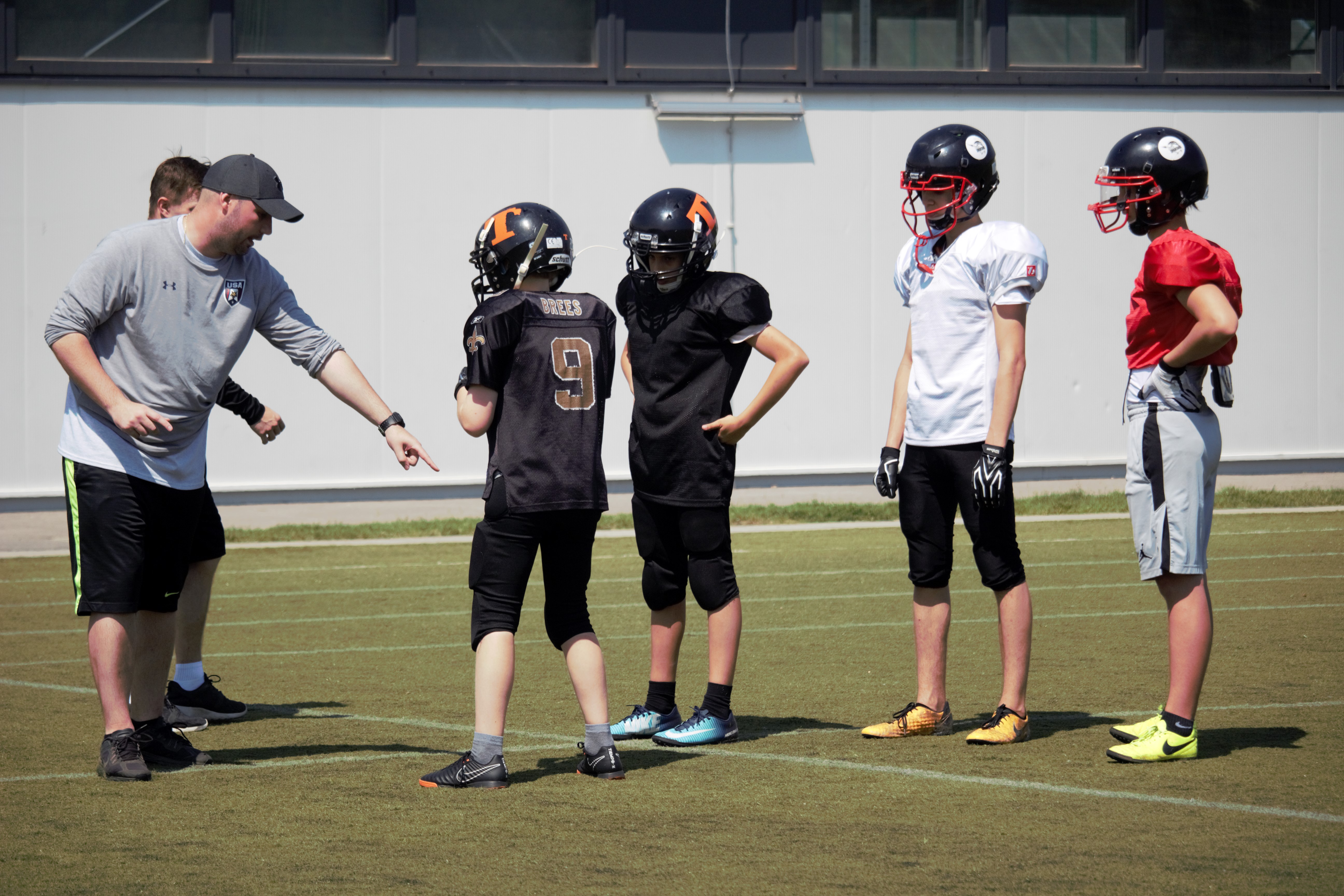
Image Source: youthfootballonline.com
The Foundation of Teamwork
At its core, football is a sport built on teamwork. No single player can win a game alone. Every position, every play, relies on the collective effort of the entire team. This inherent reliance fosters a profound sense of interdependence. Players learn that their success is directly tied to the success of their teammates, and vice versa.
Synchronized Efforts on the Field
Think about an offensive play. The quarterback needs the offensive line to block effectively. The running back needs the line to create a hole. The receivers need to run precise routes. If even one player misses their assignment, the entire play can falter. This constant need for coordinated action teaches players to:
- Trust their teammates: They learn to rely on others to do their part.
- Understand their role: Each player has a specific job that contributes to the bigger picture.
- Sacrifice for the group: Sometimes, a player might need to make a block instead of catching a pass, putting the team’s needs first.
Building Bonds Beyond the Game
This shared experience on the field creates strong bonds. Players celebrate victories together and commiserate over losses. They push each other to improve, offering encouragement and support. This shared journey fosters loyalty and a sense of belonging, crucial elements for character development.
Cultivating Discipline and Focus
Football is a sport that thrives on discipline. From the structured practices to the strict rules of the game, discipline is woven into every aspect of a player’s experience. Coaches instill rules and expectations, and players must adhere to them. This consistent application of rules teaches self-control and the importance of following a system.
The Rhythm of Practice
Regular practice sessions are a prime example of discipline in action. Players arrive on time, listen to their coaches, and execute drills repeatedly until they are perfected. This dedication to consistent effort, even when it’s repetitive or challenging, builds:
- Punctuality: Being on time for practice and games.
- Attention to detail: Following instructions precisely.
- Commitment to improvement: Working hard to get better every day.
Game Day Adherence
During a game, players must maintain focus and discipline. They need to execute plays as designed, avoid penalties, and stay calm under pressure. This teaches them to manage their emotions and make sound decisions, even in high-stakes situations.
Developing Resilience in the Face of Adversity
Football is a game of ups and downs. There will be missed tackles, dropped passes, and losses. It’s in these moments that resilience is truly forged. Players learn that setbacks are not the end, but rather opportunities to learn and grow.
Bouncing Back from Mistakes
When a player makes a mistake, they can’t dwell on it. They need to shake it off and focus on the next play. This mental toughness is a vital life skill. It teaches them to:
- Learn from errors: Analyze what went wrong and how to avoid it in the future.
- Maintain composure: Not let mistakes derail their performance or attitude.
- Embrace challenges: See difficult situations as chances to prove their strength.
Overcoming Defeats
Losing a game can be disheartening. However, football teaches players to accept defeat gracefully, analyze their performance, and come back stronger. This ability to persevere through tough times is a powerful character builder.
The Essence of Leadership
Football provides numerous opportunities for leadership. While certain positions might inherently lend themselves to vocal leadership (like the quarterback or team captain), leadership can manifest in many ways on the field.
Leading by Example
A player who consistently gives their best effort, encourages teammates, and demonstrates good sportsmanship is a leader, regardless of whether they wear a captain’s armband. This type of leadership is often the most impactful. It teaches others to:
- Aspire to a higher standard: Seeing a dedicated player motivates others.
- Embrace responsibility: Taking ownership of their performance and contributions.
- Be a positive influence: Spreading good energy and support.
Vocal and Strategic Leadership
Team captains and quarterbacks often take on more direct leadership roles, calling plays, motivating the team during breaks, and making crucial decisions on the field. This develops their confidence and their ability to:
- Communicate effectively: Clearly convey instructions and strategies.
- Inspire others: Rally the team when spirits are low.
- Make tough decisions: Take charge in critical moments.
Embracing Sportsmanship
Sportsmanship is a cornerstone of football, teaching players how to compete fiercely yet fairly. This includes showing respect for opponents, officials, and the rules of the game.
Respect for the Game and Its Participants
Good sportsmanship means:
- Congratulating opponents: Acknowledging their effort and skill.
- Respecting officials: Accepting their calls, even when disagreeing.
- Playing by the rules: Avoiding intentional fouls or unsportsmanlike conduct.
Grace in Victory and Defeat
True sportsmanship shines through in how a team handles both wins and losses. Celebrating a victory humbly and acknowledging the opponent’s effort, and accepting a loss with dignity rather than making excuses, are crucial lessons.
The Power of Perseverance
Perseverance is the unwavering determination to keep going, even when things are difficult. Football is a sport that relentlessly tests this quality.
Pushing Through Fatigue and Pain
Games are physically demanding. Players often play through minor aches and pains. They learn to push past their perceived limits, developing a mental toughness that translates to other areas of life. This teaches them to:
- Endure discomfort: Recognize that progress often involves some level of discomfort.
- Focus on the long game: Not give up when immediate results aren’t visible.
- Develop grit: The combination of passion and perseverance.
Battling Against Odds
When a team is down by a significant margin, the instinct might be to give up. However, football often showcases incredible comebacks fueled by sheer perseverance. Players learn that as long as there is time on the clock, there is a chance to succeed.
Fostering Accountability
In football, everyone is accountable for their actions and their role. There’s no hiding from responsibility when the team’s performance is on the line.
Owning Your Responsibilities
Each player has a specific job on every play. If that job isn’t done, the consequences can be felt by the entire team. This teaches individuals to:
- Take ownership: Accept responsibility for their performance.
- Be reliable: Know that their teammates are counting on them.
- Learn from mistakes: Understand the impact of their errors.
Team Accountability
It’s not just about individual accountability; the team is also accountable as a unit. If the team loses, every player shares in that outcome, fostering a sense of collective responsibility.
Instilling Respect
Respect is fundamental in football. Players are taught to respect their coaches, teammates, opponents, and the officials. This builds a foundation of mutual regard.
Respect for Authority and Guidance
Coaches dedicate time and effort to guide players. Players learn to listen, absorb feedback, and follow directions, fostering respect for authority figures. This translates to respecting teachers, employers, and mentors later in life.
Valuing Diverse Contributions
Football teams are often comprised of players with different strengths and backgrounds. Learning to value these diverse contributions and treating everyone with dignity is a crucial aspect of respect that football cultivates.
The Value of Commitment
Commitment is the dedication to a cause or an activity. Football requires a significant commitment of time, effort, and energy from its players.
Dedication to the Team’s Goals
Players commit to attending practices, studying plays, and giving their best effort in every game. This commitment teaches them the importance of seeing things through and honoring their obligations. It builds:
- Reliability: Being someone others can count on.
- Diligence: Working hard consistently.
- Sense of duty: Fulfilling promises made to the team.
Long-Term Dedication
The season might be long, and the effort can be grueling, but the commitment to the team’s ultimate goals – whether a championship or personal improvement – instills a powerful sense of purpose and dedication.
Mastering Communication
Effective communication is vital for success in football. Players need to communicate clearly and concisely on and off the field.
On-Field Dialogue
During a game, players are constantly communicating. Quarterbacks call plays, linemen yell out defensive assignments, and players give each other warnings or encouragement. This constant need for clear communication teaches:
- Conciseness: Getting the message across quickly and effectively.
- Clarity: Ensuring the message is understood by everyone.
- Active listening: Paying attention to what teammates are saying.
Off-Field Collaboration
Communication extends beyond the field. Players need to communicate with coaches about their progress, their concerns, and their availability. This fosters open dialogue and builds trust within the team.
Football and Life Skills: A Comparative View
Let’s look at how specific football skills directly translate into broader life competencies.
| Football Skill | Life Skill Developed | How it’s Built in Football |
|---|---|---|
| Teamwork | Collaboration, Interdependence | Relying on teammates for blocks, passes, and support; understanding shared goals. |
| Discipline | Self-Control, Focus, Orderliness | Adhering to practice schedules, playbook instructions, and game rules; punctuality. |
| Resilience | Adaptability, Grit, Stress Management | Recovering from mistakes, overcoming deficits, playing through fatigue or minor injuries. |
| Leadership | Influence, Guidance, Motivation | Captains calling plays, players leading by example with effort and attitude. |
| Sportsmanship | Fairness, Integrity, Respect | Respecting opponents, officials, and rules; graciousness in winning and losing. |
| Perseverance | Determination, Grit, Persistence | Pushing through tough practices, comeback efforts, and challenging game situations. |
| Accountability | Responsibility, Ownership, Reliability | Owning individual assignments and their impact on team success; admitting errors. |
| Respect | Courtesy, Deference, Valuing Others | Honoring coaches, teammates, opponents, and officials; valuing diverse roles. |
| Commitment | Dedication, Loyalty, Reliability | Consistently attending practices, dedicating time and effort to team goals. |
| Communication | Expressiveness, Active Listening, Clarity | Yelling out plays, giving warnings, discussing strategies; coordinating actions. |
The Role of Coaches in Character Building
Coaches play a pivotal role in shaping the character of young athletes. Beyond teaching X’s and O’s, they are often mentors who impart life lessons. A good coach emphasizes:
- Effort over outcome: Praising hard work even if the result isn’t perfect.
- Learning from failure: Encouraging players to analyze what went wrong without shame.
- Team unity: Fostering an environment where everyone feels valued and supported.
They are the architects who help translate the competitive environment of football into tangible character traits that benefit players long after they hang up their cleats.
Frequently Asked Questions (FAQ)
Q1: Can football truly build character if a player only focuses on winning?
While winning is a motivator, a player who solely focuses on winning without embracing the other aspects of the game might not fully develop their character. True character building in football comes from the journey – the effort, the learning from mistakes, the interaction with teammates, and the adherence to principles like sportsmanship, regardless of the final score.
Q2: How does football help develop leadership skills in shy individuals?
Football can provide a safe and structured environment for shy individuals to develop leadership. They might start by leading through example, showing dedication and a strong work ethic. As they gain confidence and a deeper understanding of the game, they might gradually take on more vocal roles, perhaps by communicating plays or encouraging teammates. The shared goal and reliance on each other can often bring out a natural leadership ability that might otherwise remain hidden.
Q3: What happens if a team emphasizes winning at all costs, neglecting character development?
A team that prioritizes winning above all else, potentially through unethical means or by ignoring instances of poor sportsmanship, can foster negative character traits. Players might learn to cheat, disrespect opponents, or become overly aggressive and unsportsmanlike. This can lead to a toxic team environment and negatively impact the long-term development of the athletes, teaching them that success justifies poor behavior.
Q4: Is football the only sport that builds character?
No, many sports can build character. However, football, due to its inherent demands for physical and mental toughness, constant strategic thinking, and extreme reliance on teamwork and communication, offers a particularly potent and comprehensive environment for character development. The lessons learned on a football field are often intense and immediate, reinforcing the importance of discipline, resilience, and perseverance.
Q5: How can parents and guardians support the character-building aspects of football for their children?
Parents can support by focusing on the effort and learning process rather than just the outcome. They can encourage good sportsmanship, respect for coaches and teammates, and help their children process both wins and losses constructively. Open communication about what they are learning on and off the field can also be very beneficial.
Football is a powerful teacher. It’s a crucible where the raw materials of youth are forged into resilient, disciplined, and honorable individuals. The lessons of teamwork, resilience, leadership, sportsmanship, perseverance, accountability, respect, commitment, communication, and discipline learned on the gridiron are not just for the game; they are for life.