
So, how fast do QBs throw a football? The answer is quite impressive! On average, NFL quarterbacks can throw a football between 55 and 65 miles per hour (mph). However, some elite quarterbacks can push this velocity even higher, reaching speeds exceeding 70 mph. This remarkable football velocity is a testament to their specialized training and biomechanics.
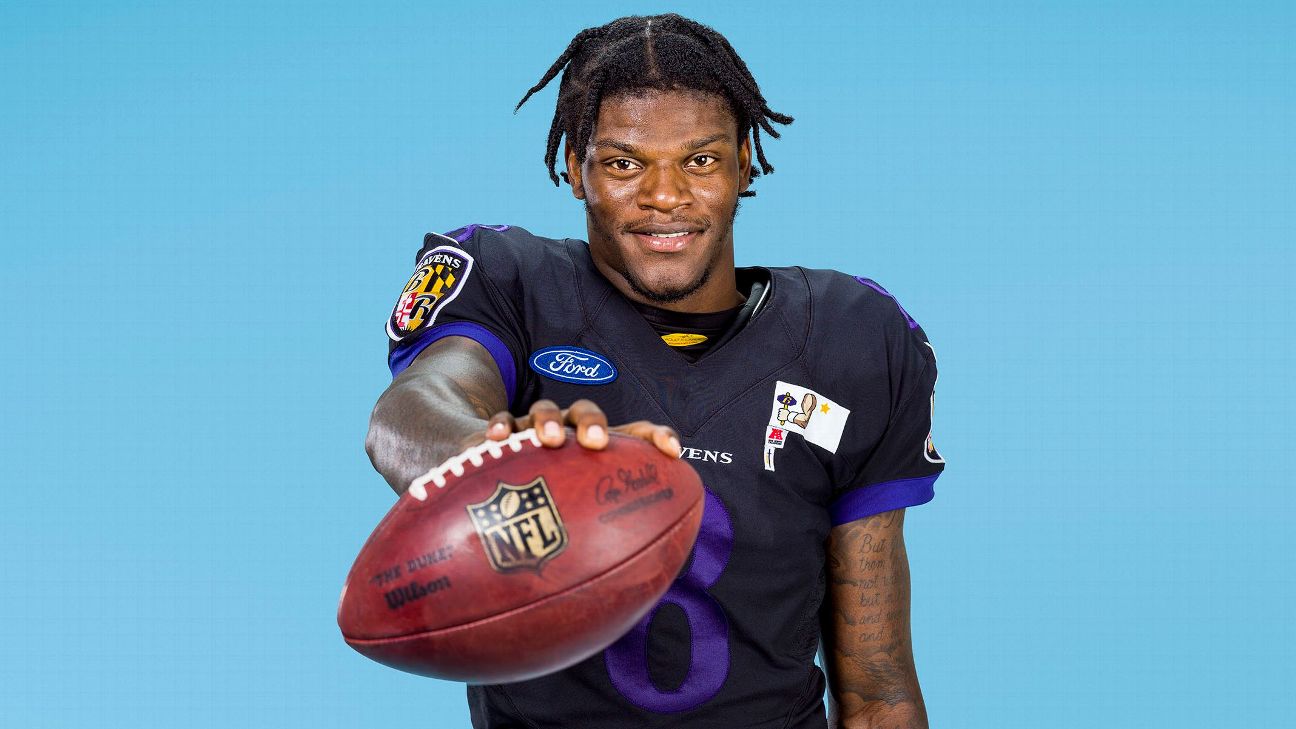
Image Source: a.espncdn.com
Deciphering Quarterback Throwing Speed
The velocity at which a quarterback throws a football is a critical component of their success on the field. It influences the trajectory, accuracy, and timing of a pass, directly impacting offensive effectiveness. When we talk about quarterback throwing speed, we’re referring to the speed at which the football leaves the passer’s hand. This isn’t just about brute force; it’s a complex interplay of physics, biomechanics, and skill honed through countless hours of practice.
What Influences Pass Velocity?
Several factors contribute to the impressive pass velocity observed in professional football players. It’s not just about how hard they can fling it; it’s a nuanced combination of elements that work in harmony.
Arm Strength: The Foundation
At its core, arm strength is paramount. This refers to the power generated by the muscles of the shoulder, elbow, and forearm. Stronger muscles can accelerate the arm and, consequently, the football more rapidly. This power is developed through targeted strength training, focusing on rotational power, core stability, and the stabilizing muscles around the shoulder and elbow.
Throwing Mechanics Speed: The Engine
Beyond raw strength, the efficiency of a quarterback’s throwing mechanics speed is a huge factor. This is where the art and science of the throw come together. Every movement, from the footwork to the follow-through, is designed to maximize the transfer of energy from the body to the ball.
- Footwork: A strong base and proper weight transfer initiate the kinetic chain. Stepping into the throw allows the body’s larger muscle groups to contribute.
- Hip and Torso Rotation: The powerful rotation of the hips and torso generates significant torque. This rotational energy is then channeled up the body to the arm.
- Arm Acceleration: The speed at which the arm moves forward, particularly the forearm and wrist snap, is crucial for imparting final velocity to the ball.
- Follow-Through: A complete and controlled follow-through ensures that all the generated energy is efficiently transferred to the football and helps prevent injury.
Football Launch Speed: The Outcome
The culmination of these factors results in the football launch speed. This is the actual speed of the ball immediately after it leaves the quarterback’s hand. Professional scouts and analysts often track this metric, as it provides a quantifiable measure of a quarterback’s throwing power.
Measuring Throwing Speed Metrics
The development of technology has allowed for more precise measurement of these physical attributes. Throwing speed metrics are now commonly collected and analyzed to assess quarterback performance and potential.
- Radar Guns: Traditional radar guns are used on the sidelines to measure the speed of the football. These devices work by bouncing radio waves off the moving object and measuring the change in frequency.
- High-Speed Cameras and Motion Capture: More advanced systems use high-speed cameras and motion capture technology to analyze the biomechanics of the throwing motion. This can break down the throw into individual components, identifying areas for improvement in technique and efficiency.
- Wearable Sensors: Emerging technologies include wearable sensors that can track arm speed, rotation, and force generation during the throwing motion.
How Hard Do QBs Throw? A Deeper Look
The question “how hard do QBs throw?” goes beyond a simple mph figure. It encompasses the ability to generate that speed consistently, under pressure, and with accuracy.
- Elite Throwers: Quarterbacks like Patrick Mahomes, Josh Allen, and Aaron Rodgers are renowned for their exceptional arm strength and ability to generate high football velocity. They can consistently deliver passes with velocity that challenges even the fastest defensive backs.
- Training and Conditioning: The relentless training regimens of NFL players are designed to maximize their physical capabilities. This includes not only weightlifting but also plyometrics, rotational drills, and sport-specific conditioning that enhances QB arm velocity.
NFL Quarterback Speed: A Benchmark
When we talk about NFL quarterback speed, we are referring to the range of throwing velocities achieved by players in the National Football League. This benchmark is constantly being pushed by new talent and innovative training methods.
Typical Velocity Ranges
- Average NFL Quarterback: 55-65 mph
- Top-Tier Quarterbacks: 65-70+ mph
It’s important to note that these are general ranges. Individual throws can vary based on the situation, the type of throw (e.g., a short, quick pass versus a deep bomb), and the quarterback’s physical condition on any given day.
Factors Affecting Individual Throw Speed
While the general ranges provide a good overview, several factors can influence an individual quarterback’s throwing speed on any given play.
Biomechanical Efficiency
The efficiency of a quarterback’s throwing mechanics speed is a significant differentiator. A quarterback with impeccable mechanics can often throw harder and more accurately than someone with comparable raw strength but less refined technique. This efficiency ensures that energy is not lost due to wasted movement.
Body Type and Physical Attributes
While not the sole determinant, a quarterback’s physical build can play a role. Taller quarterbacks may have a longer lever arm, potentially contributing to higher speeds, but this must be combined with the strength and coordination to utilize that length effectively. Core strength is also crucial, acting as the powerhouse that transfers energy from the lower body to the upper body.
The Football Itself
The type of football used can also have a minor impact. The size, grip, and inflation level of the ball can subtly affect the aerodynamics and how easily it can be gripped and released. However, for professional play, these factors are standardized.
The Science Behind the Throw
The physics of throwing a football are fascinating. It’s a projectile motion problem where the quarterback acts as the launch system.
Kinetic Chain and Energy Transfer
The throw is an excellent example of the kinetic chain in action. It begins with the ground pushing against the feet, then moves through the legs, hips, torso, shoulder, elbow, and finally to the wrist and fingers imparting spin and velocity to the ball.
- Ground Force: The initial push off the ground.
- Hip and Trunk Rotation: Generating rotational momentum.
- Shoulder and Elbow Velocity: Accelerating the arm.
- Wrist Snap: The final burst of acceleration and imparting spin.
Aerodynamics and Spin
While velocity is key, so is the spin on the ball. A well-thrown football has a tight spiral. This spiral stabilizes the ball in flight, reduces drag, and increases its aerodynamic efficiency, allowing it to travel further and more accurately. The football launch speed is optimized when combined with this proper spin.
Training for Increased Throwing Velocity
Improving quarterback throwing speed is a primary focus for many training programs. This involves a multifaceted approach that targets strength, power, flexibility, and technique.
Strength Training
- Lower Body: Squats, deadlifts, and lunges build the foundation of power.
- Core: Rotational exercises (e.g., medicine ball throws, cable wood chops) are vital for transferring energy.
- Upper Body: Bench press, overhead press, and rows build the strength of the throwing arm and shoulder girdle.
Plyometrics
Plyometric exercises, which involve explosive movements, are crucial for developing the rapid muscle contractions needed for high QB arm velocity. Examples include:
- Medicine ball throws (overhead, rotational)
- Box jumps
- Jump squats
Flexibility and Mobility
Good shoulder and hip mobility are essential for a fluid and powerful throwing motion. Stretching and mobility exercises help prevent injuries and allow for a greater range of motion, which can translate to higher velocity.
Arm Care and Rehabilitation
Maintaining the health of the arm is paramount. Proper warm-ups, cool-downs, and specific arm care exercises are vital to prevent overuse injuries and ensure longevity in a quarterback’s career. This focus on arm strength maintenance is critical.
Biomechanical Analysis and Correction
Working with coaches who specialize in biomechanics can help identify and correct inefficiencies in a quarterback’s throwing motion. Small adjustments in foot placement, hip rotation, or arm slot can lead to significant improvements in football velocity.
The Science of the Spiral: More Than Just Speed
While quarterback throwing speed is impressive, the accuracy and trajectory of a pass are equally important. This is where the science of the spiral comes into play, directly influencing pass velocity and how the ball behaves in the air.
Why Spin Matters
The spiral imparted on a football by a quarterback’s release is not just for aesthetics. It has a profound impact on the ball’s flight.
- Stability: A tight spiral acts like a gyroscope, stabilizing the ball and making it less susceptible to wobbling or fluttering in the wind.
- Aerodynamics: The seams of the football interact with the air to create lift and reduce drag when the ball is spiraling correctly. This allows it to travel further and maintain a straighter trajectory.
- Predictable Flight Path: A well-thrown spiral has a predictable flight path, making it easier for the receiver to track and catch.
Imparting Spin: The Role of the Wrist and Fingers
The final, critical component of the throwing motion is the wrist snap. This is where the quarterback uses their fingers to grip and flick the ball, imparting the necessary spin.
- Finger Placement: The fingertips are typically placed on the laces of the football.
- Wrist Snap: A quick and powerful flexion of the wrist as the ball is released is key to generating a tight spiral.
- Follow-Through: The continuation of the arm motion after the ball is released ensures that the wrist snap is maximized.
The combination of proper throwing mechanics speed and a precise wrist snap is what allows quarterbacks to achieve both high football launch speed and a stable, accurate spiral.
Variations in Quarterback Throwing Speed
Not all quarterbacks are created equal, and neither are their throwing speeds. Several factors contribute to the wide range of velocities seen across different players.
Talent vs. Training
While natural talent plays a role in a quarterback’s inherent arm strength, extensive training and conditioning are what allow them to reach their full potential. A quarterback with less natural talent but a dedicated training regimen can often outperform a more gifted player who neglects their physical development.
Position-Specific Demands
The demands on a quarterback’s arm are immense. They need to be able to throw with velocity for deep passes, touch passes for shorter routes, and everything in between, all while under pressure. This requires a finely tuned balance of strength, accuracy, and endurance.
Age and Physical Condition
Like any athlete, a quarterback’s throwing speed can be affected by age and their current physical condition. As players age, maintaining QB arm velocity often requires more focused training and injury prevention strategies. Injuries can also significantly impact throwing velocity, sometimes permanently.
Technological Advancements in Training
Modern training facilities and technologies have revolutionized how quarterbacks train. From advanced weightlifting programs to specialized throwing drills and biomechanical analysis, these tools help players maximize their football velocity potential.
The Impact of Throwing Speed on the Game
The ability to throw a football with high velocity has a direct and significant impact on the game of football.
Offensive Strategy
A quarterback with exceptional pass velocity can open up the playbook for their offensive coordinator.
- Deep Passes: The ability to throw the ball 50-60 yards downfield with accuracy forces defenses to respect the deep threat, which can open up shorter passing lanes and the running game.
- Tight Windows: High velocity allows quarterbacks to fit passes into tighter windows, making it more difficult for defenders to intercept the ball.
- Timing: Faster passes allow receivers less time to react, potentially leading to more completions and fewer deflections.
Defensive Adjustments
Defenses must account for a quarterback’s throwing ability.
- Press Coverage: Teams may employ tighter coverage on receivers to prevent deep bombs.
- Pass Rush: The speed of the pass can influence the effectiveness of the pass rush, as defensive linemen have less time to reach the quarterback.
Receiver Performance
The velocity of a pass also affects the receiver.
- Ball Tracking: Receivers need excellent ball-tracking skills to adjust to passes thrown with high football launch speed.
- Catching Technique: Catching a hard-thrown ball requires precise technique to absorb the impact and secure the catch.
Frequently Asked Questions (FAQ)
What is the fastest football thrown by a quarterback?
While precise official records can be debated, many reports suggest elite NFL quarterbacks can throw upwards of 70-75 mph. For example, Patrick Mahomes has been clocked at speeds exceeding 70 mph in practice and games.
Can anyone throw a football that fast?
No, achieving NFL-level throwing speeds requires a unique combination of genetics, years of specialized training, and exceptional biomechanics. While dedication can improve throwing speed for amateur athletes, reaching the velocities of professional quarterbacks is extremely rare.
Does arm strength directly correlate to accuracy?
Not always. While significant arm strength is necessary for velocity, accuracy is a separate skill influenced by mechanics, vision, and practice. A quarterback can have a strong arm but poor accuracy if their mechanics are flawed. Conversely, some quarterbacks with less velocity are highly accurate due to superior technique and timing.
How has technology changed the measurement of quarterback throwing speed?
Technology has moved beyond simple radar guns to include high-speed cameras, motion capture systems, and wearable sensors. These tools provide more detailed insights into the biomechanics of the throw, helping coaches and players analyze and improve every aspect of quarterback throwing speed.
What is the typical velocity of a college quarterback?
College quarterbacks, especially those in top programs, can throw in the range of 50-60 mph, with elite prospects often pushing into the high 60s, approaching NFL-level speeds.
In conclusion, the quarterback throwing speed is a fascinating and critical aspect of American football. It’s a complex phenomenon that blends raw physical power with refined technique, influenced by a multitude of factors from biomechanics to dedicated training. The ability to generate high football velocity and a tight spiral is what sets elite quarterbacks apart, allowing them to command the offense and execute plays with precision and power. The continuous pursuit of faster and more accurate throws remains a hallmark of the quarterback position.