
A toddler can typically go between 2 to 4 hours without peeing during the day. This depends on their age, how much they drink, and how active they are. At night, many toddlers can go 8 to 12 hours without wetting the bed. This toddler bladder control duration changes a lot as a child grows. It is a big part of learning good potty training pee frequency. Every child is different. What is normal for one child may not be normal for another. We will look at what to expect as your child learns about their body.
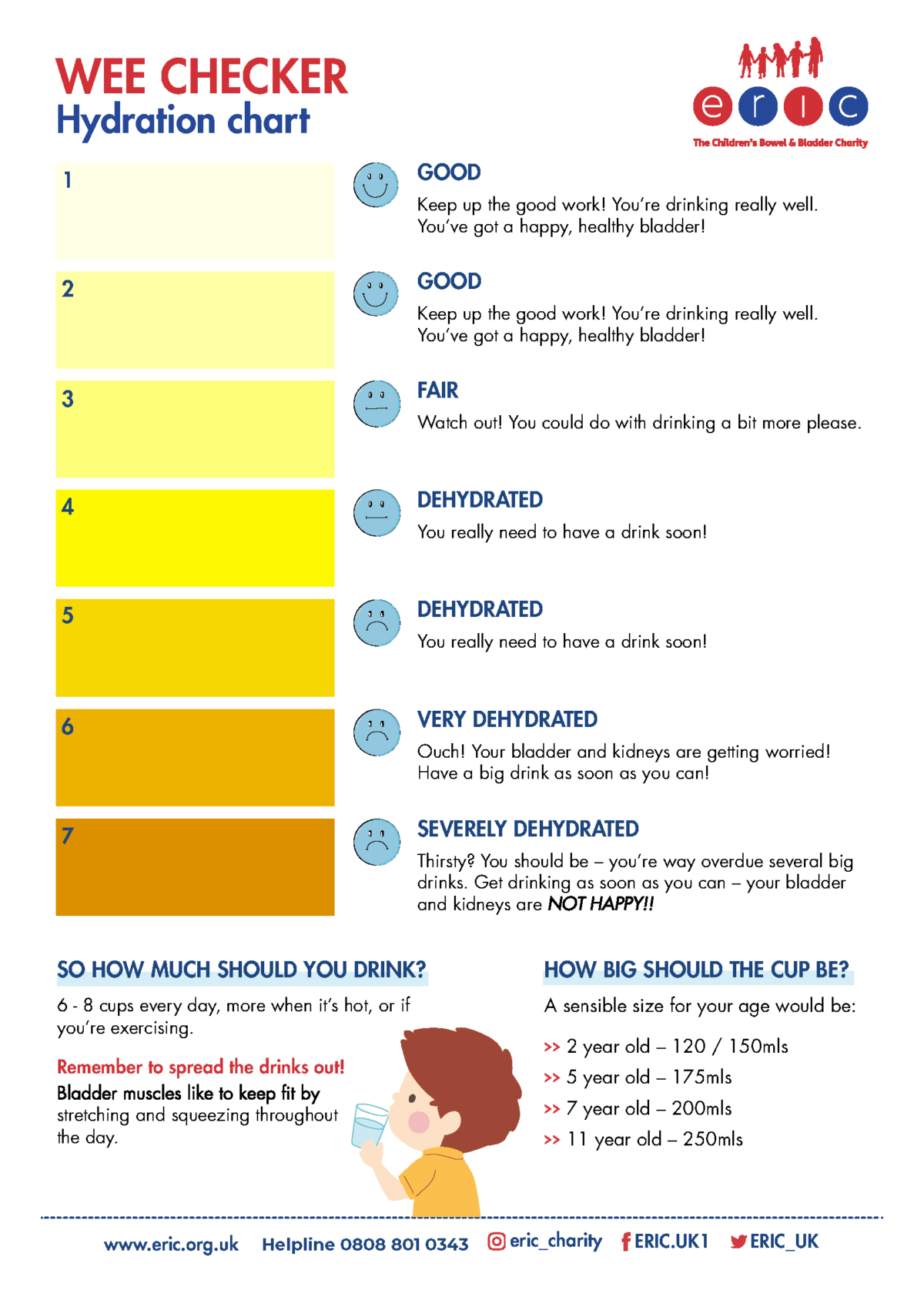
Image Source: eric.org.uk
Bladder Growth in Toddlers
A toddler’s bladder grows as they do. It starts small. Over time, it can hold more pee. This growth is key for them to hold pee longer. It helps them stay dry for longer periods. It also helps them sleep through the night without accidents.
Newborn babies pee very often. They have little control. As they get older, their muscles get stronger. Their brain learns to send signals to the bladder. This allows them to wait before peeing. This is a slow process. It takes time and practice.
The Bladder’s Role in Toddlers
The bladder is like a small balloon. It holds pee. Pee is made by the kidneys. It flows into the bladder. When the bladder is full, it sends a signal to the brain. This signal tells the child they need to pee.
For a toddler, these signals are new. They are just learning to notice them. They also need to learn to hold pee until they get to a toilet. This is a big step in their development. It takes practice to listen to their body.
What Affects How Often Toddlers Pee
Many things change how often a toddler needs to pee. It is not just about age. Here are some main factors:
- Age: Older toddlers can hold pee longer. Their bladder is bigger. Their control is better.
- Fluid Intake: How much a child drinks matters a lot. More drinks mean more pee. Water, milk, and juice all count.
- Activity Level: A very active child might sweat more. This means less pee. A calm child might pee more often.
- Diet: Some foods and drinks can make a child pee more. Foods high in water, like fruits, can add to fluid intake.
- Health: Illness can change pee habits. A fever can mean less pee. A urinary tract infection (UTI) can mean more pee.
- Time of Day: Toddlers usually pee less at night. Their body makes less pee when they sleep.
- Potty Training Stage: Children who are new to potty training might pee more often. They are still learning.
Average Toddler Pee Schedule
It helps to know what is normal. How often do toddlers pee? The frequency changes with age. Here is a general guide:
| Age Range | Average Daytime Pee Frequency | Average Nighttime Pee Frequency |
|---|---|---|
| 12-18 Months | Every 1.5 – 2 hours | May pee at night |
| 18-24 Months | Every 2 – 2.5 hours | Often pee at night |
| 2-3 Years | Every 2.5 – 3 hours | Many start to stay dry |
| 3-4 Years | Every 3 – 4 hours | Most stay dry |
This table shows normal toddler urination intervals. Remember, these are just averages. Your child might be different.
Toddler Bladder Capacity by Age
A toddler’s bladder grows steadily. This growth lets them hold more pee. Knowing their bladder size helps set fair goals.
Here is a guide to toddler bladder capacity by age:
| Age Range | Average Bladder Capacity (ml) | Approximate Holding Time (hours) |
|---|---|---|
| 12-18 Months | 60-120 ml | 1.5 – 2 |
| 18-24 Months | 90-180 ml | 2 – 2.5 |
| 2-3 Years | 120-240 ml | 2.5 – 3 |
| 3-4 Years | 180-300 ml | 3 – 4 |
To figure out a child’s bladder capacity, a simple rule is their age in years plus 2, times 30ml. So, a 3-year-old would have a capacity of (3+2) x 30 = 150ml. This is a general rule. It helps explain why older toddlers can hold pee longer. It shows why toddler bladder control duration increases with age.
Potty Training and Pee Frequency
Potty training pee frequency is a big part of the journey. When toddlers start potty training, they learn to tell when they need to pee. They also learn to hold it for a short time.
At first, a child might pee very often. They are learning to connect the feeling to the action. You might take them to the potty every hour or so. This helps them get used to the idea. As they get better, they will go longer between pees.
Here are some tips for potty training and pee frequency:
- Offer the potty often: Start by offering the potty every 1-2 hours. This helps catch accidents.
- Watch for signs: Look for signs your child needs to pee. They might fidget, hold themselves, or suddenly stop playing.
- Praise effort: Always praise them for trying, even if they do not pee.
- Do not push: Never force your child to sit on the potty. Make it a fun, positive time.
- Pee before bed: Make sure they try to pee right before bedtime. This helps with nighttime dryness.
- Fluid timing: Avoid too many fluids right before bed. This can help with nighttime accidents.
It is normal for toddlers to have accidents during potty training. This is part of the learning process. Patience is key.
Recognizing Signs a Toddler is Holding Urine
Sometimes, toddlers hold their pee. They might be too busy playing. They might not want to stop. Or they might be afraid of the toilet. This can lead to problems. It is important to know the signs toddler holding urine.
Here are common toddler urine retention signs:
- Fidgeting: They might wiggle, squirm, or cross their legs.
- “Potty dance”: They might hop from foot to foot or dance around.
- Holding themselves: They might grab their private parts.
- Stiffening: They might suddenly stand very still.
- Squatting: Some children squat down to put pressure on their bladder.
- Red face: Their face might turn red from the effort.
- Distraction: They might focus hard on something else to ignore the feeling.
- Irritability: They might become fussy or cranky.
If you see these signs, gently remind your child to try the potty. Do not scold them. Just encourage them to listen to their body.
Holding pee too long can cause problems. It can lead to accidents. It can also make a child more likely to get a urinary tract infection (UTI). This is why knowing toddler urine retention signs is so important.
When to Worry About a Toddler Not Peeing
Most of the time, changes in a toddler’s pee habits are normal. But sometimes, it can be a sign of a problem. When to worry about toddler not peeing is a big question for parents.
You should seek medical advice if your toddler:
- Goes more than 6-8 hours without peeing during the day: This is a key concern.
- Seems to pee much less than normal for them: A big change in their usual pattern.
- Shows signs of pain or discomfort when peeing: They might cry or strain.
- Has dark, strong-smelling pee: This can mean dehydration or infection.
- Has a fever with less peeing: This could be a sign of illness.
- Seems very sleepy or less active than usual: Could point to a bigger issue.
- Has blood in their pee: Always call a doctor for this.
- Has a swollen belly: This could mean urine is building up.
Identifying Toddler Dehydration Symptoms
Less peeing can be a sign of dehydration. Dehydration happens when a child does not drink enough fluids. It is very important to watch for toddler dehydration symptoms.
Signs of dehydration in toddlers include:
- Fewer wet diapers or less frequent peeing: This is often the first sign.
- Darker pee: Normal pee is light yellow. Dehydrated pee is dark.
- Dry mouth and tongue: Their mouth might look sticky.
- No tears when crying: This is a serious sign.
- Sunken soft spot (fontanelle) on a baby’s head: For younger toddlers.
- Sunken eyes: Eyes may look hollow.
- Lethargy or extreme tiredness: They might be less playful or sleep more.
- Cool, dry skin: Their skin might not feel moist.
- Fast breathing or heartbeat: Their body is trying to make up for fluid loss.
If you see any of these signs, offer fluids right away. Water, oral rehydration solutions, or diluted juice are good choices. If symptoms are severe or do not improve, seek medical help at once.
Helping Your Toddler Develop Good Bladder Habits
You can help your child build healthy pee habits. These tips support their natural development.
- Keep them hydrated: Offer water often throughout the day. This helps the bladder fill.
- Set a regular potty schedule: Encourage them to try the potty at key times. For example, after waking up, before naps, after meals, and before bed. This helps establish an average toddler pee schedule.
- Teach them body awareness: Talk about what it feels like to have a full bladder. Say things like, “Does your tummy feel full? Maybe it is time to pee.”
- Make the potty inviting: Use a fun potty seat. Let them choose their own underwear.
- Praise success: Celebrate every time they pee in the potty. Positive words work best.
- Be patient with accidents: Accidents happen. Clean them up calmly. Do not scold.
- Avoid bladder irritants: Limit drinks like soda or fruit juices with too much sugar. These can sometimes make a child need to pee more often or cause irritation.
- Ensure regular bowel movements: Constipation can press on the bladder. This can make a child feel like they need to pee more often. It can also make it harder for them to empty their bladder fully.
- Watch for stress: Stress can affect bladder control. A new baby, a move, or a change in routine can cause setbacks.
The Journey to Full Bladder Control
Gaining full bladder control is a big part of growing up. It is a step-by-step process. Most children are dry during the day by age 3 or 4. Nighttime dryness often takes longer. Many children are not fully dry at night until age 5, 6, or even later.
Do not compare your child to others. Every child develops at their own speed. Focus on giving support and showing patience. Your child will get there in their own time.
Final Thoughts
Knowing how long a toddler can go without peeing helps you understand their growth. It also helps you spot issues. Remember, a toddler’s bladder is still learning. Their toddler bladder control duration will grow. Their potty training pee frequency will settle into a pattern. Look for toddler urine retention signs. Be aware of toddler dehydration symptoms. If you are ever worried about your child’s pee habits, talk to your doctor. They can give you the best advice.
Frequently Asked Questions (FAQ)
Q: How often should I offer my toddler the potty during training?
A: When you start potty training, offer the potty every 1-2 hours. Also, try right after they wake up, after meals, and before naps or bedtime. This helps them get used to it.
Q: Is it normal for a toddler to hold their pee for a long time?
A: It is not ideal for a toddler to hold their pee for very long. They might do it if they are busy playing or don’t want to stop. However, holding pee too often can cause problems. It is best to encourage them to go when they feel the need.
Q: My toddler pees a lot, but only a little bit each time. Is this okay?
A: If your toddler pees often but only a small amount, it could be normal for their age. It could also mean they are not fully emptying their bladder. Or it could be a sign of a urinary tract infection (UTI). If you are worried, or if they show other signs of discomfort, talk to your doctor.
Q: How can I tell if my toddler is dehydrated?
A: Key signs of toddler dehydration include peeing less often, having very dark pee, a dry mouth, no tears when crying, or being unusually tired. If you see these, offer fluids right away and contact your doctor if symptoms are severe.
Q: What is the main age for starting potty training?
A: Most toddlers show signs of readiness for potty training between 18 months and 3 years old. There is no “right” age. It depends on your child’s physical and emotional readiness. Look for signs like showing interest in the toilet, staying dry for longer, and being able to follow simple directions.
Q: My child is 4 and still wets the bed at night. Should I be worried?
A: Nighttime dryness often comes later than daytime dryness. Many children are not fully dry at night until age 5, 6, or even older. If your child is still wetting the bed at age 4, it is usually normal. You can help by limiting fluids before bed and making sure they pee right before sleeping. If it continues and bothers your child, or if new problems start, talk to your doctor.