
Potty training is a big step for toddlers and parents alike. Many parents wonder, “How long does it take to potty train a toddler?” There’s no single, simple answer, as the process varies greatly for each child. However, the average potty training duration for toddlers often falls within a range of a few weeks to several months for consistency, though some children might grasp the basics quickly while others take longer to be reliably dry, especially at night. It’s a journey with ups and downs, not a race.
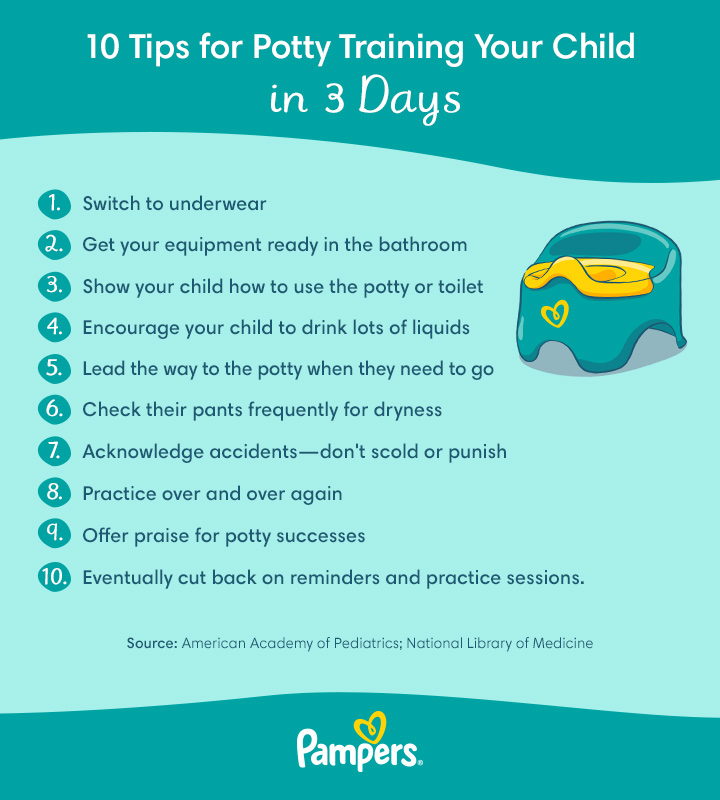
Image Source: images.ctfassets.net
Composing the Potty Training Timeline
Thinking about a toddler potty training timeline is helpful, but it’s important to remember that it’s more of a guideline than a strict schedule. Most kids don’t just decide one day they are fully potty trained. It happens in stages. They might learn to use the potty for pee first, then poop, or vice versa. Accidents will happen, and that’s okay.
The expected potty training timeline usually involves a period where you introduce the idea, practice sitting on the potty, and celebrate small wins. This initial phase might be quick, maybe a few days or a week. Achieving consistency – meaning fewer accidents during the day – often takes longer, perhaps 2 to 3 months on average. Nighttime dryness usually comes much later, sometimes months or even years after daytime training is complete.
Recognizing Potty Signs: Is Your Child Ready?
One of the most important factors for a smoother process is starting when your child shows signs of potty training readiness. Beginning before a child is physically and emotionally ready can actually make the process take longer and be more frustrating for everyone.
What are these signs? They usually start appearing between 18 and 30 months old, but some kids are ready earlier or later. This is part of the potty training age range. There’s no magic age; it’s about readiness.
Here are common signs of potty training readiness:
- Physical Signs:
- Staying dry for longer periods (at least 2 hours) during the day.
- Staying dry after waking up from a nap.
- Having predictable bowel movements.
- Being able to pull their pants up and down.
- Being able to walk to the potty or toilet.
- Behavioral Signs:
- Showing interest in the potty or toilet, or watching others use it.
- Telling you (with words or actions) that they need to go or are going.
- Disliking the feeling of a wet or dirty diaper.
- Hiding to pee or poop.
- Showing a desire for independence.
- Being able to sit still for a few minutes.
- Being able to follow simple instructions.
Deciding When to Start Potty Training
Based on those readiness signs, you can decide when to start potty training. If your child is showing several of these signs, it might be a good time to begin introducing the potty gently. If they show very few or resist strongly, it’s likely better to wait a few weeks or months and try again. Pushing a child who isn’t ready can lead to power struggles and a longer, harder process.
Think of when to start potty training as aligning with your child’s development, not a date on the calendar. Starting when they are ready makes them an active participant, not a passive recipient of training.
Components Influencing Potty Training Time
Many different factors affecting potty training time can speed things up or slow them down. Knowing about these can help you set realistic expectations and adjust your approach.
h4. Child-Specific Elements
- Temperament: Some kids are eager to please and try new things, while others are more cautious or resistant to change. A child’s personality plays a big role.
- Readiness Level: As mentioned earlier, starting when a child is truly ready makes a huge difference in the
average potty training duration. - Motivation: Is your child motivated by praise, stickers, or the desire to be like older siblings or parents? Finding their motivation can help.
- Physical Development: Gross motor skills (like walking and sitting) and fine motor skills (like pulling clothes) are necessary.
h4. Method and Approach Elements
- Consistency: A consistent routine and message from all caregivers (parents, grandparents, daycare) are crucial.
- Method Used: Some methods, like the “three-day method,” aim for quicker initial results but still require follow-up consistency. Other methods are more gradual. The “best” method is often the one that fits your family and child’s personality.
- Positive Reinforcement: Focusing on praise and rewards for success works better than punishment or shaming for accidents.
- Patience: This is perhaps the most important factor for the parent. Frustration from the parent can create anxiety in the child.
h4. Environmental and Family Elements
- Changes or Stress: Major life changes like moving, a new sibling, starting a new school, or family stress can impact potty training progress and even cause
potty training regressions. It’s often better to delay starting during these times. - Routine: Having a predictable daily routine helps incorporate potty breaks easily.
- Caregiver Consistency: If the child is in daycare or with multiple caregivers, ensuring everyone uses the same approach and language is very important.
- Access to Potty: Making the potty or toilet easily accessible and non-intimidating helps.
Exploring Quicker Potty Training Methods
While the average potty training duration is weeks to months for reliability, some methods aim for quicker initial results. These are often called quickest potty training methods. One popular example is the “potty training in three days” approach.
h4. The “Three-Day” Idea
This method typically involves dedicating an intense few days at home focused solely on potty training. The child wears underwear, you watch closely for readiness signs, offer liquids frequently, and do frequent trips to the potty. The idea is to build awareness quickly.
h4. What “Quick” Really Means
It’s vital to understand that “quick” methods usually mean achieving initial success – perhaps recognizing the urge and using the potty most of the time during those intense days. They do not guarantee complete, accident-free training within that timeframe, especially for nighttime. Follow-up and consistency after the initial push are still necessary for long-term success. The typical potty training timeframe still applies for full reliability over weeks and months.
These methods can work well for children who are already showing strong readiness signs. For others, a more gradual approach might be less stressful and ultimately just as effective, even if it doesn’t have a flashy short name.
Grasping the Typical Potty Training Timeframe
So, putting it all together, what is the typical potty training timeframe?
- Initial Introduction (Days to a couple of weeks): Introducing the potty, sitting on it, getting used to the idea. May have success sitting or even a quick pee.
- Learning the Connection (Weeks to a few months): Child starts recognizing the urge and telling you before or while it happens. More successes, but still frequent accidents. This is where the
average potty training durationof a few weeks to a few months for daytime consistency comes in. - Daytime Consistency (Several months): Accidents become rare during the day. Child initiates potty use more often.
- Nighttime Dryness (Months to years after daytime): This is a physical development (the bladder holds more, and the child wakes up when they need to go) that happens on its own time, often much later than daytime training.
It’s not uncommon for daytime training to feel mostly complete after 2-4 months of consistent effort, but still have occasional accidents for many more months, especially during illness, stress, or changes in routine. The expected potty training timeline should include these potential hiccups.
Navigating Potty Training Regressions
Potty training isn’t always a straight line forward. Sometimes, a child who was doing well might start having more accidents again. This is called a potty training regression. It’s a normal part of development and doesn’t mean your child wasn’t trained or that you failed.
h4. What Causes Regressions?
Regressions are often triggered by:
- Stress or anxiety (new school, new sibling, family conflict).
- Illness (especially UTIs or constipation, which can make peeing or pooping uncomfortable).
- Seeking attention.
- Testing boundaries.
- Changes in routine.
h4. How Long Do Regressions Last?
The potty training regressions duration varies. Some regressions might last only a few days, while others can go on for a few weeks. Persistent regressions (lasting more than a few weeks without an obvious cause) might warrant a chat with your pediatrician to rule out medical issues.
h4. Handling Regressions Calmly
The best way to handle a regression is with patience and understanding. Avoid punishment. Go back to basics for a while:
- Offer frequent potty breaks.
- Use positive reinforcement for successes.
- Make sure there are no underlying medical issues.
- Reduce pressure and stress around the potty.
- Briefly return to pull-ups if necessary to reduce laundry and stress, but keep practicing potty trips.
Tips for Supporting the Potty Training Journey
Making the process as smooth as possible can potentially reduce the average potty training duration or at least make it less stressful.
h4. Preparation is Key
- Gather Supplies: Get a potty chair or a toilet seat insert, easy-to-remove clothing, and rewards (stickers, small treats).
- Talk About It: Read books or watch videos about potty training with your child. Make it seem normal and positive.
- Choose a Good Time: Pick a period when you have a few days at home with less stress or major changes planned.
h4. During the Process
- Create a Routine: Offer potty breaks at regular times, like first thing in the morning, before/after meals, before naps/bedtime, and before leaving the house.
- Stay Positive: Celebrate successes, no matter how small (sitting on the potty, a few drops in the potty).
- Handle Accidents Calmly: Accidents will happen. Simply clean up without fuss and remind your child where pee/poop goes. “Pee goes in the potty!”
- Empower Your Child: Let them help flush, wash hands, choose their potty gear.
- Dress for Success: Put them in clothes that are easy to take off quickly.
h4. Patience is Paramount
Remember that every child is different. Comparing your child’s progress to others isn’t helpful. Focus on your child’s readiness and celebrate their individual successes. The goal is to get your child reliably using the potty, not to hit a specific deadline. The typical potty training timeframe is a guide, not a rigid rule.
Fathoming the Long View
Looking at the toddler potty training timeline from a distance helps. It’s not about being fully trained overnight. It’s a developmental process.
- Early Interest (often 18-24 months): Child might show initial curiosity.
- Active Training (often 24-36 months): This is the main period of focused effort. The
average potty training durationfor daytime skills typically falls within this phase over several months. - Mastering Skills (3+ years): Refining skills, fewer accidents, gaining nighttime control.
Even after being mostly trained, occasional accidents, especially at night or when engrossed in play, are common and not a sign of failure.
Putting the Timeline into Perspective
| Phase | Typical Duration | Key Milestones | What to Expect |
|---|---|---|---|
| Introduction & Exploration | Days to 2 weeks | Sitting on potty, showing interest | May have a few successes, many misses |
| Active Learning & Practice | 1 to 3 months | Telling you they need to go, fewer daytime accidents | Increasing successes, but still regular accidents |
| Daytime Consistency | 2 to 4+ months in total | Accidents become rare during the day | Occasional accidents during stress/illness |
| Nighttime Dryness | Months to years later | Waking up dry consistently | Happens on its own timeline, varies greatly |
This table represents a typical potty training timeframe for daytime skills. The speed at which a child moves through these phases is highly individual and subject to the factors affecting potty training time. The average potty training duration to reach daytime consistency often spans across the “Active Learning” and “Daytime Consistency” phases.
The Role of Caregivers and Environment
The support system around the child significantly impacts the toddler potty training timeline.
h4. Consistency Across Caregivers
If a child spends time at daycare, with a nanny, or with grandparents, ensuring everyone is on the same page is critical. Using the same language for body functions, the same rewards, and the same routine prevents confusion for the child. Daycares often have specific potty training policies and routines, which can be helpful if they align with your approach at home. Lack of consistency can easily prolong the average potty training duration.
h4. Making the Potty Environment Welcoming
Is the potty scary? Is it hard to get to? Making the potty area child-friendly can help.
- Use a step stool so they can get on the toilet easily.
- Ensure the potty seat is comfortable and stable.
- Have books or toys nearby (for sitting time, not as a distraction from the task).
- Consider using flushable wipes if they prefer.
A positive, low-pressure environment encourages the child to use the potty independently, which is a key part of the expected potty training timeline.
Addressing Common Potty Training Challenges
It’s rare for potty training to be completely smooth sailing. Knowing common challenges helps in managing the average potty training duration effectively.
h4. Resistance and Refusal
If your child outright refuses to sit on the potty or gets very upset, they might not be ready, or they might be feeling pressured. Back off for a bit and try again in a few weeks. Forcing the issue usually backfires and makes the process longer.
h4. Fear of Flushing or the Toilet
Some children are scared of the flush sound or the “hole.” Start with a small potty chair first. Let them flush when they are ready. Make it clear they won’t fall in. Gradual exposure and positive talk can help.
h4. Poop Issues
Sometimes children master peeing but struggle with pooping on the potty. This can be due to fear (pooping in a diaper feels “safer”), constipation, or withholding.
* Ensure their diet has enough fiber and water.
* Make sure they are comfortable and relaxed when sitting on the potty for poop (some kids prefer privacy).
* Don’t show frustration about poop accidents.
* Celebrate poop successes enthusiastically.
These challenges can extend the toddler potty training timeline, but patience and a focus on your child’s feelings are key.
The End Goal: Independence
The ultimate aim isn’t just using the potty, but achieving independence in using it. This includes:
- Recognizing the urge themselves.
- Going to the potty without being reminded (most of the time).
- Managing their own clothing.
- Wiping (with help initially).
- Flushing and washing hands.
Reaching this level of independence is part of the longer expected potty training timeline that extends beyond the initial period of gaining basic skills.
Looking Beyond the Average
While we talk about the average potty training duration, it’s crucial to remember that “average” means some kids are faster and some are slower.
- A child who is fully ready and motivated with a consistent approach might reach daytime consistency in a few weeks.
- A child who starts before full readiness, faces stress, or has inconsistencies in their routine might take many months, even approaching a year, to become reliably dry during the day.
Both are perfectly normal. The typical potty training timeframe is broad for a reason.
Reflecting on the Journey
Potty training is a significant milestone, marking a step towards greater independence for your child. It requires a significant investment of time, patience, and positive energy from parents and caregivers. Don’t get discouraged by setbacks or comparisons. Focus on celebrating progress and maintaining a supportive environment.
The average potty training duration and toddler potty training timeline are useful concepts for setting expectations, but the most reliable guide is always your child’s own readiness and pace. Trust the process, be patient, and remember that this phase, like diapers, won’t last forever. The expected potty training timeline includes bumps in the road like potty training regressions duration, but they are temporary.
Frequently Asked Questions (FAQ)
h4. How long does nighttime potty training take?
Nighttime dryness is different from daytime training. It’s primarily linked to physical development, specifically bladder capacity and the ability to wake up when the bladder is full. This happens on its own timeline and can take months or even years after a child is reliably dry during the day. Many children are 5, 6, or even older before they are consistently dry at night. There’s less “training” involved and more waiting for physical maturity.
h4. Is it possible to potty train in a few days?
Some methods aim for intense training over a short period like 3 days, focusing on quickly building awareness and initial success during the day. While some children show significant progress in this short time, this doesn’t mean they are completely trained. Consistency, few accidents, and independence usually take weeks to months of continued practice after the initial push. So, while initial skills can be learned quickly, full reliability takes longer than just a few days.
h4. What if my child was trained but now has accidents?
This is likely a potty training regression. It’s common and can be caused by stress, illness, or changes in routine. Handle it calmly, rule out medical reasons, go back to basics with frequent reminders and positive reinforcement, and be patient. Regressions usually pass within a few days or weeks.
h4. My child is older than the typical age range. Is it too late?
No, it’s never too late. If your child is older than the potty training age range typically discussed (e.g., over 3 or 4) and isn’t trained, they may have been resistant before or are only now showing readiness. Sometimes, starting later when a child is more mature can actually lead to a faster process. Rule out any medical reasons and then approach it like you would with a younger child, focusing on readiness and positive methods.
h4. Does starting earlier mean it will take less time?
Not necessarily. Starting before a child shows genuine signs of potty training readiness often leads to a longer, more frustrating process with more resistance and regressions. Waiting until they are ready, even if they are slightly older than the average potty training duration discussions might imply, can result in quicker, smoother training. Readiness is more important than age.
h4. How do I know if my child is really ready?
Look for a combination of the signs of potty training readiness: staying dry for longer periods, predictable poops, showing interest in the potty, telling you when they are going or have gone, disliking dirty diapers, and being able to follow simple directions. If you see several of these consistently, it’s a good sign they are ready to start.
h4. How long does the initial part of training take?
The very first part, where you introduce the potty, have your child sit on it, and get them comfortable with the idea, might only take a few days or a week. This is just the starting point, not the average potty training duration for becoming consistently trained.