
How long should a toddler nap? A toddler typically needs 1 to 3 hours of daytime sleep. Most toddlers, especially between 1 and 2 years old, take one nap. After 2 years, some toddlers might drop their nap entirely. The total sleep for toddlers, including naps, is around 11 to 14 hours per day. This guide will help you find the ideal nap length for your child. It will also help you create a good nap schedule and understand your toddler’s unique sleep needs.
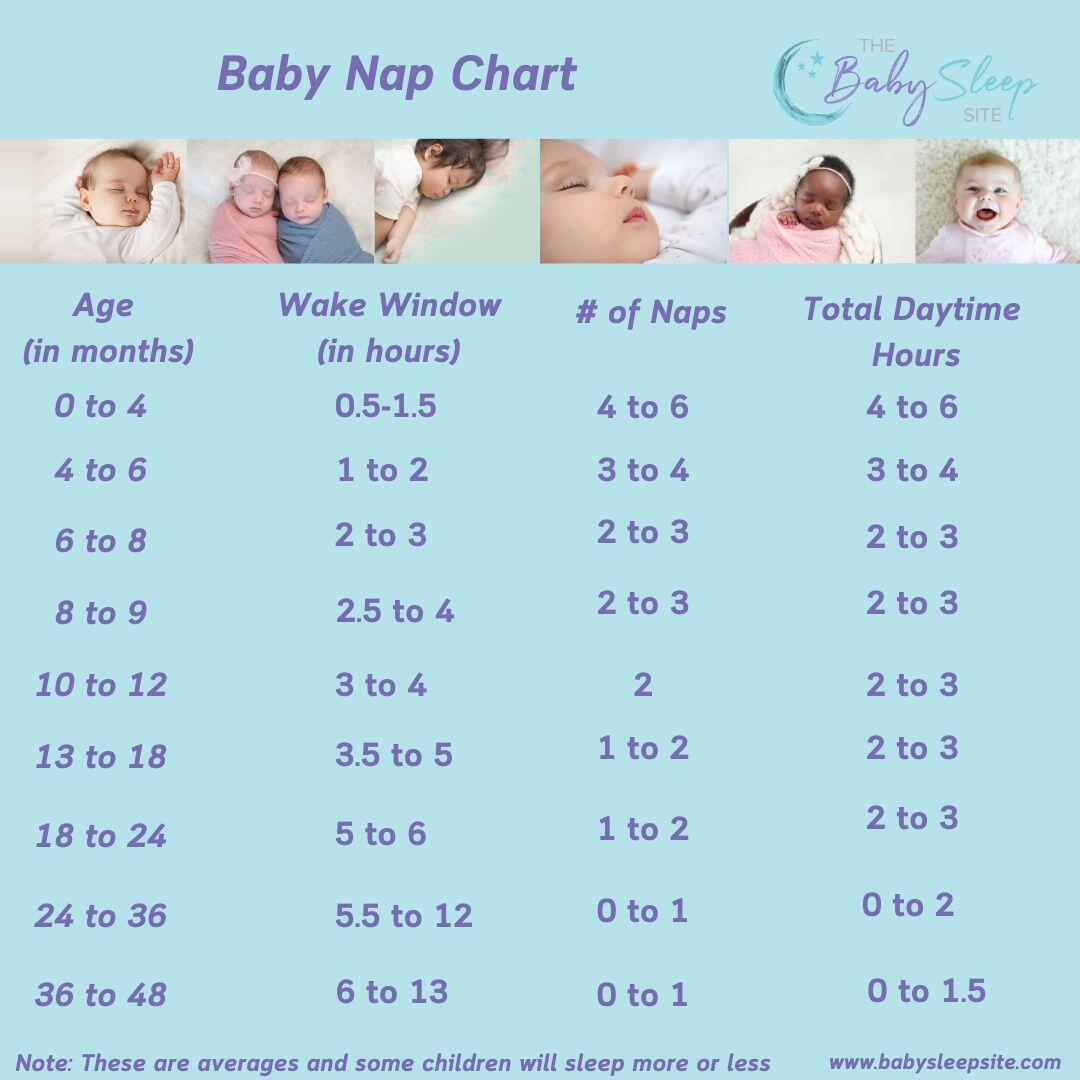
Image Source: www.babysleepsite.com
The Big Value of Toddler Naps
Naps are not just quiet times. They are very important for your toddler’s growth. Proper daytime sleep helps many things. It boosts their learning. It helps their memory. It keeps them in a good mood. Naps also give their bodies time to rest and grow.
When toddlers get enough naps, they are less fussy. They learn better. They also have stronger immune systems. Without enough sleep, toddlers can become overtired. This can lead to tantrums. It can also make it harder for them to fall asleep at night. So, naps are a key part of toddler sleep requirements. They help your child be happy and healthy.
Deciphering Toddler Sleep Needs
Every toddler is different. Yet, there are common sleep guidelines for 1-3 year olds. These guidelines help us know how much sleep children need. This includes both night sleep and naps.
A baby’s sleep changes a lot as they grow. Newborns sleep most of the day. They take many short naps. As they become toddlers, their sleep gets more regular. They take fewer naps. But each nap lasts longer. This change is normal. It shows their brains and bodies are growing.
Toddlers need a lot of sleep. Most need 11 to 14 hours of total sleep each day. This total includes their night sleep and their naps. If a toddler sleeps 10 hours at night, they will need 1 to 4 hours of naps. This helps them reach their total sleep goal. It helps them stay healthy.
Ideal Nap Length for Toddlers by Age
The ideal nap length for toddlers changes as they get older. What works for a 1-year-old might not work for a 2-year-old. Here is a look at what most toddlers need at different ages.
H4: Toddlers Aged 12 to 18 Months
At this age, many toddlers are moving from two naps to one. This can be a tricky time. Some toddlers might still need two naps. Others are ready for just one.
- Nap Schedule: Many toddlers at this age are ready for one long nap. This nap usually happens in the middle of the day. It is often after lunch.
- Nap Duration: This single nap often lasts 1 to 2.5 hours. It can be longer sometimes.
- Total Daily Sleep: They still need 11 to 14 hours of sleep in total. This includes about 10-12 hours at night. It also includes 1-2.5 hours during the day.
- Signs of Readiness for One Nap:
- They fight their second nap.
- Their morning nap gets shorter.
- Their afternoon nap gets shorter.
- They take longer to fall asleep at night.
- They wake up early after a two-nap day.
If your toddler shows these signs, they might be ready. You can slowly switch them to one nap. This might mean moving their one nap earlier at first. Then, you can shift it later bit by bit.
H4: Toddlers Aged 18 to 24 Months
Most toddlers at this age have settled into one nap per day. This one nap is very important. It helps them recharge for the rest of the day.
- Nap Schedule: One daily nap, usually after lunch. This nap often starts between 12:30 PM and 1:30 PM.
- Nap Duration: This nap usually lasts 1.5 to 3 hours. A solid, long nap is common.
- Total Daily Sleep: They still need 11 to 14 hours of sleep total. This includes about 10-12 hours at night. It also includes 1.5-3 hours during the day.
- Importance of Consistency: Keeping the nap time the same helps a lot. It helps your toddler’s body know when to expect sleep. A regular toddler nap schedule helps them settle down easily.
If your toddler is struggling with nap time, look at their schedule. Are they getting enough play time? Is their room dark enough? These small things can make a big difference.
H4: Toddlers Aged 2 to 3 Years
By 2 years old, many toddlers still need their nap. Some might start to skip it. This is a sign of the upcoming nap transition for toddlers.
- Nap Schedule: One daily nap, often in the early afternoon.
- Nap Duration: This nap usually lasts 1 to 2.5 hours. Some days it might be shorter. Some days they might skip it.
- Total Daily Sleep: They still need 11 to 14 hours of sleep total. This includes about 10-12 hours at night. It also includes 1-2.5 hours during the day.
- Signs of Dropping the Nap:
- They fight nap time often.
- They lie in bed but do not sleep.
- Naps make them stay up late at night.
- They are not tired during the day even without a nap.
Some toddlers stop napping around age 3. Others might nap until age 4 or 5. It is important to watch your child. Their behavior will tell you if they still need their nap. If they are happy and not tired without a nap, they might be ready to stop. If they become cranky, they likely still need that quiet time.
How Many Naps Should a Toddler Take?
The number of naps changes as your child grows. This is a big part of age-appropriate nap duration. Most toddlers move from two naps to one. Then, they move from one nap to no nap.
H4: The Two-to-One Nap Switch
This switch usually happens between 12 and 18 months. It is a big change. Your toddler’s body is getting better at staying awake longer.
-
Signs They Are Ready:
- They start fighting one of their two naps. Often, it is the afternoon one.
- One nap becomes very short.
- They take a long time to fall asleep for a nap.
- They wake up early from naps.
- They have trouble falling asleep at night after two naps.
-
How to Make the Switch:
- Delay the Morning Nap: Slowly push the morning nap later by 15-30 minutes each day.
- Cut the Afternoon Nap: Make the afternoon nap shorter or skip it on some days.
- Find the Middle Ground: Aim for one nap in the middle of the day. This nap should start around 12:30 PM to 1:30 PM.
- Be Patient: This can take days or weeks. Some days might be harder.
- Offer Quiet Time: Even if they do not nap, offer a quiet time in their room. They can look at books or play quietly. This still gives them rest.
This switch can be tricky. Your toddler might be tired during the change. Try to be flexible. Move bedtime earlier if needed. This helps make up for less daytime sleep for toddlers.
H4: The One-Nap-to-No-Nap Switch
This switch usually happens between ages 2.5 and 4 years. It is often the last big nap change.
-
Signs They Are Ready:
- They regularly fight their one nap. They might sing or talk in their crib.
- They lie in bed but do not sleep for their nap.
- Napping makes it very hard for them to fall asleep at night.
- They are happy and well-behaved without a nap. They do not get tired or grumpy.
-
How to Make the Switch:
- Reduce Nap Length: Slowly make the nap shorter.
- Skip Naps: On some days, let them skip the nap if they are not tired.
- Offer Quiet Time: Even if they do not nap, keep the quiet time. This helps them rest. They can read or play quietly in their room. This is still a good break for them and for you.
- Move Bedtime Earlier: If they skip a nap, put them to bed earlier at night. This prevents them from getting overtired. Overtired toddlers can have more trouble sleeping.
It is important to remember that this process is slow. Some days your child might nap. Other days they might not. Follow your child’s cues. Their behavior will tell you what they need.
Crafting a Toddler Nap Schedule
A toddler nap schedule helps your child get enough rest. It also helps your day feel more planned. Here are some example schedules. Remember, these are guides. Adjust them to fit your child and your family life.
H4: Example Schedules
| Age Group | Morning Wake Time | Nap Time (Start) | Nap Length (Hours) | Bedtime (Start) | Total Daily Sleep (Hours) |
|---|---|---|---|---|---|
| 12-18 Months | 6:30 AM – 7:30 AM | 12:30 PM – 1:30 PM | 1.5 – 2.5 | 6:30 PM – 7:30 PM | 11 – 14 |
| (One Nap) | |||||
| 18-24 Months | 6:30 AM – 7:30 AM | 12:30 PM – 1:30 PM | 1.5 – 3 | 6:30 PM – 7:30 PM | 11 – 14 |
| 2-3 Years | 6:30 AM – 7:30 AM | 1:00 PM – 2:00 PM | 1 – 2.5 | 7:00 PM – 8:00 PM | 11 – 14 |
| (Still Napping) |
- Key Points for Any Schedule:
- Be Consistent: Try to keep nap and bed times the same each day. This helps set your child’s body clock.
- Watch for Cues: Still pay attention to your child’s tiredness signs. If they are tired earlier, put them down earlier.
- Adjust as Needed: Life happens. Do not stress if you miss a nap or if it is shorter. Just get back on track the next day.
- Nap Environment: Make the nap space dark, quiet, and cool.
Signs Toddler Needs Nap
How do you know if your toddler needs a nap? They will give you clues. Learning to spot these signs toddler needs nap is key. Putting them down too late can make it harder for them to sleep.
H4: Common Tiredness Signs
- Rubbing Eyes: This is a classic sign. They might rub their eyes or eyelids.
- Yawning: Frequent yawning shows their body is getting ready for sleep.
- Fussiness: They might be more irritable. They might cry more easily.
- Clinginess: They might want to be held more. They might act like a younger baby.
- Loss of Interest: They stop playing. They do not want to do their usual activities.
- Staring into Space: They might look vacant or distant.
- Hyperactivity: Sometimes, overtired toddlers become hyper. They might run around wildly. This is their body trying to fight sleep.
- Trouble Focusing: They might not pay attention. They might seem clumsy.
If you see these signs, it is time for a nap. Do not wait too long. Putting an overtired toddler to bed can lead to a harder time falling asleep. It can also lead to shorter naps.
Examining Toddler Nap Regression
What is toddler nap regression? It is when a toddler who used to nap well suddenly fights naps. Or they might stop napping for a time. This can be very frustrating for parents. But it is a normal part of growth.
H4: Why Naps Get Harder
Nap regressions often happen during big growth spurts. They can also happen when children learn new skills.
-
Developmental Leaps:
- Walking: Learning to walk is a huge step. They want to practice this skill. They might not want to lie still for a nap.
- Talking: Learning new words or how to talk more can make them want to stay awake.
- Separation Anxiety: Around 18 months, many toddlers get anxious when you leave them. This can make them fight naps. They do not want you to go.
- Boundary Testing: As they get older (around 2 years), toddlers test limits. They might say “no” to nap time.
-
Changes in Routine:
- Travel: A trip can throw off their schedule.
- New Sibling: A new baby can cause stress.
- Illness: Being sick can make it hard to sleep.
- Teething: Pain from new teeth can keep them awake.
H4: How to Handle Nap Regression
- Stick to the Routine: Keep your nap routine strong. This means doing the same things before every nap. For example, reading a book, dimming lights, and singing a song. Predictability helps them feel safe.
- Offer Comfort: If separation anxiety is an issue, offer extra comfort. A quick hug, a special blanket, or a favorite toy can help.
- Be Firm but Kind: Let your toddler know that it is nap time. Be clear about your expectations. But do not make it a fight.
- Adjust if Needed: If the regression lasts a long time, their sleep needs might be changing. You might need to adjust their nap time or length.
- Consider Quiet Time: If they truly will not nap, offer quiet time. They stay in their crib or room for an hour. They can play quietly. This still gives them a rest. It also gives you a break.
Remember, regressions are usually short-lived. They often last a few weeks. Consistency and patience are your best tools.
Grasping Nap Transition for Toddlers
The nap transition for toddlers refers to when they move from needing more naps to fewer naps. This is a big step. It means their sleep patterns are changing. It is a sign of growing up.
H4: Moving from Two Naps to One
This transition usually happens around 12 to 18 months.
-
Signs to Watch For:
- Your toddler skips one nap.
- They take a long time to fall asleep for one nap.
- They seem less tired at their usual nap times.
- They wake up early from a nap.
- They resist bedtime after two naps.
-
How to Manage the Switch:
- Shift the Nap: Slowly move their morning nap later by 15-30 minutes every few days. Do this until it meets the afternoon nap time.
- Aim for Midday: The goal is one nap in the early afternoon. This is usually 12:30 PM to 1:30 PM.
- Early Bedtime: For a while, put them to bed earlier at night. This helps them get enough sleep.
- Quiet Time: On days they struggle with the single nap, offer quiet time.
H4: Moving from One Nap to No Naps
This transition usually happens between ages 2.5 and 4 years. This is the last big nap change.
-
Signs to Watch For:
- Your toddler stops napping regularly.
- They fight nap time daily.
- Naps make them stay up late at night.
- They are not tired during the day even without a nap.
-
How to Manage the Switch:
- Slow Fade: Do not cut out the nap all at once. Some days they might nap, some days not.
- Quiet Time is Key: Replace the nap with quiet time. This helps them rest their bodies and minds. They can look at books, do puzzles, or play quietly in their room.
- Watch Night Sleep: If they stop napping, they will need more night sleep. Move bedtime earlier. Sometimes by 30-60 minutes.
- Be Flexible: There will be tired days. On those days, a short nap or extra quiet time might be needed.
It is important to remember that every child is different. Some children give up naps sooner. Some keep them longer. Focus on your child’s overall mood and energy. If they are happy and not overtired, they are likely getting enough sleep.
Creating a Soothing Nap Environment
A good sleep space helps your toddler nap well. It sends a clear message to their body. It says, “It is time to rest.”
H4: Key Elements of a Good Nap Space
- Darkness: Make the room as dark as possible. Use blackout curtains. Even a little light can stop sleep.
- Cool Temperature: The room should be cool, but not cold. Around 68-72°F (20-22°C) is often good.
- Quiet: Block out noise. Use a white noise machine if needed. This can cover up household sounds. It can also be a calming sound.
- Comfortable Sleep Surface: A safe crib or toddler bed is important. Make sure it is comfortable.
- Familiarity: Keep the nap space the same. This helps your child feel safe and secure.
H4: The Power of a Nap Routine
A nap routine is a short set of steps you do before every nap. It signals to your child that nap time is coming.
- Simple Steps: It does not need to be long. A quick routine can be:
- Change diaper.
- Read a short book.
- Cuddle for a minute.
- Put them in their crib or bed.
- Say a special phrase like, “Time for naps, sweet dreams.”
- Consistency is Key: Do the same routine every time. This helps your child know what to expect. It helps them calm down.
Common Nap Challenges and Solutions
Even with a good schedule, nap challenges can pop up. This is normal. Here are some common problems and how to deal with them.
H4: My Toddler Refuses to Nap
- Is it a Regression?: Check for signs of toddler nap regression. Is there a new skill or change in their life?
- Are They Overtired?: Sometimes, toddlers fight naps because they are too tired. Try putting them down earlier.
- Are They Not Tired Enough?: Maybe they did not get enough active playtime. Or they are ready to drop a nap.
- Keep Quiet Time: Even if they do not sleep, make them stay in their room for quiet time. This still gives them a rest. It also gives you a break.
H4: My Toddler Takes Short Naps
- Are They Getting Enough Night Sleep?: A good night’s sleep can help with good naps.
- Is the Environment Good?: Is the room dark, quiet, and cool? Is anything waking them up?
- Consistent Schedule?: Are you putting them down at the same time each day?
- Patience: Sometimes, short naps are just a phase. Keep offering the nap. Their bodies might just be getting used to it.
H4: My Toddler Wakes Up Crying from Naps
- Overtiredness: If they are overtired when they go down, they might wake up grumpy.
- Sleep Cycles: Toddlers have shorter sleep cycles than adults. They might stir between cycles. Give them a few minutes to resettle themselves.
- Hunger or Thirst: Make sure they are not hungry or thirsty before their nap.
- Comfort: Make sure their diaper is dry. Check their room temperature.
H4: My Toddler Naps Well But Stays Up Late
- Nap Too Long?: Is their nap too long? This can push back bedtime. Try shortening the nap by 15-30 minutes.
- Nap Too Late?: Is their nap starting too late in the day? This can make it hard to fall asleep at night. Try moving the nap earlier.
- Too Much Total Sleep?: Check the toddler sleep requirements. Are they getting too much sleep in total? This is rare but possible. Most toddlers need 11-14 hours.
When to Seek Expert Help
Most nap issues are normal. They can be fixed with patience and good habits. But sometimes, a deeper issue might be at play.
H4: Talk to Your Doctor If:
- Serious Sleep Problems: Your child has severe trouble sleeping. This includes very short naps or no naps.
- Extreme Fussiness: They are always tired or very grumpy.
- Breathing Issues: You notice loud snoring or pauses in breathing during sleep. This could be sleep apnea.
- Chronic Night Waking: They wake many times at night and cannot go back to sleep easily.
- Behavioral Issues: Their sleep issues are causing big problems with their behavior during the day.
- Unusual Sleep Patterns: Their sleep patterns seem very different from typical sleep guidelines for 1-3 year olds.
Your doctor can check for health issues. They can also offer advice. They might send you to a sleep expert if needed.
Wrapping Up
Finding the ideal nap length for toddlers is an ongoing process. It changes as your child grows. It is about watching their signs toddler needs nap. It is also about setting up a good toddler nap schedule. Remember that daytime sleep for toddlers is crucial. It helps them learn, grow, and be happy. Be consistent. Be patient. Celebrate the small wins. Your child will get the rest they need.
Frequently Asked Questions
H3: How long should a 1-year-old nap?
A 1-year-old usually naps for 1 to 2.5 hours in total during the day. Many are in the process of moving from two naps to one longer nap. This one nap is often in the early afternoon.
H3: What is the best nap time for a 2-year-old?
The best nap time for a 2-year-old is usually in the early afternoon. This is often between 12:30 PM and 1:30 PM. A typical nap lasts 1.5 to 3 hours.
H3: Do all toddlers need a nap?
Most toddlers need a nap until around age 3 or 4. Some might drop their nap earlier or later. It depends on the child. Watch for signs toddler needs nap. If they are happy and not tired without a nap, they might not need it anymore.
H3: How do I know if my toddler is ready to drop their nap?
Your toddler might be ready to drop their nap if they:
* Consistently fight nap time.
* Lie in bed but do not sleep for their nap.
* Nap but then struggle to fall asleep at night.
* Are not tired or grumpy without a nap during the day.
H3: What if my toddler takes a very short nap?
Short naps can happen for many reasons. Your toddler might be overtired. Their nap environment might not be good. Or they might be going through a toddler nap regression. Try to keep a consistent nap schedule. Make the room dark and quiet. Offer an earlier bedtime if their nap was short.
H3: Is it okay for my toddler to nap in the car or stroller?
Short naps in the car or stroller are okay sometimes. But they are not as good as naps in a crib or bed. Naps on the go are often shorter and less restful. Try to have most naps in a quiet, dark place.