
Many parents wonder, “How long should you let a toddler cry at night?” The answer changes based on the method you choose and your child’s needs. The cry it out method for toddlers, also known as CIO, is a sleep training approach where you allow your child to cry for set times before offering comfort. Is cry it out harmful? Research suggests it is not harmful to a child’s bond with parents or their stress levels in the short term, when done correctly. However, it’s not right for all families. We will explore different ways to help your toddler sleep better. We will also discuss when to stop cry it out if it is not working.
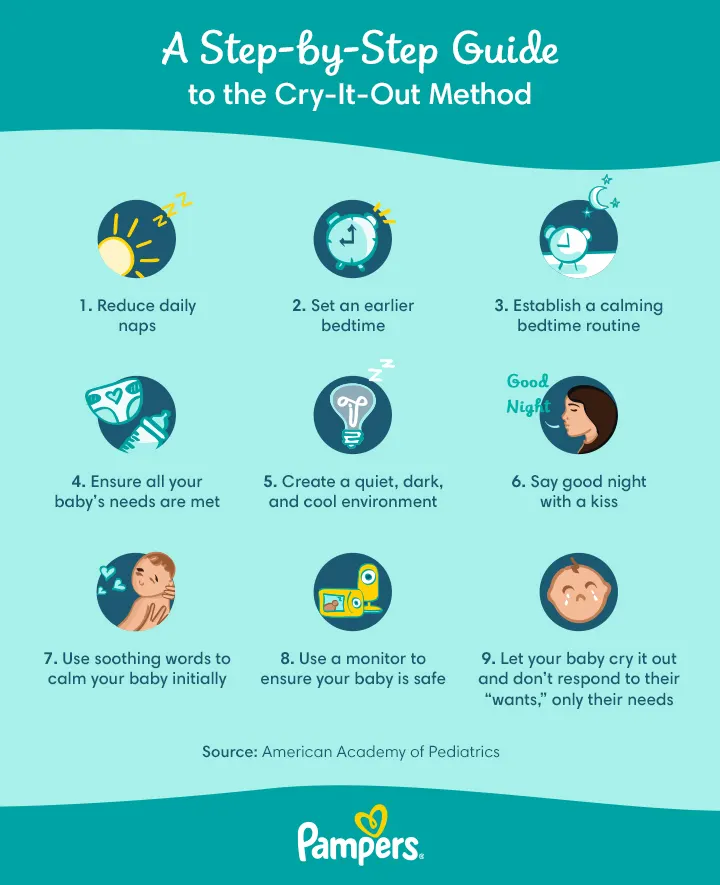
Image Source: images.ctfassets.net
Grasping the Basics of CIO
The cry it out method, or CIO, is a way to teach babies and toddlers to fall asleep on their own. It means you let them cry for some time without much help from you. The idea is that your child learns to calm down and sleep without your direct aid. This method aims to build strong, independent sleep habits.
There are different types of CIO. Some are stricter. Some are more gentle. The goal is always the same: for your child to sleep through the night. Many parents consider this method when they face broken sleep nights. They may be tired and need more rest.
Why Parents Consider CIO for Toddlers
Toddlers often face sleep challenges. These can be tough for the whole family. Many parents seek help for common sleep issues.
Some reasons parents think about CIO include:
- Tiredness: Parents often feel very tired from a lack of sleep. Their toddler may wake up many times a night. This can make daily life hard.
- Building good habits: Parents want their child to learn to sleep alone. They hope this will lead to better rest for years to come.
- Toddler sleep regression: Toddlers can have times when their sleep gets worse. This is called toddler sleep regression. It can happen around 18 months or 2 years. CIO can be a way to get sleep back on track.
- Past sleep aids: Maybe the toddler needed a parent to fall asleep. This might have been rocking or feeding. CIO can help them stop needing these things.
Examining Whether CIO Is Harmful
A big question for many parents is: is cry it out harmful? This is a valid concern. Parents want to do what is best for their child. Research has looked into this.
Most studies suggest that CIO, when done correctly, does not cause long-term harm. It does not seem to hurt the parent-child bond. It also does not seem to cause lasting stress problems. Children usually adapt quickly.
Some points to keep in mind:
- Stress hormones: Some people worry about stress hormones. Studies show that a child’s stress levels may go up at first. But they usually go back down once the child learns to sleep. The bond with the parent also stays strong.
- Attachment: There is no strong proof that CIO harms the bond between a child and parent. A secure bond comes from many loving interactions. Sleep training is just one small part of that.
- Individual child: Every child is different. Some children may not do well with CIO. It is important to watch your child’s reactions. If they seem very upset for a long time, it might not be the right choice.
CIO Age Suitability
The age of your child matters when thinking about CIO. CIO age suitability is an important factor. Experts usually do not suggest CIO for very young babies.
Here’s a general guide:
- Under 4-6 months: Most experts say no to CIO for babies this young. Newborns need to be fed often. They cannot soothe themselves yet. Crying is their main way to tell you they need something.
- 6 months to 1 year: This is often when parents start thinking about CIO. Babies can usually sleep for longer stretches. They are also learning to soothe themselves.
- Toddlers (1-3 years): CIO can be used for toddlers. They are older and can understand more. But they might also be more stubborn. They might be able to get out of bed. This makes it a bit different.
Important Note: Always talk to your child’s doctor before starting any sleep training. Make sure your child is healthy and gaining weight well. They will give you advice specific to your child.
Different CIO Approaches
There are many ways to do sleep training. Some are more intense. Some are softer. Knowing the options helps you choose the best fit for your family.
Pure Cry It Out (Extinction Method)
This is the classic “cry it out” method. It is sometimes called the “extinction” method.
- How it works: You put your child in their crib awake. You then leave the room. You do not go back in until morning. Or you go in only for major issues like illness.
- Idea behind it: The child learns that crying will not bring you back. They then learn to fall asleep on their own.
- Pros: It can work very fast. Some parents see results in a few nights.
- Cons: It can be very hard for parents to listen to their child cry. Some worry about the child feeling alone.
Controlled Crying Techniques (Ferber Method)
This method is often called “controlled crying techniques.” Dr. Richard Ferber made it popular. It is a gentler version of CIO. It involves checking on your child at set times. This allows for comfort without fully rescuing them.
- How it works: You put your child in their crib awake. You leave the room. If they cry, you wait for a set time before going back in. When you go in, you offer comfort quickly. You do not pick them up. You do not stay long. Then you leave again. The waiting times get longer each night.
- Idea behind it: Your child learns to soothe themselves. But they also know you are there for them.
- Pros: It gives parents a way to check on their child. This can make parents feel more at ease. It can still work quickly.
- Cons: It still involves crying. It needs a lot of consistency.
How Long to Let Toddler Cry at Night with Controlled Crying:
Here is a common schedule for controlled crying. This is often how long to let toddler cry at night with the Ferber method.
| Night | First Check-in | Second Check-in | Third Check-in & Beyond |
|---|---|---|---|
| 1 | 3 minutes | 5 minutes | 10 minutes |
| 2 | 5 minutes | 10 minutes | 12 minutes |
| 3 | 10 minutes | 12 minutes | 15 minutes |
| 4+ | Increase by 2-3 minutes each time | Increase by 2-3 minutes each time | Increase by 2-3 minutes each time |
- Important: When you check in, do not pick up your child. Speak softly. Pat their back. Say, “It’s time to sleep.” Leave after 1-2 minutes. The goal is to reassure, not to settle them.
Gentle Sleep Training Toddler Methods
Many parents prefer gentle sleep training toddler methods. These methods focus on less crying or no crying at all. They usually take longer to work. But they can feel more natural to some families. These are often called sleep training without crying.
- How it works: These methods slowly teach your child to sleep alone. You might stay in the room. You might move further away each night. Or you might offer comfort more often.
- Idea behind it: To slowly remove your help. This lets your child get used to falling asleep on their own.
- Pros: Very little or no crying. Can feel more loving for some families.
- Cons: Can take many weeks to see results. Needs a lot of patience.
Some gentle methods include:
- Fading: You slowly reduce your presence. You might sit by the crib. Then move your chair closer to the door each night.
- Chair method: Similar to fading. You start in a chair next to the crib. You move the chair closer to the door each night. Eventually, you leave the room.
- Pick-up/Put-down: For younger babies, you pick them up when they cry. You put them back down as soon as they calm. This can be too stimulating for toddlers.
- Bedtime fading: You put your child to bed a bit later than usual. This means they are very tired. You slowly move bedtime earlier as they learn to fall asleep faster.
These options show that sleep training is not one-size-fits-all. You can pick the method that fits your child and your family best.
Fathoming Toddler Sleep
To help a toddler sleep, it helps to know how they sleep. Toddler sleep regression is a real thing. It can make sleep tough.
What is toddler sleep regression?
This is when a toddler who was sleeping well suddenly starts waking often. They may fight bedtime. This usually happens around 18 months or 2 years old.
Reasons for toddler sleep regression:
- Big changes: Learning to walk or talk can make sleep harder.
- Separation anxiety: Toddlers might worry when you leave. They want you near.
- Teething: New teeth can cause pain.
- Nightmares/night terrors: These can start around this age.
- Schedule changes: Moving to one nap or dropping naps can affect night sleep.
Knowing about these regressions helps parents set realistic goals. Sleep training during a regression can be harder. It’s often best to wait until things settle.
Normal Toddler Sleep Needs:
Toddlers need a lot of sleep. Most need 11-14 hours in a 24-hour day. This includes naps.
| Age | Total Sleep (24 hours) | Night Sleep (average) | Naps (average) |
|---|---|---|---|
| 12-18 months | 11-14 hours | 10-12 hours | 1-2 naps |
| 18 months-3 years | 11-14 hours | 10-12 hours | 1 nap |
These numbers are averages. Some toddlers need more. Some need less.
Creating a Solid Sleep Plan
No matter which sleep training method you choose, a good plan helps. This makes sleep training more likely to work.
Bedtime Routine: A Key Element
A steady bedtime routine tells your child it is time to wind down. It cues their body for sleep.
A good routine might include:
- Dinner: A healthy meal a bit before bed.
- Bath: A warm bath can be calming.
- Pajamas: Getting dressed for bed.
- Quiet play: Gentle, calm play. No screens or roughhousing.
- Reading books: A few quiet stories.
- Cuddle time: Special moments with you.
- Lights out: Put your child in bed, turn off the lights.
Keep the routine the same every night. Do it in the same order. This helps your child know what to expect.
Sleep Environment: Setting the Stage
The room where your toddler sleeps should be a good place for sleep.
- Dark: Make the room very dark. Use blackout curtains.
- Quiet: Reduce outside noise. A white noise machine can help block sounds.
- Cool: The room should be a comfortable temperature. Not too hot or cold. Around 68-72°F (20-22°C) is often good.
- Safe: The crib or bed should be safe. No loose blankets or toys for younger toddlers.
Consistency is very important for sleep training. Do the same thing every night. Make sure everyone helping with sleep training follows the same plan. This includes partners, grandparents, or babysitters.
Long Term Effects of CIO
Parents often worry about the long term effects of CIO. What does the science say?
Most research shows that CIO, when done correctly and for healthy children, does not cause lasting harm.
Key findings often include:
- No harm to emotional health: Studies do not show that CIO leads to more anxiety or emotional problems later in life.
- No harm to parent-child bond: The bond between a child and parent remains strong. It is built on many interactions, not just sleep training.
- Better sleep for all: Both children and parents often get more sleep. This can lead to less stress for the whole family.
- Improved child mood: Children who sleep better are often happier and more alert during the day.
However, these findings are based on studies of typically developing children. They assume parents are loving and responsive during waking hours. CIO is not a fix for all problems. If a child has special needs or deep fears, it might not be the best choice. Always consider your child’s unique personality.
When to Stop Cry It Out
Sometimes, sleep training might not work. Or it might feel wrong for your family. Knowing when to stop cry it out is important.
Signs it might be time to pause or stop:
- Extreme distress: Your child seems extremely upset. They might cry for hours without stopping. They might throw up from crying. This is beyond normal protest cries.
- No progress after a week or two: Most CIO methods show some improvement within a few nights. If there is no change after 1-2 weeks, the method might not be working.
- Your gut feeling: If you feel strongly that it is not right for your child, trust your instincts. Your peace of mind as a parent matters.
- Child gets sick: If your child gets a fever or seems unwell, stop sleep training. Comfort them as needed. Restart when they are healthy.
- Major life changes: If you are moving, or there is a new sibling, or a big change in daycare, it might be best to pause. Wait until things settle down.
What to do if you stop:
- Reassess: Think about why it did not work. Was it the method? The timing? Your consistency?
- Try a different method: Maybe a more gentle approach, like sleep training without crying, would be better.
- Seek help: Talk to your pediatrician. They might suggest a sleep consultant.
Sleep Training Without Crying: Other Paths
If CIO does not feel right, or if it does not work, there are other ways. These are often called gentle sleep training toddler methods, or sleep training without crying. They focus on teaching independent sleep with minimal tears.
-
The “Camping Out” Method (Chair Method):
- How it works: You put your toddler in their crib. You sit on a chair next to the crib. You do not talk or interact much. Each night, you move the chair closer to the door. Eventually, you are out of the room.
- Pace: This is slow. It can take weeks.
- Pros: Very little crying. Your child knows you are near.
- Cons: Needs a lot of patience from parents. Takes more time.
-
Bedtime Fading:
- How it works: You make bedtime later at first. You put your child to bed when they are very tired. They fall asleep fast. Once they do, you slowly move bedtime earlier by 10-15 minutes every few nights.
- Pace: Can be faster than camping out.
- Pros: Little crying. Builds sleep drive.
- Cons: You might have to stay up later for a while.
-
The “Disappearing Parent” Method:
- How it works: Similar to camping out. You are in the room as your child falls asleep. Over days or weeks, you slowly step further away. You might start by holding their hand. Then patting their back. Then sitting by the bed. Then by the door. Then leaving the room.
- Pace: Can be very slow.
- Pros: Very gentle. Almost no crying.
- Cons: Can take a long time. Needs strong commitment.
These gentle methods offer a way to get better sleep. They allow you to stay close to your child during the process. They show that there are many ways to teach a child to sleep well.
When to Seek Expert Help
Sometimes, sleep problems are more than just habits. If you are struggling, it is wise to get help.
Talk to your child’s doctor if:
- Your child has health issues.
- Sleep training does not work after trying for a while.
- Your child has severe sleep problems. This could be very loud snoring, trouble breathing during sleep, or extreme restlessness.
- You feel very overwhelmed or stressed by the lack of sleep.
A doctor can check for medical reasons for sleep issues. They might suggest seeing a sleep specialist. A certified sleep consultant can also offer personalized plans. They can guide you through the process step by step.
Conclusion
Deciding how long to let a toddler cry it out is a personal choice. There are many ways to help your toddler sleep better. Some parents choose structured methods like controlled crying techniques. These involve set times for crying. Other parents prefer gentle sleep training toddler methods, aiming for sleep training without crying.
No matter your choice, knowledge is power. Knowing about CIO age suitability, toddler sleep regression, and the long term effects of CIO helps you decide. A consistent bedtime routine and a good sleep space are key. Remember to watch your child’s signals. If sleep training feels wrong, or if it causes too much distress, it is okay to pause or try something new. The goal is to help your whole family get the rest you need. Always put your child’s well-being first.
Frequently Asked Questions (FAQ)
Q1: At what age can you start the cry it out method for toddlers?
You can start CIO for toddlers generally after 6 months of age. For toddlers (1-3 years old), it can be used, but they might be more resistant. Always talk to your doctor first.
Q2: Is the cry it out method bad for my toddler?
Most research suggests CIO is not harmful to a child’s bond or their emotional health in the long term, if done correctly. However, it’s not for every family or every child.
Q3: What if my toddler is going through a toddler sleep regression? Should I still do CIO?
It’s often best to wait until a sleep regression passes before starting or restarting sleep training. Regressions are often due to developmental leaps, and sleep training during this time can be harder.
Q4: How long should a typical CIO session last for a toddler?
With controlled crying techniques (like Ferber), you let your toddler cry for set, increasing time periods (e.g., 3, 5, 10 minutes). The total time of crying varies each night. For pure CIO, you might not go in until morning after the initial put-down.
Q5: Are there ways to do sleep training without crying?
Yes, gentle sleep training toddler methods aim to minimize crying. These include the chair method, bedtime fading, or the disappearing parent method. These often take longer but can be less stressful for some families.
Q6: When should I consider stopping the cry it out method?
Stop if your toddler shows extreme distress, if there’s no progress after 1-2 weeks, if they get sick, or if your parental instinct tells you it’s not the right path for your child.