
How long is it safe to let a toddler cry it out? There isn’t one set time for every child. Safety is key. It means making sure your child is okay and not truly in danger or sick. Sleep training, including methods like crying it out, aims to help toddlers learn to fall asleep on their own. For toddlers, this usually involves letting them fuss or cry for short, planned times. The goal is for them to learn to comfort themselves to sleep without you needing to be right there. Many parents look into this when facing sleep issues like frequent night waking or needing a parent present to fall asleep.
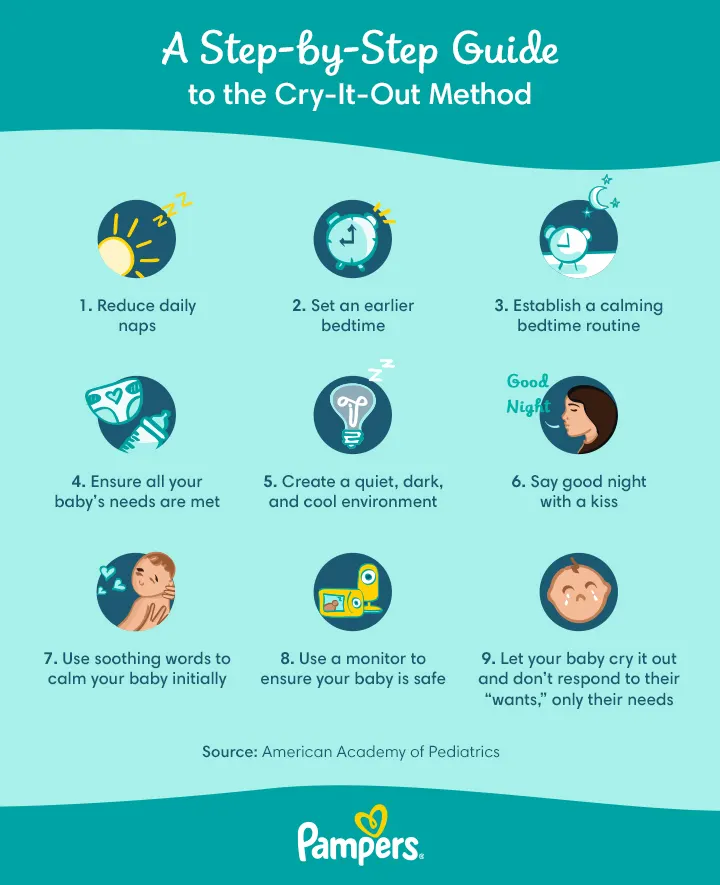
Image Source: images.ctfassets.net
Deciphering Cry It Out (CIO)
Cry it out, often called CIO, is a way to help a child learn to sleep alone. The main idea is that children need to learn to settle themselves down. When you always help them fall asleep, they don’t get the chance to learn this skill.
What CIO Means
CIO means putting your child to bed awake. Then, you leave the room. You let them fuss or cry for a time. This teaches them that they can be okay even when alone in their crib or bed. It’s about giving them space to find their own comfort. It is not about ignoring their needs completely. It’s about teaching them they don’t need help to fall asleep each time they wake.
Why Parents Think About CIO
Many parents think about CIO when sleep becomes a big problem.
* Overtired toddler crying: Sometimes, a toddler cries because they are overtired. They struggle to switch off. Sleep training can help them fall asleep faster before they reach that overtired state.
* Frequent waking: Toddlers might wake up a lot at night. If they need a parent to go back to sleep each time, nobody gets good rest.
* Sleep regression crying: Toddlers go through phases where sleep gets worse. This is called a sleep regression. Crying might increase during these times. Sleep training can help them get back on track after a regression.
* Difficulty falling asleep: Some toddlers take a long time to fall asleep at bedtime. CIO methods can shorten this time.
Parents often feel tired and stressed from lack of sleep. They look for a way to get more rest for everyone in the family.
Cry It Out Age Limit
When can you start thinking about CIO for a toddler? Most experts agree that full cry it out methods are not for very young babies. For toddlers, it’s usually considered from around 6 months or older. By the toddler stage (1-3 years), they are ready to learn more self-soothing skills. However, every child is different. Some parents wait longer. There isn’t a strict cry it out age limit that applies to everyone. It depends on the child’s growth and the parents’ feelings. Toddlers also understand more than babies. They might get upset for different reasons. Their crib is their safe space. CIO is often considered for toddlers who are at least a year old, sometimes older. It’s important they are healthy and growing well before trying any sleep training.
Various Sleep Training Methods Toddler Parents Use
There are different ways parents try sleep training. They all aim to help the child sleep alone. But they differ in how much crying is involved and how parents respond.
The Core Idea: Learning Self-Soothing
The main point of sleep training is teaching a child to self-soothe. This means they learn to calm themselves down and fall asleep on their own. When they wake up at night (which everyone does), they can go back to sleep without needing mom or dad.
Extinction Sleep Training
This is what many people think of as “cry it out.”
* How it works: You do the bedtime routine. You put your child in their crib or bed awake. You leave the room. You do not go back in until the planned waking time (like morning) or a set time for a feeding if still needed.
* The idea: By not going in, you remove the child’s reason to cry for your return. They learn that crying doesn’t make you come back right away. This helps them rely on themselves to settle.
* Concerns: This method can mean a lot of crying at first. Some parents find this very hard to listen to. There are worries about the child feeling left alone. However, research often shows that when done with a secure base (loving care during the day), it does not harm the parent-child bond.
Controlled Crying Technique (Graduated Extinction)
This method is also known as the Ferber method. It’s a popular controlled crying technique.
* How it works: You put your child to bed awake after the routine. You leave the room. If they cry, you wait a short time before going back in for a quick check. You do not pick them up or stay long. You just check they are okay and leave.
* The waiting times: You start with short waiting times. Maybe 5 minutes for the first check. If they are still crying after you leave, the next time you wait longer, maybe 10 minutes. The next time, maybe 15 minutes. Each time they wake or cry, the waiting times get longer.
* The goal: The checks let you see your child is safe. But they are short and boring so they don’t become a reward for crying. The child still learns you aren’t coming to help them sleep, but you are there if needed (after a wait).
* Ferber method timeline: Dr. Ferber suggests specific times to wait. They increase each night. For example:
* Night 1: Wait 3 mins, check. Wait 5 mins, check. Wait 10 mins, check. Then wait 10 mins for any more checks.
* Night 2: Wait 5 mins, check. Wait 10 mins, check. Wait 12 mins, check. Then wait 12 mins.
* Night 3: Wait 10 mins, check. Wait 12 mins, check. Wait 15 mins, check. Then wait 15 mins.
* The times keep getting longer each night. The exact times can be adjusted slightly based on the child and parent comfort. This is a typical Ferber method timeline.
Comparing Extinction and Controlled Crying
| Feature | Extinction Sleep Training | Controlled Crying Technique (Ferber) |
|---|---|---|
| Parent Response | No check-ins (until morning) | Brief check-ins at set times |
| Initial Crying | Can be intense for longer periods | Broken up by check-ins, might start stop |
| Parent Comfort | Harder for parents who want to check | Allows parents to feel they are checking |
| Learning Curve | Child learns faster there are no checks | Child learns crying gets checks, but they are brief |
| Complexity | Simple rules | Requires timing and sticking to intervals |
Both methods can work. The choice often depends on what the parents feel they can manage. Some parents find waiting outside harder than doing the brief checks. Others find that check-ins make their child cry harder, so full extinction works better for them.
How Long is “Safe”? The Crying It Out Timeline
This is the key question for many parents. How long is too long to let a toddler cry? There isn’t a stopwatch number that applies to every situation. Safety is the priority.
* Safe means basic needs met: Before you start any sleep training, make sure your toddler is fed, changed, and comfortable. Check for illness or fever. A sick child needs comfort, not sleep training.
* Safe means knowing the difference: Learn to listen to your child’s cry. Is it a “I’m mad/protest” cry? Or is it a “I’m in pain/scared” cry? Most sleep training involves protest crying. If the cry sounds truly distressed, panicked, or changes suddenly, you should go check on them right away, no matter the clock.
* Safe means listening to your gut: If you feel strongly that something is wrong, or if the crying feels too much for you or your child for too long, it is okay to pause or stop.
The Typical Crying It Out Timeline
When people talk about a crying it out timeline, they usually mean how long it takes for the process to work and for crying to reduce.
* The First Few Nights: These are usually the hardest. Crying is often loudest and longest here. This is when the child is protesting the change. They are used to getting help to sleep. They are testing the new rules.
* Within 3-4 Nights: For many children, the amount of crying starts to drop after the first 2-3 nights. They begin to learn the new routine.
* Within 7-10 Nights: Most children show a big improvement in sleep by the end of the first week or ten days. Crying at bedtime might become just fussing or stop completely. Night wakings might reduce or disappear.
* Consistency is Key: The speed of the crying it out timeline depends heavily on how consistent you are. If you stick to the plan every night, it usually works faster. If you give in sometimes after long crying, you teach the child that crying harder or longer eventually gets a result. This can make the process take much longer and involve more overall crying.
How Long to Wait During the Night?
This is where the method matters.
* Full Extinction: You might decide to wait until a certain time (e.g., 6 am) or a scheduled feeding time if applicable. This can mean minutes or even hours of crying initially. This is why understanding the difference between protest and distress crying is vital. You would always check for distress.
* Controlled Crying: You follow your set schedule of waiting times. The wait times increase. So, the longest you might wait for a check could go from 10 minutes to 20 minutes or more, based on your chosen plan. The child might cry during these waiting times. The total time they are crying before falling asleep should decrease over nights.
It’s not about letting a toddler cry for hours on end every night indefinitely. It’s about letting them cry as part of the learning process during a short training period. If your toddler is still crying hard for hours every night after a week or two of consistent effort, the method might not be working, or there might be another issue. This is a sign to rethink the approach or seek advice.
When is Crying Too Long?
This is a gray area and depends on the individual child, the parents, and the method used.
* For controlled crying: If your child cries non-stop with true distress for the maximum waiting time you set, and this happens repeatedly, it might be too much for that moment. Some parents decide to shorten the intervals or try again another night.
* For extinction: If the crying is prolonged (e.g., over an hour or more) and sounds truly panicked, it’s wise to check. Always check if you are worried.
* Consider overall well-being: Is the child okay during the day? Are they happy, eating, playing? If the crying seems to be affecting their mood or behaviour significantly during the day, the stress might be too high.
No specific time is right for every child. What’s safe is what you can manage as a parent while ensuring your child’s basic needs and emotional safety are met. Some crying is expected during the process. Constant, highly distressed crying is not the goal and may mean the method isn’t a good fit or needs changes.
Things That Impact the Process and Timeline
Several things can affect how long sleep training takes and how much a toddler cries.
Toddler’s Age
The cry it out age limit is not fixed, but age matters. An older toddler (2-3 years) understands more. They might protest more because they are used to things being a certain way. They might also be more strong-willed. However, they can also learn routines quickly once they accept them. A younger toddler (1 year) might adapt faster but could have different needs (like needing a feeding) that affect the plan.
Toddler’s Temperament
Some children are easygoing and adapt to change well. Others are more sensitive, stubborn, or have intense reactions. A child with a more sensitive temperament might cry more or find the process harder. Their crying it out timeline might be longer, or a gentler method might be a better fit.
Consistency of Parents
This is a huge factor. Doing the same thing every night, even naps if you include them, is vital. If you follow the plan one night, but give in quickly the next, the child gets a mixed message. This makes the process longer and often means more crying overall. Parents need to be on the same page and support each other.
Existing Sleep Habits
How was the child sleeping before? If they have always needed a lot of help to sleep (rocking, feeding to sleep, parent staying in the room), the change is bigger. There might be more initial protest compared to a child who already had some self-soothing skills.
Dealing with Overtired Toddler Crying
An overtired toddler crying can be very intense. It seems counter-intuitive, but being overtired makes it harder to fall asleep. They get a surge of cortisol (stress hormone). Sleep training helps them learn to fall asleep before they get overtired by setting earlier bedtimes and creating good sleep habits. So, while overtiredness might make the initial crying worse, the long-term effect of successful sleep training is reducing overtiredness and crying.
Handling Sleep Regression Crying
Sleep regression crying happens when a toddler who was sleeping well suddenly starts waking up a lot or fighting sleep. This can be due to growth spurts, learning new skills (walking, talking), teething, or changes in routine. Sleep training during a regression can help. It provides a clear structure for the child during a time of change. It helps them get back to their good sleep habits faster once the regression passes. However, it’s often best to ensure the child isn’t sick or going through a major change right when you start training.
Parental Comfort Level
Parents need to feel okay with the method they choose. If a parent is very stressed or anxious about the crying, it makes consistency harder. Their stress can also affect how the child feels (even if just picking up on tension). Choosing a method you can stick to, whether it’s full extinction or a more gentle approach, is important for success and for the family’s well-being.
When CIO Might Not Be Right (Gentle Sleep Training Alternatives)
CIO methods, especially extinction, are not the only way to teach sleep skills. They are not right for every family or every child.
Reasons to Choose Another Way
- Parent discomfort: Some parents simply cannot listen to their child cry for any length of time. It causes them too much stress or goes against their parenting beliefs.
- Specific child needs: Children with certain health issues, high anxiety, or trauma history may not be good candidates for methods involving crying. Always talk to a doctor first.
- Parenting philosophy: Some parents follow attachment parenting ideas. These often involve staying close to the child during the night and responding quickly to cries. CIO doesn’t fit this style.
Gentle Sleep Training Alternatives
These methods usually involve the parent staying with the child but slowly doing less to help them fall asleep. They typically involve little to no crying, but can take much longer to work.
* Chair Method: The parent sits on a chair next to the crib/bed until the child falls asleep. Each night (or every few nights), the chair is moved a little further away, until it is outside the room. The parent doesn’t interact much, just offers quiet presence.
* Bedside Settling: The parent stays right next to the crib/bed, perhaps offering a hand on the child or shushing, but doesn’t pick them up. They slowly reduce their interaction over time.
* Pick Up/Put Down: More often used for younger babies, this involves picking the child up when they cry, comforting them briefly, and putting them back down awake as soon as they stop crying, repeating as needed. Can be tiring with a toddler.
* Scheduled Waking: Wake the child up just before they usually wake up crying, soothe them quickly, and let them fall back asleep. The idea is to break a habit of waking at a certain time. Over time, you make the wake-up call later and later.
These gentle sleep training alternatives involve less crying but require a lot more parent time and patience. They can take weeks or even months to work compared to the faster results often seen with controlled crying or extinction.
Making It Work Safely and Effectively
If you choose a method involving crying, here’s how to do it safely and give it the best chance to work.
Build a Strong Base
- Good Bedtime Routine: Have a calming routine every night. Bath, pajamas, stories, quiet play. Do this in the same order each time. It signals that sleep is coming. Aim for 20-30 minutes.
- Great Sleep Environment: The room should be dark (blackout curtains help!), cool (18-22°C is often good), and quiet. White noise can help block out other sounds.
- Timing is Key: Put your child to bed when they are sleepy but awake. Avoid letting them fall asleep during the routine or feeding. Watch for their tired signs (rubbing eyes, yawning). Putting them down too early or too late (overtired) can make crying worse.
Before Starting
- Check Health: Make sure your child is not sick, teething badly, or going through a major change (like just moved rooms, a parent is away).
- Ensure Needs Are Met: A clean diaper, a full belly (last feed ending 30 mins before bed ideally, not right before sleep), and comfort during the routine are important.
During Sleep Training
- Consistency: This is the most important rule. Stick to your chosen method and timing every single time the child wakes or cries during the night. Weekend, weekday, doesn’t matter.
- Keep Checks Brief (if using controlled crying): If you do check-ins, make them quick (1-2 minutes). Don’t turn on bright lights. Speak in a calm, quiet voice (“Mommy/Daddy is here. You are safe. Time for sleep.”). Do not pick them up, rock them, or feed them (unless it’s a planned feeding time you are keeping). The goal is to reassure, not resettle for them.
- Listen to Your Child: As mentioned, learn the difference between protest and distress cries. Trust your gut. If you feel something is truly wrong, go in.
- Stay Calm: It is hard to hear your child cry. Try to stay calm yourself. Stress makes it harder to be consistent. Maybe take deep breaths or have your partner take the lead if you are finding it too hard.
When to Pause or Stop
- Illness: If your child gets sick during training, pause the training. Focus on comforting them and helping them get well. Restart training once they are better.
- Major Life Changes: Moving, a new sibling, starting daycare – these are not good times to start sleep training. Wait until things are stable again.
- Prolonged Intense Crying: If after a week or two of consistent effort, your child is still crying intensely for a very long time each night, the method might not be working, or there could be another issue. It’s okay to pause and rethink.
Sleep Consultant Advice Toddler
Sometimes, parents need extra help. A sleep consultant advice toddler expert can be very useful.
* Personalized Plan: They can look at your family’s specific situation, your child’s temperament, and your goals. They can create a sleep plan just for you.
* Support: They offer guidance and support during the process, which can be tough.
* Troubleshooting: If things aren’t working, they can help figure out why and adjust the plan.
* Expertise: They have deep knowledge of different methods and what tends to work for different ages and issues like overtired toddler crying or sleep regression crying.
Seeking sleep consultant advice toddler families find can make the process smoother and more successful. It’s an investment in everyone’s sleep and well-being.
Pondering Potential Downsides and Criticisms
It is important to look at the worries people have about methods that involve crying. The biggest fear is that it might harm the child emotionally or damage the parent-child bond.
Common Worries
- Feeling Abandoned: Will my child think I’m leaving them?
- Stress: Is all this crying too stressful for my child?
- Bonding: Will it hurt our close relationship?
What Research Suggests (Simplified)
Studies on sleep training methods, including those involving crying, often look at how children are doing later.
* Many studies show that controlled crying technique and even extinction sleep training do not cause long-term emotional or behavioral problems in healthy children when done correctly.
* They typically find that children who learn to sleep well are actually less stressed and happier during the day because they are getting enough rest.
* The bond between parent and child is built through all the loving interactions during the day, not just how parents respond at night. As long as the child feels safe and loved when awake, sleep training at night usually doesn’t harm that bond.
* Some research suggests that getting good sleep improves the parent’s mood and reduces their stress, which can actually improve the family dynamic during the day.
However, there are different viewpoints. Some experts believe that responding quickly to a child’s cry is always best for their emotional health. These are often the people who suggest gentle sleep training alternatives. It is up to each family to look at the information and decide what feels right for them and their child. If the crying feels too much for you or your child, a different method may be better.
Moving Forward with Sleep Training
Deciding how to help your toddler sleep better is a personal choice. There are many ways to do it.
- Choose Your Path: Think about your child’s nature, your own feelings about crying, and what you feel you can stick with. Will it be controlled crying, extinction, or a gentle approach?
- Prepare: Get the room ready. Plan your routine. Talk with your partner so you both agree on the plan.
- Be Ready for Crying: No matter the method, some protest crying is likely with a toddler when changing habits. Be mentally prepared.
- Be Consistent: This is the most important factor for success.
- Give it Time: Stick with the plan for at least 1-2 weeks to see if it’s working.
- Put Safety First: Always check on your child if you think something is truly wrong. A sick child needs comfort, not training.
- Celebrate Small Wins: Notice the progress! Maybe they cried for less time tonight, or slept a longer stretch.
- Ask for Help: If you are struggling, talk to your child’s doctor or a sleep consultant advice toddler expert can provide tailored guidance.
Getting enough sleep is vital for toddlers’ growth and development. It’s also crucial for parents’ health and ability to be the best caregivers they can be. Finding a safe and effective way to improve sleep benefits the whole family.
Frequently Asked Questions (FAQ)
Here are some common questions parents ask about letting a toddler cry it out.
Is crying it out harmful for my toddler?
Many studies suggest that when done correctly for healthy children with secure attachments, sleep training methods involving some crying are not harmful in the long term. They do not typically damage the parent-child bond. In fact, better sleep can improve a child’s mood and well-being during the day. However, if your child is truly distressed (not just protesting) for long periods, or if you feel it is harming your relationship, it may not be the right method for your family.
When should I not let my toddler cry?
Do not let your toddler cry it out if they are sick (fever, bad cold, pain), teething very badly, or if you suspect something is medically wrong. Also, avoid starting during major life changes like moving, traveling, or the arrival of a new sibling. If your child’s cry sounds truly panicked or in pain, always go check on them immediately. Trust your parent instincts.
What if my toddler cries harder when I check in?
This is common with the controlled crying technique. Seeing you briefly reminds them you are there and they might ramp up crying hoping you will stay. If this happens consistently and makes the process much harder, some parents decide that a method with no check-ins (extinction sleep training) might actually result in less overall crying because the child learns faster that crying won’t bring you back to help them sleep.
How long does sleep training usually take?
The crying it out timeline for success varies. Many families see a big improvement within 3-7 nights of being fully consistent. For some, it might take up to two weeks. If you are not seeing any improvement after two weeks of consistent effort, the method might not be a good fit, or there could be other issues at play (like timing, hunger, environment).
Does crying it out work for naps?
Yes, you can use sleep training methods for naps too. However, nap training can sometimes be harder than night training. Naps have different sleep cycles and different drive to sleep. It’s often suggested to focus on nights first and tackle naps once nights are going well. Consistency for naps is also key if you choose to train for them.