
A toddler typically has between 8 and 20 teeth. Most toddlers get their full set of baby teeth, which is 20 teeth in total, by the time they are three years old. This is the typical number of teeth for a toddler. Parents often wonder, “When do toddlers get all their teeth?” The answer varies for each child, but most children will have all their primary teeth in place by their third birthday. This guide will help you grasp the fascinating journey of your child’s dental growth.
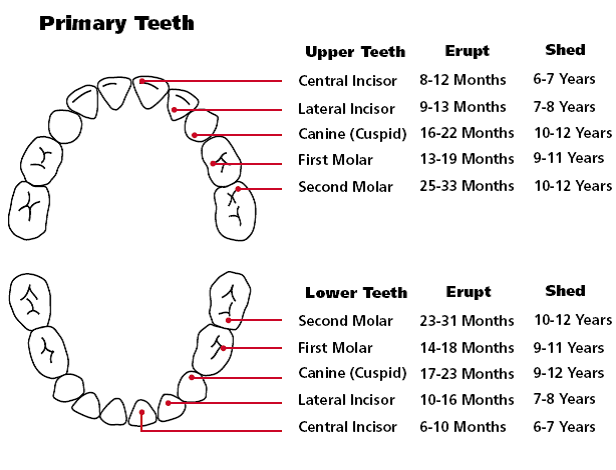
Image Source: www.orajel.com
Deciphering Toddler Teeth Count
When a baby is born, their teeth are already forming inside their gums. You cannot see them yet. These are called baby teeth, or primary teeth. Most babies start getting their first teeth around 6 to 12 months of age. By the time a child is a toddler, they will have many teeth. The toddler teeth count changes as they grow.
Every child is unique. Some babies get teeth early. Some get them a bit later. This is normal. There is a general pattern, though. This pattern helps parents know what to expect. Knowing this pattern can ease worries about your child’s dental path. It helps you celebrate each new tooth that pops through.
The journey from no teeth to a full set is a big one. It involves many changes for your child. It can also bring discomfort. But it is a key part of their growth. Each tooth has a job. They help your child eat solid foods. They also help them learn to speak clearly.
Grasping the Baby Teeth Number
A child’s first set of teeth are called primary teeth, baby teeth, or deciduous teeth. There are 20 of these teeth in total. This is the baby teeth number. This number is fixed. It does not change for most children. These 20 teeth are not like adult teeth. Adults have 32 permanent teeth. But for a toddler, 20 is the magic number.
These teeth come in over time. They do not all appear at once. The process takes about two to three years. The first teeth to appear are usually the bottom front teeth. Then the top front teeth follow. Back teeth, or molars, come in later. These are important for chewing food.
By age two, many toddlers have most of their front teeth and some back teeth. The average teeth 2 year old might have is around 16. This includes eight incisors (front teeth), four canines (pointy teeth), and four first molars (back teeth). The last teeth to come in are usually the second molars. These are the very back teeth. They often arrive between 25 and 33 months of age.
Here is a common timeline for primary teeth eruption:
| Tooth Type | Average Age of Eruption (Top) | Average Age of Eruption (Bottom) |
|---|---|---|
| Central Incisors (Front) | 8-12 months | 6-10 months |
| Lateral Incisors (Next to Front) | 9-13 months | 10-16 months |
| First Molars (Back Teeth) | 13-19 months | 14-18 months |
| Canines (Pointy Teeth) | 16-22 months | 17-23 months |
| Second Molars (Very Back) | 25-33 months | 23-31 months |
Note: These are average times. Your child’s timeline may differ.
Exploring the Primary Dentition Amount
The primary dentition amount is 20 teeth. These teeth are very important. Even though they will fall out later, they serve many key roles. They help your child chew food. This allows them to get nutrients from many different foods. Good nutrition is key for growth.
Primary teeth also help your child speak clearly. The tongue, lips, and teeth work together to make sounds. Missing teeth can make some sounds hard to say. For example, “s” and “th” sounds need teeth.
These teeth also hold space for the permanent teeth. Each baby tooth acts like a guide. It makes sure the permanent tooth grows into the right spot. If a baby tooth falls out too early, other teeth might shift. This can cause problems for the permanent teeth. They might come in crooked or crowded. This is why caring for baby teeth is so vital.
Toddler Dental Development Stages: A Close Look
The journey of dental growth is not just about counting teeth. It is about stages. Each stage brings new teeth and new challenges.
Early Stages: The First Few Teeth (6-18 Months)
Your baby’s first teeth are usually the central incisors. These are the four front teeth. They often appear between 6 and 12 months. The bottom two front teeth usually come first. Then the top two front teeth follow. After these, the lateral incisors appear. These are next to the central incisors. By 18 months, your child may have 8 teeth. This includes all four central and all four lateral incisors.
At this stage, your child may start to eat more solid foods. They learn to bite and chew. You will also hear new sounds from them. Their language skills start to grow.
Middle Stages: Adding Molars and Canines (18-30 Months)
After the incisors, the first molars usually appear. These are the back chewing teeth. They often come in between 13 and 19 months. Then come the canines, or eye teeth. These are the pointy teeth. They erupt between 16 and 22 months. By 24 months, or two years old, your child might have about 16 teeth. This includes all eight incisors, all four canines, and all four first molars. This is the average teeth 2 year old count.
At this point, chewing becomes much easier for your child. They can handle a wider range of foods. This stage also brings more intense teething symptoms. The molars and canines are larger. Their eruption can be more painful.
Final Stages: Completing the Set (25-33 Months)
The last teeth to arrive are the second molars. These are the very back teeth. They often come in between 25 and 33 months. Once these four teeth are in, your child has their full set of baby teeth. This means all 20 primary teeth are present. Most children have all 20 teeth by their third birthday.
This completion marks a big milestone. Your child now has a full set of teeth to help them eat, speak, and develop. It also means the intense teething phase is likely over.
Deciduous Teeth Quantity: Why 20 Instead of 32?
The deciduous teeth quantity is 20. This is a common question for parents. Why do children have fewer teeth than adults? The main reason is size. A baby’s mouth is much smaller than an adult’s. There is not enough room for 32 teeth. As children grow, their jaws also grow. This makes space for the larger number of permanent teeth.
Another reason is function. Baby teeth are designed for a child’s early diet. They are used for biting and chewing soft foods. They also guide the growth of the jaw. Adult teeth are stronger and bigger. They are meant for a lifetime of chewing a wider range of foods.
The primary teeth also act as placeholders. They keep the space open for the permanent teeth that will follow. Each baby tooth has a permanent tooth growing right beneath it. When it is time, the roots of the baby tooth dissolve. Then the baby tooth falls out. This allows the permanent tooth to come in.
Toddler Teething Milestones: Signs and Soothing
Teething can be a tough time for both toddlers and parents. It is a natural process. But it can cause discomfort. Knowing the signs can help you offer comfort. These are key toddler teething milestones.
Common Teething Signs
- Drooling more: Your child might drool a lot. This can cause a rash on their chin or chest.
- Irritability: Your toddler might be fussy or cranky. They might cry more than usual.
- Swollen gums: The gums around the emerging tooth may look red and swollen. You might even see a small bump.
- Chewing: Toddlers love to chew on things when teething. This pressure helps relieve pain.
- Low-grade fever: Some children might have a slight rise in temperature. But a high fever is not usually a sign of teething. If your child has a high fever, call your doctor.
- Sleep problems: Pain can make it hard for your child to sleep. They might wake up more at night.
- Refusal to eat: Some toddlers might not want to eat because their gums hurt.
Helping Your Teething Toddler
- Teething toys: Offer safe teething rings or toys. Make sure they are too big to be a choking hazard. Some can be chilled in the fridge. Do not freeze them solid.
- Gentle massage: Gently rub your child’s gums with a clean finger. The pressure can feel good.
- Cold items: A cold washcloth can help. You can also offer cold foods like applesauce or yogurt.
- Pain relievers: For serious pain, your doctor might suggest over-the-counter pain medicine. These include infant acetaminophen (Tylenol) or ibuprofen (Motrin). Always follow dose directions.
- Wipe drool: Keep your child’s face dry to prevent skin rashes.
- Extra cuddles: Sometimes, all your child needs is extra love and comfort.
Remember, teething is temporary. It will pass. Be patient and offer comfort.
When Do Toddlers Get All Their Teeth? A Clear Timeline
As mentioned before, the question “When do toddlers get all their teeth?” is often on parents’ minds. The general rule is by three years old. Most children will have their complete set of 20 primary teeth around this age.
However, dental development is unique for every child. Some children might have all their teeth by 30 months. Others might be closer to 36 months. It is important not to worry if your child is not exactly on schedule. A delay of a few months is usually fine.
If you have concerns about your child’s dental development, talk to your pediatrician or a pediatric dentist. They can check your child’s gums and overall health. They can tell you if everything is on track.
Caring for Tiny Teeth: Essential Tips
Even though baby teeth will fall out, they need good care. Starting good habits early is key. It helps your child have healthy permanent teeth later.
Brushing Habits
- Start early: As soon as the first tooth appears, start brushing. Use a soft-bristled toothbrush made for infants.
- Tiny amount of toothpaste: For children under three, use a smear of fluoride toothpaste. This is about the size of a grain of rice.
- For older toddlers (3+ years): Use a pea-sized amount of fluoride toothpaste.
- Brush twice a day: Brush in the morning and before bed.
- Parental help: Toddlers cannot brush well on their own. Parents need to help until children are about 7 or 8 years old. Make it a fun routine.
First Dental Visit
- “First visit by first birthday”: This is a common rule. Take your child to the dentist around their first birthday. Or within six months after their first tooth appears.
- Why so early?: The dentist can check for any issues. They can also teach you about good dental care. They can offer advice on diet and fluoride.
- Make it positive: Try to make the first visit a happy one. Avoid using scary words. Let your child bring a favorite toy.
Diet and Dental Health
- Limit sugary foods: Sugary drinks and snacks are bad for teeth. Limit juice. Offer water instead.
- Healthy snacks: Offer fruits, vegetables, cheese, and plain yogurt.
- Avoid sticky foods: Foods like fruit snacks or gummy candies stick to teeth. They can cause cavities.
- No bedtime bottles: Do not let your child sleep with a bottle of milk, formula, or juice. The sugar can sit on their teeth all night. This leads to severe tooth decay. This is called “baby bottle tooth decay.”
Common Dental Concerns for Toddlers
Even with good care, some issues can arise. Knowing about them helps you act fast.
Early Childhood Caries (Cavities)
Cavities can happen even in baby teeth. They are caused by bacteria in the mouth. These bacteria use sugar from food to make acid. This acid eats away at tooth enamel.
* Signs: White spots on teeth, then brown or black spots.
* Prevention: Good brushing, fluoride, and limiting sugar.
* Treatment: Dentists can fill cavities. It is important to treat them. Untreated cavities can cause pain and infection. They can also affect permanent teeth.
Thumb Sucking and Pacifier Use
Many toddlers suck their thumbs or use pacifiers. This is normal. It provides comfort. Most children stop on their own by age 2 to 4.
* When to worry: If thumb sucking or pacifier use continues past age 4 or 5, it can affect tooth alignment. It can also affect jaw growth.
* How it affects teeth: It can cause front teeth to tip outward. This creates an open bite.
* Stopping the habit: Try to gently discourage the habit around age 3 or 4. Positive reinforcement often works best. Your dentist can offer advice.
Dental Injuries
Toddlers are active. They often fall. Dental injuries are common.
* What to do: If a tooth is knocked out, find it. If it is a permanent tooth, put it in milk and go to the dentist fast. If it is a baby tooth, do not try to put it back in. This could harm the permanent tooth underneath.
* See a dentist: Always see a dentist after a dental injury. Even if the tooth looks fine. There might be hidden damage.
Examining the Typical Number of Teeth for a Toddler
To sum up, the typical number of teeth for a toddler changes as they grow.
* A 1-year-old might have 4 to 8 teeth.
* A 2-year-old might have 12 to 16 teeth.
* A 3-year-old generally has all 20 of their baby teeth.
This journey is a natural part of growing up. Each new tooth is a milestone. It shows your child is developing. It shows they are ready for new foods and new sounds. Your role as a parent is to support this growth. Provide good care. Offer comfort during teething. Teach good habits early. These actions help ensure your child has a healthy smile for life.
FAQ: Your Top Questions About Toddler Teeth
Q1: At what age do most toddlers get all 20 teeth?
Most toddlers will have all 20 of their primary (baby) teeth by the time they are three years old. This usually happens between 25 and 33 months of age.
Q2: Is it normal for a 2-year-old to only have 12 teeth?
Yes, it can be normal. While the average teeth 2 year old might have is around 16, every child develops at their own pace. Some children might have fewer, and some might have more. If you are worried, talk to your pediatric dentist.
Q3: How do I know if my toddler is teething?
Signs of teething include increased drooling, irritability, swollen or red gums, wanting to chew on things, and sometimes a low-grade fever. Your child might also have trouble sleeping or refuse to eat.
Q4: When should I start brushing my toddler’s teeth?
You should start brushing as soon as the first tooth appears. Use a soft infant toothbrush and a tiny smear of fluoride toothpaste. Brush twice a day.
Q5: Are baby teeth really important since they fall out?
Yes, baby teeth are very important. They help your child chew food, speak clearly, and hold space for the permanent teeth that will come later. Healthy baby teeth lead to healthy permanent teeth.
Q6: What if my toddler’s teeth are coming in out of order?
The order of teeth eruption can vary. The general timeline is a guide. If your child’s teeth are not following the exact order, it is usually not a concern. However, if you have any worries, a dental check-up can offer peace of mind.
Q7: How can I prevent cavities in my toddler’s teeth?
Prevent cavities by brushing twice a day with fluoride toothpaste, limiting sugary foods and drinks, and avoiding bedtime bottles with anything other than water. Regular dental check-ups are also key.
Q8: My toddler fell and chipped a tooth. What should I do?
If your toddler chips a tooth, contact your pediatric dentist right away. They can assess the damage. Even a small chip might need attention to prevent pain or infection.