
A football helmet can weigh anywhere from 2.5 to 5 pounds. This weight can vary significantly depending on the model, materials used, and the player’s position. The average football helmet weight typically falls between 3 and 4.5 pounds.
Football helmets are crucial pieces of safety equipment, designed to protect players from serious head injuries. But beyond their primary function, a key aspect that influences player comfort, performance, and even injury risk is their weight. Understanding how much football helmets weigh, why they vary, and what factors contribute to their mass is vital for players, parents, coaches, and anyone interested in the sport. This comprehensive guide delves into the world of football helmet weight, exploring everything from historical trends to the science behind modern designs.
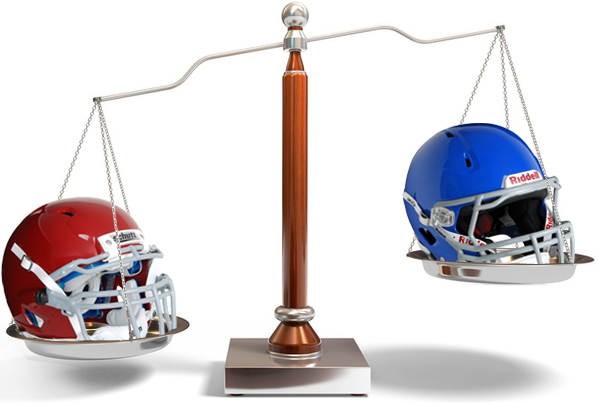
Image Source: blog.sportsunlimitedinc.com
Factors Influencing Football Helmet Weight
Several elements combine to determine the overall weight of a football helmet. It’s not simply a matter of picking up a helmet; rather, a complex interplay of design, materials, and intended use shapes its mass.
Football Helmet Materials: The Foundation of Weight
The materials used in constructing a football helmet are the primary drivers of its weight. Decades ago, helmets were much simpler and often heavier, relying on less advanced materials. Today, manufacturers employ a sophisticated range of components to optimize both protection and weight.
- Shell: The outer shell is typically made from high-impact plastics like polycarbonate or ABS. These materials offer a good balance of durability and relative lightness. Some high-end helmets might explore composite materials, but traditional plastics remain common due to cost-effectiveness and proven performance.
- Padding and Liner System: This is where significant weight variation can occur.
- Foam Liners: Traditional foam liners, such as expanded polystyrene (EPS), are effective but can add considerable weight. Newer helmet designs often incorporate more advanced foam technologies or combinations of foams with different densities.
- Inflatable Bladders: Some helmets feature air-filled bladders for a customizable fit. While these can enhance comfort and protection, the air pump and bladder material can contribute to the overall weight.
- Gel or Silicone Inserts: More premium helmets might include gel or silicone components within the liner system for superior shock absorption. These materials, while offering excellent protection, can also add to the helmet’s heft.
- Jaw Guards and Face Cages (Facemasks): These protective components are typically made from steel or more advanced alloys. The design and thickness of the facemask, as well as any additional protective bars, directly impact the helmet’s weight. Lightweight steel alloys are often used to minimize this added mass.
- Internal Harness and Suspension Systems: The straps and internal framework that secure the helmet to the player’s head also contribute to the weight. Manufacturers are constantly seeking lighter yet stronger materials for these components.
Design and Technology: Beyond the Basics
The way a helmet is designed and the technologies incorporated also play a role in its weight.
- Coverage Area: Helmets designed for greater coverage, such as those offering more extended temple or jaw protection, will naturally weigh more due to the increased material.
- Ventilation: While good ventilation is crucial for player comfort and performance, the drilling of vent holes can slightly reduce the overall weight.
- Additional Features: Some helmets incorporate proprietary technologies aimed at reducing rotational impact forces or improving shock absorption. The components that facilitate these advanced features can add to the weight.
The Weight Spectrum: From Youth to Professional
The weight of a football helmet isn’t uniform; it varies considerably based on the age and level of play.
Youth Football Helmet Weight
Helmets for younger players are generally designed to be lighter, considering their developing bodies and the impact forces they experience.
- Average Weight: Youth football helmets typically weigh between 2.5 to 3.5 pounds.
- Focus: The emphasis for youth helmets is on providing adequate protection without being excessively heavy, which could strain a young player’s neck and potentially lead to other injuries. Manufacturers prioritize materials that offer good impact resistance at a reduced mass.
High School and Collegiate Football Helmet Weight
As players get older and the game intensifies, the protective requirements and the typical helmet designs evolve.
- Average Weight: High school and collegiate helmets often fall into the 3 to 4.5 pound range.
- Features: These helmets usually feature more robust shell materials, more advanced liner systems, and often more substantial facemasks, contributing to their increased weight compared to youth models.
Weight of NFL Helmets
Professional football players often use top-of-the-line equipment that balances cutting-edge protection with player preference and performance.
- Average Weight: NFL helmets can range from 3.5 to 5 pounds.
- Considerations: While weight is a factor, the primary concern for NFL players and teams is maximum football helmet protection. This often means utilizing helmets with advanced energy-absorbing technologies, potentially leading to a slightly higher weight. Players and equipment managers might also choose specific models or customizations that influence the final weight. The weight of NFL helmets can also be influenced by the specific position played, with some positions requiring slightly different helmet configurations.
Deciphering Football Helmet Sizing and Weight
While weight is a key characteristic, proper football helmet sizing is paramount. A helmet that is too heavy or too light but doesn’t fit correctly offers compromised protection.
- Fit is Paramount: A properly sized helmet should fit snugly without creating pressure points. It shouldn’t move excessively up and down or side-to-side on the player’s head.
- Weight Distribution: The weight distribution of a helmet also matters. A well-balanced helmet feels less cumbersome, even if its total weight is higher.
- How Weight Affects Fit: If a helmet is too heavy for a player, they might try to adjust it by loosening the straps, which compromises the fit and safety. Conversely, a helmet that is too light might not offer sufficient protection if it fits poorly.
The Quest for Lightweight Football Helmets
The pursuit of lightweight football helmets is an ongoing endeavor in sports equipment manufacturing. The benefits of a lighter helmet are numerous:
- Reduced Neck Strain: Less weight on the head can reduce the strain on a player’s neck muscles, potentially decreasing the risk of neck injuries and fatigue.
- Improved Agility and Speed: Players might feel more agile and have quicker reaction times with a lighter helmet, as there’s less inertia to overcome when turning their head.
- Enhanced Comfort: A lighter helmet generally leads to greater player comfort, especially during long games or practices, which can improve focus and performance.
However, the drive for lightness must always be balanced against the fundamental need for football helmet protection. Manufacturers must ensure that reducing weight does not compromise the helmet’s ability to absorb and dissipate impact forces effectively. This often involves using advanced materials and innovative design techniques.
Football Helmet Protection: The Ultimate Goal
Regardless of weight, the primary purpose of a football helmet is to provide exceptional football helmet protection. Modern helmets are engineered with sophisticated systems to manage impact forces, including linear and rotational impacts.
- Linear Impact Absorption: This is the traditional measure of protection, focusing on how well the helmet absorbs direct blows. The liner system, typically made of foam, plays a critical role here by deforming upon impact to slow down the head’s deceleration.
- Rotational Impact Mitigation: Increasingly, research highlights the importance of reducing rotational forces, which are believed to be a significant factor in concussions and other brain injuries. Many advanced helmets incorporate slip-plane technology or specialized liner designs to allow the helmet to rotate slightly independently of the head during an impact, thereby reducing the rotational acceleration transferred to the brain.
- Shell Strength: The outer shell’s ability to resist penetration and spread impact forces over a larger area is also crucial.
- Facemask Integrity: The facemask not only protects the face but also provides structural support for the helmet, helping to maintain its shape during impacts.
How Much Does a Football Helmet Cost?
The cost of a football helmet can vary significantly, mirroring the differences in materials, technology, and brand reputation.
- Entry-Level Youth Helmets: These can range from $100 to $200. They offer basic but adequate protection for younger players.
- Mid-Range Helmets (High School/Collegiate): Expect to pay between $200 to $350. These helmets often feature improved liner systems and more robust construction.
- Premium and Professional Helmets: The best football helmets, incorporating the latest technologies for rotational impact management and advanced materials, can cost $350 to $500 or even more.
The price reflects the research and development, sophisticated manufacturing processes, and the high-quality materials used to ensure the highest level of protection.
The Best Football Helmets: A Weighty Decision?
When considering the best football helmets, weight is a factor, but it should not be the sole determinant. A helmet’s effectiveness is a combination of protection, fit, comfort, and yes, weight.
- Riddell: A long-standing leader in football safety, Riddell offers helmets like the SpeedFlex and Axiom, known for their advanced protection systems and often competitive weight.
- Schutt: Schutt is another prominent brand, with models like the Vengeance and F5, which are designed to provide excellent impact absorption and often incorporate features aimed at reducing weight without sacrificing safety.
- Xenith: Xenith helmets, such as the X2E and Prime, are recognized for their innovative shock-absorbing technology, which often involves a unique suspension system that can influence the helmet’s overall weight and feel.
Ultimately, the “best” helmet is one that fits the individual player correctly, meets current safety standards, and provides the optimal balance of protection and comfort for their specific needs. While lighter helmets can offer advantages, they must still provide superior protection.
Historical Perspective: The Evolution of Football Helmet Weight
Football helmets have undergone a dramatic transformation since their inception.
- Early Days (Pre-1940s): Early “helmets” were often little more than padded leather caps. They offered minimal protection and weighed very little, but were entirely inadequate for preventing serious head injuries.
- The Rise of Hard Shells (1940s-1960s): The introduction of hard plastic shells marked a significant advancement. These helmets offered much better protection against skull fractures but were still relatively heavy by today’s standards, often made with denser plastics and simpler liner systems.
- Material Innovation (1970s-1990s): The development of advanced polymers and improved foam technologies allowed manufacturers to create helmets that were both lighter and more effective at absorbing impact energy. This era saw a gradual reduction in average helmet weight while simultaneously increasing protective capabilities.
- Modern Era (2000s-Present): The focus has shifted towards not only protecting against direct impacts but also mitigating rotational forces. This has led to more complex liner systems, often incorporating multiple densities of foam, gel inserts, or specialized slip-plane technologies. While these advancements enhance safety, they can sometimes lead to a slight increase or stabilization in weight for the most technologically advanced models. The emphasis remains on finding the ideal balance.
Frequently Asked Questions (FAQ)
Q1: Does helmet weight affect player performance?
Yes, helmet weight can affect player performance. Lighter helmets can reduce neck strain and potentially improve a player’s agility and reaction time. However, this benefit must be weighed against the helmet’s protective capabilities.
Q2: Are heavier helmets more protective?
Not necessarily. While older, heavier helmets might have offered some perceived protection due to their bulk, modern helmets achieve superior protection through advanced materials and engineering, not just sheer weight. A well-designed lighter helmet can be significantly more protective than a poorly designed heavier one.
Q3: Can I adjust the weight of my football helmet?
Generally, no. The weight of a football helmet is determined by its construction and materials. While you can adjust the fit by tightening or loosening straps, you cannot significantly alter the helmet’s inherent weight. Any attempt to add or remove components could compromise its safety certification and effectiveness.
Q4: How often should football helmets be replaced, regardless of weight?
Football helmets have a lifespan and should be replaced regularly, typically every 5-10 years, or sooner if they show signs of wear and tear, damage, or if they no longer meet current safety standards. The frequency also depends on usage and the severity of impacts the helmet has absorbed.
Q5: What is the safest football helmet?
The “safest” football helmet is one that is properly fitted, meets all current safety standards (like those set by NOCSAE – National Operating Committee on Standards for Athletic Equipment), and is designed to mitigate both linear and rotational impacts. Brands like Riddell, Schutt, and Xenith consistently produce high-performing, safe helmets. It’s best to consult with coaches and equipment specialists for recommendations based on current research and available models.
Q6: Is there a weight limit for football helmets in youth leagues?
While there isn’t typically a strict weight limit for helmets in youth leagues, there is a strong emphasis on using helmets appropriate for the age and size of the player. Youth helmets are specifically designed to be lighter and better suited for younger athletes’ developing necks and bodies.
By exploring the various facets of football helmet weight, from the materials that comprise them to the advanced technologies that define modern protection, we gain a deeper appreciation for the critical role these pieces of equipment play in safeguarding athletes. The pursuit of lighter, safer helmets continues to drive innovation in sports engineering, ensuring that players at all levels can compete with confidence, knowing they are equipped with the best possible protection.