
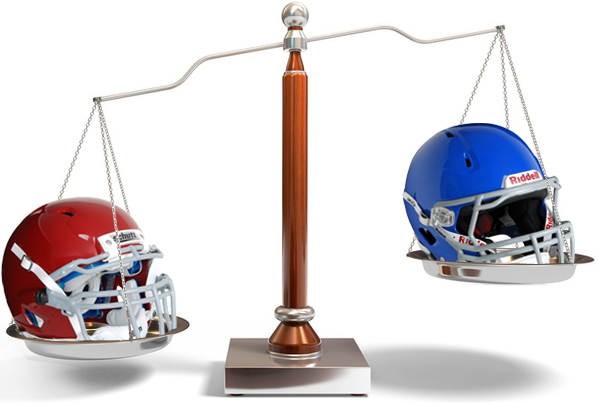
Image Source: blog.sportsunlimitedinc.com
How Much Does a Football Helmet Weigh? Know Your Gear
A football helmet typically weighs between 2 to 5 pounds, with variations based on player position, protective technology, and whether it’s designed for youth or adult players.
When you picture a football player, what comes to mind? The charging tackles, the soaring passes, the roar of the crowd? But often overlooked, yet incredibly vital, is the gear that protects these athletes. At the forefront of this protective equipment is the football helmet. Many players and fans alike wonder, “How much does a football helmet weigh?” The answer isn’t a simple one-size-fits-all number. The football helmet weight can vary quite a bit. This article will delve into the factors influencing the weight of a football helmet, explore the differences between various types, and help you grasp the significance of this crucial piece of equipment. Knowing your gear, from its football helmet mass to its overall impact on performance, is key for any serious player or fan.
The Anatomy of a Football Helmet: More Than Just Plastic
Before we dive into the specifics of football helmet weight, it’s essential to understand what makes up this protective shell. Modern football helmets are sophisticated pieces of engineering, designed to absorb and distribute impact forces to minimize the risk of head injuries.
Shell Material
The outer shell is the first line of defense. Historically, these were made of sturdy plastics. Today, manufacturers use advanced composite materials, often including polycarbonate or ABS plastic. Some high-end helmets might incorporate carbon fiber for added strength and reduced weight, impacting the overall football helmet mass. The thickness and type of this shell play a direct role in how much a football helmet weighs.
Interior Padding and Liner Systems
This is where much of the weight variation comes into play. Inside the hard shell lies a complex system of padding and liners designed to cushion impacts. These can include:
- Foam Liners: Different densities of foam, like EPS (Expanded Polystyrene) or EPP (Expanded Polypropylene), are used. Higher density foams offer better impact absorption but can add weight.
- Air Bladders: Some helmets feature adjustable air bladders that can be inflated to fine-tune the fit and also contribute to impact absorption.
- Gel Inserts: Specialized gel inserts are sometimes used in critical areas for enhanced cushioning.
- Suspension Systems: Straps and webbing that help distribute force and keep the helmet in place also add to the overall weight.
The intricate design of these interior systems is what directly influences the typical football helmet weight.
Face Mask (Cage)
The metal cage that protects the player’s face is another component contributing to the helmet weight football players carry. These are typically made of steel or titanium alloys. The design and thickness of the bars can affect the overall mass. Different positions might require different face mask designs, leading to slight variations in weight.
Chin Straps and Jaw Pads
These are crucial for securing the helmet and providing additional comfort and protection. They are usually made of nylon webbing and foam padding, adding a small but consistent amount to the helmet weight.
Factors Influencing Football Helmet Weight
So, how much does a football helmet weigh? As we’ve seen, it’s not a single number. Several factors cause the weight of football helmets to fluctuate.
Player Position
This is perhaps the most significant factor influencing the helmet weight football players use.
- Linemen: These players are involved in constant, high-impact collisions. They often wear helmets with more robust padding and sometimes a more substantial shell for maximum protection. This can lead to a slightly higher football helmet weight.
- Quarterbacks and Receivers: These players might prioritize a lighter helmet that allows for greater agility and a wider range of motion. While protection is paramount for all, the specific demands of their positions might lead to slightly different construction choices, influencing the typical football helmet weight.
- Running Backs and Defensive Backs: These positions often require quick changes in direction and explosive bursts of speed. A lighter helmet can be advantageous, but they still need excellent impact protection.
Protective Technology and Features
As technology advances, manufacturers are constantly innovating to improve protection while managing weight.
- Advanced Liner Systems: Newer helmets often incorporate multi-density foam, gel, or air-pocket systems. These are engineered for superior impact management but can also add to the football helmet mass.
- Shell Construction: While polycarbonate remains common, some premium helmets use lighter yet stronger composite materials or even carbon fiber. This can significantly reduce the football helmet weight without compromising safety.
- Jaw Protection: Some helmets offer enhanced jaw protection with additional padding or extensions, which will naturally increase the helmet weight football players need to manage.
Youth vs. Adult Helmets
There’s a notable difference in the weight of helmets designed for different age groups.
- Youth Football Helmet Weight: Helmets for younger players are often designed to be lighter to accommodate their developing necks and less overall body mass. While still offering robust protection, they might use slightly less dense padding or a more streamlined shell design. This ensures the youth football helmet weight is manageable for smaller athletes.
- Adult Football Helmet Weight: Adult helmets are built to withstand the higher impact forces common in professional and collegiate football. They may utilize denser padding and more robust shell materials, leading to a higher adult football helmet weight compared to their youth counterparts.
Manufacturer and Model
Even within the same category (e.g., adult lineman helmet), different brands and specific models will have slight variations in their football helmet weight. Each manufacturer has its proprietary designs for padding, shell construction, and facemask integration, all contributing to the final football helmet mass.
The Typical Football Helmet Weight Range
So, let’s get down to brass tacks: how much does a football helmet weigh in pounds?
- Average Football Helmet Weight: Generally, you can expect an average football helmet weight to fall somewhere between 2 to 5 pounds (approximately 0.9 to 2.3 kilograms).
Let’s break this down further:
Youth Football Helmet Weight
- Range: Typically 2 to 3.5 pounds (approximately 0.9 to 1.6 kilograms).
- These are designed to be lighter, making them more comfortable and safer for younger players whose necks are still developing. The goal is to provide excellent protection without being overly burdensome.
Adult Football Helmet Weight
- Range: Typically 3 to 5 pounds (approximately 1.4 to 2.3 kilograms).
- The higher end of this range is often seen in helmets designed for positions requiring maximum impact absorption, like offensive and defensive linemen. The standard football helmet weight for adult players reflects the increased need for protection against more powerful impacts.
Position-Specific Weight Considerations
While not a strict rule, there can be tendencies:
- Linemen: May lean towards the higher end of the adult range (e.g., 4-5 pounds).
- Skill Positions (QB, WR, DB): Might opt for helmets on the lower to mid-range of the adult spectrum (e.g., 3-4.5 pounds).
It’s crucial to remember that these are general guidelines. A player’s specific needs, the helmet’s particular features, and the chosen manufacturer will ultimately dictate the exact weight. The weight of football helmet football players wear is a constant balance between protection and performance.
Why Does Football Helmet Weight Matter?
You might ask, “Why is the weight of the football helmet so important?” It’s not just about carrying an extra few pounds on your head. The weight of a football helmet can influence several aspects of a player’s game and well-being.
Neck Strength and Fatigue
A heavier helmet places more strain on a player’s neck muscles. This can lead to increased fatigue over the course of a game or a long season. Stronger neck muscles are essential for absorbing impacts and preventing whiplash-type injuries. While the difference between a 3-pound helmet and a 4-pound helmet might seem small, over the course of a four-hour game, that extra pound can add up.
Agility and Speed
Lighter helmets can contribute to better agility and speed. The weight on a player’s head can affect their balance and how quickly they can react and change direction. For positions that rely heavily on quickness, like wide receivers or defensive backs, a slightly lighter helmet could offer a performance advantage.
Concussion Prevention and Impact Absorption
This is where the role of helmet weight becomes nuanced. While lighter materials might seem appealing for performance, the density and effectiveness of the interior padding are paramount for impact absorption. A slightly heavier helmet with superior padding technology might offer better protection than a lighter helmet with less advanced impact-reducing features. The goal isn’t just to reduce weight but to optimize the distribution and dissipation of impact forces. The science behind how much does a football helmet weigh is deeply intertwined with its protective capabilities.
Comfort and Fit
The overall weight of the helmet, combined with its fit, directly impacts player comfort. An ill-fitting or overly heavy helmet can be a significant distraction and can even lead to improper wear, compromising safety.
Choosing the Right Helmet: Beyond Just the Weight
While knowing the football helmet weight is important, it’s just one piece of the puzzle when selecting protective gear.
Fit is Paramount
The most advanced and lightest helmet in the world is useless if it doesn’t fit correctly. A properly fitted helmet should:
- Sit Level on the Head: Not too high or too low.
- Not Move Excessively: When the player shakes their head side-to-side or up-and-down.
- Have Adequate Coverage: Protecting the forehead and temples.
- Allow Proper Vision: Without obstruction.
Safety Certifications
Always ensure the helmet you choose meets current safety standards. Organizations like the National Operating Committee on Standards for Athletic Equipment (NOCSAE) provide certification to helmets that meet rigorous impact testing requirements. This certification is a more critical indicator of safety than the helmet weight football players might consider.
Specific Position Needs
As discussed, different positions have different demands. Consider the type of impacts a player is likely to face and choose a helmet designed to address those specific risks.
Manufacturer Reputation and Technology
Research reputable helmet manufacturers and their latest technologies. Brands are constantly innovating to improve protection and, where possible, manage weight. Look for helmets that offer advanced liner systems, such as those utilizing multi-density foams or specialized impact absorption technologies.
Budget
Football helmets can range significantly in price. While premium helmets may offer the latest technology, there are excellent, certified options available at various price points. The standard football helmet weight might not differ drastically across price tiers, but the internal protection mechanisms often do.
Innovations in Football Helmet Technology
The quest to make football helmets both safer and lighter is ongoing. Manufacturers are investing heavily in research and development.
- Advanced Materials: Exploration into lighter and stronger composite materials continues.
- Biometric Sensors: Some helmets are beginning to incorporate sensors that can detect impact forces, providing valuable data for player safety and research.
- Improved Liner Designs: Innovations in how foam, gel, and air are integrated into liner systems are constantly being developed to better manage rotational forces and linear impacts.
- Customizable Fit Systems: Technologies allowing for a more customized fit, like inflatable air pockets, are becoming more common, enhancing both comfort and protection.
These advancements aim to strike a better balance in the football helmet weight, ensuring that protection is never compromised in the pursuit of lightness.
Frequently Asked Questions (FAQ)
Q1: How much does a youth football helmet typically weigh?
A1: A youth football helmet weight usually ranges from 2 to 3.5 pounds (0.9 to 1.6 kg).
Q2: What is the average football helmet weight for an adult player?
A2: The average football helmet weight for an adult is generally between 3 to 5 pounds (1.4 to 2.3 kg).
Q3: Does a heavier helmet mean better protection?
A3: Not necessarily. While some heavier helmets may have more robust padding, the quality and design of the interior liner systems are more critical for protection than the sheer weight. A well-designed lighter helmet can offer superior protection to a poorly designed heavier one.
Q4: Can a player’s position affect the weight of their helmet?
A4: Yes, player position can influence helmet choice. Linemen might opt for helmets with more substantial padding for maximum impact absorption, potentially leading to a slightly higher football helmet weight. Skill players might prioritize lighter options for agility.
Q5: Are all football helmets made of the same materials?
A5: No. While many use polycarbonate or ABS plastic for the shell, some high-end helmets incorporate advanced composites like carbon fiber. The interior padding materials also vary significantly in density and composition.
Q6: Is there a standard football helmet weight across all brands?
A6: No, there isn’t a single standard football helmet weight. While there are typical ranges, each manufacturer and model will have its specific weight due to design and material choices.
Q7: How does helmet weight affect a player’s neck?
A7: A heavier helmet puts more strain on the neck muscles, potentially leading to increased fatigue. Proper neck strength is crucial to handle the helmet weight football players carry.
Q8: What is the most important factor when choosing a football helmet?
A8: The most important factor is a proper and secure fit. A helmet that fits correctly will provide the best protection, regardless of its exact weight. Always ensure the helmet is NOCSAE certified.
Q9: Does the facemask add a significant amount to the helmet weight football players wear?
A9: The facemask does add to the overall weight, but it’s usually a smaller portion compared to the shell and interior padding. The material (steel, titanium) and design of the facemask contribute to this.
Q10: How can I find out the specific weight of a particular football helmet?
A10: You can usually find the weight listed in the product specifications on the manufacturer’s website or on the packaging of the helmet. Sometimes, retailers will also list the weight of football helmet football players are interested in.
In conclusion, the question of “how much does a football helmet weigh?” opens a discussion about the intricate engineering and design considerations that go into protecting athletes. From the youth football helmet weight to the adult football helmet weight, each variation serves a purpose. Understanding the football helmet mass, the materials used, and the factors influencing its weight empowers players, parents, and coaches to make informed decisions about safety and performance. Always remember that while the weight of a football helmet is a factor, the ultimate goal is to find a helmet that fits perfectly, is properly certified, and offers the best possible protection for the demands of the game.