
How much should a toddler eat daily? There is no one exact answer for every child because each toddler is different, but generally, toddlers need about 1,000 to 1,400 calories each day. This amount can change based on their age, how active they are, and how fast they are growing. This guide will help you figure out what works best for your little one.
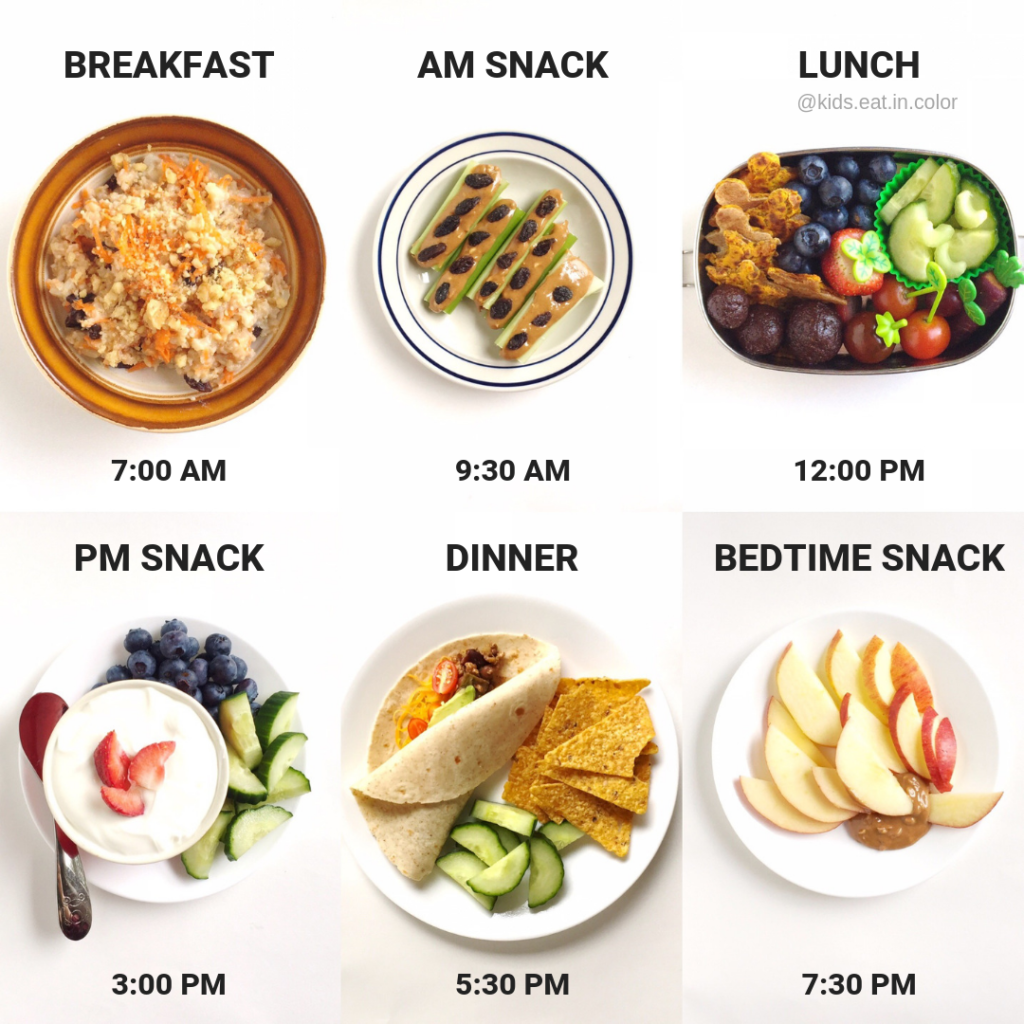
Image Source: kidseatincolor.com
Grasping Toddler Food Needs
Toddlers are aged between one and three years old. This is a time of big changes. They grow quickly. They learn new skills fast. Their bodies need good food to do all this. They need enough energy from food. They also need the right building blocks for their bodies.
Knowing what and how much to feed them can feel tricky. Toddlers’ appetites can change a lot. One day they eat everything. The next day they eat almost nothing. This is normal. It is part of being a toddler. Your job is to offer healthy food choices. Let them decide how much they eat. This is called responsive feeding. It means you respond to their hunger cues.
Interpreting Daily Calorie Needs for Toddlers
Let’s talk about calories. Calories are units of energy. Food gives us energy. Toddlers need a certain number of calories each day. This energy helps them run and play. It helps their bodies grow.
How many calories does a toddler need?
* A child aged 12 to 24 months often needs about 1,000 calories daily.
* A child aged 2 to 3 years often needs about 1,000 to 1,400 calories daily.
Remember, these are just estimates. Your toddler might need more or less. A very active toddler needs more energy. A less active toddler needs less. A toddler going through a growth spurt might eat more. When growth slows down, they might eat less. Listen to your child. Watch their hunger cues.
Fathoming Nutritional Requirements for Toddlers
Calories give energy. But toddlers also need specific nutrients. Nutrients are good parts in food. They help the body work right. Key nutrients for toddlers include:
- Protein: Builds muscles and tissues. Found in meat, poultry, fish, beans, eggs, dairy, nuts, seeds.
- Carbohydrates: Main source of energy. Found in bread, pasta, rice, potatoes, fruits, vegetables.
- Fats: Important for brain growth. Helps the body use certain vitamins. Found in dairy, oils, avocados, nuts, seeds. Choose healthy fats.
- Vitamins: Help the body work. Needed for many body functions. Examples: Vitamin A, C, D, E, K, B vitamins. Found in many foods.
- Minerals: Help build bones and blood. Examples: Calcium, Iron, Zinc. Found in many foods.
- Fiber: Helps digestion. Found in fruits, vegetables, whole grains, beans.
A good mix of foods gives toddlers all these nutrients. Offer foods from different food groups. This helps ensure they get what they need.
Comprehending Toddler Portion Sizes
Toddler tummies are small. Their portion sizes are much smaller than an adult’s. It is easy to give them too much food. This can make them feel full too fast. They might not eat foods they need.
A simple rule of thumb: A portion for a toddler is about one-quarter of an adult portion. Or you can use this guide: about one tablespoon of each food type for each year of their age.
For example, a 2-year-old might get:
* 2 tablespoons of vegetables
* 2 tablespoons of fruit
* 2 tablespoons of grain
* 2 tablespoons of protein
Here is a table with general toddler portion sizes:
Table: Typical Toddler Portion Sizes
| Food Group | Portion Suggestion (Approximate) | Examples |
|---|---|---|
| Vegetables | 2-3 tablespoons | Cooked carrots, peas, green beans, broccoli |
| Fruits | 2-3 tablespoons or 1/4 cup | Apple slices, banana pieces, berries |
| Grains | 1/4 cup or 1/2 slice bread | Cooked rice, pasta, small piece of bread |
| Protein Foods | 1-2 ounces or 2-4 tablespoons | Cooked meat/fish, beans, egg |
| Dairy (Milk, Yogurt) | 1/2 cup | Milk, small yogurt pot |
| Cheese | 1/2 ounce (size of thumb) | Small cube of cheese |
Offer small portions first. If they eat it all, offer a little more. Do not force them to finish their plate. Let them stop when they are full. This helps them learn to listen to their body. This is a key part of healthy eating for toddlers.
Deciphering How Many Meals Toddler Eat
Toddlers have small stomachs. They need to eat more often than adults. They usually eat three main meals. They also need two or three snacks each day.
- Breakfast: Start the day with food.
- Snack: Mid-morning.
- Lunch: Midday meal.
- Snack: Mid-afternoon.
- Dinner: Evening meal.
- Optional Snack: If needed, before bed.
Snacks are important. They provide needed energy and nutrients between meals. Offer healthy snacks. Examples: fruit, yogurt, cheese, whole-grain crackers. Do not let toddlers graze all day. Having set meal and snack times is better. It helps them build healthy eating habits. It also ensures they are hungry at meal times.
Spacing out meals and snacks is good. About 2 to 3 hours between eating times works well. Offer water between meals. This helps keep them hydrated.
Implementing a Toddler Feeding Guide
Feeding a toddler is not just about what they eat. It is also about how they eat. A good toddler feeding guide focuses on creating a positive mealtime environment.
- You are the provider: You choose what foods to offer. Offer a variety of healthy foods at planned times.
- Your child decides: Your child chooses how much of the offered food they will eat. They decide if they will eat at all.
- Sit together: Eat meals with your child. They learn by watching you.
- Make it calm: Keep mealtimes peaceful. Avoid distractions like TV or phones.
- Be patient: It can take many times for a child to try a new food. Keep offering it.
- Avoid pressure: Do not force them to eat. Do not bribe them. Do not beg them. This can create negative feelings about food.
- Offer choices: Let them choose between two healthy options. “Do you want broccoli or peas?”
- Respect fullness cues: Signs they are full include turning their head away, pushing food away, closing their mouth, getting restless, or throwing food.
This approach builds trust. It helps toddlers feel in control of their bodies. This is crucial for developing healthy eating habits that last a lifetime. This is the core of responsive feeding.
Interpreting How Much Milk Toddler Needs
Milk is an important part of a toddler’s diet. It provides calcium and vitamin D. These are key for strong bones. But toddlers should not drink too much milk. Too much milk can fill them up. Then they do not eat other foods they need. It can also affect iron levels.
- Toddlers aged 12 to 24 months: Need about 16 to 24 ounces of whole milk per day. Whole milk provides important fat for brain development.
- Toddlers aged 2 to 3 years: Can have low-fat or skim milk. They need about 16 to 24 ounces per day.
Do not give milk with snacks. Offer milk at meals. Offer water between meals and with snacks. This helps make sure they are hungry for solids at meal and snack times. It also ensures they get enough water. Juice is often not needed. It has lots of sugar. Offer water or plain milk instead. If you offer juice, limit it to 4 ounces per day. Offer 100% fruit juice only.
Composing a Toddler Meal Plan
Having a simple toddler meal plan can help. It helps you offer a good mix of foods. It helps ensure they get regular meals and snacks. You do not need a strict plan every day. A flexible routine works well.
Here is a sample daily structure:
- Breakfast: Grain (oatmeal, whole-grain toast) + Fruit (berries, banana) + Protein (yogurt, egg, milk)
- Mid-morning Snack: Fruit + Dairy (cheese stick, yogurt) or Whole-grain crackers + Protein (nut butter – thin layer)
- Lunch: Protein (chicken, beans, lentils) + Vegetable (steamed carrots, cucumber slices) + Grain (small pasta, bread) + Fruit or Dairy
- Mid-afternoon Snack: Vegetable sticks (peppers, cucumber) + Dip (hummus, yogurt) or Hard-boiled egg + Whole-grain bread
- Dinner: Protein (fish, tofu, small meatballs) + Grain (rice, quinoa, potato) + Vegetable (broccoli, sweet potato) + Small portion of family meal (if suitable)
- Optional Bedtime Snack: Small cup of milk or small yogurt
This structure helps you offer foods from different groups. You can swap foods based on what you have. Or what your child likes. Remember the small portion sizes.
Using a toddler food chart can also be helpful. A chart shows you examples of foods from each group. It helps you see if you are offering variety. You can find many examples online. Or create your own list of foods your toddler likes from each group.
Navigating a Picky Eater Toddler
Many toddlers become picky eaters. This is a normal part of their development. They are seeking independence. They are also learning about new tastes and textures. Pickiness can be frustrating for parents. But try not to worry too much.
Tips for dealing with a picky eater toddler:
- Keep offering: Offer new foods many times. It can take 10-15 times for a child to try a food. Or even more. Offer it in different ways. Cooked or raw. Big pieces or small pieces.
- Pair with familiar foods: Put a new food next to a food they like. They might be more likely to try it.
- Let them help: Let them help prepare food. They might be more willing to eat something they helped make. Washing veggies. Stirring batter.
- Make it fun: Use cookie cutters for shapes. Arrange food on the plate in a fun way.
- Be a role model: Let them see you eating and enjoying healthy foods.
- Do not pressure: Avoid saying “just one bite.” Or “you can’t leave the table until you eat it.” This makes food a battle.
- Stick to routines: Offer meals and snacks at regular times. Limit grazing. This helps ensure they are hungry at meal times.
- Check growth: If your toddler is growing well and has energy, they are likely getting enough food overall. Even if their diet seems limited.
- Do not become a short-order cook: Offer the planned meal. If they do not eat it, that is okay. They will have a snack later. Or eat more at the next meal. Offering a totally different meal just for them teaches them that not eating works.
Most picky eating is temporary. Focus on the long game. Keep offering healthy choices. Maintain a positive attitude.
Signs Your Toddler is Eating Enough
How can you tell if your toddler is getting enough food? Do not focus only on how much they eat at one meal. Look at the bigger picture.
Signs they are likely eating enough:
- Good growth: They are growing steadily. Their doctor checks this at check-ups. They follow their growth curve.
- Good energy levels: They have energy to play and explore.
- Happy and alert: They are generally happy and engaged.
- Regular dirty diapers: This shows their digestive system is working.
- Self-regulating: They stop eating when they are full. They seem hungry at meal and snack times.
Signs they might not be getting enough, or have other issues:
- Weight loss or poor weight gain.
- Low energy.
- Seems unusually tired or irritable.
- Changes in stool frequency or consistency (though diet changes can cause this).
- Always asking for food right after a meal.
- Lack of interest in any food types over a long time.
If you are worried about your toddler’s eating or growth, talk to your pediatrician. They can check your child’s growth chart. They can help you figure out if there is a problem. They can offer more specific advice for your child’s needs.
Putting Together a Toddler Food Chart
Creating your own simple toddler food chart can be useful. It helps visualize healthy options from each food group. This supports healthy eating toddler goals.
You can make a list under simple headings:
- Go Foods (Energy): Things like bread, pasta, rice, potatoes, cereals. Choose whole-grain options often.
- Grow Foods (Building Blocks): Things like milk, yogurt, cheese, eggs, meat, fish, beans, lentils, tofu. These have protein and other growth nutrients.
- Glow Foods (Help Your Body Work): Fruits and vegetables of different colors. These have vitamins and minerals.
Under each heading, list foods your toddler has tried or might like. This chart is for you. It helps you plan varied meals and snacks. It is not a rigid plan for the child.
Example Toddler Food Chart Ideas
- Go Foods: Whole wheat toast sticks, oatmeal, small pasta shapes, rice, crackers, small potato cubes, whole grain cereal.
- Grow Foods: Yogurt, cheese cubes, milk, scrambled egg, small piece of chicken/fish, beans, lentil soup, hummus.
- Glow Foods: Banana slices, berries, apple pieces (soft), steamed broccoli florets, carrot sticks (cooked soft), cucumber slices, bell pepper strips, peas, sweet potato.
Try to offer foods from different categories at each meal and snack. This helps ensure they get a good mix of nutrients.
The Big Picture of Toddler Feeding
Feeding a toddler is a journey. It has ups and downs. There will be days they eat very little. There will be days they eat a lot. Focus on offering healthy options regularly. Trust your child to eat what their body needs from what you offer.
Avoid comparing your toddler’s eating habits to others. Every child is different. Their appetites vary. Their growth rates vary. What matters most is their overall growth and well-being over time.
Continue to introduce new foods. Do not give up on foods they have rejected before. Offer them again later. Often in a different way. Or served with foods they love.
Make mealtimes happy times. This builds a positive relationship with food. It is more important than how much they eat in one sitting. Enjoy this time with your child.
Good nutrition supports their development. It gives them energy to learn and play. It helps their bodies grow strong. By offering a variety of healthy foods and using responsive feeding, you are setting them up for healthy habits for life.
Remember the key ideas:
* Toddlers need about 1,000-1,400 calories per day, but this varies.
* They need balanced nutrients: protein, carbs, fats, vitamins, minerals, fiber.
* Toddler portion sizes are small. About 1 tablespoon per year of age per food type.
* Offer 3 meals and 2-3 snacks daily.
* Use responsive feeding: you offer, they decide how much.
* Limit milk to 16-24 ounces per day. Offer water often.
* Deal with picky eating patiently. Keep offering variety.
* Watch their growth and energy levels. Not just one meal’s intake.
If you have concerns about your child’s eating, talk to their doctor or a registered dietitian. They can give personalized advice. You are doing a great job providing for your child.
Frequently Asked Questions About Toddler Eating
H4 What should I do if my toddler only wants to eat one or two things?
This is common with picky eaters. Keep offering a variety of foods. Offer the preferred foods alongside new foods. Do not force the new foods. Keep mealtimes calm. They may try the new food eventually. Make sure the few foods they eat are as nutrient-dense as possible (e.g., whole-grain bread, yogurt).
H4 Is it okay if my toddler skips a meal?
Yes, sometimes toddlers are not hungry at a mealtime. Do not force them to eat. They will likely eat more at the next snack or meal. As long as they are growing well overall, skipping a meal occasionally is usually not a problem.
H4 How can I get my toddler to eat vegetables?
Offer vegetables often. Offer them in different ways (raw sticks, steamed, roasted, mashed). Offer them with dips like hummus or yogurt. Let your child see you eating and enjoying vegetables. Let them help prepare vegetables. Do not pressure them.
H4 How much water should a toddler drink?
Offer water frequently throughout the day, especially between meals and with snacks. There is no strict amount, but aim to have water available. Limit juice and sugary drinks. Milk counts towards fluid intake too.
H4 My toddler drinks lots of milk. Is that okay?
Too much milk can lead to iron deficiency. It can also fill them up so they don’t eat other foods. Limit milk intake to 16-24 ounces per day for children 1 year and older. Offer it with meals. Offer water between meals.
H4 What are good snack ideas for toddlers?
Good snacks include fruit (fresh or frozen), yogurt, cheese sticks or cubes, whole-grain crackers, vegetable sticks (cooked or soft raw), hard-boiled eggs, small portions of leftovers from a healthy meal, hummus with soft veggie sticks.
H4 How do I know if my toddler is getting enough iron?
Iron is very important. Toddlers need about 7 mg of iron per day. Good sources are red meat, poultry, fish, beans, lentils, iron-fortified cereals, and dark leafy greens. Too much milk can reduce iron absorption. If you are worried, talk to your doctor.
H4 Should I give my toddler vitamins?
Most toddlers who eat a varied diet do not need vitamin supplements. However, some doctors recommend Vitamin D drops, especially if you live in an area with less sun or if your child does not drink much milk. Talk to your doctor before giving any supplements.
H4 What if my toddler is underweight or overweight?
If you are concerned about your toddler’s weight, talk to their pediatrician. They can check their growth chart and see if their weight is healthy for their height and age. They can offer advice on adjusting their diet or activity level if needed. Do not put a toddler on a restrictive diet unless supervised by a doctor or dietitian.
H4 When should I worry about picky eating?
Most picky eating is normal. Worry if pickiness is severe and long-lasting, leading to poor growth or lack of energy. Or if it is linked to texture problems, gagging, or crying at meal times. If you have major concerns, talk to your pediatrician or a pediatric feeding specialist.