
How often should a toddler pee? A typical toddler pees many times a day. It’s normal for them to go about 8 to 14 times in 24 hours. This number changes based on their age, how much they drink, and if they use diapers or the potty. Paying attention to their pee habits helps you know what is normal for your child.
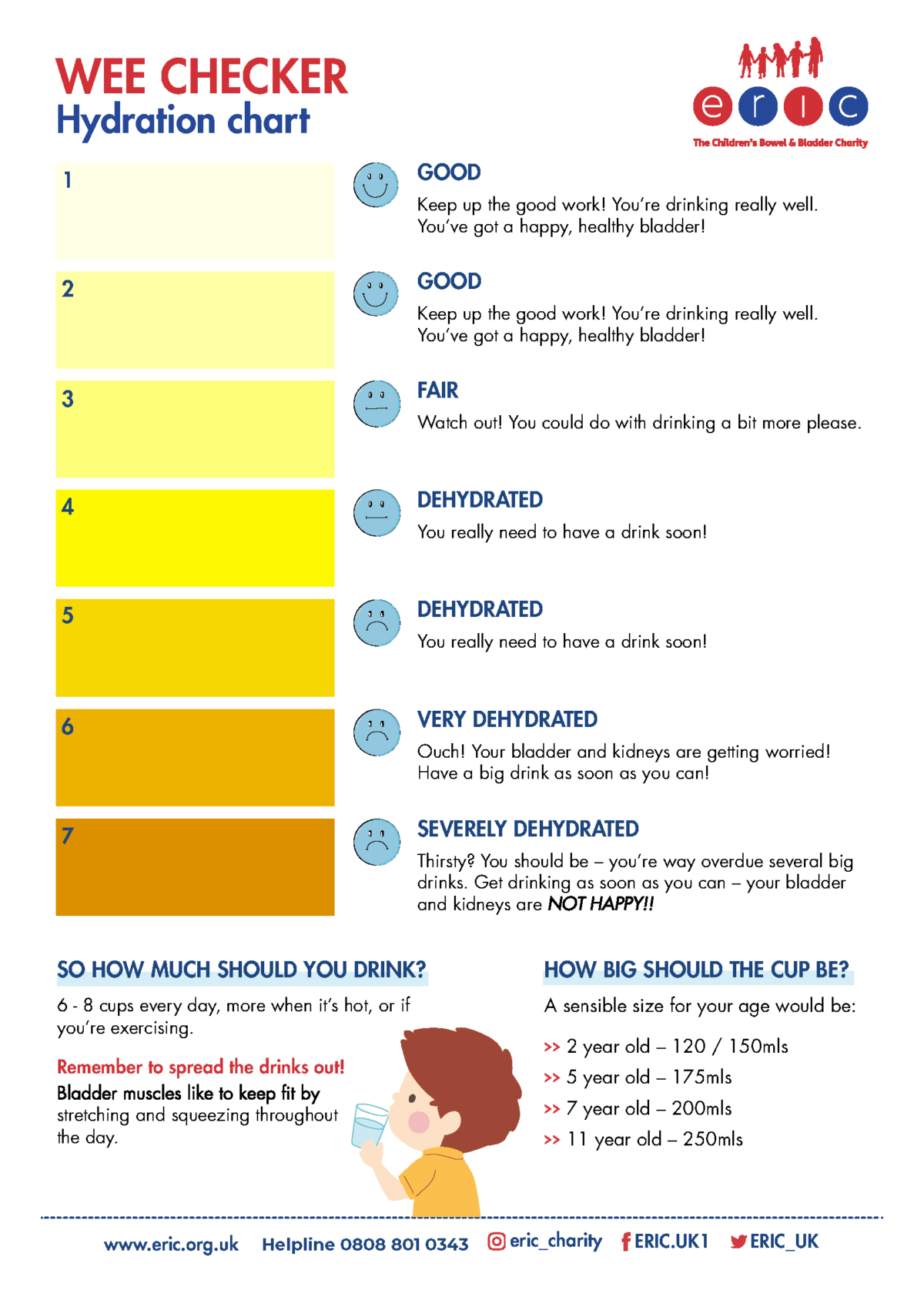
Image Source: eric.org.uk
What Affects How Often Toddlers Pee?
Several things change how often a toddler needs to pee. Knowing these helps you figure out what is normal.
How Much They Drink
This is a big one. If your toddler drinks a lot, they will pee more often. This includes water, milk, juice, and other drinks. On hot days, they might drink more. This means more trips to the potty or more wet diapers. If they don’t drink much, they will pee less often.
What They Eat
Some foods have lots of water in them. Fruits like watermelon and oranges can add to how much liquid is in their body. This can make them pee more. Salty foods can make them feel thirsty. Drinking more means peeing more.
Their Age and Size
Younger toddlers have smaller bladders. They cannot hold as much pee. So, they need to go more often than older toddlers. As they get bigger, their bladder grows too. They can then hold pee for longer times.
How Active They Are
When toddlers run and play a lot, they might sweat more. Sweating gets rid of some liquid from their body. This can mean they pee a little less often. When they are quiet, like watching TV, they might pee more often because less liquid leaves through sweat.
The Weather
On hot days, toddlers sweat more. They might drink more to stay cool. Drinking more leads to peeing more. On cold days, they might sweat less. They might not feel as thirsty. This can mean they pee less.
Potty Training Stage
Toddlers who are still in diapers might pee often without you knowing right away. Those learning to use the potty might try to hold it longer. Or they might want to try going just a little bit each time they feel a tiny urge. This can change the average number of times toddler pees daily.
Bedtime Habits
Most toddlers will pee less at night as they get older. Their body makes less pee while they sleep. Younger toddlers might still need to pee at night. Some older toddlers can sleep all night without peeing. This is part of typical toddler bathroom habits.
Grasping Normal Peeing Habits
It’s helpful to know what is normal toddler urination frequency. This helps you spot when things might be different. Remember, normal is a range. What’s normal for one toddler might be different for another.
For Toddlers in Diapers
For younger toddlers, you look at wet diapers. How many wet diapers per day toddler is a good sign of if they are getting enough to drink and peeing normally.
- Babies and young toddlers (under 1 year) often have 6 to 8 wet diapers a day. This can be more or less.
- Older toddlers (1-3 years) might have fewer wet diapers as they hold more pee. Maybe 4 to 6 wet diapers. But if they drink a lot, it could be more.
- The diapers should feel heavy. Light, wet diapers might mean they are not drinking enough or peeing only small amounts very often.
Checking diapers helps you track their typical toddler bathroom habits before potty training starts.
For Potty Training Toddlers
When toddlers start using the potty, their peeing habits can change again.
- They might pee small amounts many times as they learn to know the feeling of needing to go.
- They might have accidents between potty trips.
- They might hold pee for a while and then have a big pee.
- A potty training peeing schedule can help. Taking them to the potty every 1.5 to 2 hours is common at first. This helps them learn the feeling.
Spotting Signs of Usual Habits
How do you know your toddler’s peeing is normal? Look for these signs:
- They pee regularly throughout the day.
- The amount of pee seems right for how much they drank.
- They don’t seem to be in pain when they pee.
- The pee is usually pale yellow or clear if they drink enough. Dark yellow might mean they need more liquids.
- For potty users, they can often tell you when they need to go, or they show signs like hopping or holding their private parts.
Typical toddler bathroom habits include having a range of how often they go. It won’t be the exact same number every single day.
Appreciating Signs of Peeing More Often
Sometimes, toddlers start peeing much more than usual. This is called signs of frequent urination in toddlers. It means your toddler peeing more often.
What Does Peeing More Often Look Like?
- Needing to go to the potty every 30 minutes or even sooner.
- Having many more wet diapers than normal in a short time.
- Peeing only a little bit each time, but going very often.
- Having accidents more often than usual, even if they were doing well with potty training.
- Waking up much more often at night to pee when they didn’t before.
Why Might a Toddler Pee More Often?
There are many reasons for a toddler peeing more often. Some are simple, others need checking by a doctor.
- Drinking More: They just drank a lot of liquid. This is the most common reason.
- Excitement or Nerves: Sometimes, excitement or feeling worried can make toddlers feel like they need to pee more.
- Changes in Diet: Eating lots of fruits or foods with caffeine (like chocolate drinks, some sodas) can increase peeing.
- Cold Weather: In cold weather, the body sometimes makes more pee.
- Urinary Tract Infection (UTI): This is a key thing to check for. A UTI is a bug in the pee system. It often makes peeing hurt or feel urgent. Signs of frequent urination in toddlers are a main sign of a UTI. They might also complain of pain when peeing, have cloudy or smelly pee, or have a fever.
- Diabetes: Though less common, a sudden increase in peeing a lot, along with being very thirsty and losing weight, can be a sign of diabetes.
- Other Medical Issues: Rarely, other health problems can cause frequent peeing.
If your toddler peeing more often happens suddenly, lasts for more than a day or two, or comes with other signs like pain, fever, or seeming unwell, it’s important to talk to their doctor.
Interpreting Signs of Peeing Less Often
On the flip side, sometimes toddlers pee less often than normal. This can also be a sign to watch. These are signs of infrequent urination in toddlers. It means your toddler peeing less often.
What Does Peeing Less Often Look Like?
- Going many hours without peeing (like 6-8 hours during the day).
- Having very few wet diapers in a day (maybe only 1 or 2).
- For potty users, not asking to go or not wanting to go for a long time.
- When they finally pee, it might be a large amount, or it might still be a small amount.
- The pee might be very dark yellow and have a strong smell. This often means they are not getting enough to drink.
Why Might a Toddler Pee Less Often?
There are several reasons why a toddler peeing less often might happen:
- Not Drinking Enough: This is the most common reason. If they don’t drink much, there’s less liquid for the body to make pee from. This is likely if it’s hot, they’ve been very active and sweating, or they are sick and not taking in fluids well. Dehydration is a worry here.
- Holding It In: Toddlers learning to potty might try to hold pee for too long. They might be busy playing and not want to stop. Or they might be scared of the potty. Holding pee for too long often can cause problems later, like UTIs or pee accidents.
- Constipation: If a toddler is constipated (has hard poop or trouble pooping), the full bowel can press on the bladder. This can make it hard for the bladder to fill fully or empty well. This can sometimes lead to peeing less often or having small pees.
- Illness: When a toddler is sick, they might not drink as much. Also, if they have a fever or are vomiting or have diarrhea, they lose a lot of liquid. This can lead to less pee.
- Blocked Pee Flow: Rarely, there can be something blocking the flow of pee. This is serious and needs a doctor right away.
If your toddler peeing less often seems to be because they aren’t drinking, try offering fluids more often. If it continues, or if they show signs of being sick, being in pain, or seem very tired or not themselves, talk to their doctor.
When to Worry About Toddler Peeing
Most changes in how often a toddler pees are not serious. They are often linked to how much they drink or changes in their day. But sometimes, changes in normal toddler urination frequency can point to a health issue. It’s important to know when to worry about toddler peeing.
Call your doctor if you see these signs along with changes in how often your toddler pees:
- Pain or Crying During Peeing: They might cry, arch their back, or say “ouch” when they pee. This is a major sign of a UTI.
- Fever: A high temperature with changes in peeing needs checking.
- Cloudy, Smelly, or Bloody Pee: Pee should usually be pale yellow and not smell very strong. Cloudy, very strong-smelling, pink, red, or brown pee is not normal.
- Sudden, Big Increase in Peeing: Peeing much, much more often and in large amounts, especially if the toddler is also very thirsty and hungry, and losing weight. This could be diabetes.
- Sudden, Big Decrease in Peeing: Peeing much, much less often (like no pee for 8-12 hours during the day) and seeming unwell, tired, or having dry lips and no tears. This could be dehydration.
- Dribbling or Leaking: If they can’t seem to hold their pee at all or constantly leak small amounts, even if they were potty trained.
- Swelling: Swelling in the face, hands, or feet along with changes in peeing can be a sign of kidney problems.
- Peeing Pain After an Injury: If they had a fall or hurt their back or belly and now have trouble peeing or it hurts.
Trust your gut. If something about your toddler’s peeing habits just doesn’t seem right, it’s okay to call your doctor and ask. They can help figure out if it’s just a normal change or something else.
Deciphering Potty Training and Pee Schedules
When you start potty training, paying attention to how often your toddler pees becomes very important. A potty training peeing schedule can be helpful, but it needs to be flexible.
Why a Schedule Helps
- It helps you take your toddler to the potty at times when they are likely to need to go (like after waking up, after drinking, before naps/bedtime, before leaving the house).
- It helps them learn the feeling of needing to go by giving them chances to try.
- It can help prevent accidents.
Creating a Schedule
Start by watching your toddler for a few days before you start the schedule. When do they usually have a wet diaper? When do they show signs they might be peeing? This helps you see their typical toddler bathroom habits.
A common starting point is taking them to the potty every 1.5 to 2 hours. You can adjust this based on:
- How much they are drinking.
- Their age and how long they can usually stay dry.
- If they keep having accidents before the next scheduled trip, you need to go more often.
- If they are always dry at the scheduled time and pee a lot when they finally go, they might be able to wait longer between trips.
Listening to Your Toddler
While a schedule is good, it’s even better to listen to your toddler. Encourage them to tell you when they need to go. Watch for their signs:
- Jiggling or hopping
- Holding their private parts
- Stopping playing suddenly
- A focused look on their face
- Telling you “pee pee!”
React quickly when they tell or show you they need to go. This helps them connect the feeling with using the potty. Forcing a schedule too strictly without listening to their body’s signals can sometimes cause problems.
Over time, the need for a strict potty training peeing schedule lessens. They will get better at knowing their body’s signals and telling you or going on their own. Their normal toddler urination frequency will become more predictable for them.
Monitoring Toddler Peeing Habits
Keeping an eye on your toddler’s peeing doesn’t mean writing down every single pee. It means noticing general patterns and changes.
What to Watch For
- Roughly how many times they pee in a day.
- If the number changes a lot for no clear reason (like drinking much more or less).
- If they suddenly start peeing very often or very little.
- If peeing seems painful or different (smell, color).
- If they are staying dry for longer periods as they get older.
- For potty users, if they are learning to tell you or if accidents happen more or less often.
Tools for Monitoring
- Diapers: Checking how full diapers are gives you a lot of information about volume and frequency for younger toddlers or those still in diapers part-time. Knowing how many wet diapers per day toddler has is a simple way to track input and output.
- Potty Chart: During potty training, a simple chart with stickers for successful potty trips can help track frequency and be fun for the toddler.
- Just Watching: Often, just paying attention during your normal day is enough to notice changes in typical toddler bathroom habits.
Don’t get too worried about exact numbers. What’s important is noticing if there’s a big change from your toddler’s usual pattern.
Maintaining Healthy Bathroom Habits
Helping your toddler have healthy pee habits is part of their overall health.
Encourage Drinking
Make sure they have water or other healthy drinks available throughout the day. Offer drinks between meals and snacks, and especially when they are active or when it’s hot. This helps maintain normal toddler urination frequency.
Regular Potty Breaks
Even after potty training, encouraging them to try and pee before long car rides, before bed, or before going out to play can help prevent accidents and encourage them to empty their bladder fully. This relates back to a flexible potty training peeing schedule.
Teach Good Hygiene
For little girls, teach them to wipe from front to back after peeing. This helps prevent bugs from getting into the pee system and causing UTIs.
Don’t Rush Potty Training
Let your toddler lead the way in potty training. If they are not ready, trying to force it can cause stress and lead to problems like holding pee in. Patience is key for developing good typical toddler bathroom habits.
Pay Attention to Poop
Healthy pooping habits are linked to healthy peeing habits. Make sure your toddler is not constipated. Offer foods with fiber and make sure they drink enough water.
Knowing What’s Typical Helps
Knowing the average number of times toddler pees daily and the signs of normal toddler urination frequency gives you a baseline. This makes it easier to spot signs of frequent urination in toddlers or signs of infrequent urination in toddlers. Most of the time, changes are normal and easy to explain. But knowing when to worry about toddler peeing means you can get help if they need it. Trust your knowledge of your child and don’t hesitate to ask for help if you are concerned.
Table: Average Wet Diapers Per Day
This table gives a general idea for younger children who are still in diapers.
| Age Group | Typical Number of Wet Diapers Per Day |
|---|---|
| Newborns | 4-6 (at first), then 6-8+ |
| Infants (1-12 mos) | 6-8 or more |
| Toddlers (1-3 yrs) | 4-8 (can vary a lot) |
Remember, this is just an average. How many wet diapers per day toddler has depends on their drinks and other factors.
Frequently Asked Questions
h4 Does teething make my toddler pee more?
Some parents feel their baby or toddler pees more when teething. This might be because they are drooling a lot and taking in more liquid that way. Or they might be extra fussy and you offer more drinks for comfort. There isn’t strong proof that teething itself directly makes them pee more from a body standpoint, but the things you do around teething time might.
h4 Is it normal for a toddler to sleep through the night without peeing?
Yes! As toddlers get older, their body starts making less pee at night. Their bladder also gets bigger. Many toddlers are able to stay dry all night between ages 2 and 5. It’s a normal step in development, and it’s okay if it takes time. Not all toddlers are ready to be dry at night when they finish daytime potty training.
h4 My toddler pees a lot when they are excited. Is this normal?
Yes, this can be normal. Strong feelings, like being very excited, nervous, or even scared, can sometimes make toddlers feel a sudden urge to pee or even have a little accident. It’s often about the body’s reaction to these feelings. It usually gets better as they get older. If it happens very often or causes distress, you can mention it to your doctor.
h4 What if my toddler holds their pee for a long time?
Toddlers might hold their pee because they are busy playing, afraid of the potty, or just trying to see how long they can wait. Doing this sometimes is normal. But if they do it all the time, it can cause problems. Holding pee for too long often can make them more likely to get UTIs. It can also lead to accidents if they wait too long and can’t make it to the potty in time. Try to offer regular potty breaks and encourage them gently to listen to their body’s signs.
h4 My toddler’s pee smells strong sometimes. Is this okay?
Pee can smell stronger if it’s more yellow and less diluted (not enough liquid). This often happens if they haven for a few hours or haven’t had much to drink. Some foods (like asparagus) or medicines can also change the smell. If the pee is very dark yellow, smells very strong and bad, or if the smell is new and doesn’t go away, or if they have other signs of being sick, it’s good to check with the doctor. A foul smell can be a sign of a UTI.
h4 Can traveling affect how often my toddler pees?
Yes. Traveling can change routines. Your toddler might drink less if they don’t have easy access to drinks. Or they might drink more juice or sugary drinks which can increase peeing. They might also be less likely to use public restrooms, causing them to hold pee longer. All these things can change their typical toddler bathroom habits temporarily.
h4 My toddler just finished potty training and now pees a small amount very often. Is this normal?
Yes, this can be normal right after potty training. They are learning to feel the need to pee. Sometimes, they feel just a little bit of pee in their bladder and think they need to go right away. Their bladder muscle is learning how to store pee properly. As they get more used to being potty trained, they will learn to hold pee for longer and empty their bladder more fully when they go. This should improve over a few weeks. If it continues for a long time or seems linked to pain, talk to the doctor. This could be signs of frequent urination in toddlers.