
How often should you put your toddler on the potty? There is no single magic number, but most experts agree that frequent, short visits are a great starting point. This approach helps your child get used to the idea without feeling pressured. The ideal “how often” really depends on your child’s toddler potty readiness, the potty training methods you choose, and their unique pace. We will explore how often to take potty breaks for toddlers to help them achieve successful potty training.
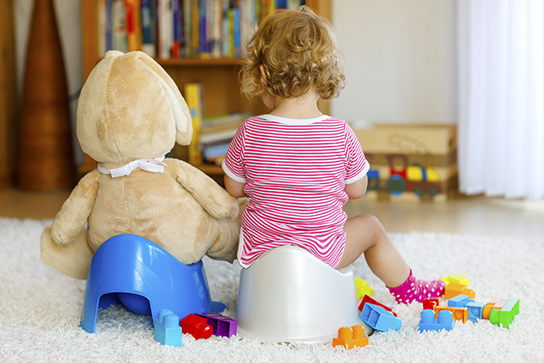
Image Source: health.ucdavis.edu
Appreciating Potty Training Readiness
Before you even think about how often to put your child on the potty, it is vital to know if they are ready. Trying to potty train too early can make the process longer and harder. It can also lead to frustration for both you and your little one. Signs of potty training readiness are more important than your child’s age. While many parents start thinking about it between 18 months and 3 years, the best age for potty training is when your child shows clear signs.
Signs of Potty Training Readiness
Look for a mix of physical, cognitive, and behavioral signs. Your child may show some signs but not all. That is okay.
Physical Signs:
- Dry for longer: Your child stays dry for at least 2 hours during the day. They may also be dry after naps. This means their bladder muscles are getting stronger.
- Regular bowel movements: They have predictable poop times. This makes it easier to time potty trips.
- Waking up dry: They wake up from naps dry. This shows some control.
- Better balance: They can walk, run, and sit down without help. This helps them get to and sit on the potty.
Cognitive Signs (Thinking Skills):
- Can follow simple steps: Your child can understand and follow easy directions. Like, “Go get your shoes.”
- Knows words for pee and poop: They can tell you they need to go, or they use words for pee and poop. This shows they connect the feeling to the words.
- Can pull pants up and down: They can pull their own pants up or down. This helps them be more independent.
- Shows interest: They show interest in the toilet or in others using the toilet. They might ask what you are doing.
Behavioral Signs:
- Hides to pee or poop: Your child might go to a quiet spot to pee or poop in their diaper. This shows they know what is happening.
- Dislikes dirty diapers: They tell you when their diaper is wet or dirty. They may ask to be changed.
- Wants to wear underwear: Your child might ask to wear “big kid” underwear.
- Can sit still: They can sit still for a few minutes. This is key for sitting on the potty.
- Wants to do things themselves: They want to be independent in other ways.
It is rare for a child to show all signs at once. Most children are ready when they show many of these signs. If you start before they are ready, it will likely take how long to potty train much longer. Wait until they are truly ready.
Exploring Potty Training Methods
The method you choose can affect your potty training schedule and how often you put your child on the potty. There are different ways to approach potty training.
Child-Led or Gentle Approach
This method focuses on following your child’s cues. You introduce the potty. You let your child explore it. You offer trips to the potty when they show signs of needing to go. This method is often slower. It involves less pressure. The potty training routine evolves as your child becomes more aware.
The Three-Day Method
This is a more intensive approach. Parents dedicate a few days (often a long weekend) to focus only on potty training. During this time, the child wears no diapers. They are taken to the potty very often. This method needs full focus from the parent. It can work well for some children. It works best for children who are very ready.
Combination Approach
Many parents use a mix of methods. They might start gently. Then they become more structured as their child progresses. This is often the most flexible way to go.
Deciphering Potty Training Frequency Guidelines
So, how often should you actually put your toddler on the potty? The answer changes as your child learns.
Starting Out: The Frequent Potty Breaks Phase
When you first begin, aim for very frequent trips. This helps your child build the habit. It also helps them connect the feeling of needing to go with using the potty.
- Every 1.5 to 2 hours: This is a good starting point. Set a timer if it helps you remember. This frequency is important even if they do not go each time.
- Right after waking up: Their bladder is usually full after sleep.
- Before and after meals/snacks: Food and drink move through the body.
- Before and after naps: Similar to morning wake-ups.
- Before leaving the house: Always try before going out.
- Before bedtime: Emptying the bladder before sleep can help with dry nights later.
During this phase, potty breaks for toddlers should be short. Do not force them to sit for a long time. If they do not go after a minute or two, let them get up. Keep it light and positive. The goal is exposure, not immediate success every time.
Moving Forward: Listening to Cues
As your child gets the hang of it, you can start to rely less on the clock. Instead, you will watch for their cues.
- Wiggling or holding themselves: They might dance around or cross their legs.
- Making a face: They might make a focused face.
- Telling you: They might say “I need to go!”
- Hiding: They might try to hide, like they used to with a diaper.
When you see these signs of potty training readiness related to needing to go, take them to the potty right away. If they are telling you they need to go, praise them for telling you. Even if they have an accident, thank them for trying to tell you.
What If They Do Not Go?
It is okay if your child does not pee or poop every time you put them on the potty. The main goal is to build the routine. It is about making the potty a normal part of their day. If they refuse to sit, do not force them. Try again in 15-30 minutes.
Crafting Your Potty Training Routine
A potty training routine brings structure. It helps your child know what to expect. A good routine is key for successful potty training.
Sample Potty Training Schedule (Initial Phase)
This is a guide. Adjust it to fit your family’s daily life.
| Time | Activity | Potty Action | Notes |
|---|---|---|---|
| 7:00 AM | Wake up | First thing: Take to potty. | Bladder is usually full. |
| 7:30 AM | Breakfast | After breakfast, offer potty. | Food and drink can trigger bowel movements. |
| 8:30 AM | Playtime | Offer potty (every 1.5-2 hours). | Regular check-ins during play. |
| 10:00 AM | Snack time | After snack, offer potty. | Another opportunity after fluid intake. |
| 10:30 AM | Playtime / Outing | Before leaving: Offer potty. | Always try before going out. |
| 12:00 PM | Lunch | After lunch, offer potty. | Continue the post-meal routine. |
| 1:00 PM | Nap time | Before nap: Offer potty. | Empty bladder before sleep. |
| 3:00 PM | Wake up from nap | First thing: Take to potty. | Similar to morning wake-up. |
| 3:30 PM | Snack time | After snack, offer potty. | Consistent breaks. |
| 5:00 PM | Playtime / Dinner Prep | Offer potty (every 1.5-2 hours). | Another regular check-in. |
| 6:00 PM | Dinner | After dinner, offer potty. | Last meal of the day, good for a final bowel movement attempt. |
| 7:00 PM | Bedtime Routine | Before bath/story: Offer potty. | Make it part of the wind-down routine. |
| 7:30 PM | Bedtime | Final attempt: Offer potty right before bed. | Critical for avoiding night-time accidents. |
This potty training schedule is a guide. Be flexible. If your child is having a lot of accidents, you might need to offer the potty more often. If they are doing well, you can start to space out the times.
Influencing Potty Training Frequency
Several things can change how often your child needs to use the potty.
Fluid Intake
If your child drinks a lot, especially water, juice, or milk, they will need to pee more often. On days they drink more, increase potty breaks for toddlers.
Activity Levels
When children are busy playing, they often “hold it” or do not notice they need to go until it is urgent. Active play can also move things along in their system. Plan more frequent trips during high-energy play.
Excitement or Distraction
A new toy, a TV show, or a playdate can distract a child. They might forget to tell you they need to go. If they are very focused, offer the potty more often. Do not wait for them to tell you.
Illness or Changes
Illness, especially stomach bugs, can change bowel and bladder control. Stress or big life changes (new sibling, moving house) can also impact progress. Be patient during these times. You might need to go back to more frequent checks.
How Long Does Potty Training Take?
One common question is how long to potty train. There is no single answer. Every child is different.
- Some children: May learn the basics in a few weeks or months.
- Other children: May take several months, or even a year or more, to be fully trained, especially for night-time dryness.
- Average range: Many children take 3 to 6 months to be mostly daytime potty trained.
Potty training frequency guidelines are about building habits. Consistency is more important than speed. Do not rush the process. Celebrate small wins. Do not get upset over accidents.
Tips for Successful Potty Training
Beyond just how often to go, here are some tips for successful potty training:
Make it Fun and Positive
- Use praise: Cheer for every small step. Even if they just sit on the potty, say “Great job sitting on the potty!”
- Rewards: A sticker chart, a small toy, or extra story time can motivate them.
- Potty books/videos: Read books about potty training together. Watch fun videos.
- Let them choose: Let your child pick out their own potty seat or underwear. This makes them feel like part of the process.
Consistency is Key
- Stick to a routine: Try to follow your potty training routine as much as possible. This helps your child learn what to expect.
- Use the same words: Use simple, clear words for pee and poop. Make sure everyone caring for your child uses the same words.
- Dress for success: Put your child in clothes that are easy to pull up and down. Elastic waistbands are great.
- Potty accessible: Keep the potty in an easy-to-reach spot. Maybe the bathroom, or even a main living area at first.
Handle Accidents with Calmness
- Do not get upset: Accidents will happen. It is a part of learning. Getting angry or upset will make your child fearful. This can slow down progress.
- Clean up without fuss: Calmly say, “Oops, pee goes in the potty.” Then help them clean up.
- Review what happened: You can gently ask, “Did you feel it before you went?” This helps them think about their body’s signals.
- Change clothes quickly: Make sure they are comfortable again fast.
Involve Your Child
- Talk about it: Explain what you are doing. “It’s time to try for a potty trip.”
- Demonstrate: If you are comfortable, let them see you use the toilet. Children learn by watching.
- Let them lead: If they want to try, let them. If they do not, do not force them.
The Right Potty Gear
- Potty chair vs. seat adapter: Some children prefer a small potty chair that sits on the floor. Others like a seat that goes on the regular toilet. Let your child try both if possible.
- Step stool: A step stool helps them reach the toilet and feel secure if using an adapter.
- Training pants: Some parents use training pants (thicker than underwear but not as absorbent as a diaper). These can help a child feel wetness. Others go straight to underwear.
When to Seek Advice
Most children learn to use the potty with time and patience. But sometimes, you might need extra advice.
- No progress: If you have been trying for a few months and see no progress.
- Regression: Your child was doing well, then starts having many accidents.
- Physical concerns: If your child has pain when peeing, or cannot control their bowels.
- Extreme fear: If your child is very scared of the potty.
In these cases, talk to your child’s doctor. They can check for medical issues. They can also offer tips.
Conclusion
Potty training is a big step for your child. It is also a big step for you. The key is to watch for toddler potty readiness. Then, use a consistent potty training routine. Start with frequent potty breaks for toddlers (every 1.5 to 2 hours). Slowly shift to going when your child cues you.
Remember that how long to potty train is not a race. There is no perfect potty training schedule for every child. Be patient, positive, and celebrate every small success. With a gentle approach and lots of encouragement, your child will get there. This guide on potty training frequency guidelines aims to make your journey smoother and more confident.
Frequently Asked Questions (FAQ)
Q1: My child is 3 years old and not interested in potty training. Is that too late?
A: No, it is not too late at all! Many children do not show interest or readiness until age 3 or even later. The best age for potty training is when your child shows signs of potty training readiness, not a specific age on the calendar. Keep offering the potty. Keep it positive. They will get there when they are ready.
Q2: How often should I put my toddler on the potty during the “three-day method”?
A: During the intensive “three-day method,” you should put your toddler on the potty very often. This means every 15-20 minutes in the first few hours. Then you can stretch it to every 30-45 minutes. You also take them any time they show a cue. The goal is constant exposure and quick response.
Q3: My child pees every time I take them to the potty, but still has accidents. What gives?
A: This is common! It means they can pee on the potty. But they may not yet connect the feeling of needing to go with actually telling you or getting there in time. Keep your potty training schedule consistent. Focus on asking them if they need to go, and watching for their cues. Praise them for telling you, even if an accident happens first. This will help them make the connection.
Q4: How do I know when my child is ready to stop wearing diapers at night?
A: Nighttime dryness usually happens later than daytime training. Look for these signs of potty training readiness for night:
* Waking up with a dry diaper most mornings for several weeks.
* Your child can hold their pee for longer periods during the day.
* They show interest in being dry at night.
Do not rush night training. Many children need night diapers until age 5 or even later.
Q5: My child is resisting the potty. What should I do?
A: If your child resists, take a break. A break of a few weeks or even a month can help. Forcing them can make them fear the potty. Review the signs of potty training readiness. If they are not ready, waiting will save you both frustration. When you restart, make it fun and low-pressure. Offer the potty, but do not push.
Q6: Should I wake my child up at night for a potty break?
A: Generally, no. Waking a child up for a potty trip at night can disrupt their sleep patterns. It also does not help them learn to control their bladder while asleep. Nighttime dryness is mostly about physical maturity. It happens when their body is ready. If they are having very frequent night accidents, talk to your doctor.