
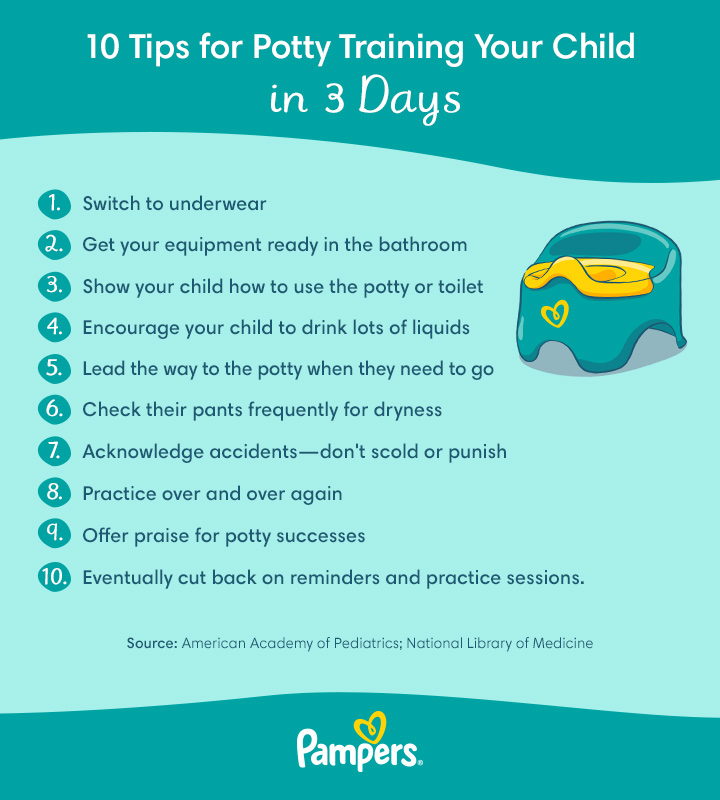
Image Source: images.ctfassets.net
Optimal Frequency: How Often To Take Toddler To Potty
Taking your toddler to the potty at the right times is key. For most toddlers, starting with trips every 20-30 minutes during awake times is a good plan. This potty training frequency helps them learn. It also stops many accidents. This regular check-in forms the basis of a good toddler potty schedule. It teaches your child to listen to their body. Knowing how often to offer potty is vital. Most experts agree that 8-10 trips a day or even more are common at the start. This answers how many times a day to potty train in the early stages.
Potty training is a big step for your child. It is also a big step for you. Every child learns at their own pace. There is no one-size-fits-all rule. But a good plan can make it easier. We will explore how often to take your child to the potty. We will look at what makes for good timing. We will also see how to build a strong routine. This guide will help you find the best way forward.
Deciphering Readiness: When Your Child is Set for the Potty
Before you even think about potty training frequency, check for readiness. Your child needs to show certain signs. These signs tell you they are ready to learn. Trying to train before they are ready can cause problems. It can make the process longer and harder. Look for physical, mental, and emotional signs.
Physical Signs of Readiness
- Dry for Longer: Your child stays dry for at least two hours during the day. They may even be dry after naps. This means their bladder muscles are stronger.
- Regular Bowel Movements: They have predictable poops. This helps with timing potty trips for number two.
- Good Motor Skills: Your child can walk to the potty. They can pull their pants up and down. They can sit on the potty by themselves. These skills are very helpful.
Cognitive Signs of Readiness
- Following Simple Orders: Your child can understand and follow basic instructions. “Go get the ball,” or “Bring me your cup,” are good examples.
- Showing Curiosity: They show interest in the potty. They might ask what it is for. They may want to watch you use the toilet.
- Naming Body Parts: They can name their body parts. They can also tell you what they are doing. “I’m peeing,” or “I need to poop,” are great signs.
Behavioral Signs of Readiness
- Discomfort with Diapers: Your child might pull at a wet or dirty diaper. They might ask for a clean one. This shows they feel wetness.
- Wanting Independence: They want to do things by themselves. They say, “Me do it!” often. This independence helps them take charge of potty use.
- Telling You They’re Going: They tell you before they go pee or poop. Or they tell you while they are going. This is a huge step. It shows awareness.
Emotional Signs of Readiness
- Willing to Cooperate: They are generally willing to try new things. They are not strongly resistant to your ideas.
- Seeking Praise: Your child enjoys praise. They like making you happy. Praise for potty success can be a strong motivator.
If your child shows most of these signs, they are likely ready. If not, wait a little longer. Keep it light and positive. Introduce the potty without pressure.
The Initial Phase: Setting Potty Training Frequency
Once you see readiness, it is time to start. The first few days or weeks are about high potty training frequency. This is often called timed potty breaks. This strategy helps your child learn what the potty is for. It also helps them connect body signals with the act of using the potty.
How often to offer potty at the start? Start with very frequent trips. Every 20-30 minutes is a common recommendation. Set a timer if it helps you remember. This sounds like a lot, and it is! But it builds a strong habit quickly. It also lessens the chance of accidents. Accidents can be discouraging for both of you.
Think about how many times a day to potty train in the beginning. If your child is awake for 12 hours, and you go every 20-30 minutes, that is 24-36 trips. This includes going after waking, before naps, before bedtime, and after meals. It is a lot of trips, but many of them will be quick “try and go” trips. Praise all efforts, even if nothing happens.
Grasping the Early Potty Schedule
Here is a sample toddler potty schedule for the first few days. This shows high potty training frequency.
| Time | Activity | Potty Trip? | Notes |
|---|---|---|---|
| 7:00 AM | Wake Up | Yes (First trip) | Straight to the potty. |
| 7:05 AM – 7:30 AM | Playtime | Yes | Quick trip after waking. |
| 7:30 AM | Breakfast | ||
| 7:45 AM | After Breakfast | Yes | Often need to go after eating. |
| 8:00 AM | Playtime | Yes | Start timed potty breaks every 20-30 mins. |
| 8:20 AM | Playtime | Yes | Continue frequent trips. |
| 8:40 AM | Playtime | Yes | Keep offering. |
| 9:00 AM | Snack | ||
| 9:15 AM | Before Nap/Quiet Time | Yes | Always go before long rest. |
| 9:30 AM – 11:00 AM | Nap/Quiet Time | ||
| 11:00 AM | Wake Up from Nap | Yes | Straight to the potty after waking. |
| 11:05 AM – 11:30 AM | Playtime | Yes | Resume timed potty breaks. |
| 11:30 AM | Lunch | ||
| 11:45 AM | After Lunch | Yes | Another trip after eating. |
| 12:00 PM – 5:00 PM | Playtime/Activities | Yes (Every 20-30 mins) | Continue potty training frequency consistently. |
| 5:00 PM | Dinner | ||
| 5:15 PM | After Dinner | Yes | Last chance for number two. |
| 5:30 PM – 6:30 PM | Wind-down play | Yes (Every 30-45 mins) | Reduce frequency slightly as evening approaches. |
| 6:30 PM | Before Bedtime Routine (Bath/Books) | Yes | Last trip before bed. |
| 7:00 PM | Bedtime |
This schedule shows the intensity of initial training. It focuses on catching any output. It helps your child quickly link the feeling of needing to go with using the potty.
Building Consistency: Your Toddler Potty Schedule
Once the initial phase is done, you need to build a toddler potty schedule that works. Consistent potty training is super important. Kids thrive on routine. A clear routine makes potty trips predictable. This helps your child know what to expect.
Structuring the Day Around Timed Potty Breaks
Even after the very intense start, timed potty breaks remain important. You might not need to go every 20 minutes. But sticking to key times helps. These times are often after waking up, before naps, after meals, and before leaving the house. These are natural breaks in the day.
For a potty training routine 2 year old, aim for trips every 1-2 hours. This is a common interval once they have the basic idea. But also watch for their own signals. We will talk more about signals later.
Sample Daily Potty Schedule
This toddler potty schedule shows a more typical day. It balances planned trips with flexibility.
| Time | Activity | Potty Trip? | Notes |
|---|---|---|---|
| 7:00 AM | Wake Up | Yes (First trip) | First thing. |
| 7:15 AM – 7:45 AM | Breakfast | ||
| 7:45 AM | After Breakfast | Yes | Often a good time for a poop. |
| 8:00 AM – 9:30 AM | Playtime/Morning activities | Yes (around 9:00 AM) | Mid-morning check-in. |
| 9:30 AM | Snack | ||
| 10:00 AM | Before Nap/Quiet Time | Yes | Always go before a long rest period. |
| 10:15 AM – 12:00 PM | Nap/Quiet Time | ||
| 12:00 PM | Wake Up from Nap | Yes | Straight to the potty. |
| 12:15 PM – 1:00 PM | Lunch | ||
| 1:00 PM | After Lunch | Yes | Another post-meal trip. |
| 1:15 PM – 3:00 PM | Playtime/Afternoon activities | Yes (around 2:15 PM) | Mid-afternoon trip. |
| 3:00 PM | Snack | ||
| 3:30 PM – 5:00 PM | Outdoor Play/Errands | Yes (before leaving) | Always go before going out. |
| 5:00 PM | Dinner | ||
| 5:30 PM | After Dinner | Yes | Final chance for poop before bed. |
| 6:00 PM – 7:00 PM | Wind-down play/Bedtime routine | Yes (before bath/bed) | Last trip before bed. |
| 7:00 PM | Bedtime |
This potty training routine 2 year old focuses on regular checks. It also trains your child to hold it for slightly longer. Remember to be flexible. If your child asks to go, always take them.
Reading the Cues: Signs Toddler Needs to Potty
While a schedule is great, learning your child’s signals is even better. These signs toddler needs to potty are crucial. They tell you when your child truly needs to go. This builds self-awareness. It moves them from simply following a schedule to listening to their own body.
Behavioral Indicators
- Doing the “Potty Dance”: This is a classic. Your child might shift their weight. They might cross their legs. They may squirm or hold their private parts.
- Becoming Still: Some children stop playing. They might stand still. They might get a far-off look in their eyes. They are focusing on their body.
- Hiding: A child might hide behind furniture. They might go into another room. This is common for pooping. They want privacy.
- Squatting or Grunting: These are often signs of needing to poop.
- Fidgeting or Restlessness: They might move around a lot. They cannot seem to get comfortable.
Physical Tells
- Clutching Private Parts: They might hold their groin area. This is a clear sign.
- Tensing Up: Their body might stiffen. Their face might look strained.
- A “Full” Look: They might look a bit bloated or uncomfortable.
Verbal Cues
- Direct Statements: “Potty,” “pee,” “poop,” “I need to go!” These are the best signs.
- Asking to go: They might ask to use the toilet. Or they might ask to leave the current activity.
- Making Sounds: Some children make certain sounds or grunts before going.
Importance of Observation: Watch your child closely. Learn their unique signs toddler needs to potty. Every child is different. Some are very clear. Others are subtle. When you see a sign, calmly ask, “Do you need to go potty?” Then guide them to the toilet. Even if they just went, take them if they show a sign. This reinforces the idea.
Adjusting Intervals: The Best Potty Training Intervals
As your child learns, you will change the potty training frequency. You will move from very frequent trips to longer times between them. This happens as their toddler bladder control development improves.
At first, you might go every 20-30 minutes. Once they have consistent success, you can try stretching the time. Go for 45 minutes, then an hour, then 1.5 hours. Always watch for signs of needing to go. If they have accidents, go back to shorter intervals.
When to Increase Potty Training Intervals
- Consistent Dryness: Your child stays dry for longer periods between trips.
- Initiating Potty Trips: They start telling you before they need to go. They take themselves to the potty.
- Positive Potty Experiences: They are happy to go to the potty. They have few accidents.
When to Decrease Potty Training Intervals (Go More Often)
- Frequent Accidents: If accidents happen often, it means they are not holding it long enough.
- Not Showing Signs: They might be going without giving you a clear warning.
- Changes in Routine: New places or changes can affect their ability to hold. Go more often during these times.
- Illness: Sickness can affect bladder control.
Transitioning Potty Times
This table shows how best potty training intervals can change over time.
| Stage of Training | Potty Training Frequency (Approx.) | Child’s Role | Focus |
|---|---|---|---|
| Initial Phase | Every 20-30 minutes | Passive (adult-led timed potty breaks) |
Build awareness, prevent accidents. |
| Learning Phase | Every 45-90 minutes | Active (responding to cues, some self-initiation) | Strengthen bladder control, connect signals to potty. |
| Consistent Phase | Every 1.5-3 hours | Independent (mostly self-initiation, few accidents) | Refine bladder control, independence. |
| Fully Potty Trained | As needed (self-regulated) | Fully independent (tells/goes when needed, no accidents) | Maintain good habits. |
Remember, this is a guide. Some children move through stages faster. Others need more time. Patience is the most important tool you have.
Comprehending Bladder Growth: Toddler Bladder Control Development
To set the right potty training frequency, it helps to know about toddler bladder control development. Your child’s body needs to grow and learn. The bladder is a balloon-like organ. It holds pee. When it fills, signals go to the brain. For babies, this signal is automatic. They just pee. For toddlers, their brain learns to control this.
How the Bladder Works Simply
- Filling: Pee slowly fills the bladder.
- Signals: When the bladder is full, nerves send signals to the brain.
- Brain’s Role: The brain gets the signal. It decides if it is a good time to pee.
- Muscle Control: The brain sends messages back. It tells the bladder muscle to hold tight. It also tells the sphincter muscle (a muscle that acts like a valve) to stay closed.
- Releasing: When on the potty, the brain tells the muscles to relax. Pee comes out.
Growth and Learning
- Bladder Capacity: A toddler’s bladder is small. It can only hold a little pee. As they get older, their bladder gets bigger. It can hold more pee for longer. This is why a 2-year-old needs to go more often than a 4-year-old.
- Nerve Development: The nerves that send signals get stronger. The connection between the bladder and the brain improves. Your child becomes more aware of a full bladder.
- Muscle Strength: The muscles around the bladder get stronger. This lets your child “hold it” for longer.
- Brain Control: This is the biggest part of
toddler bladder control development. Your child learns to choose when to pee. They learn to delay it. This control takes time. It is not just about muscle, but also about brain power.
Because of this development, potty training frequency must change. Early on, their bladder is small. Their control is low. So, more frequent trips are needed. As they grow, their bladder gets bigger. Their brain and muscles get better at holding. Then, they can go less often. Respecting this natural development helps. Do not expect perfect control too soon.
Addressing Hurdles: Common Potty Training Challenges
Even with the best toddler potty schedule and consistent potty training, you might hit bumps. This is normal. Here are some common problems and how to handle them.
Resistance
- What it looks like: Your child refuses to sit on the potty. They might cry or throw a fit. They say, “No potty!”
- Why it happens: They might not be ready. Or they feel too much pressure. They want control.
- Solutions:
- Reduce Pressure: Make it fun, not a chore. Use positive words.
- Take a Break: If resistance is strong, step back for a few days or weeks. Try again later.
- Offer Choices: “Do you want to use the big potty or the little potty?” “Do you want to go before or after this song?”
- Make it Fun: Read books on the potty. Use special potty songs. Let them pick a reward.
Accidents
- What it looks like: Your child wets their pants after having good success.
- Why it happens: Accidents are a part of learning. They can happen due to:
- Getting too busy playing.
- Being tired or sick.
- Changes in routine (new house, new sibling).
- A simple misjudgment of how long they can hold it.
- Solutions:
- Stay Calm: Do not get angry. It can scare your child. “Oops, that’s okay! Let’s get clean clothes.”
- Quick Clean-Up: Involve your child in changing. This helps them link the wetness with the action.
- Review the Schedule: Go back to more frequent
timed potty breaksif accidents are common. - Praise Success: Focus on all the times they do use the potty.
Regressions
- What it looks like: Your child was doing great. Now they are having many accidents again. It feels like going backward.
- Why it happens: Often due to major life changes. A new baby, moving, starting school, stress. It can also be a simple power struggle.
- Solutions:
- Look for Triggers: Try to find what caused the change. Address the underlying issue if you can.
- Go Back to Basics: Re-introduce the initial
potty training frequency. Use the rewards again. - Be Patient: This is a phase. It will pass. Your child just needs extra support.
- Check for Illness: Sometimes, a urinary tract infection (UTI) can cause regressions. See a doctor if you are worried.
Travel and Changes in Routine
- What it looks like: More accidents or refusal to use the potty away from home.
- Why it happens: New places can be scary. Different toilets, no routine.
- Solutions:
- Plan Ahead: Know where bathrooms are.
- Portable Potty: Bring your child’s own potty. Or a seat reducer for public toilets.
- Increase Frequency: Offer the potty more often when out and about.
- Explain the Changes: Talk to your child about what to expect.
Nighttime Potty Training: A Separate Journey
Daytime potty training is about awareness and control. Nighttime is different. It relies mostly on toddler bladder control development while sleeping. Many children are daytime trained long before they are dry at night.
Indicators of Readiness for Nighttime Potty Training
- Consistent Dry Diapers: Your child wakes up with a dry diaper for several mornings in a row. This is the biggest sign.
- Asking to Go at Night: They might wake up and tell you they need to pee.
- Being Older: Night dryness often happens naturally between ages 3 and 5. Some children take longer.
Tips for Consistent Potty Training at Night
- Limit Drinks Before Bed: Stop drinks an hour or two before bedtime.
- Potty Before Bed: Make sure they go right before getting into bed.
- Use a Nightlight: So they can find the potty easily if they wake up.
- Keep a Potty Close: A small potty in their room can be helpful.
- Bed-Wetting Alarms: For older children who still wet the bed. Talk to a doctor first.
- Be Patient: This is often the last step. It is largely out of your child’s control. Their body needs to mature. Do not punish accidents.
When to Seek Advice: Knowing When to Call the Doctor
Most potty training issues are normal. They will pass with time and patience. But sometimes, a doctor’s visit is a good idea.
- No Progress: If your child shows no interest in potty training by age 4.
- Sudden Regression: If a child who was fully trained suddenly starts having many accidents. Especially if there are other symptoms like pain or fever.
- Pain or Discomfort: If your child complains of pain when peeing or pooping. Or if they strain a lot.
- Constipation: If your child holds their poop. Or has very hard, painful poops. This can affect bladder control too.
- Concerns about Development: If you worry about your child’s overall development.
Always trust your gut. If something feels off, talk to your child’s doctor.
Conclusion: Patience and Persistence Pay Off
Finding the optimal frequency for potty training is a journey. It starts with knowing when your child is ready. It continues with a toddler potty schedule that uses timed potty breaks and consistent potty training. Learning how often to offer potty and watching for signs toddler needs to potty are crucial. As their toddler bladder control development progresses, you can adjust the best potty training intervals.
Remember, there is no “perfect” age or speed. Every child is unique. Celebrate small wins. Be patient with accidents. Keep it positive and light. Your support and understanding are the most important tools. Soon, your child will be a potty pro!
Frequently Asked Questions (FAQ)
Is it normal for a toddler to have accidents after being potty trained?
Yes, it is very normal. Accidents are a part of learning. They can happen when a child is distracted, tired, or sick. Changes in routine or stress can also lead to accidents. Stay calm, clean up, and keep up the consistent potty training.
How long does potty training usually take?
There is a wide range. Some children pick it up in a few days (often called “potty training in a weekend”). For others, it can take several months. Most children are daytime trained between 18 months and 3 years old. Nighttime training can take much longer, sometimes until age 5 or even later.
What if my toddler refuses to sit on the potty?
Do not force it. This can cause more resistance. Make the potty fun. Let them decorate it. Read potty books together. Try again later. You can also try just having them sit on it with clothes on. This makes it less scary. If they still refuse, take a break from potty training for a few weeks.
Can boys and girls be trained differently?
Generally, the potty training frequency and methods are the same for boys and girls. Girls often start potty training slightly earlier than boys, but this is not always true. Boys may take longer to master standing to pee. It is best to focus on individual readiness, not gender.
How much liquid should my toddler drink during potty training?
Keep their fluid intake normal and healthy. Do not limit fluids during the day to prevent accidents. This can cause other health problems. Encourage regular sips of water throughout the day. This helps the bladder fill and gives them chances to practice. Just reduce fluids about an hour before bedtime for nighttime training.