
A football helmet should fit snugly but not too tightly, covering the forehead and remaining stationary when the wearer moves their head. What does a proper football helmet fit entail? It means the helmet doesn’t shift, slide, or cause discomfort. This guide will walk you through everything you need to know to ensure your football helmet fits perfectly, prioritizing both safety and comfort on the field.
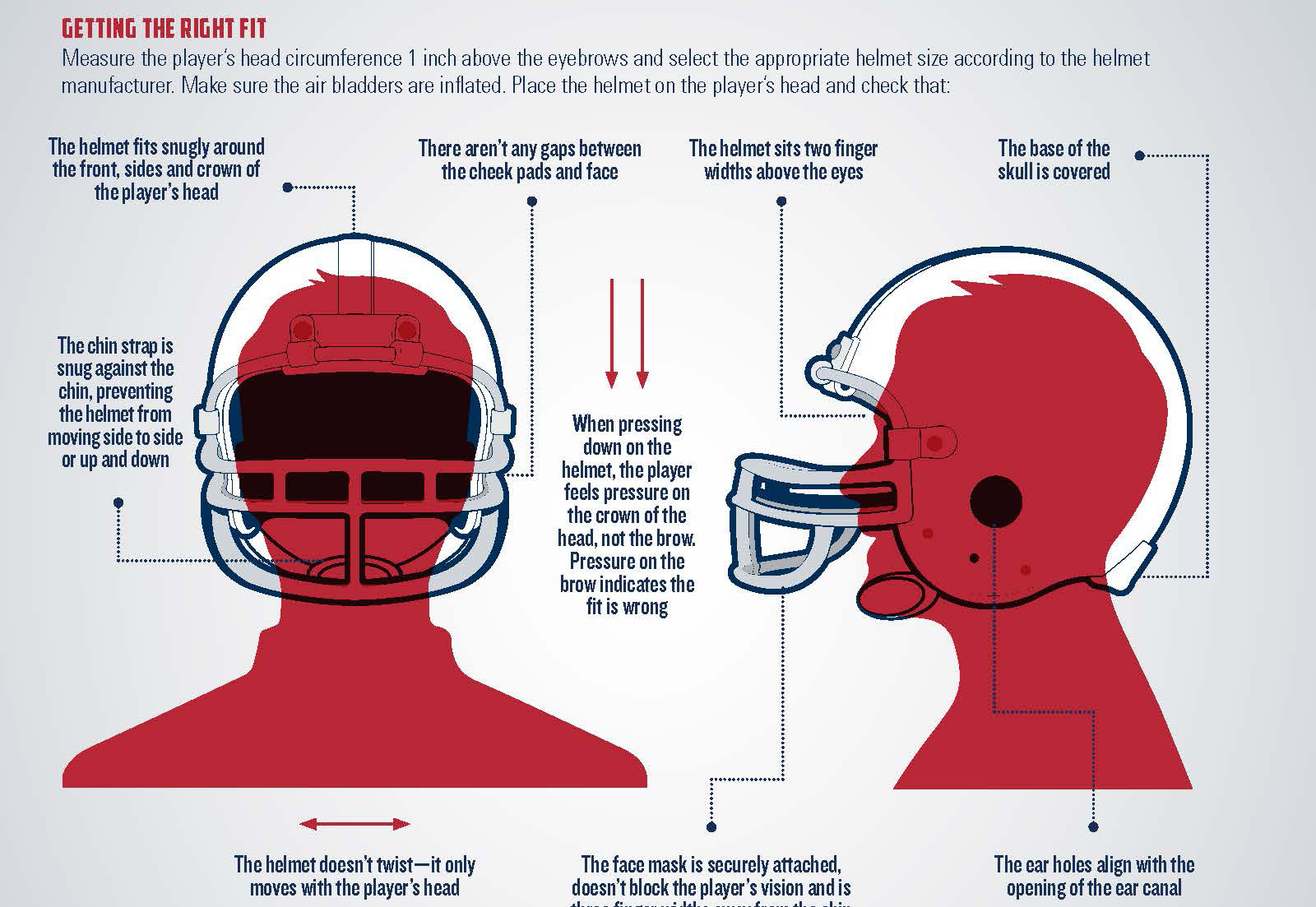
Image Source: www.nata.org
Why a Proper Fit Matters
The paramount importance of a football helmet’s fit cannot be overstated. A well-fitting helmet is the first line of defense against the jarring impacts inherent in the sport. When a helmet fits correctly, it distributes the force of a blow evenly across the head, significantly reducing the risk of concussions and other traumatic brain injuries. Conversely, a helmet that is too loose can move independently of the head during an impact, failing to provide adequate protection. Too tight, and it can cause headaches, restrict blood flow, and even lead to discomfort that distracts a player from the game. Achieving the best fitting football helmet is about finding that critical balance.
The Science Behind Helmet Fit
Football helmets are engineered with advanced materials and designs to absorb and dissipate impact energy. This protective shell works in conjunction with internal padding. The football helmet cheek pads and the football helmet brow pad play crucial roles in securing the helmet and cushioning the head. When the helmet is snug, these pads conform to the contours of the player’s face and forehead, preventing excessive movement. An adjustable fit feature, often found in modern helmets, allows for fine-tuning to accommodate individual head shapes.
Steps to Achieve the Perfect Football Helmet Fit
Getting the right fit for a football helmet involves a systematic approach. It’s not just about picking a size off a shelf; it’s about understanding your measurements and how the helmet’s components interact with your head.
1. Measure Your Head Circumference
The foundation of football helmet sizing is an accurate head measurement. This is the most crucial step in determining the correct size.
How to Measure
- Use a flexible measuring tape. A soft cloth or vinyl tape measure is ideal.
- Wrap the tape around your head. Place the tape about one inch (2.5 cm) above your eyebrows and ears.
- Ensure the tape is snug but not tight. It should feel like how you’d want the helmet to sit.
- Read the measurement. Note the measurement in inches or centimeters. Take the measurement a couple of times to ensure accuracy.
Using a Football Helmet Sizing Chart
Once you have your head circumference, you’ll need to consult a football helmet sizing chart. These charts are provided by helmet manufacturers and correlate head circumference measurements to specific helmet sizes (e.g., Small, Medium, Large, Extra-Large).
Example Football Helmet Sizing Chart (Illustrative – Always check manufacturer specifics)
| Size | Circumference (inches) | Circumference (cm) |
|---|---|---|
| XS | 20.5 – 21 | 52 – 53.5 |
| S | 21.5 – 22 | 54.5 – 56 |
| M | 22.5 – 23 | 57 – 58.5 |
| L | 23.5 – 24 | 59.5 – 61 |
| XL | 24.5 – 25 | 62 – 63.5 |
| XXL | 25.5 – 26 | 64.5 – 66 |
Important Note: Different brands may have slight variations in their sizing. Always refer to the specific manufacturer’s football helmet sizing chart for the model you are considering.
2. Try the Helmet On
Measurement is a guide, but the real test is trying the helmet on. This is where you assess the football helmet snugness and overall feel.
The Snugness Test
- When you first put the helmet on, it should feel snug.
- There should be no significant gaps between the padding and your head.
- The helmet should sit level on your head, not tilted forward or backward.
The Movement Test
This is a critical part of the helmet proper fit assessment.
- Shake your head: Gently shake your head from side to side and nod. The helmet should stay in place. It shouldn’t slide around or feel loose. If it shifts noticeably, it’s likely too big or the wrong shape for your head.
- The “Wiggle Test”: Grab the front and back of the helmet. Try to wiggle it up and down. There should be minimal movement. Then, try to rotate it left and right. Again, minimal movement is key.
- The “Push Test”: With the chin strap unbuckled, have someone gently try to push the helmet up from underneath the back. It shouldn’t easily lift off your head.
3. Checking the Key Contact Points
Beyond the overall snugness, specific areas of the helmet need to fit correctly for optimal protection and comfort.
The Brow Pad and Forehead
The football helmet brow pad should rest comfortably against your forehead, just above your eyebrows.
- Coverage: It should cover your forehead down to about one inch (2.5 cm) above your eyebrows. This area is critical for protecting your frontal lobe.
- Pressure: There should be even pressure on your forehead, not a single pinching point. If the brow pad is too narrow or stiff, it can cause discomfort.
The Cheek Pads
The football helmet cheek pads are essential for stabilizing the helmet and providing impact protection to the sides of the face.
- Contact: They should make firm but comfortable contact with your cheeks.
- Visibility: When you smile or clench your jaw, the cheek pads should move slightly with your face, but not push your cheeks so far inward that they impede breathing or create undue pressure.
- Chin Strap Interaction: The cheek pads help position the helmet correctly for the chin strap to do its job.
The Jaw and Chin
The chin strap plays a vital role in securing the helmet.
- Strap Position: The strap should rest comfortably under your chin, allowing you to speak and breathe without restriction, but not be so loose that it provides no retention.
- Jaw Protection: While the helmet shell provides the primary jaw protection, the fit ensures the helmet is positioned correctly to offer this protection.
4. Assessing the Jaw Strap and Buckle
The chin strap is the final piece of the puzzle for a secure fit.
- Buckling: The buckle should be easy to fasten and unfasten.
- Tension: Once buckled, there should be space for one or two fingers between the strap and your chin. This ensures it’s snug enough to keep the helmet in place but not so tight that it causes discomfort or restricts movement.
- Chin Cup: Many helmets have a chin cup. This should sit comfortably below your chin and help guide the straps to a secure position.
5. Considering Head Shape
Not all heads are created equal, and neither are helmets. Some helmets are designed for more rounded heads, while others are better suited for longer, oval-shaped heads.
- Trial and Error: If you’re trying on several helmets, you might notice that one brand or model fits your head shape better than another, even if the circumference measurement suggests they should be similar.
- Adjustable Fit Features: Many modern helmets offer an adjustable fit system, often a dial or strap at the back, which can help customize the fit to your specific head shape. This feature can make a significant difference in comfort and security.
Common Fit Issues and How to Solve Them
Even with careful measurement, you might encounter some common problems when fitting a football helmet.
Helmet Too Loose
- Cause: Incorrect measurement, head shape mismatch, or helmet has expanded over time (e.g., due to heat).
- Solution:
- Re-measure: Double-check your head circumference.
- Check Sizing Chart: Ensure you’re referencing the correct chart for the helmet brand.
- Consider a Smaller Size: If your measurement is at the upper end of a size range, you might need the next size down.
- Padding Inserts: Some helmets come with or allow for the purchase of thinner or thicker padding inserts to fine-tune the fit. This can address minor looseness.
- Jaw Strap Adjustment: Ensure the jaw strap is properly tightened.
Helmet Too Tight
- Cause: Measurement error, or the helmet is simply too small.
- Solution:
- Re-measure: Verify your head circumference measurement.
- Consider a Larger Size: If you are experiencing headaches or excessive pressure, the helmet is likely too small. Consult the football helmet sizing chart for the next size up.
- Check for Pinched Areas: Identify if the tightness is localized (e.g., a specific point on the brow or temples) or general. If localized, it might be a shape mismatch.
- Loosen Jaw Strap: Ensure the jaw strap isn’t over-tightened.
Helmet Slides Forward or Backward
- Cause: The helmet is too large, or the football helmet cheek pads aren’t providing enough lateral support.
- Solution:
- Test Movement: Perform the shake and wiggle tests vigorously.
- Check Cheek Pad Fit: The cheek pads should be snug against the sides of your face. If they are loose, the helmet can shift.
- Brow Pad Contact: Ensure the brow pad has good contact with the forehead.
- Consider a Different Model: Some helmet shapes are better suited for certain head shapes, which can affect how securely they stay in place.
Helmet Pinches or Causes Discomfort
- Cause: Improper sizing, a pressure point from the helmet shell, or a misalignment of the internal padding.
- Solution:
- Identify the Source: Try to pinpoint exactly where the discomfort is originating. Is it the brow, temples, back of the head, or the ear areas?
- Check Brow Pad and Cheek Pads: Ensure these are sitting correctly and not digging into your skin.
- Adjustable Fit Systems: If your helmet has an adjustable fit system, try loosening it slightly.
- Wear Time: Sometimes, new helmets can feel a bit stiff. Wear it around the house for short periods to see if it breaks in. However, significant discomfort shouldn’t persist. If it does, the fit is likely wrong.
Maintaining Your Football Helmet
Once you have the best fitting football helmet, proper maintenance will ensure its continued safety and longevity.
Cleaning
- Exterior: Wipe down the shell with a damp cloth. Mild soap can be used for tougher grime, but rinse thoroughly and dry. Avoid harsh chemicals or solvents, as they can damage the plastic.
- Interior Padding: The football helmet cheek pads and other interior padding can often be removed for cleaning. Follow the manufacturer’s instructions, as some are hand-washable while others should be spot-cleaned. Ensure they are completely dry before reinserting them.
- Chin Strap: Clean the chin strap with a damp cloth.
Storage
- Avoid Extreme Temperatures: Do not store your helmet in direct sunlight, in a hot car, or in freezing conditions, as extreme temperatures can degrade the materials.
- Protective Bag: Store the helmet in a cool, dry place, preferably in its original bag or a dedicated helmet bag to prevent scratches and damage.
- No Stacking: Avoid stacking heavy items on top of the helmet.
Inspection
- Regular Checks: Periodically inspect your helmet for any signs of damage, such as cracks in the shell, worn-out padding, or loose straps.
- Aging Materials: Helmet shells and padding degrade over time, even without visible damage. Most manufacturers recommend replacing a helmet every 5-10 years, depending on usage and care. Check your helmet’s manufacturer for specific guidelines.
Special Considerations for Youth Football
Fit is even more critical for young athletes as their heads are still developing.
- Growth Spurts: Children grow quickly, so their helmet size may need to be adjusted or replaced more frequently. Regular checks of the fit are essential.
- Adjustable Fit: Helmets with an adjustable fit are particularly beneficial for growing athletes, as they can accommodate minor changes in head size.
- Professional Fitting: If possible, have a young player fitted by a coach or equipment manager experienced in youth football gear.
Frequently Asked Questions (FAQ)
Q1: How often should I replace my football helmet?
A: Most manufacturers recommend replacing a football helmet every 5-10 years, even if there’s no visible damage, as materials degrade over time. However, if the helmet has sustained a significant impact, it should be replaced immediately, regardless of its age.
Q2: Can I buy a used football helmet?
A: It is generally not recommended to buy used football helmets unless you are absolutely certain of their history and condition. A used helmet may have hidden damage from previous impacts that compromises its protective integrity.
Q3: What is the difference between helmet brands?
A: While all certified helmets meet safety standards, different brands use varying technologies, materials, and designs. This can affect the helmet’s weight, ventilation, interior padding comfort, and crucially, how it fits different head shapes. Trying on multiple brands is essential to find the best fitting football helmet.
Q4: My helmet feels comfortable, but the chin strap is loose. What should I do?
A: Ensure the chin strap is adjusted correctly. There should be enough slack to fit one to two fingers between the strap and your chin, but no more. If even with proper adjustment the strap is too long or the buckle mechanism isn’t providing a secure fit, it might indicate an issue with the strap itself.
Q5: Does the color of the helmet affect its fit?
A: No, the color of the helmet has no impact on its fit or protective capabilities. Color is purely an aesthetic choice.
Q6: Can I add extra padding to my helmet to make it fit better?
A: While some helmets allow for minor adjustments with specific padding inserts designed by the manufacturer, adding non-approved padding or significantly altering the existing padding can compromise the helmet’s certified safety features and is not recommended. Always consult the manufacturer’s guidelines.
By diligently following these steps and paying close attention to detail, you can ensure your football helmet provides the highest level of protection and comfort. A proper fit isn’t just about comfort; it’s about maximizing the effectiveness of the safety equipment designed to keep you in the game.