
What is the secret to being a good tackler in football? Mastering proper tackling form, effective defensive positioning, and consistent practice through drills are key to becoming a dominant force on the field. Can you tackle safely and effectively? Yes, by focusing on technique and safety protocols, any player can improve their tackling ability.
Football is a game of inches and, often, a game of dominance. At the heart of that dominance lies the tackle. A strong, well-executed tackle can stop an opponent in their tracks, change the momentum of a game, and even prevent injuries. But tackling isn’t just about brute force; it’s a complex skill requiring precision, timing, and a deep understanding of leverage. This guide will break down everything you need to know to become a great tackler, from the fundamental techniques to advanced drills and crucial safety measures.
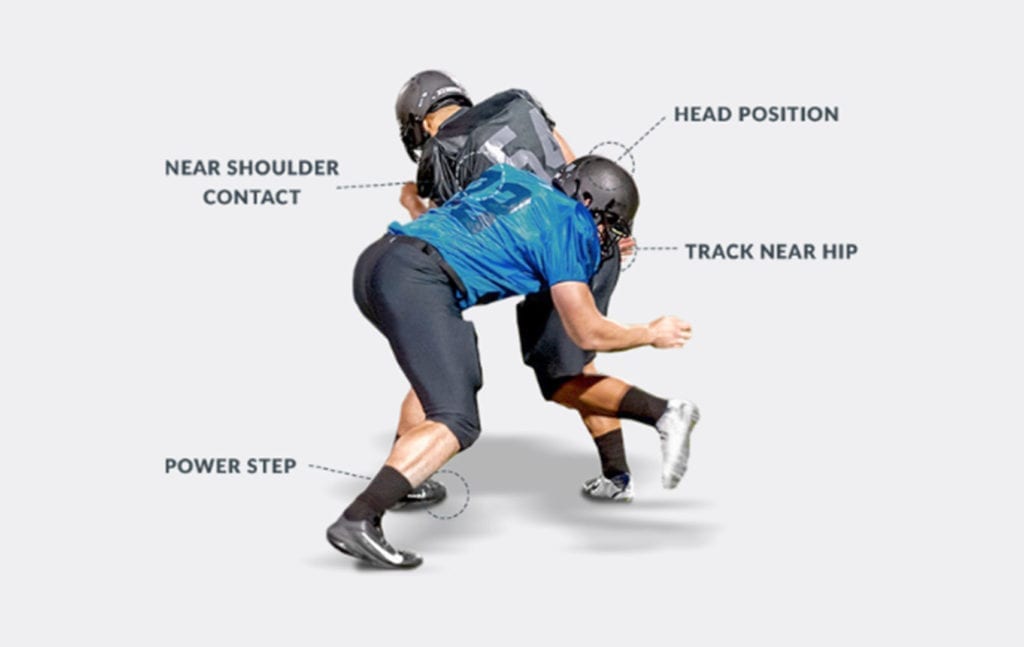
Image Source: atavus.com
Deciphering the Core of Tackling Technique
At its core, effective tackling is about bringing down an opponent safely and efficiently. This involves a combination of physical attributes and learned skills. We’ll delve into the most important aspects.
Proper Tackling Form: The Foundation of Success
Proper tackling form is the bedrock upon which all successful tackles are built. Without it, you risk inefficiency, missed tackles, and potential injury to yourself and the ball carrier. Think of it as the blueprint for a successful tackle.
- Eyes on the Target: Always keep your eyes on the ball carrier’s hips or thighs. This is where you aim to initiate contact. Looking at their helmet can lead to neck injuries.
- Low and Drive: Your goal is to get low and drive through the ball carrier’s legs. This unbalances them and provides the power needed to bring them down.
- Head Up, Chin in: While you aim for the legs, your head should be up and slightly to the side of the target. Tuck your chin into your shoulder to protect your head. Never lead with your head.
- Shoulder to Hip: The primary point of contact is your shoulder, driving into the opponent’s hip or thigh area. This allows you to use your body weight effectively.
- Wrap Up: Once your shoulder makes contact, immediately wrap your arms around the ball carrier’s legs. Secure the tackle by squeezing and driving your legs.
- Drive Your Legs: Powerful leg drive is crucial. Continue to pump your legs through the tackle to drive the opponent backward or down.
Defensive Positioning: Being in the Right Place
Great tacklers aren’t just good at the act of tackling; they’re also masters of defensive positioning. Being in the right place at the right time is half the battle.
- Angles of Approach: Learn to approach the ball carrier at an angle, not directly head-on. This forces them to change direction and makes them more vulnerable. An ideal angle cuts off their escape route.
- Crowding the Line of Scrimmage: Defensive linemen and linebackers need to maintain a strong stance and be ready to react to the snap. Staying low and balanced allows for quicker movement.
- Maintaining Leverage: Leverage in tackling refers to using your body position to gain an advantage over the ball carrier. This means getting low and using your opponent’s momentum against them. Think of it as a subtle shift in weight to control the direction of the tackle.
- Closing the Distance: Be explosive in closing the gap between you and the ball carrier. Avoid taking too many or too few steps. Find the sweet spot that allows you to maintain balance and deliver a powerful tackle.
- Reading the Play: Good defensive positioning also comes from reading the play. Anticipating the ball carrier’s movement and direction allows you to adjust your own position accordingly.
The Shoulder Tackle vs. The Wrap Up Tackle
While both are part of the process, there’s a distinction between initiating contact and securing the tackle.
The Shoulder Tackle: Initiating Contact
The shoulder tackle is about delivering a powerful initial blow to disrupt the ball carrier.
- Target Area: Aim to hit the opponent’s thigh or hip with your shoulder pad. This is a safe and effective zone for initial contact.
- Explosive Drive: This is where your leg drive and forward momentum are critical. You want to explode through the target area.
- Head Safety: Remember, your head should be up and to the side of the contact point. Never lead with your helmet.
The Wrap Up Tackle: Securing the Stop
The wrap up tackle is about finishing the job and ensuring the ball carrier goes down.
- Arms Around the Legs: Once your shoulder makes contact, your arms should immediately shoot out and wrap around the opponent’s legs, typically around the thighs.
- Secure Grip: Get a firm grip. Your hands should be clasped tightly.
- Drive and Squeeze: Continue to drive with your legs and squeeze your arms to bring the ball carrier to the ground. This prevents them from gaining extra yardage or breaking free.
Leverage in Tackling: Using Your Body Wisely
Leverage in tackling is a concept that can significantly improve your effectiveness. It’s about using your body’s position and the opponent’s momentum to your advantage.
- Low Base: Getting low gives you a stronger base and makes it harder for the opponent to push you over.
- Driving Through: Instead of trying to stop an opponent dead in their tracks, aim to drive through them, using their forward momentum to help bring them down.
- Angle Advantage: Approaching an opponent at an angle allows you to use your body’s mass more effectively and control their direction.
Mastering Footwork for Tackling
Tackling isn’t just about arm and shoulder strength; your footwork for tackling is equally important. Proper footwork allows you to maintain balance, generate power, and adjust your approach.
- First Step: Your initial step should be towards the ball carrier’s hips, at an angle, with your weight balanced.
- Drive Steps: After the initial step, you’ll take several short, choppy “drive” steps to close the distance. These steps keep you balanced and allow for quick adjustments.
- Staying Square: Throughout the process, try to stay square to the ball carrier, meaning your shoulders are in line with your target.
- Plant and Drive: As you make contact, plant your outside foot firmly and drive through with your inside leg. This generates maximum power.
- Avoid Lunging: Lunging can throw off your balance and make you an easy target to be juked. Keep your feet moving until the moment of contact.
Practicing the Craft: Essential Tackling Drills
Consistent practice is paramount for developing good tackling skills. Various tackling drills can help hone your technique.
Basic Tackling Drills
These drills focus on the fundamental mechanics of a tackle.
- The Mirror Drill:
- Setup: Two players face each other, a few yards apart. One player (the “shadow”) mirrors the movements of the other player (the “ball carrier”).
- Execution: The ball carrier jogs, side-steps, and changes direction. The shadow player must stay low, keep their eyes up, and mirror every movement, maintaining proper defensive positioning. This drill emphasizes footwork and staying balanced.
- The Cone Tackle:
- Setup: Place a tackling dummy or a coach at the end of a short lane. Cones are placed on either side of the lane.
- Execution: A player approaches the dummy, following a coach’s commands to approach at an angle. They practice lowering their hips, driving their feet, and executing a wrap-up tackle on the dummy. This drill reinforces the angle of approach and the wrap-up.
- The Bag Drill:
- Setup: Players use a large, weighted tackling bag.
- Execution: Players practice driving into the bag, keeping their head up, wrapping their arms, and driving their legs to push the bag. This builds strength and reinforces the drive phase of a tackle.
Tackling Drills for Speed and Open Field Situations
These drills prepare you for the dynamic nature of the game, especially in open field scenarios.
Open Field Tackling Drills
Open field tackling is one of the most challenging aspects of football, as there are fewer blockers and more space to cover.
- The Pursuit Drill:
- Setup: A coach or player with a ball starts a few yards ahead. Another player (the pursuer) starts behind them.
- Execution: The ball carrier runs away from the pursuer. The pursuer practices closing the distance, maintaining proper angles, and executing a form tackle without being able to wrap the legs (as there’s no dummy). This focuses on closing speed and proper body control when the tackle is initiated.
- The Cut-Off Drill:
- Setup: A player with a ball runs laterally. A defender starts behind and to the side.
- Execution: The defender must maintain proper defensive positioning and angle to cut off the ball carrier’s escape route. They practice approaching with controlled speed, planting their feet, and executing a tackle. This emphasizes angle of approach and cutting off the ball carrier’s path.
- The “Shark Attack” Drill:
- Setup: A ball carrier runs with the ball across the field. A defender is positioned to intercept their path.
- Execution: The defender practices sprinting to intercept the ball carrier, maintaining a good angle, and executing a fundamental tackle. This simulates tackling a player in space, requiring speed, agility, and precision.
Tackling Drills for Speed
Tackling drills for speed are designed to improve your ability to get to the ball carrier quickly and effectively.
- Reaction Drills:
- Setup: Players are in a ready stance. A coach gives a visual or auditory cue.
- Execution: Players explode out of their stance in a specific direction. This can be followed by a tackle on a dummy or a partner. The focus is on explosive first steps and quick acceleration.
- Agility Ladder and Cone Drills:
- Setup: Agility ladders and cones are used.
- Execution: Players perform various footwork patterns through the ladder and around cones. This improves foot speed, coordination, and change-of-direction ability, all crucial for reaching the ball carrier quickly.
Safety First: Protecting Yourself and Others
While aggression is part of football, safety must always be the top priority. A good tackler is a smart tackler who knows how to protect themselves and their opponents.
Head and Neck Safety
This is non-negotiable. The most serious injuries in football often occur when players lead with their heads.
- Never Lead with the Crown of Your Helmet: Your helmet is for protection, not for initiating contact. Leading with your helmet can cause concussions and neck injuries.
- Eyes on the Target: As mentioned earlier, always aim for the hips or thighs. Keep your head up and to the side of the intended contact point.
- Tuck Your Chin: When you drive through, tuck your chin into your shoulder. This helps to absorb impact and keep your head from whipping around.
- Proper Tackling Technique: The emphasis on proper tackling form inherently includes safety. Getting low and driving through the legs minimizes the risk of head-to-head contact.
Protecting the Ball Carrier
A good tackle isn’t just about bringing the opponent down; it’s about doing so without causing unnecessary harm.
- Avoid Spearing: Spearing is using the crown of your helmet to drive into an opponent. This is illegal and dangerous.
- No Twisting or Stomping: Never twist an opponent’s legs or stomp on them. This can cause severe ankle and knee injuries.
- Controlled Force: While you want to be aggressive, apply force in a controlled manner. Your goal is to bring them down, not injure them.
Proper Gear and Conditioning
Your equipment and physical condition play a significant role in safety.
- Well-Fitting Equipment: Ensure your helmet and shoulder pads fit correctly and are in good condition.
- Strength and Conditioning: Being physically fit and strong is crucial. Stronger muscles can better absorb impact, and good conditioning reduces fatigue, which can lead to sloppy and dangerous tackling.
Advanced Techniques and Considerations
Once you have the fundamentals down, you can start to refine your skills further.
Tackling from Different Positions
The specific nuances of tackling can vary slightly depending on your position on the field.
- Defensive Linemen: Often make tackles close to the line of scrimmage, dealing with offensive linemen. They need to shed blocks and quickly get to the ball carrier, often using a bull rush or swim move to disengage. Their tackles are typically short, powerful drives.
- Linebackers: Play in the middle of the defense. They need to diagnose plays, fill gaps, and make tackles in the run game and pass game. They often have to make tackles in traffic.
- Defensive Backs (Cornerbacks and Safeties): Frequently involved in open field tackling, especially against faster running backs and receivers. They need excellent pursuit angles, the ability to break down, and strong tackling technique to bring down elusive players.
Using Your Body Weight Effectively
Your body weight is a powerful tool in tackling.
- Leverage Your Weight: Get low and drive your hips and shoulder into the ball carrier. This allows you to transfer your weight into the tackle.
- Momentum Transfer: Use your forward momentum to drive through the ball carrier. Don’t just absorb their impact; add your own.
The Art of the “Form Tackle”
The form tackle is the complete package – combining all the elements into one fluid motion. It’s the goal every player should strive for.
Frequently Asked Questions (FAQ)
Q1: What is the most important aspect of tackling?
A1: The most important aspect of tackling is safety, achieved through proper technique and keeping your head out of the tackle.
Q2: Can I get better at tackling if I’m not the biggest player on the team?
A2: Absolutely. Technique, speed, agility, and leverage can often overcome a size disadvantage. Mastering proper tackling form is crucial for players of all sizes.
Q3: What should I do if I miss a tackle?
A3: If you miss a tackle, immediately try to recover and get back to the ball carrier. Don’t get discouraged; learn from the mistake and focus on executing your technique on the next play.
Q4: How often should I practice tackling?
A4: Regular practice is essential. Incorporate tackling drills into your team’s practice schedule and consider individual drills focusing on specific techniques.
Q5: What’s the difference between a tackle and a “wrap and drive”?
A5: A “wrap and drive” is a specific type of tackle where you wrap your arms around the ball carrier’s legs and drive them to the ground. It’s a highly effective and safe method.
Q6: How do I avoid getting stiff-legged when tackling?
A6: Staying low and driving your legs through the tackle will help prevent you from becoming stiff-legged. Focus on keeping your knees bent and your legs pumping.
Q7: What are the key components of defensive positioning?
A7: Key components include taking proper angles of approach, maintaining balance, staying low, and reading the ball carrier’s movements.
By dedicating time to mastering these techniques, practicing diligently with various drills, and always prioritizing safety, any football player can significantly improve their tackling ability and become a more effective defender. Remember, a good tackle is a confident, controlled, and safe action that instills confidence in your team and intimidation in your opponents.