
Can you become a football coach with no experience? Yes, you absolutely can! While a background in playing or extensive knowledge of the game is beneficial, it’s not the only path. Many successful coaches started with little to no direct experience, driven by passion and a willingness to learn. This guide will show you exactly how to embark on that journey.
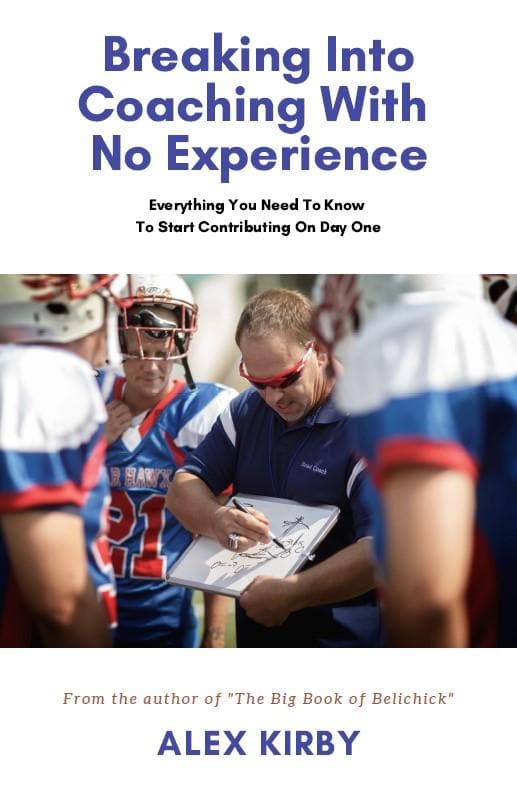
Image Source: throwdeeppublishing.com
The Spark: Turning Passion into Purpose
So, you love football. You enjoy the strategy, the teamwork, and the thrill of the game. But how do you translate that passion into a coaching role when you’ve never officially coached before? It starts with recognizing that coaching is about more than just X’s and O’s; it’s about leadership, communication, and fostering growth in others. Even without prior experience, you possess transferable skills. Think about times you’ve led a group, explained a complex idea, or motivated others. These are all foundational elements of good coaching.
Identifying Your Motivation
Before diving in, take a moment to pinpoint why you want to coach. Is it to give back to your community? To help young athletes develop? To share your love for the game? Understanding your core motivation will fuel your persistence through the initial learning curve and help you connect with players and parents.
- Mentorship: Do you want to be a positive role model?
- Skill Development: Are you eager to teach fundamental techniques?
- Team Building: Do you enjoy creating a cohesive unit?
- Game Strategy: Are you fascinated by the tactical side of football?
Assessing Your Strengths
What skills do you already possess that can be applied to coaching?
- Communication: Can you clearly explain concepts and listen actively?
- Organization: Can you plan practices and manage schedules?
- Patience: Can you work with individuals of varying skill levels and temperaments?
- Enthusiasm: Do you have a positive and energetic attitude?
- Problem-Solving: Can you adapt to unexpected situations during practices or games?
The First Steps: Gaining Entry-Level Experience
The most crucial step for anyone starting with no experience is to get some experience. This doesn’t mean you need to land a head coaching job immediately. Instead, focus on volunteer coaching and entry-level coaching roles. These positions are designed for individuals looking to learn and contribute.
Embracing Volunteer Coaching
Volunteer coaching is your gateway into the coaching world. Many local leagues, community centers, and youth organizations rely heavily on volunteers. This is your opportunity to learn the ropes in a low-pressure environment. You’ll gain practical experience in planning drills, managing a team, and communicating with players and their families.
Where to find volunteer opportunities:
- Local Youth Football Leagues: Search online for “youth football leagues near me.”
- Community Sports Associations: These often oversee various youth sports, including football.
- School Programs (Elementary/Middle School): Many schools have informal football clubs or teams that might need volunteer help.
- Recreational Centers: They often run sports programs for various age groups.
When you reach out, be upfront about your lack of formal experience but emphasize your passion and willingness to learn. Offer to assist with specific tasks like running drills, managing equipment, or supervising players.
Seeking Entry-Level Coaching Roles
Beyond volunteering, look for paid entry-level coaching roles. These might include:
- Assistant Coach: This is the most common starting point. You’ll work under an experienced head coach, learning their methods and gaining exposure to all aspects of team management.
- Junior Varsity Coach: If you’re looking at high school levels, a JV position can be a great stepping stone.
- Youth Team Assistant: Many organized youth football teams have paid assistant coaches.
Pro-Tip: When applying for these roles, tailor your resume to highlight any leadership, teaching, or organizational experience, even if it wasn’t in sports.
Building Your Foundation: Education and Certifications
While experience is vital, formal coaching education and coaching certifications can significantly boost your credibility and knowledge base. These programs provide structured learning on coaching philosophy, player development, safety, and strategy.
The Value of Coaching Certifications
Coaching certifications demonstrate a commitment to learning and professional development. They equip you with essential knowledge and best practices. For example, in the United States, organizations like USA Football offer comprehensive certification programs.
Key areas covered in coaching certifications:
- Player Safety: Concussion recognition and management, heat illness prevention, proper tackling techniques.
- Coaching Principles: Age-appropriate training, motivation, skill development.
- Game Strategy: Offensive and defensive formations, play calling.
- Ethics and Sportsmanship: Creating a positive and respectful environment.
Popular Coaching Certification Providers (Examples):
| Organization | Certification Type | Focus |
|---|---|---|
| USA Football | Heads Up Football Coaching Cert. | Safety, skill development, best practices for youth football |
| National Federation of State High School Associations (NFHS) | Various Coaching Education Courses | Sport-specific knowledge, leadership, ethics for high school coaches |
| American Football Coaches Association (AFCA) | Membership & Educational Resources | Primarily for collegiate and professional coaches, but offers resources |
Note: Specific requirements and providers may vary by region and level of play.
Attending Coaching Clinics and Workshops
Coaching clinics and workshops are invaluable for hands-on learning and networking. These events bring together experienced coaches who share their insights and strategies. Attending clinics allows you to:
- Learn New Drills and Techniques: Discover innovative ways to teach fundamental skills.
- Gain Tactical Insights: Hear from coaches about game planning and in-game adjustments.
- Network with Other Coaches: Build connections that can lead to mentorship or future opportunities.
- Stay Updated: Keep abreast of the latest trends and research in football coaching.
Where to find coaching clinics:
- National Governing Bodies: Organizations like USA Football often host or list upcoming clinics.
- Professional and Collegiate Teams: Many pro and college teams host clinics for aspiring coaches.
- Local School Districts: High schools and universities might offer clinics for coaches in their area.
- Coaching Associations: Specific coaching associations often organize annual events.
Developing Your Coaching Skills: The Practical Application
Getting certified is a great start, but developing coaching skills is an ongoing process. It’s about applying what you learn and constantly refining your approach.
The Art of Drill Design and Execution
Effective drills are the backbone of any practice. As a beginner coach, focus on drills that teach fundamental skills clearly and safely.
- Simplicity: Start with drills that have clear objectives and minimal complexity.
- Repetition: Ensure drills allow for many repetitions of the core action.
- Engagement: Design drills that keep players active and motivated.
- Progression: As players improve, gradually introduce more challenging variations.
Example Drill: Basic Stance and First Step
- Objective: Teach proper football stance and explosive first step.
- Setup: Players line up shoulder-to-shoulder at a starting line.
- Execution:
- Coach calls out “Set!” Players assume a three-point stance (one hand on the ground, knees bent, back straight).
- Coach shouts a command (e.g., “Go!”, “Forward!”).
- Players explode forward from their stance, focusing on driving with their legs and keeping their pads low.
- Variations: Add reaction drills (e.g., players react to a whistle or hand signal), or have them move in different directions after the initial step.
- Coaching Points: Emphasize weight distribution, keeping the head up, and driving through the hips.
Communication and Player Management
How you communicate with players is paramount. This includes:
- Clear Instructions: Speak loudly and distinctly.
- Positive Reinforcement: Praise effort and improvement, not just results.
- Constructive Criticism: Address mistakes privately or with general team instruction, focusing on how to correct them.
- Active Listening: Pay attention to players’ concerns and questions.
- Setting Expectations: Clearly define team rules, practice conduct, and behavioral standards.
Game Day Strategy and Adjustments
As you gain experience, you’ll start to observe game dynamics more closely.
- Pre-Game Preparation: Know your opponent’s strengths and weaknesses. Have a clear game plan.
- In-Game Observation: Pay attention to how your players are performing and how the opponent is reacting.
- Making Adjustments: Be willing to change plays, formations, or player matchups based on what’s happening on the field.
- Motivational Role: Keep the team focused and positive, even when facing adversity.
Finding Coaching Opportunities: Where to Look and How to Approach Them
Finding coaching opportunities requires a proactive approach. Don’t wait for roles to fall into your lap; actively seek them out.
Targeting Specific Levels: Youth vs. High School
The path to coaching can differ depending on the level you target.
Youth Football Coach
- Focus: Skill fundamentals, sportsmanship, fun, safety.
- Requirements: Often less stringent than higher levels. Enthusiasm and willingness to learn are key.
- How to Approach:
- Contact local youth football leagues directly.
- Reach out to school physical education departments or principals for potential leads.
- Attend league sign-up events to meet organizers.
- Highlight any experience working with children, even if not in sports.
High School Football Coach
- Focus: More advanced strategy, player development, college recruitment (for higher levels).
- Requirements: Often require coaching certifications, background checks, and sometimes teaching certifications if it’s a school-affiliated role.
- How to Approach:
- Contact high school athletic directors directly.
- Reach out to existing assistant coach positions.
- Attend high school games and introduce yourself to coaches or athletic directors during breaks.
- Consider substitute teaching or volunteering in school athletic departments to get your foot in the door.
- Leverage any coaching certifications you’ve obtained.
Building Your Coaching Resume
Even with no paid coaching experience, you can build a compelling resume:
- Objective: Clearly state your goal to coach football.
- Education: List any relevant degrees, certifications, or completed coaching courses.
- Volunteer Experience: Detail your volunteer coaching roles, responsibilities, and achievements.
- Related Experience: Include any leadership, teaching, mentoring, or team-building roles from other areas of your life.
- Skills: List communication, organizational, problem-solving, and any specific football knowledge.
- References: Include individuals who can speak to your work ethic, character, and ability to work with others.
Networking: The Power of Connections
Networking is incredibly important in the coaching world.
- Talk to Coaches: Strike up conversations with coaches at clinics, games, or events.
- Join Coaching Organizations: Become a member of coaching associations.
- Volunteer at Events: Offer your help at tournaments or showcases.
- Build Relationships: Be respectful, enthusiastic, and willing to learn from everyone you meet.
Overcoming Challenges and Sustaining Growth
The journey to becoming a football coach without experience isn’t without its hurdles, but persistent effort and a growth mindset will help you overcome them.
Dealing with Skepticism
Some parents or administrators might be hesitant to entrust a team to someone with no experience.
- Be Prepared: Have a clear plan for your coaching philosophy and practice structure.
- Show Enthusiasm: Your passion can be infectious and reassuring.
- Highlight Strengths: Emphasize your organizational skills, willingness to learn, and commitment to player safety and development.
- Seek Mentorship: Find an experienced coach who can guide you and potentially vouch for you.
Continuous Learning and Improvement
The game of football is constantly evolving. Your learning shouldn’t stop once you get a coaching role.
- Watch Film: Study game film of professional, collegiate, and high school teams.
- Read Books and Articles: Consume literature on coaching strategy, player psychology, and skill development.
- Seek Feedback: Actively ask experienced coaches for constructive criticism.
- Reflect on Practices/Games: After each session, think about what went well and what could be improved.
The Long Game: Path to Head Coaching
While starting as a volunteer or assistant is essential, many aspiring coaches dream of leading their own team.
- Gain Diverse Experience: Work with different age groups and skill levels.
- Specialize: Develop expertise in a particular area (e.g., offensive coordinator, defensive coordinator, strength and conditioning).
- Build a Track Record: Consistently demonstrate effective coaching, player development, and team management.
- Demonstrate Leadership: Take initiative and show you can manage all aspects of a team.
Frequently Asked Questions (FAQ)
Q1: Do I need to have played football to be a coach?
A1: No, you do not need to have played football to become a coach. While playing experience can be helpful, strong communication skills, a passion for the game, a willingness to learn, and a focus on player development are often more critical. Many excellent coaches have backgrounds in teaching or other fields.
Q2: What is the first step I should take if I have no experience?
A2: The very first step is to seek out volunteer coaching opportunities with local youth football leagues or community sports programs. This allows you to gain practical experience in a supportive environment.
Q3: How important are coaching certifications?
A3: Coaching certifications are very important. They demonstrate your commitment to learning best practices in player safety, skill development, and coaching principles. They also add credibility when you apply for coaching positions.
Q4: Can I coach high school football without playing at that level?
A4: Yes, it is possible, but typically requires more effort to prove your capabilities. Focusing on coaching education, obtaining relevant coaching certifications, and gaining experience at lower levels (like youth football) will be crucial. Networking with high school athletic directors and coaches is also vital.
Q5: What are the benefits of being an assistant coach?
A5: As an assistant coach, you get to learn directly from an experienced head coach, observe their methods, and gain practical experience in various aspects of team management, drill execution, and strategy. It’s an excellent way to develop your developing coaching skills under mentorship.
Q6: Where can I find information on coaching clinics?
A6: You can typically find information on coaching clinics through national governing bodies like USA Football, state high school athletic associations, university athletic departments, and professional football teams. Local coaching associations are also a good resource.
Q7: How do I find coaching opportunities if I have no experience?
A7: To start finding coaching opportunities, look for entry-level coaching roles such as assistant coach positions in youth leagues or even as a volunteer assistant at the high school level. Reach out directly to athletic directors, league organizers, and coaches in your area.
Q8: What kind of skills should I focus on developing as a new coach?
A8: As a new coach, prioritize developing communication skills (both verbal and listening), organizational skills for practice planning, player management and motivation techniques, and a solid grasp of fundamental football skills and safety protocols. Developing coaching skills is a continuous process.