
Braid toddler hair? Yes, you can! It can feel like a big job, especially if your little one doesn’t want to sit still. But with the right steps, tools, and a lot of patience, you can learn simple braiding techniques for kids and create easy toddler braids that look cute and help manage their hair. This guide will walk you through everything, from getting ready to tackling tricky strands on even the most active toddlers.
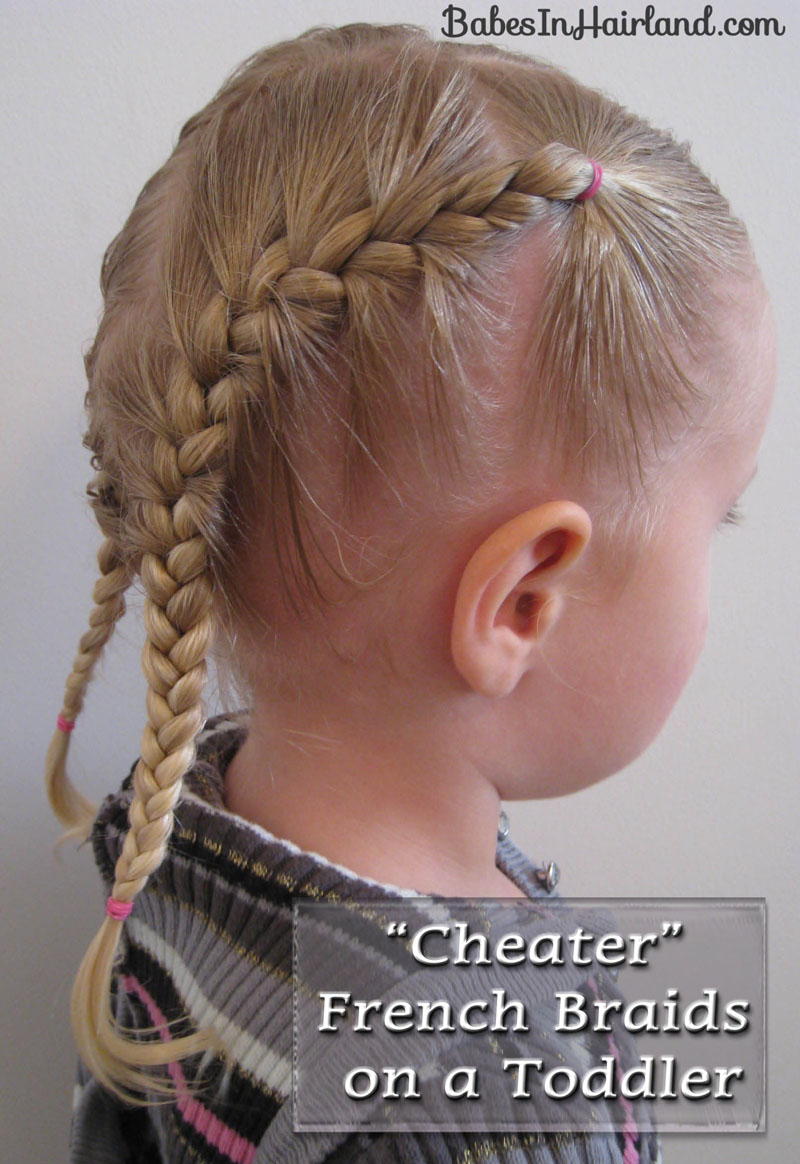
Image Source: babesinhairland.com
Getting Ready to Braid
Braid time can be smooth or stressful. It often starts before you even pick up a comb. Thinking ahead helps a lot.
Picking the Best Time and Place
Toddlers do best when they are happy and not tired or hungry.
- Choose the right moment: Pick a time when your child is usually calm. This might be after a good nap, after they’ve eaten, or when they are watching their favorite show. Avoid times when they are tired, close to naptime, or hungry.
- Find a good spot: Sit where your child is comfortable and can see something fun. A high chair can work for smaller toddlers. A chair in front of a TV or tablet is a common choice. Make sure you can easily reach their head. Good light helps too.
Gathering Your Supplies
Having everything ready means you won’t stop in the middle to look for things. This keeps your child from getting bored or wandering off. These are your key braiding tools for toddler hair.
- Comb and brush: A wide-tooth comb or a detangling brush is a must. Start from the ends and work your way up gently.
- Hair ties: Small, soft hair ties are best for toddler hair. Avoid rubber bands, which can snap hair. Silicone or fabric-covered bands work well.
- Clips: Use clips (like butterfly clips or sectioning clips) to hold hair out of the way. This makes it easier to work with small parts.
- Spray bottle: Fill it with water mixed with a little leave-in conditioner. This helps to dampen the hair, making it easier to comb and less prone to static and frizz.
- Hair products: A light oil, cream, or braiding gel can add moisture, smooth flyaways, and help hold the braid. We’ll talk more about best products for braiding toddler hair later.
- Distractions: This is super important for fussy kids! Have snacks ready, a favorite toy, books, or their must-watch show.
Communicating and Setting Expectations
Even young toddlers can understand simple words. Tell them what you are going to do in a happy, calm voice.
- Explain simply: Say something like, “Mommy is going to make your hair pretty,” or “Let’s put some nice braids in your hair.”
- Keep it short: Don’t talk too much. Just a quick explanation.
- Positive words: Use encouraging words throughout the process.
Essential Braiding Tools for Toddler Hair
Using the right tools makes a big difference. They help protect your child’s fine hair and make the job easier for you.
- Detangling Brush: Look for brushes with flexible bristles. They work through knots gently without pulling.
- Wide-Tooth Comb: Great for starting the detangling process and parting hair into sections.
- Sectioning Clips: Crocodile clips or duckbill clips are good for holding sections firmly. Smaller clips work for smaller sections.
- Spray Bottle: For dampening hair. Damp hair is more flexible and easier to braid. Use plain water or water with a bit of kid-friendly leave-in conditioner.
- Soft Hair Ties: Small elastic bands covered in fabric or silicone. They don’t snag hair like plain rubber bands. Get lots because they seem to disappear!
- Hair Pick: Useful for creating clean parts, especially if you’re doing multiple braids or cornrows (though we’ll stick to simpler styles here).
- Kids Scissors: Small, blunt-tip scissors might be needed to carefully cut out a stubborn knot if gentle detangling doesn’t work. Use with extreme caution!
Best Products for Braiding Toddler Hair
Choosing the right products helps keep hair soft, makes braiding easier, and helps the style last. Look for products made for kids or those with natural ingredients.
- Leave-In Conditioner: A spray leave-in helps detangle and adds moisture. It makes hair smoother to work with.
- Hair Oil: Light oils like coconut oil, jojoba oil, or sweet almond oil add shine and moisture without being too greasy. A tiny bit goes a long way. Apply to the ends and mid-lengths.
- Braiding Cream or Gel: These products give hair a little grip and help smooth down frizz and flyaways. Use a small amount, especially on fine toddler hair. Look for gels or creams that are light and non-flaking.
- Edge Control (Optional): If you are braiding close to the hairline and want a very neat look, a tiny bit of gentle edge control can help. Use sparingly.
Table: Common Products and Their Use
| Product Type | What it Does | How to Use for Braiding |
|---|---|---|
| Spray Leave-In | Detangles, adds moisture, makes hair soft | Mist over sections before combing/braiding |
| Hair Oil | Adds shine, seals moisture, protects hair | A few drops rubbed on hands, apply to hair |
| Braiding Cream/Gel | Provides grip, smooths frizz, helps hold | Apply a tiny bit to each section as you braid |
| Edge Control | Smooths hairline for neatness | Small amount on edges, smooth with finger |
Toddler Hair Care Routine Before Braiding
Good hair care even before braiding helps the process go smoother. A simple routine keeps hair healthy.
- Washing: Wash hair using a gentle, tear-free shampoo. Don’t wash too often; a few times a week is usually enough.
- Conditioning: Use a child-friendly conditioner. Focus on the ends. Rinse well.
- Detangling: Always detangle gently after washing while hair is still damp. Use a leave-in conditioner or detangling spray. Start from the bottom and slowly work up.
- Moisturizing: Apply a light leave-in conditioner or oil after washing, especially if hair is dry.
Starting with clean, detangled, and moisturized hair makes braiding much easier and less likely to cause fussiness due to pulling.
Simple Braiding Techniques for Kids
Let’s start with easy toddler braids. These are the building blocks. Practice on yourself or a doll first if you’re new to braiding.
The Basic Two-Strand Twist
This isn’t technically a braid, but it’s super simple and great for beginners. It also works well for very short hair.
- Prepare the hair: Start with detangled, slightly damp hair. Apply a little leave-in or cream if desired.
- Part a section: Use a comb or your finger to part a small section of hair where you want the twist.
- Divide the section: Split this section into two equal strands.
- Twist the strands: Take the right strand and cross it over the left strand. Then take the left strand (which is now on the right) and cross it over the new left strand.
- Keep twisting: Keep crossing one strand over the other tightly down the length of the section.
- Secure the end: Once you reach the end, secure it with a small hair tie.
You can do one twist, two twists like pigtails, or many small twists all over the head.
The Classic Three-Strand Braid
This is the most common braid and a key simple braiding technique for kids.
- Prepare the hair: Start with detangled, slightly damp hair. Apply a little product.
- Part a section: Choose where you want the braid and part off a section of hair.
- Divide into three: Split this section into three equal strands. Hold one strand in your left hand, one in your right hand, and one between your fingers in one hand (usually the right). Let’s call them Left (L), Middle (M), and Right (R).
- Start braiding:
- Cross the right strand (R) over the middle strand (M). Now R is the new M.
- Cross the left strand (L) over the new middle strand (M). Now L is the new M.
- Repeat: Continue this pattern: Right over Middle, Left over Middle. Always bring the outside strand over the middle strand.
- Keep tension: Try to keep the strands snug as you cross them over. This makes the braid tight and neat.
- Secure the end: Braid down to the end of the hair and secure with a hair tie.
Practice these basic braids on small sections. They are the foundation for many toddler hair braiding styles.
Tips for Braiding Active Toddlers
This is where the real challenge often lies. How to braid toddler hair on a fussy child? It takes strategy and patience.
Making it Fun and Distracting
- Screen time: Yes, it’s okay for this! A favorite show or a new movie can work wonders. Position your child so their head is easy to reach while they watch.
- Special toys: Have toys that only come out during hair time. Stickers, small figurines, or a new coloring book.
- Sing songs or tell stories: Engage their minds while you work on their hair. Make up a story about the braids you’re creating.
- Snacks: Small, non-sticky snacks can be a good distraction.
- Mirror: Let them watch in a mirror. Sometimes seeing what you’re doing helps them feel more in control or just keeps them interested.
- Let them help: Give them a comb or clip to hold (a spare one, of course!). Let them pick the color of the hair tie.
Be Quick and Efficient
- Plan the style: Know exactly what you’re going to do before you start. Don’t decide on the fly.
- Have tools ready: See the section on gathering supplies! Everything within reach.
- Work in small sections: It’s easier to manage and quicker to complete a small braid than a large, messy one.
- Don’t aim for perfect: Especially when starting or if your child is very fussy. A less-than-perfect braid done quickly is better than a perfect braid that results in a meltdown.
Break it Down
- Do it in stages: If a full head of braids is too much, do a few braids now and a few later.
- Focus on one side: Complete one side of the head and take a break before doing the other.
- Start simple: Begin with just one or two braids (like pigtails) before trying more complex styles.
Positive Reinforcement
- Praise: Give lots of specific praise. “Wow, you are sitting so still!” “Thank you for being so patient.” “Your braid looks so beautiful!”
- Rewards: Have a small reward ready for when you finish. A sticker, a few extra minutes of screen time, a small treat, or choosing the next activity.
- Stay calm: Your frustration will transfer to your child. Take deep breaths. If it’s not working, it’s okay to stop and try again later.
Gentle Touch is Key
- Detangle carefully: Pulling is the fastest way to make a toddler hate hair time. Always detangle patiently, starting from the ends.
- Hold the roots: When combing or braiding, hold the hair near the scalp to lessen the pulling sensation.
- Loose vs. Tight: For fussy toddlers, slightly looser braids might be more comfortable than super tight ones, even if they don’t last quite as long.
Toddler Hair Braiding Styles
Once you know the basics, you can try different looks. Here are some popular toddler hair braiding styles. Keep them simple, especially for active kids.
Simple Pigtails or Ponytails with Braids
This is an easy way to manage hair.
- Part hair down the middle from front to back.
- Secure one side with a clip.
- Gather the hair on the other side into a ponytail.
- Braid the ponytail using the three-strand method.
- Secure the end of the braid with a hair tie.
- Repeat on the other side.
You can also make two ponytails high on the head and braid those, or do low pigtails behind the ears.
Mini Braids Around the Face
This is great for keeping hair out of eyes.
- Part a small section of hair near the hairline on one side.
- Braid this section using the three-strand method or a two-strand twist.
- Secure the end with a tiny elastic or a cute clip.
- Repeat on the other side or add more small braids along the hairline.
Sectioned Braids
Divide the head into several squares or triangles and braid each section. This works well for managing thicker hair or creating patterns.
- Use a comb to make a part. Create a square or triangle section.
- Clip away the surrounding hair.
- Braid the hair in the section.
- Secure the end.
- Continue sectioning and braiding across the head.
This uses more hair ties but keeps hair very neat.
How to French Braid Toddler Hair
French braiding is a bit more advanced than a simple braid, as you add hair to each section as you go. It can be tricky on a moving target! Here’s how to do it, with tips for tackling it on a toddler.
- Prepare the hair: Start with detangled, slightly damp hair. Apply a little product for grip and smoothness.
- Take a starting section: Pick up a section of hair at the top of the head (where you want the braid to start). This section should be manageable, not too big.
- Divide into three: Split this starting section into three equal strands (Left, Middle, Right).
- Make one pass of a regular braid:
- Cross the Right strand over the Middle strand.
- Cross the Left strand over the new Middle strand.
- Add hair and cross: This is the French braid part.
- Take the strand that is now on the Right side. Before you cross it over the Middle, pick up a small new piece of loose hair from the side of the head (from the right side of the braid). Add this new hair to the Right strand you are holding.
- Now cross this combined, thicker Right strand over the Middle strand.
- Take the strand that is now on the Left side. Pick up a small new piece of loose hair from the left side of the head and add it to the Left strand.
- Now cross this combined, thicker Left strand over the new Middle strand.
- Continue adding and crossing: Repeat step 5, always adding a small, even amount of hair to the outside strand before crossing it over the middle. Try to keep the added sections consistent in size for a neat look.
- Braid down: Once you’ve added all the hair from the scalp, you will have three main strands. Finish the rest of the hair with a regular three-strand braid down to the end.
- Secure the end: Tie off the end with a hair tie.
French Braiding Tips for Fussy Toddlers:
- Start small: Begin with a very small French braid down the top of the head or just one side.
- Practice: Practice on a doll or older child first.
- Hold the head: Gently but firmly hold the child’s head still with one hand while you work with the other. Or have them lean against you.
- Small additions: Add very small pieces of hair each time. It’s easier to manage.
- Looser is okay: A loose French braid is better than no French braid or a child who is crying because it’s too tight. You can always make it neater next time.
- The “Fake” French Braid: Make several small ponytails down the head. Split each ponytail in half and add it to the ponytail below. This creates a similar look without the continuous adding of hair. It’s a great easy toddler braid alternative.
Braiding Short Toddler Hair
Braiding short toddler hair has its own challenges. Shorter layers can stick out, and there isn’t much length to work with.
- Use products: Braiding cream, gel, or edge control is almost a must for short hair. It helps smooth down little hairs and gives you something to grip.
- Work with damp hair: Damp hair stays together better than dry hair.
- Small sections: You’ll need to work with smaller sections of hair than you would on longer hair.
- Two-strand twists: Twists are often easier than braids on very short hair.
- Braids right against the scalp: French braids or cornrows (braids worked flat against the scalp) can hold short hair better than braids that hang freely. Start them very close to the hairline.
- Secure well: Use small, tight elastics at the end. Tiny clips can also help secure the ends or hold back flyaways.
- Accept flyaways: With short hair, flyaways are common. Don’t stress about getting every single hair into the braid. Use a little product to smooth them as best you can.
Keeping Toddler Braids Neat
Toddlers play, nap, and are generally active little people. Their braids can get messy quickly. Here’s how to help them last longer and look better.
- Use a satin bonnet or pillowcase: Before bed, put a satin bonnet on your child’s head or use a satin pillowcase. This reduces friction and keeps the braids from getting frizzy overnight.
- Refresh with spray: Keep a spray bottle with diluted leave-in conditioner or water and a little oil. Spritz the braids lightly each morning to add moisture and smooth frizz.
- Smooth flyaways: Use a tiny bit of edge control or braiding cream on your fingertips to smooth down any fuzzy bits around the hairline or along the braids.
- Re-do messy braids: If one braid gets particularly messy, don’t be afraid to take it out and quickly re-braid it. It’s usually faster than trying to fix a very messy one.
- Avoid over-handling: Try not to let your child constantly touch or pull at their braids.
Toddler Hair Care Routine with Braids
Hair still needs care while it’s in braids.
- Washing: You can wash hair with braids in, but not as often as loose hair. Use a diluted shampoo (mix with water in a bottle) and focus on the scalp. Gently squeeze suds through the braids. Rinse very well. It takes a long time to dry, so wash early in the day.
- Conditioning: Use a spray or liquid leave-in conditioner. Apply it to the scalp and lightly mist the braids.
- Moisturizing: Apply a light oil to the scalp and braids every few days to keep the hair moisturized and prevent dryness and itching.
- Taking braids down: When it’s time to remove the braids (don’t leave them in too long – usually no more than 1-2 weeks for simple braids, maybe up to 4 weeks for very secure, small braids/cornrows, depending on hair type and how neat they stay), apply a generous amount of conditioner or oil first. This helps loosen the hair and makes it easier to undo the braid gently. Never pull or cut knots unless absolutely necessary and with extreme caution. Detangle section by section as you take the braids out.
- Post-braid care: After taking braids out and washing, deep conditioning can help restore moisture. Give the hair a break before braiding again.
Final Thoughts on Braiding Fussy Toddler Hair
Braiding a toddler’s hair, especially a fussy one, is a learned skill that requires patience, practice, and a positive attitude.
- Be patient: With yourself and your child. Some days will be easier than others.
- Keep it positive: Make it a fun experience, not a chore. Use praise and distractions.
- Start simple: Don’t attempt complex styles right away. Master the basics. Easy toddler braids are your friend!
- Listen to your child: If they are truly distressed, take a break. Forcing it will only make it harder next time.
- Celebrate the small wins: Even getting one braid done is a success!
With these tips, tools, and techniques, you’ll be well on your way to managing your toddler’s hair with beautiful, simple braids, even on the most active days. Good luck!
Frequently Asked Questions (FAQ)
h4: How long do toddler braids last?
Simple three-strand braids often last 1-3 days before getting messy. French braids or braids closer to the scalp can last 3-7 days. Small, tight cornrows can last 1-4 weeks, but require more skill and maintenance. How long they last depends on hair type, how active your child is, and how well you maintain them (like using a bonnet at night).
h4: Can I braid wet toddler hair?
Yes, damp hair is actually often easier to braid than dry hair. It’s more flexible and less prone to static. However, don’t braid hair that is soaking wet, as this can cause breakage. Make sure hair is detangled before braiding, whether wet or dry.
h4: What if my child cries or refuses to sit still?
Stop and take a break. Try again later. Use distractions (TV, snacks, toys). Talk to them calmly. Praise them for sitting even for short times. Sometimes, you might only be able to do one or two braids at a time, and that’s okay. Consistency and positive experiences will help over time.
h4: How do I remove knots and tangles gently?
Always start from the ends of the hair and work your way up. Use a detangling spray, leave-in conditioner, or oil to help loosen the knots. Hold the hair gently near the scalp while you comb to reduce pulling. Use a wide-tooth comb or a detangling brush. Be patient and work slowly.
h4: How tight should toddler braids be?
Toddler braids should be snug enough to stay in place but not so tight that they pull on the scalp. Braids that are too tight can be painful, damage hair follicles, and even cause headaches. Aim for comfortable tension. For fussy kids, slightly looser braids are often better.