
Does your toddler seem to have ear wax problems? Many parents wonder, “What is ear wax?”, “Why is there so much of it?”, and “Can I clean it out myself?”. Ear wax, also called cerumen, is a natural and helpful substance made by the body. It protects the ear canal by trapping dirt, dust, and germs, and it helps keep the skin inside the ear from getting too dry. Usually, ear wax moves out of the ear on its own. It falls out naturally during talking, chewing, and other jaw movements. But sometimes, wax can build up and cause issues, leading parents to look for ways to clean it. It’s important to know that the inside of a toddler’s ear is very delicate, and trying to remove wax the wrong way can cause harm. This guide will help you learn the safest ways to manage ear wax in your little one.
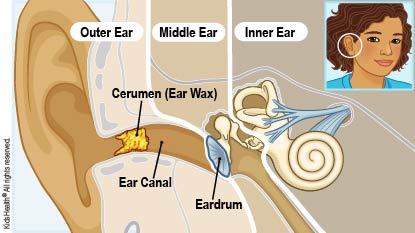
Image Source: kidshealth.org
Knowing About Ear Wax in Little Ears
Ear wax is not dirt; it’s a helpful cleaner made by the body. It acts like a shield for the ear canal. Glands in the skin of the ear canal make this wax. It helps keep out things that could hurt the ear. It also has stuff in it that fights off germs.
Normally, old wax dries up and falls out on its own. New wax takes its place. This keeps the ear canal clean and healthy. Think of it like a natural conveyor belt moving wax out.
But sometimes, this system doesn’t work perfectly. Wax can build up. In toddlers, this might happen if they have narrow ear canals or if something pushes the wax deeper in.
When Ear Wax Becomes a Problem
Most of the time, ear wax doesn’t cause problems. You might see a little bit of wax at the opening of the ear, and that’s okay. You can wipe it away gently.
But sometimes, ear wax can block the ear canal. This is often called impaction. A blocked ear canal toddler can lead to different issues.
Signs of ear wax buildup in children might not always be clear, especially in toddlers who can’t tell you exactly what’s wrong.
Spotting Signs of Ear Wax Buildup
How can you tell if ear wax might be bothering your toddler? Here are some common symptoms of excess ear wax toddler:
- Hearing changes: They might not seem to hear as well. Maybe they turn up the TV louder or don’t respond when you call them.
- Ear pain: They might pull at their ear or say their ear hurts.
- Feeling of fullness: They might act like something is in their ear.
- Itching: They might scratch at their ear often.
- Dizziness: Although less common with just wax, a lot of wax can sometimes mess with balance.
- Ringing in the ear: They might make sounds or seem bothered by sounds you don’t hear. This is called tinnitus.
- Seeing a lot of wax: You might see a large, dark, or hard chunk of wax near the opening of the ear.
It’s important to know that these symptoms can also be signs of other ear problems, like an ear infection. This is why it’s often best to check with a doctor if you notice these signs.
Things NOT To Do When Cleaning Toddler Ear Wax
This is super important. The inside of the ear canal and the eardrum are very sensitive. Doing the wrong thing can cause pain, push wax deeper, or even hurt the eardrum.
Why You Should Avoid Cotton Swabs
This is the most common mistake parents make. Cotton swabs (Q-tips) seem perfect for cleaning the ear. But they are bad news for ear wax.
Think of the ear canal like a dead-end street. When you put a cotton swab in, you don’t pull wax out. Instead, you push most of the wax further down the street. This can pack the wax against the eardrum.
Pushing wax deeper makes it harder for the ear to clean itself. It can also make the wax harder and cause a blocked ear canal toddler. Worst of all, a sudden move by your toddler or you could lead the swab to poke the eardrum, which is very painful and can cause serious damage.
The box for cotton swabs often even says “Do not insert into ear canal.” They are meant for cleaning the outside of the ear.
Other Things to Avoid
- Fingers or fingernails: These can scratch the delicate skin inside the ear.
- Hairpins, keys, toothpicks, or other small objects: These are very dangerous. They can easily scratch or puncture the eardrum or the ear canal skin.
- Ear candling: This involves putting a cone of wax-coated cloth into the ear and lighting the other end. The idea is that it creates suction to pull out wax. However, doctors say this does not work. It can cause burns, block the ear with candle wax, or even puncture the eardrum. It is not a safe or effective method.
Safe Ways to Remove Toddler Ear Wax
Okay, so if cotton swabs and other tools are out, what can you do? The focus should always be on safe ways to remove toddler ear wax. The goal is usually not to remove all the wax, but to help the ear’s natural cleaning process or to soften wax that is causing problems.
Removing ear wax from a child safely means being very gentle and usually just dealing with wax that is easy to see at the ear opening.
Cleaning the Outside
The safest way to “clean” a toddler’s ear regarding wax is to simply clean the part you can see.
- Use a soft washcloth.
- Dip it in warm water and wring it out well.
- Gently wipe the outer part of the ear and just inside the ear opening.
- Do not push the cloth into the ear canal.
This removes any wax that has already worked its way out. It’s simple, safe, and usually all that’s needed for routine cleaning.
Softening Hardened Ear Wax Toddler
If you suspect there’s a buildup or the wax looks hard, softening hardened ear wax toddler is the next step before trying any removal methods. Softening the wax helps it move out on its own or makes removal easier if a doctor needs to do it.
You can use certain liquids to soften the wax. These are often called cerumenolytics.
Using Ear Drops for Toddler Ear Wax
Ear drops are a common and effective way to soften wax. There are different types you can use. It’s always a good idea to talk to your doctor before using any drops, especially if your child has had ear infections often or has ear tubes.
Here are common types of ear drops for toddler ear wax:
- Mineral oil or Baby oil: These are simple oils that can help soften wax. They don’t have medicine in them.
- Glycerin: This is another gentle softener often found in over-the-counter ear drops.
- Hydrogen Peroxide (weak solution): A very weak solution (like 3%) can be used. It makes the wax bubble and break up. However, some kids find this irritating or noisy, and it shouldn’t be used if there’s any chance of a hole in the eardrum. It’s best to use this under a doctor’s guidance.
- Saline solution: A simple saltwater solution can also help soften wax gently.
How to use ear drops safely:
- Warm the drops slightly by holding the bottle in your hand for a few minutes. Cold drops can make your child feel dizzy.
- Have your child lie on their side with the affected ear facing up.
- Gently pull the outer ear (pinna) slightly upward and backward to help straighten the ear canal. For a toddler, you might pull down and back slightly.
- Put the recommended number of drops into the ear canal. Usually, it’s just a few drops. Check the package instructions or ask your doctor.
- Keep your child lying on their side for 5-10 minutes to let the drops work. You can put a cotton ball loosely in the opening of the ear to catch any drips, but don’t push it in.
- After the waiting time, let the excess drop out. You can wipe the outside with a tissue.
- Repeat this process 1-2 times a day for a few days, as directed by a doctor or the product instructions.
Using ear drops helps softening hardened ear wax toddler over time. After a few days, the wax may come out on its own or be easier to remove gently at the opening.
Home Remedies Toddler Ear Wax (Natural Methods)
Some parents prefer natural methods for cleaning toddler ears. These often involve using oils or saline, which we covered under ear drops.
- Mineral Oil/Baby Oil: As mentioned, a few drops can help soften wax. This is a simple, natural method.
- Saline Solution: You can make this by mixing a little salt with warm water. Use a clean dropper to put a few drops in the ear, just like with ear drops.
It’s important to be careful with other “natural” remedies you might read about online. For example:
- Olive Oil/Almond Oil: Some sources suggest these. They are likely safe for softening, similar to mineral oil. However, using sterile, commercial ear drops or mineral oil is often preferred to avoid introducing germs or allergens.
- Vinegar/Alcohol mixtures: These can be irritating and are not recommended for young children’s delicate ears.
Always prioritize safety. If a home remedy involves putting anything other than pure mineral oil, baby oil, saline, or doctor-recommended drops into the ear canal, it’s best to avoid it. And again, check with your doctor first.
What to Do After Softening
Once the wax is soft, the ear has a better chance of getting rid of it naturally. Sometimes, just using the drops for a few days is enough.
If you see softened wax at the ear opening, you can gently wipe it away with a soft cloth. Do not try to scoop it out of the canal.
If the wax is still causing problems after using softening drops for a few days, you might need to see a doctor.
When to Consult a Doctor About Toddler Ear Wax
Knowing when to get professional help is key for removing ear wax from a child safely. You should definitely consult a doctor about toddler ear wax if:
- You see signs of a blocked ear canal toddler (hearing problems, pain, fullness) and softening drops haven’t helped after a few days.
- You suspect your child has an ear infection (fever, irritability, pulling ear, fluid draining from ear). These symptoms can be similar to wax buildup but need different treatment.
- Your child has ear pain that is severe or doesn’t go away.
- You see any discharge or bleeding from the ear.
- Your child has ear tubes. Putting drops in an ear with tubes might not be safe, and removal methods are different.
- You can see a large amount of wax blocking the opening, or the wax looks very hard and stuck.
- You are unsure about what to do or how to use drops.
What a Doctor Can Do
If you see a doctor (like a pediatrician or an ENT – Ear, Nose, and Throat specialist) about your toddler’s ear wax, they have safe ways to deal with it.
They can look into the ear using a special light (otoscope) to see how much wax is there and how close it is to the eardrum.
Methods a doctor might use include:
- Irrigation: They might gently flush the ear canal with warm water or saline using a special syringe. This is different from home irrigation kits, which can sometimes be too forceful or not sterile. This is a safe way when done by a professional who can see what they are doing.
- Manual removal: Using special tiny tools, like curettes or forceps, a doctor can carefully scoop or pull out the wax. This requires skill and a clear view of the ear canal.
- Suction: A doctor might use a tiny vacuum device to gently suction the wax out. This method is often quick but can be noisy and might be scary for a toddler.
These methods are safe when done by a trained healthcare provider who can see clearly into the ear and manage a squirming toddler.
Preventing Future Issues
While you can’t stop ear wax from forming (and wouldn’t want to!), you can help prevent it from building up and causing issues.
- Avoid cotton swabs: Seriously, just don’t use them in the ear canal. This is the biggest thing you can do.
- Gentle outer cleaning: Keep cleaning the outside of the ear regularly with a soft cloth.
- Regular check-ups: Your pediatrician will look in your toddler’s ears during check-ups and can spot potential wax issues early.
- Address allergies or skin conditions: Sometimes, certain skin conditions or allergies can affect wax production or how it moves out. Treating these underlying issues might help.
Most importantly, remember that ear wax is normal. You only need to intervene if it’s causing problems.
Key Takeaways for Parents
- Ear wax is natural and protective.
- The ear usually cleans itself.
- Never put anything smaller than your elbow into the ear canal – especially cotton swabs!
- Signs of a problem include reduced hearing, pain, itching, or a feeling of fullness (symptoms of excess ear wax toddler).
- Softening hardened ear wax toddler with safe ear drops (mineral oil, baby oil, saline) is the first step if needed. Use ear drops for toddler ear wax as directed.
- Home remedies toddler ear wax should be limited to safe softeners like mineral oil or saline. Avoid candles or harsh liquids. Natural methods for cleaning toddler ears are usually just gentle wiping or softening.
- If softening doesn’t help, or if there’s pain, fever, discharge, or suspected blocked ear canal toddler, consult a doctor.
- A doctor has safe tools for removing ear wax from a child safely when necessary (irrigation, manual removal, suction).
- Knowing when to consult a doctor about toddler ear wax is crucial for their ear health.
Taking care of your toddler’s ears means understanding the role of ear wax and knowing the safe limits of home cleaning. When in doubt, always ask your doctor.
Frequently Asked Questions (FAQ)
h4: Is it normal for my toddler to have a lot of ear wax?
Yes, the amount of ear wax varies from child to child. Some kids naturally produce more wax than others. It’s only a problem if it builds up and causes symptoms.
h4: Can I use hydrogen peroxide at home to clean my toddler’s ears?
A weak solution (3%) is sometimes recommended by doctors for softening wax, but it should be used with caution in children. It can cause bubbling and noise in the ear, which might scare a toddler. It’s best to ask your doctor if this is appropriate for your child and to get specific instructions on how to use it safely. Never use it if you suspect a perforated eardrum or if your child has ear tubes.
h4: How can I tell if my toddler’s hearing is affected by ear wax?
It can be hard to tell in toddlers. Look for signs like not reacting to quiet sounds, needing the TV volume louder, saying “huh?” often, or seeming frustrated when they can’t hear. If you notice these, along with visible wax, it could be related. A doctor can check their ears and hearing.
h4: My toddler has ear tubes. How should I handle ear wax?
If your child has ear tubes, do not put any drops or liquids into the ear unless specifically told to do so by the doctor who put the tubes in. Cleaning methods might need to be different. Always consult with the specialist (usually an ENT) about managing ear wax with tubes.
h4: How often should I clean my toddler’s ears?
You don’t need to “clean” the ear canal itself at all. The ear is self-cleaning. Just gently wipe the outer ear and the opening with a soft, damp cloth when needed, maybe after a bath, to remove any wax that has come out on its own. Focus on signs of problems, not routine deep cleaning.
h4: Can impacted ear wax cause ear infections?
While ear wax itself isn’t an infection, a large buildup (impaction) can sometimes trap water or slow down the ear’s natural cleaning process, which might make an ear infection more likely. Also, symptoms of impaction can sometimes be mistaken for an infection, or vice versa. It’s important to see a doctor to know for sure.
h4: Are there any warning signs that mean I need to see a doctor right away?
Yes. See a doctor immediately if your toddler has severe ear pain, fever, drainage from the ear (especially if it’s pus or blood), sudden hearing loss, dizziness, or if you suspect they put something other than wax in their ear.
h4: Is there a type of ear wax (hard vs. soft) that is more problematic?
Hard, dry wax is more likely to cause a blocked ear canal toddler and be harder for the ear to expel naturally. Soft or liquid wax usually moves out more easily. Softening hardened ear wax toddler is often needed before it can come out or be removed.
h4: Can allergies affect ear wax production?
Some people with allergies or skin conditions like eczema can have issues with the skin in the ear canal, which might affect wax production or how it moves out. Managing allergies might help manage ear wax issues in some cases.
h4: My toddler hates getting their ears cleaned. What can I do?
Keep it simple and quick. Only clean the outside. If you need to use drops, make it a calm routine. Have them lie down comfortably, maybe watch a show or listen to a story. Warm the drops first. Offer a small reward afterward. If they are very resistant and you suspect a problem, ask your doctor for tips or professional help, as they are skilled at working with young children. Safety is more important than forcing a cleaning method.
This guide provides general information. Every child is different. Always talk to your pediatrician or a healthcare provider if you have concerns about your child’s ear health or ear wax. They can give you the best advice based on your child’s specific needs.