
Image Source: i.ytimg.com
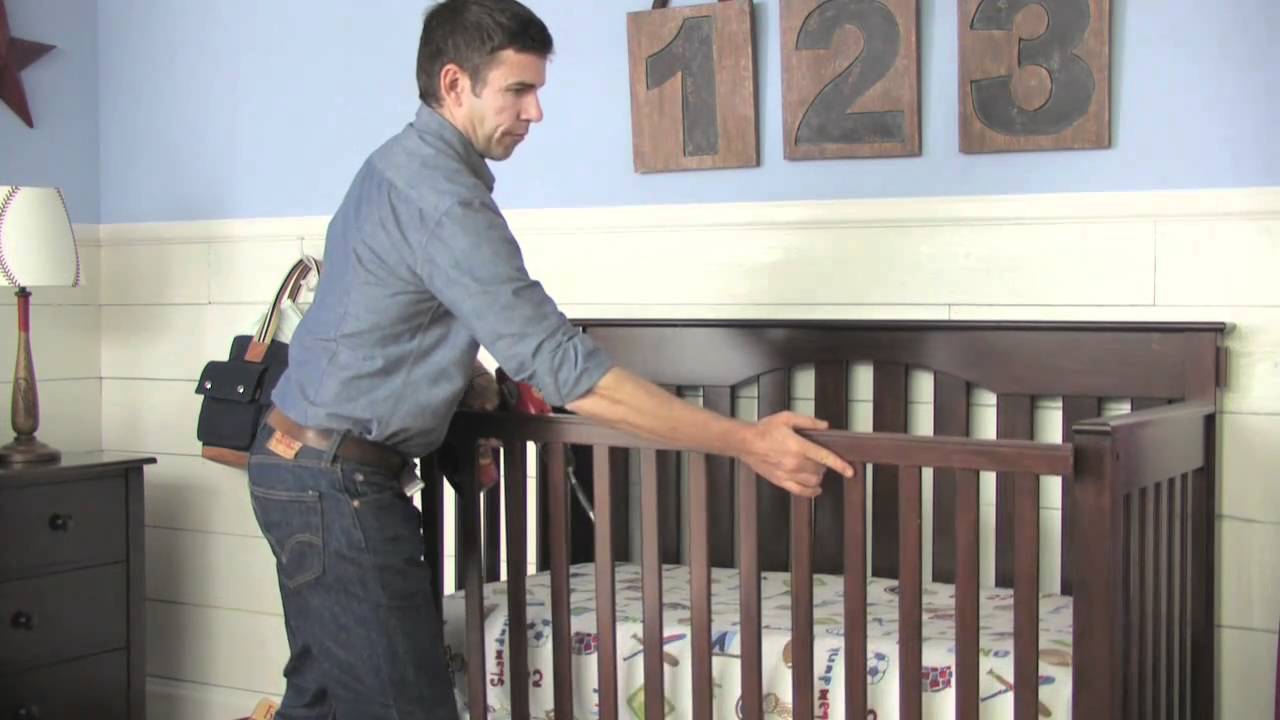
The Right Way: How To Convert Crib To Toddler Bed Safely
Many parents ask, “When should I convert my baby’s crib?” Most children are ready to move from a crib to a toddler bed between 18 months and 3.5 years old. This is a big step. It often happens when they start climbing out of the crib. To convert a crib to a toddler bed, you will usually remove one side of the crib and add a low safety rail. You might also lower the mattress. This guide will show you how to do it safely and smoothly. It covers all the steps, from knowing when your child is ready to ensuring toddler bed safety. We will also look at using a crib conversion kit and give you clear crib to toddler bed instructions.
When to Convert Crib: Signs Your Child is Ready
Moving from a crib to a toddler bed is a major moment. It means your child is growing up. The right time depends on your child, not their age alone. Look for key signs that they are ready for this child bed transition.
Physical Readiness Signs
The most common sign is your child trying to climb out of their crib. This is a big safety risk. If your child can climb over the rail, they could fall and get hurt.
- Climbing Out: If your child’s chest reaches the top of the crib rail, they might try to climb. If they succeed, it is time to switch beds. Do not wait for a fall.
- Height: If your child is taller than 35 inches, or the crib rail is lower than their chest, it is often a good time to move them.
- Weight: Some cribs have a weight limit. Check your crib’s manual.
Developmental Readiness Signs
Beyond physical growth, watch for mental and emotional signs. These show your child is ready for more freedom.
- Potty Training: If your child is potty training, they might need to get out of bed to use the toilet. A toddler bed makes this easier.
- Asking for a “Big Bed”: Your child might start asking for a “big bed” like older siblings or friends. This is a great sign of readiness.
- Following Directions: They might be able to understand and follow simple rules, like “stay in bed until morning.”
- Showing Independence: They want to do more things by themselves. This includes getting in and out of bed.
Safety Concerns of Delaying the Switch
Keeping a child in a crib past the right time can be risky.
- Falls: The biggest risk is falling out while climbing. A fall from a crib can cause serious injury.
- Entrapment: Children can get stuck if they climb and try to get out the wrong way.
- Delayed Independence: Staying in a crib too long might slow down their desire for independence.
It is better to make the switch a bit early than to wait too long.
Grasping the Crib Conversion Process: What You Need
Before you start, gather everything. Most modern cribs are “convertible.” This means they can change from a crib to a toddler bed, then a daybed, and sometimes a full-size bed. Knowing your crib type helps greatly with baby crib conversion.
Deciphering Your Crib Type
Check your crib’s brand and model number. This is usually on a sticker on the crib frame. This number helps you find the right crib conversion kit.
- 2-in-1 Crib: Converts from a crib to a toddler bed.
- 3-in-1 Crib: Converts from a crib to a toddler bed and a daybed.
- 4-in-1 Crib: Converts from a crib to a toddler bed, daybed, and full-size bed.
If you have a 2-in-1 or 3-in-1 crib, you will likely only need the parts for the toddler bed conversion. A 4-in-1 crib might need extra parts for the full-size bed later on.
Essential Tools and Parts for Conversion
A crib conversion kit is key for many cribs. It often includes a toddler bed rail and hardware.
- Crib Conversion Kit: Many cribs need a special kit to convert. This kit often has a front rail that is shorter or open. It may also have special bolts. Always buy the kit made for your specific crib model. Using the wrong kit can be unsafe.
- Toddler Bed Rail: This is a short rail that replaces one of the crib’s tall sides. It keeps your child from rolling out while letting them get in and out on their own. Some conversion kits include this. If not, you may need to buy one separately. Choose one that fits your crib’s design.
- Tools:
- Screwdriver (Phillips and flathead)
- Allen wrench (often included with crib hardware)
- Wrench (for some bolts)
- Owner’s Manual for your crib (very important!)
- Optional Items:
- A helper (an extra set of hands makes it easier).
- A plastic bag or container to hold small parts.
- A camera to take pictures of how it looks before you start. This helps if you need to put it back together.
Table: Common Crib Conversion Kit Components
| Component | Purpose | Notes |
|---|---|---|
| Toddler Bed Rail | Replaces the fixed front side of the crib, provides a low barrier. | Essential for safety, prevents rolling out. |
| Support Beam(s) | Connects headboard and footboard, supports mattress frame. | Used for full-size bed conversion, not always for toddler bed. |
| Hardware (Screws, Bolts) | Specific fasteners for the conversion process. | Use only the hardware provided with the kit or crib. |
| Instructions Manual (Kit) | Step-by-step guide for converting your specific crib model. | Follow precisely for safe assembly. |
Always check that you have all the parts listed in your crib’s manual or the conversion kit’s manual. Do not start if any parts are missing. Contact the manufacturer if something is missing.
Crib to Toddler Bed Instructions: Step-by-Step Guide
This is where you get practical. This section provides clear convertible crib steps to help you in assembling toddler bed from crib. Safety is the first step.
Step 1: Prepare the Area and Review Your Manual
Before you touch any tools, prepare.
- Clear the Room: Remove toys, rugs, and anything else that might get in the way. You need space to move crib parts around.
- Read the Manual: Find your crib’s original owner’s manual. It has specific instructions for your model. If you cannot find it, look it up online using your crib’s model number. This is your most important tool. It will show you the exact crib to toddler bed instructions for your specific crib.
- Gather Tools: Get all the tools you need within reach.
Step 2: Remove the Front Side of the Crib
This is usually the main part of the conversion.
- Lower the Mattress: If your crib mattress is not already on its lowest setting, move it down now. This makes it easier to work. A lower mattress also makes the toddler bed safer.
- Unscrew the Front Rail: Carefully unscrew the bolts holding the fixed front rail in place. Some cribs have two fixed rails. You usually remove the one that does not have the “warning” labels. Keep the screws and bolts in a safe place. You might need them for other parts of the conversion, or if you ever convert it back to a crib (though this is rare).
- Remove the Rail: Once all bolts are out, gently lift and remove the front rail. Set it aside.
Step 3: Install the Toddler Bed Rail (if applicable)
Many conversion kits include a short toddler bed rail to replace the full side.
- Attach the New Rail: Take the toddler bed rail from your crib conversion kit. Line up the holes on the rail with the holes on your crib’s headboard and footboard. Use the special hardware from the kit to secure it. Make sure it is tight and does not wobble.
- Verify Placement: Check that the rail is at the right height and position. It should keep your child from rolling out but still allow them to get in and out easily.
Step 4: Lower the Mattress Support (if not already done)
Even with a toddler rail, a low mattress is important for safety.
- Adjust Mattress Height: Most toddler beds have a very low mattress setting. If your crib has multiple mattress height options, move it to the lowest one. This reduces the distance your child would fall if they somehow got over the rail. It also makes it easier for them to get in and out.
- Secure Mattress Support: Ensure the mattress support is firmly attached to the crib frame at the lowest level.
Step 5: Check All Bolts and Connections
Safety check time! This is a critical step for toddler bed safety.
- Tighten All Bolts: Go around the entire crib frame. Tighten every bolt and screw. Make sure nothing is loose. Loose parts can be a safety hazard.
- Check Stability: Gently push and pull on the bed. It should feel strong and stable. No wobbles.
- Inspect for Gaps: Make sure there are no large gaps between the mattress and the bed frame. Gaps can trap a child. The mattress should fit snugly.
- Remove Old Hardware: Collect any screws, bolts, or parts you did not use. Store them safely or discard them. You do not want a curious child finding them later.
Table: Step-by-Step Conversion Overview
| Step | Action | Key Focus |
|---|---|---|
| 1 | Prepare | Clear space, read manual, gather tools. Manual is critical for specific crib to toddler bed instructions. |
| 2 | Remove Front Side | Carefully unscrew and take off the fixed front rail. Store hardware. This is the main part of baby crib conversion. |
| 3 | Install Toddler Rail (if needed) | Attach the short toddler bed rail from the crib conversion kit. Ensure it’s tight. |
| 4 | Lower Mattress | Adjust mattress to the lowest possible setting. This improves toddler bed safety and access. |
| 5 | Safety Check | Tighten all bolts. Check stability. No wobbles. No gaps. Remove loose parts. This final check is vital for assembling toddler bed from crib safely. |
Following these convertible crib steps will help you create a safe sleeping space.
Prioritizing Toddler Bed Safety
Making the bed is only part of toddler bed safety. The whole room needs to be safe. Your child now has freedom to move around their room.
Importance of the Toddler Bed Rail
While a toddler bed rail is common, some parents choose to skip it. However, it is strongly recommended for most young children.
- Prevents Falls: A rail prevents your child from rolling out of bed while they sleep. This is especially true for children who move a lot during the night.
- Sense of Security: For some children, the rail gives them a sense of security, much like the crib did.
- Transitional Aid: It helps bridge the gap from the enclosed crib to an open bed.
- Placement: Place the rail on the side your child is most likely to roll towards. If the bed is against a wall, you only need one rail on the open side.
Safe Sleep Environment
Just like with a crib, the toddler bed needs a safe sleep space.
- Mattress Fit: The mattress should fit snugly in the bed frame. There should be no more than a one-inch gap between the mattress and the frame. Gaps can trap a child. Your crib mattress often fits your toddler bed.
- No Loose Bedding: Do not use pillows, blankets, or comforters that are too big or too soft for children under 2. For older toddlers, use light blankets and small pillows. Avoid bumper pads.
- Clear Sleep Area: Keep the bed free of toys, stuffed animals, and other items that could pose a suffocation risk.
Childproofing the Room
Since your child can now get out of bed, their room needs to be super safe.
- Furniture Anchoring: Anchor all dressers, bookshelves, and other tall furniture to the wall. This prevents them from tipping over if your child tries to climb them. Use anti-tip kits.
- Window Safety: Install window guards or stops. These prevent windows from opening wide enough for a child to fall out. Keep cords for blinds out of reach.
- Outlet Covers: Cover all electrical outlets with child-safe covers.
- Cord Management: Secure any loose cords (TV, lamp, computer) so they are out of reach.
- Hazardous Items: Remove small items that could be choking hazards. Move cleaning supplies, medicines, or chemicals to a high, locked cabinet.
- Door Safety: Consider a child-safe doorknob cover on the inside of their room. This stops them from wandering out at night. A baby gate across the bedroom doorway can also help.
Creating a Predictable Routine
A safe room is great, but a safe routine helps too.
- Consistent Bedtime: Stick to a regular bedtime every night. This helps your child know what to expect.
- Wind-Down Activities: Have quiet activities before bed. This could be reading a book, a warm bath, or soft songs. Avoid screen time before bed.
- Nightlight: A soft nightlight can help ease fears of the dark. It also helps your child see if they need to get up.
- Clear Pathway: Make sure the path from their bed to the door (or bathroom) is clear. Remove any toys or obstacles.
Navigating the Child Bed Transition: Tips for Success
The physical conversion is just one part. The emotional and routine changes are big. This child bed transition requires patience and a good plan.
Involving Your Child in the Process
Let your child be part of the change. This helps them feel important and in control.
- Talk About It: Before you convert, talk about the “big bed.” Use positive words. “You’re getting a big bed, just like a big kid!”
- Visit the Store (Optional): If you are buying a new rail or bedding, let them help pick it out.
- Decorate Together: Let them help pick new sheets or a blanket. This makes the bed feel like theirs.
- Be Patient: They might be excited at first, then scared. This is normal. Offer comfort and reassurance.
Making It a Positive Experience
Frame the change as an exciting step forward.
- Celebrate: Mark the occasion. Maybe a special “big bed” story time or a small celebration.
- “Test Drive”: Let them lie in the new bed during the day. Read a story. This helps them get used to it before bedtime.
- “Big Kid” Talk: Remind them they are growing. “Big kids sleep in big beds.”
Establishing New Sleep Routines
Consistency is key during any sleep change.
- Keep Bedtime Routine Similar: Try to keep most of your child’s bedtime routine the same. If you always read two books, keep reading two books. This provides comfort and predictability.
- “Tuck-in” Rules: Set simple rules. For example, “Once you are tucked in, you stay in bed until morning.”
- “One More Hug” Rule: If your child keeps getting out of bed, offer one last hug and walk them back. Do not engage in long talks or games. Be firm but loving.
Dealing with Resistance and Night Wandering
This is often the hardest part of the child bed transition.
- Staying in Bed:
- First Night: Expect your child to get out of bed. They are testing boundaries.
- Return Them Calmly: If they get out, gently and silently walk them back to bed. Do not scold. Just put them back.
- Repeat as Needed: This might happen many, many times. Be consistent. Do not give in.
- Positive Reinforcement: When they do stay in bed, give lots of praise in the morning.
- Night Wandering:
- Door Safety: As mentioned, a doorknob cover or baby gate can keep them in their room.
- Safe Room: Ensure the room is fully childproofed.
- Check-ins: If they call for you, respond calmly. Do not make it a game.
- Regression: It is normal for children to go back to old habits. If they do, restart your consistent plan.
Troubleshooting Common Issues During Conversion
Even with the best plan, issues can arise. Here are some common problems and how to solve them. This builds on the crib conversion guide.
Issue 1: My Child Keeps Getting Out of Bed!
This is by far the most common challenge.
- Reason: Curiosity, testing boundaries, or a desire for more attention.
- Solution:
- Be a “Broken Record”: Walk them back to bed, tuck them in, and leave. Say nothing or only a simple phrase like “Bedtime.” Do this every single time, no matter how many times.
- Reward System: For older toddlers, a sticker chart can work. A sticker for staying in bed until morning. After X stickers, a small reward.
- Childproof the Room: Make sure there is nothing fun to do if they get out. Remove exciting toys.
- Door Alarm: Some parents use a simple chime on the door. It alerts them if their child tries to leave the room.
Issue 2: My Child Misses Their Crib and Cries for It
Some children feel sad or scared by the change.
- Reason: Security of the familiar crib, fear of the unknown, or feeling less enclosed.
- Solution:
- Bring Comfort Items: Let them bring their favorite stuffed animal or blanket.
- Talk About it: Acknowledge their feelings. “I know you miss your crib. This new bed is cozy, too.”
- Story Time: Read books about “big kids” getting “big beds.”
- Temporary Return: In rare, extreme cases (like severe sleep disruption for weeks), you might temporarily return them to the crib if it’s safe. Then re-attempt the conversion later. This is a last resort.
Issue 3: My Child Comes Into Our Bed at Night
This can become a habit that is hard to break.
- Reason: Seeking comfort, feeling lonely, or simply trying to extend bedtime.
- Solution:
- Walk Them Back: The moment they appear, take them back to their own bed. Do not talk much. Do not let them sleep in your bed.
- Be Firm: If they crawl into your bed, gently but immediately escort them back. This may take many tries.
- Comfort Them in Their Own Room: If they are scared, sit by their bed for a few minutes until they calm down. Do not bring them to your room.
Issue 4: What If My Crib Didn’t Come with a Conversion Kit?
Not all cribs are convertible, or kits might be discontinued.
- Reason: Crib model is older, or it was not designed for conversion.
- Solution:
- Contact Manufacturer: Always check with the crib’s maker first. They might have a solution or a compatible kit.
- Buy a Separate Toddler Bed: If a kit is not available or safe, you might need to buy a separate, standalone toddler bed. These are often inexpensive and use the same crib mattress.
- Go Straight to Twin Bed: Some parents skip the toddler bed entirely and go straight to a twin bed with a rail. Ensure the room is extremely childproofed if you choose this.
Consistency, patience, and a positive attitude are your best tools in this transition. Remember, it’s a phase, and it will pass.
The Crib Conversion Guide: Beyond the Basics
You have converted the crib, childproofed the room, and started new routines. What else can help? This final part of the crib conversion guide touches on ongoing support and long-term success.
Creating a Sleep-Positive Environment
Beyond safety, think about comfort and appeal.
- Cozy Bedding: Soft sheets, a comfortable blanket, and a small pillow make the bed inviting.
- Special Toy: Allow one or two favorite stuffed animals in the bed.
- Story Time: Continue to make reading before bed a special, bonding time.
- Routine Visuals: For some kids, a chart with pictures showing the bedtime routine (bath, brush teeth, PJs, story, bed) can help them feel more in control.
Remaining Flexible But Firm
Parenting is often about finding a balance.
- Flexibility for Illness/Travel: During illness or travel, routines might need to change. Be understanding. But once things are normal, get back to your routine.
- Firmness on Rules: For safety and consistency, rules about staying in bed must be firm.
- Listen to Your Child: Pay attention to their cues. Are they genuinely scared? Or are they just trying to get more attention? Respond accordingly.
Celebrating Milestones
Every successful night in the new bed is a win.
- Morning Praise: Give genuine praise when your child wakes up in their bed. “You stayed in your big bed all night! Good job!”
- Small Rewards: If using a sticker chart, celebrate when they reach a goal.
- Focus on Progress: Do not dwell on bad nights. Focus on the successes.
The conversion from crib to toddler bed is a significant step. It marks a period of growth and increased independence for your child. By carefully following the crib conversion guide, ensuring toddler bed safety, and navigating the child bed transition with patience, you can make this change a positive experience for your whole family. Remember, every child is different. What works for one may not work for another. Be prepared for a few bumps, but know that with time and consistency, your little one will master their new sleeping space.
Frequently Asked Questions (FAQ)
Q1: Do all cribs convert to toddler beds?
No, not all cribs convert. Many modern cribs are designed to be “convertible” (2-in-1, 3-in-1, or 4-in-1). However, older models or basic cribs may not have this feature. Always check your crib’s model number and manual. If it’s not convertible, you might need to buy a separate toddler bed.
Q2: What size mattress does a toddler bed use?
Most toddler beds are designed to use a standard crib mattress (typically 27.25 inches by 51.625 inches). This is a big plus, as you do not usually need to buy a new mattress when you convert from a crib.
Q3: How long do kids stay in a toddler bed?
Children typically stay in a toddler bed until they are around 3 to 5 years old. The main reason for moving to a twin or full-size bed is usually space (they outgrow the toddler bed) or social reasons (they want a “big kid” bed like their friends). There is no set age; it depends on the child’s size and readiness.
Q4: Is a toddler bed rail always needed?
A toddler bed rail is highly recommended for safety, especially for younger children. It prevents them from rolling out of bed while they sleep. However, some parents choose to skip it for older, more settled toddlers. If you do not use a rail, place the bed directly against a wall and put pillows on the floor next to the open side as a temporary fall cushion.
Q5: Can I skip the toddler bed and go straight to a twin bed?
Yes, you can skip the toddler bed and move straight to a twin bed. Many parents do this to save money or space. If you choose this path, be sure to use a bed rail on the twin bed and thoroughly childproof the room, as a twin bed is higher off the ground than a toddler bed.
Q6: How long does the conversion process take?
The actual physical conversion of the crib to a toddler bed usually takes 30 minutes to an hour, depending on your crib model and your comfort with tools. The “transition process” (getting your child used to sleeping in it) can take anywhere from a few days to several weeks of consistent effort.