
Can I measure my toddler’s foot size at home? Yes, you absolutely can! You can easily determine your toddler’s shoe size right in your own home with just a few simple tools. Knowing how to measure will help you pick shoes that fit well. Proper fitting children’s shoes are very important for happy, healthy feet. Shoes that fit right help your child learn to walk and run well. They stop problems later. Let’s learn how to do toddler foot measuring yourself. This guide will show you easy steps.
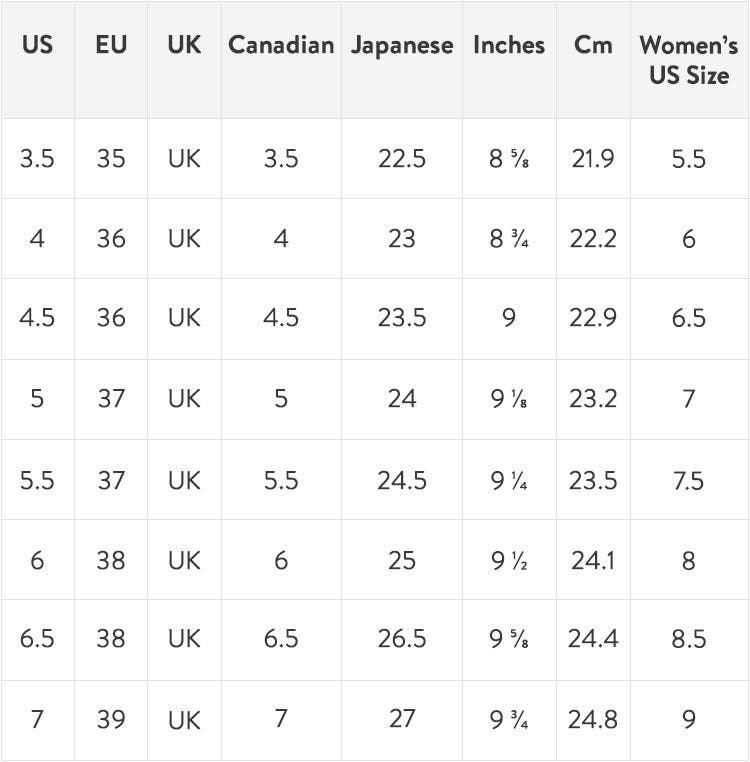
Image Source: n.nordstrommedia.com
Grasping Why Shoe Size Matters
Picking the right shoe size for your toddler is a big deal. Their feet are growing and changing super fast. Toddlers’ feet are soft and have lots of cartilage. Poorly fitting shoes can hurt how their feet grow. They can cause toe problems or pain. Shoes that are too small squeeze tiny toes. Shoes that are too big can make your child trip. They don’t give the right support. Getting the size correct is key for comfort and healthy foot growth. This is why knowing about fitting children’s shoes is so helpful.
Spotting Signs Shoes Are Too Small
Toddlers can’t always tell you their shoes hurt. So, you need to watch for signs shoes are too small toddler feet show. Look closely at their feet and how they walk.
- Red Marks or Rubbing: Take the shoes and socks off. Look for red spots or marks on their feet. Check the tops of toes, the back of the heel, and the sides. This shows the shoes are rubbing or squeezing.
- Curled Toes: When you take the shoes off, do their toes stay curled? This might mean the shoes forced them into that shape. There wasn’t enough room.
- Complaints of Pain: If your toddler can talk, they might say their feet hurt. Pay attention if they say this often while wearing certain shoes.
- Tripping More Often: Shoes that are too small or too big can make your toddler stumble. While toddlers trip sometimes, an increase might be a sign.
- Taking Shoes Off: Does your toddler try to pull their shoes off a lot? They might be trying to get comfortable.
- Shoes Hard to Put On: Is it suddenly hard to get their foot into a shoe that used to fit easily? Their foot might have grown.
- Shoes Look Stretched or Bulging: The shoe itself might look like it’s bulging at the sides or toe area from being too tight.
- Toe Touching the End: While wearing the shoe, you should not be able to feel your child’s toe pressing hard against the very end when they stand up straight.
Seeing these signs means it’s time to measure their feet again. It means they need new shoes.
Getting Your Simple Tools Ready
You do not need fancy equipment for child foot length measurement at home. You likely have what you need right now.
- Paper: A piece of plain paper is perfect. Make sure it is bigger than your toddler’s foot.
- Pen or Pencil: Something to draw a line with. A pen might give a clearer line than a pencil. Hold it straight up and down.
- Ruler or Measuring Tape: You need this to measure the length on the paper. A regular ruler is fine.
- Tape (Optional): A little tape can help hold the paper still. This is good if your toddler wiggles a lot.
- Socks: Make sure your toddler wears the type of socks they will wear with the new shoes when you measure. Sock thickness matters.
- A Helper (Optional but Good): Another adult or older child can help keep your toddler still or happy while you measure.
Deciphering How to Measure Toddler Feet
Here are the simple steps for the best way to measure toddler feet at home. Take your time. It might be a little tricky if your toddler doesn’t want to stay still!
h4. Step 1: Pick a Good Spot
Find a hard floor. A tile floor or wood floor works well. Carpets are too soft and can give a wrong measurement. Make sure there is a wall or straight edge you can use. You will need to stand the toddler against it.
h4. Step 2: Put Paper Down
Place a piece of paper on the floor. Make sure one edge of the paper is against the wall. Tape it down if you need to. This stops the paper from moving.
h4. Step 3: Get Your Toddler Ready
Put the socks on your toddler that they will wear with the new shoes. Stand them on the paper. Their heel should be against the wall. Make sure their weight is on the foot you are measuring. This spreads the foot out. The foot should be as flat as possible on the paper. Try to keep their toes flat, not curled up.
h4. Step 4: Mark the Longest Point
While your toddler is standing with their heel at the wall edge of the paper, use your pen or pencil. Hold it straight up. Make a mark on the paper at the tip of their longest toe. Often this is the big toe, but sometimes it’s the second toe. Mark the very end point.
h4. Step 5: Mark the Widest Points (Optional but Helpful)
You can also mark the widest part of the foot. With the pen straight up, make marks on both sides of the widest part of the foot. This helps you get a sense of width. This is part of detailed toddler foot measuring.
h4. Step 6: Do the Other Foot
Toddlers’ feet are often slightly different sizes. Always measure both feet. Repeat Steps 3-5 for the other foot.
h4. Step 7: Measure the Marks
Take the paper away from the wall. Use your ruler or measuring tape. Draw a straight line from the edge of the paper that was against the wall (this was the heel line) to the toe mark you made. Measure this line in inches or centimeters. Write this number down. This is your child foot length measurement. If you marked width, draw a line between those marks and measure that too. Note both lengths for both feet.
h4. Step 8: Find the Longer Foot
Look at the measurements for both feet. Use the measurement from the longer foot. This is important. You must always fit shoes to the bigger foot.
h4. Step 9: Add Growing Room
Now, you need to add a little extra space to this measurement. This space is for comfort and for their foot to grow a little. For toddlers, you usually add about a quarter to half an inch (about 0.6 to 1.2 centimeters) to the length. This wiggle room is key. It lets toes move freely. It also means the shoes won’t be outgrown instantly. So, take your longest foot measurement and add this extra length. This new number is the length you will use to find the shoe size.
Example: Your toddler’s longest foot is 5 inches. You add 0.5 inches for growth. The target length is 5.5 inches.
Interpreting the Kids Shoe Size Chart
Once you have your target length (the measured length plus growing room), you need to use a kids shoe size chart. This is where things can get a little tricky. There is no single standard chart that all shoe companies use. A size 7 in one brand might be a size 8 in another! This is why using a toddler shoe size guide from the specific brand you want to buy is best.
h4. How to Use a Shoe Size Chart
- Find a Chart: Look for a size chart on the shoe brand’s website. Search for “[Brand Name] kids size chart” or “[Brand Name] toddler size guide”.
- Look for Length: These charts usually have a column for foot length (in inches or centimeters) and a column for the shoe size that matches.
- Match Your Number: Find the row in the chart that has your target length (measured length + growing room). Look across to find the matching shoe size.
- Check Notes: Sometimes charts have notes about fit.
Here is a sample kids shoe size chart. Remember, this is just an example. Always check the brand’s specific chart.
| Foot Length (Inches) | Foot Length (cm) | US Shoe Size | UK Shoe Size | Euro Shoe Size |
|---|---|---|---|---|
| 3.5 – 3.75 | 9.0 – 9.5 | 3 infant | 2 | 18 |
| 3.75 – 4.0 | 9.5 – 10.2 | 4 infant | 3 | 19 |
| 4.0 – 4.25 | 10.2 – 10.8 | 5 toddler | 4 | 20 |
| 4.25 – 4.5 | 10.8 – 11.4 | 6 toddler | 5 | 22 |
| 4.5 – 4.75 | 11.4 – 12.1 | 7 toddler | 6 | 23 |
| 4.75 – 5.0 | 12.1 – 12.7 | 8 toddler | 7 | 24 |
| 5.0 – 5.25 | 12.7 – 13.3 | 9 toddler | 8 | 25 |
| 5.25 – 5.5 | 13.3 – 14.0 | 10 toddler | 9 | 27 |
| 5.5 – 5.75 | 14.0 – 14.6 | 11 toddler | 10 | 28 |
| 5.75 – 6.0 | 14.6 – 15.2 | 12 toddler | 11 | 30 |
| 6.0 – 6.25 | 15.2 – 15.9 | 13 toddler | 12 | 31 |
Note: Sizes around 5-10 are often called “toddler” sizes. Sizes above that become “little kid” sizes. This varies.
Thinking About Foot Width
While length is key, width is also important for fitting children’s shoes well. Some brands make shoes in different widths (like Narrow, Medium, Wide). Your simple tracing method can also help you measure width. Most toddlers fit into a standard or medium width. But if your child has very wide or narrow feet, look for brands offering different widths. Shoes that are too narrow will pinch. Shoes that are too wide can cause slipping inside the shoe. The best way to know about width is often to try shoes on. However, knowing the measurement can help narrow down choices.
Average Shoe Size by Age (Just a Guide)
Parents often ask about the average shoe size toddler age groups wear. It is helpful to have an idea, but remember that every child grows at their own speed! Do not rely on age alone to pick a size. Always measure. This is just a general idea:
| Age Group | Average US Shoe Size (Approx.) |
|---|---|
| 12-18 Months | 4-6 toddler |
| 18-24 Months | 5-7 toddler |
| 2 Years | 6-8 toddler |
| 2.5 – 3 Years | 7-9 toddler |
| 3 – 3.5 Years | 8-10 toddler |
| 4 Years | 9-11 toddler |
This table is a rough guide for average shoe size toddler age brackets. Your child might be smaller or larger than average. That is totally normal! Use this just to get an idea, not as the rule for buying shoes.
Checking the Fit in the Shoe
Measuring at home gives you a great starting point. But the best way to know if a shoe fits is to try it on your toddler. Here’s how to check:
- Put Both Shoes On: Always try on both shoes. Make sure your child is wearing the socks they will use with the shoes.
- Stand Up: Have your toddler stand up straight. Their foot spreads out when standing. This is important for checking length.
- Check the Longest Toe: Feel the front of the shoe. You should have about half an inch (about a finger’s width) of space between the longest toe and the end of the shoe. This is the wiggle room you added. It allows for growth and toe movement.
- Check the Width: Feel the sides of the shoe. It should feel snug but not tight. You shouldn’t see major bulging.
- Check the Heel: The heel should fit snugly. It shouldn’t slip out easily when they walk a little.
- Watch Them Walk: Have them walk around in the shoes on a flat surface. Do they seem comfortable? Are they walking normally? Are they tripping? Do the shoes seem too clunky?
- Ask (If They Can Talk): Ask if the shoes feel good. Do they feel too tight? Too loose? Hot spots? Even young toddlers might react if shoes feel bad.
Trying shoes on is part of getting toddlers feet measured well, even after you measure at home.
Thinking About Foot Measuring Devices for Toddlers
Besides the paper-and-pencil method, there are also special foot measuring device for toddlers you can buy. The most famous one is called a Brannock device, but there are simpler home versions too.
h4. Types of Devices
- Brannock-style: These are common in shoe stores. They measure length and width. They can be a bit hard to use on a wiggly toddler at home.
- Simple Home Devices: These are often plastic slides. You put the child’s heel at one end and slide a piece to the toe. They are simpler than a Brannock.
h4. Pros and Cons
- Pros of Devices: They can be faster if your child cooperates. They are designed just for measuring feet.
- Cons of Devices: They can be less accurate than a careful tracing, especially for heel placement or if the child curls their toes. They still require the child to stand still. Just like charts, different devices might give slightly different results. You still need to add growth room.
Using a foot measuring device for toddlers can be a good option, but the paper-and-pencil method is just as accurate and uses tools you already own. The key is getting the longest point marked correctly and measuring from the true heel point.
How Often Should You Measure?
Toddlers’ feet grow in spurts. They can change a size every few months! You should measure your toddler’s feet quite often.
- Measure their feet about every 2-3 months.
- Always measure before buying new shoes, even if it hasn’t been that long.
- Check the fit of their current shoes regularly using the signs we talked about (red marks, tight fit, etc.).
Regular toddler foot measuring helps you keep up with their growth. It ensures they are always wearing shoes that fit well.
More Tips for Buying Toddler Shoes
- Shop Later in the Day: Feet swell slightly during the day. Measuring and trying shoes on in the afternoon or evening gives a more accurate fit.
- Consider Shoe Material: Choose shoes made of flexible, breathable materials like leather or mesh. This allows feet to move and helps keep them dry.
- Flexible Soles: Toddler shoes should have flexible soles that bend easily. You can test this by bending the shoe. Stiff shoes can make it harder for them to walk naturally.
- Good Grip: Look for soles with good traction to prevent slips and falls.
- Easy to Put On: Choose shoes with closures that are easy for you (and eventually them) to manage, like velcro straps or elastic laces.
- Don’t Buy Too Big: While adding growth room is good, buying shoes that are much too big is not helpful. It can cause tripping and poor walking habits. It is better to measure often and buy shoes that fit well now, with just a little room to grow.
- Hand-Me-Downs? Be Careful: Hand-me-down shoes might seem like a good idea, but they have molded to the previous child’s foot. They might not offer the right support or fit for your child. If you use them, check the wear pattern and fit very carefully.
Remembering these points helps ensure good fitting children’s shoes for your little one.
Frequently Asked Questions
h5. What is the average shoe size for a 2-year-old toddler?
On average, a 2-year-old toddler wears between a size 6 and 8 US toddler shoe size. But this is just an average. Many two-year-olds will wear smaller or larger sizes. Always measure your child’s foot to find their correct size.
h5. How much growth room should I add to my toddler’s foot measurement?
Add about a quarter to half an inch (0.6 to 1.2 cm) to the length of your toddler’s longest foot measurement. This space allows toes to wiggle and gives a little room for growth.
h5. How often should I measure my toddler’s feet for new shoes?
You should measure your toddler’s feet about every 2 to 3 months. Toddlers’ feet grow quickly. Checking regularly helps you know when they need the next size up.
h5. Can I use a kids shoe size chart from any brand?
It is best to use the specific kids shoe size chart from the brand you plan to buy. Shoe sizes can differ quite a lot between brands. Using their chart is the most accurate way to find the right size for their shoes.
h5. What are some signs my toddler’s shoes are too small?
Signs include red marks on the foot, toes that stay curled after taking shoes off, your child complaining of pain (if they can talk), increased tripping, shoes looking stretched, or finding it hard to put the shoes on.
h5. Is getting toddlers feet measured at a store better than measuring at home?
Getting toddlers feet measured by a trained person at a store can be helpful. They have experience and often special tools like a Brannock device. However, you can get a very accurate measurement at home using simple steps like tracing. The most important thing is to measure correctly and check the fit in the shoe.
h5. Do I need a special foot measuring device for toddlers?
No, you do not need a special foot measuring device for toddlers. You can get an accurate measurement at home using just paper, a pen, and a ruler. This simple method is often the best way to measure toddler feet because you can make sure their foot is flat and their heel is correctly placed.
h5. Why is it important to measure both of my toddler’s feet?
You must measure both feet because one foot is often slightly larger than the other. You should always fit shoes to the larger foot. This ensures both feet are comfortable and have enough space.
h5. Should toddlers wear socks when measuring their feet?
Yes, have your toddler wear the type of socks they will wear with the new shoes when you measure. The thickness of socks affects the fit inside the shoe.
h5. My toddler won’t stay still! How can I measure their foot?
This is common! Try measuring when they are distracted, maybe watching a show or playing a quiet game while standing. Have a helper distract them. Make it fun, maybe call it a “foot drawing game.” Tape the paper down well. Do the steps quickly but carefully.
Conclusion
Measuring your toddler’s shoe size at home does not have to be hard. With a few simple items and these steps, you can get an accurate child foot length measurement. This helps you use a kids shoe size chart to find the right size. Remember to measure both feet, add growing room, and check the specific brand’s toddler shoe size guide. Watch for signs shoes are too small toddler feet might show. By doing regular toddler foot measuring (every 2-3 months) and checking the fit in the shoe, you help ensure your little one’s feet are happy and healthy as they grow. Getting toddlers feet measured correctly, whether at home or in a store, is a great step for their comfort and foot health.