
How To Firm Up Toddler Poop: A Parent’s Guide To Health
Is your toddler’s poop often soft or runny? You are not alone. Many parents worry about soft toddler poop. How can you firm up toddler poop? You can firm up toddler poop by changing what your child eats. Focus on foods like bananas, plain rice, applesauce, and dry toast. These foods help soak up extra water in the gut. What causes soft toddler poop? It can be from many things. Common reasons include what they eat, being sick, or even new foods. What should you feed a toddler with runny poop? Stick to bland, easy-to-digest foods. These often include the BRAT diet. These changes help with toddler stool consistency issues. This guide will show you how to manage your toddler’s loose bowel movements. We will also help you support their toddler digestive health.
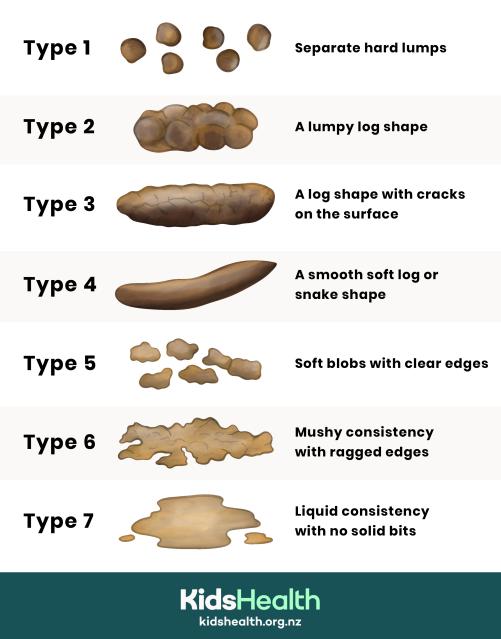
Image Source: www.kidshealth.org.nz
Grasping Toddler Poop: What’s Normal?
Seeing your toddler’s poop change can be worrying. How do you know what is normal? Poop can be many shades of brown or green. Its texture matters most. Normal toddler poop is usually soft. It is like a soft-serve ice cream or a soft snake shape. It should pass easily.
When poop becomes very soft, watery, or mushy, that is loose poop. If it happens often, it is a concern. Too much watery poop can mean your child is losing fluids. This is called dehydration.
Let’s look at a simple chart. It helps you tell different poop types. This is based on the Bristol Stool Chart. We made it simple for toddler parents.
| Type | Shape & Feel | What it Means |
|---|---|---|
| Type 1 | Hard, small lumps. Like nuts. | Hard to pass. Often means constipation. |
| Type 2 | Lumpy and sausage-shaped. | Hard to pass. Still constipation. |
| Type 3 | Sausage-shaped. Cracks on surface. | Normal. Easy to pass. |
| Type 4 | Smooth, soft sausage or snake-like. | Ideal poop. Very normal. |
| Type 5 | Soft blobs. Clear edges. | Normal. Easy to pass. |
| Type 6 | Mushy, fluffy pieces. Ragged edges. | Loose stools. Mild diarrhea. |
| Type 7 | Watery. No solid pieces. | Diarrhea. Needs attention. |
If your child often has Type 6 or Type 7 poop, this guide is for you.
Causes of Soft Toddler Poop
Many things can make toddler poop soft. Knowing the reason helps you fix it. Here are common causes of soft toddler poop:
Diet Choices
What your child eats is a big reason.
* Too much juice: Fruit juices, especially apple or prune juice, can cause loose stools. They have natural sugars that pull water into the gut.
* Too much fruit: Some fruits like prunes, pears, and apricots are natural laxatives. Eating too much of these can make poop loose.
* Too many sugary foods: Candies, sodas, and sweet snacks can upset the stomach. They can lead to loose poop.
* Not enough binding foods: A diet without enough bland, firming foods can lead to soft poop.
* New foods: Starting new foods can sometimes change poop. The gut needs time to get used to them.
Being Sick or Ill
Sickness is a top reason for loose poop.
* Viruses: Stomach bugs (like rotavirus or norovirus) are very common. They cause sudden diarrhea and often vomiting.
* Bacteria: Some bacteria from bad food can cause severe diarrhea. This is called food poisoning.
* Antibiotics: These medicines kill bad bacteria. But they also kill good gut bacteria. This can lead to loose stools.
* Ear infections or colds: Sometimes, even non-stomach illnesses can cause a mild upset stomach.
Other Reasons
Some other things can affect poop.
* Food sensitivities: Your child might have trouble digesting certain foods. Dairy or gluten are common ones. This can lead to loose stools.
* Allergies: A true food allergy can cause many symptoms. Loose poop is one of them.
* Teething: Some parents report slightly looser stools during teething. It is usually mild and goes away.
* Stress or worry: Less common, but big changes or stress can sometimes affect a child’s tummy.
* Too much water: While hydration is good, drinking too much plain water, especially when sick, can sometimes make stools looser. This is rare.
Dietary Solutions for Firmer Stools
Changing your child’s diet is often the first and best step. This section focuses on a toddler loose stools diet. We will look at foods to firm up toddler poop. We will also cover what to feed toddler with runny poop.
Principles of a Toddler Loose Stools Diet
When poop is loose, the gut needs a break. It needs help to absorb water better.
* Go bland: Choose foods that are easy to digest. Avoid rich, greasy, or very spicy foods.
* Focus on soluble fiber: This type of fiber dissolves in water. It forms a gel. This helps to firm up stools.
* Limit high-sugar and high-fiber foods: Foods that speed up digestion or pull water into the gut should be avoided for a while.
* Keep them hydrated: Even though we want firmer poop, dehydration is a risk. Give small sips of water or special fluids.
Best Foods for Toddler Firm Stools
These foods are often called “binding” foods. They help soak up extra water in the gut.
The BRAT Diet
The BRAT diet is famous for a reason. It is simple and effective.
* B – Bananas: Ripe bananas are great. They have pectin. Pectin is a soluble fiber. It helps to soak up fluid and bind the stool. Bananas also give potassium. This is important to replace if your child has diarrhea.
* R – Rice: Plain white rice is easy to digest. It is low in fiber. This makes it a good binding food. You can also use white rice cereal.
* A – Applesauce: Just like bananas, applesauce has pectin. It helps to firm up poop. Make sure it is plain applesauce. Avoid chunky types or those with added sugars. Whole apples are not recommended during diarrhea as they have too much insoluble fiber.
* T – Toast: Plain white toast is best. The refined grains are easy on the tummy. Avoid whole wheat toast for now. It has too much fiber. Also, skip butter or jam.
Other Helpful Foods
These foods can also help your child’s poop firm up.
* Potatoes: Plain, boiled, or baked potatoes are good. Peel the skin off. The skin has a lot of fiber.
* Pasta: Plain white pasta is easy to digest. No heavy sauces.
* Plain crackers: Saltine crackers or similar bland crackers are good. They help settle the stomach.
* Cooked carrots: When cooked soft, carrots are gentle. They provide some needed nutrients without upsetting the tummy.
* Oatmeal: Cooked oats, like plain rolled oats, can be good. They have soluble fiber. Avoid instant oats with added sugar.
* Yogurt (with probiotics): If your child is not sensitive to dairy, plain yogurt with live cultures is good. The probiotics help bring back good gut bacteria. We will talk more about probiotics later.
* Pretzels: Plain, unsalted pretzels can be a good snack.
* Chicken or Turkey: Plain, boiled, or baked white meat. Cut into small pieces. It adds protein without much fat.
Foods to Avoid or Limit When Poop is Soft
Some foods can make loose stools worse. It is best to avoid them for a while.
* High-fiber fruits: Prunes, pears, peaches, berries, and apricots. These can act as laxatives.
* Most juices: Apple juice, prune juice, grape juice. They are very high in sugars.
* Greasy, fried foods: These are hard to digest. They can upset the stomach more.
* Sugary foods: Candies, cookies, cakes, and sugary drinks. They feed bad bacteria and can cause more fluid loss.
* Spicy foods: These can irritate the digestive system.
* Excessive dairy: If your child seems sensitive to milk, limit it. This is especially true after a stomach bug. Lactose in milk can be hard to digest temporarily.
* Raw vegetables: While healthy, they have a lot of fiber. This can speed up digestion. Cooked vegetables are better.
What to Feed Toddler with Runny Poop: A Sample Day
Here is an example of a daily food plan when your toddler has runny poop.
| Meal | Food Ideas |
|---|---|
| Morning | White rice cereal with breast milk or formula. |
| Or a plain slice of white toast. | |
| Small amount of plain applesauce. | |
| Snack 1 | Small, ripe banana slices. |
| Or a few plain crackers. | |
| Mid-day | Plain white rice with boiled chicken (small pieces). |
| Or plain pasta with a little cooked carrot. | |
| Snack 2 | Plain yogurt (if tolerated) or more applesauce. |
| Or some plain pretzels. | |
| Evening | Plain boiled potato (peeled). |
| Or more white rice and a little boiled turkey. | |
| Small sips of water throughout the day. |
Remember to offer small amounts often. Do not force your child to eat. Their appetite might be low.
Toddler Diarrhea Home Remedies & Tummy Upset Solutions
Diet changes are key. But other things can help your child feel better. These are toddler diarrhea home remedies and toddler tummy upset solutions.
Staying Hydrated: Very Important!
This is the most important step. Diarrhea makes a child lose a lot of fluid and salts. Dehydration is a serious risk.
* Small, frequent sips: Offer water, breast milk, or formula often. Do not give large amounts at once. This can cause more vomiting.
* Oral Rehydration Solutions (ORS): These are special fluids. They have the right mix of water, salts, and sugar. This helps the body absorb fluid best. Brands like Pedialyte are ORS. Your doctor might suggest them. Give ORS in tiny sips. A spoonful every few minutes is better than a big cup.
* Avoid sugary drinks: Juice and soda are not good for rehydration. They can make diarrhea worse.
Probiotics: Good for the Gut
Probiotics are “good” bacteria. They live in the gut. When your child has loose stools, especially after antibiotics, these good bacteria might be low.
* How they help: Probiotics can help bring back the balance of good bacteria. This can shorten how long diarrhea lasts.
* Sources: You can find probiotics in some plain yogurts. Look for “live and active cultures.” You can also buy probiotic drops or powders made for toddlers. Talk to your doctor before starting any supplement.
Rest and Comfort
A sick child needs rest.
* Quiet time: Encourage your child to rest. Avoid too much play or excitement.
* Comfort: Offer cuddles and comfort. A warm bath can sometimes help ease tummy aches.
Gradual Food Reintroduction
Do not rush back to normal foods.
* Start with BRAT: Stick to the BRAT diet and other bland foods for a day or two.
* Slowly add foods: Once stools start to firm up, slowly add other foods back. Start with one new food at a time. Watch how your child reacts.
* Full recovery: It might take a few days for your child’s gut to get back to normal.
Managing Toddler Loose Bowel Movements and Diaper Care
Loose stools can cause diaper rash quickly.
* Frequent changes: Change diapers as soon as they are soiled.
* Gentle cleaning: Use warm water and a soft cloth instead of wipes if skin is sore. Or use very gentle, sensitive wipes.
* Air time: Let your child’s bottom air dry for a few minutes before putting on a new diaper.
* Barrier cream: Apply a thick layer of diaper rash cream. Look for creams with zinc oxide or petroleum jelly. This creates a barrier against wetness.
Knowing When to Seek Medical Help
Most cases of soft toddler poop get better with home care. But sometimes, you need a doctor. It is important to know the warning signs. Do not wait if you see these signs.
Signs of Dehydration
This is the most serious risk from diarrhea.
* Less pee: Fewer wet diapers than normal (e.g., no wet diaper for 8 hours or more).
* No tears: When crying, there are no tears.
* Dry mouth and tongue: Look inside their mouth.
* Sunken eyes: Their eyes might look hollow.
* No energy: Your child is very sleepy, weak, or hard to wake up.
* Cool, dry skin: Skin might feel less elastic.
Other Red Flags
- High fever: A fever over 102°F (39°C).
- Blood or mucus in stool: Any blood or stringy mucus in the poop needs urgent medical review.
- Severe stomach pain: If your child is crying a lot due to stomach pain.
- Vomiting that won’t stop: If your child cannot keep any fluids down.
- Diarrhea lasting too long: Diarrhea lasting more than 24-48 hours in a toddler.
- Child seems very sick: If your child is not acting like themselves, looks pale, or seems very weak.
- Recent travel: If your child recently traveled to a place with poor sanitation.
Always trust your parent gut. If you are worried, it is always best to call your doctor or seek medical care.
Toddler Digestive Health Tips: Long-Term Strategies
Beyond fixing current loose poop, aim for good toddler digestive health all the time. This helps prevent future issues.
Balanced Diet is Key
- Variety of foods: Offer a wide range of fruits, vegetables, whole grains, and proteins. A varied diet gives all needed nutrients.
- Fiber intake: While we limit some fiber during loose stools, overall fiber is good. It helps keep regular bowel movements. Good sources are whole grains, fruits, and vegetables (cooked when appropriate).
- Lean protein: Chicken, fish, beans, lentils, and eggs are good protein sources.
- Healthy fats: Avocados, nuts (if no allergy and safely prepared), and olive oil are good sources.
Proper Hydration Every Day
- Water is best: Encourage water throughout the day. Keep a water bottle handy.
- Limit sugary drinks: Juices and sodas should be rare treats. They add unneeded sugar and can cause tummy problems.
Limit Processed Foods and Sugar
- Avoid too much junk food: Processed foods, fast food, and foods high in sugar can harm gut bacteria. They can lead to digestive issues.
- Cook at home: Making meals at home lets you control ingredients.
Support Good Gut Bacteria
- Probiotic-rich foods: Include foods like plain yogurt, kefir, or fermented vegetables (if your toddler eats them). These foods have good bacteria.
- Prebiotic foods: These foods feed the good bacteria. Examples include bananas, onions, garlic, and oats.
- Consider a daily probiotic: Talk to your pediatrician about a daily probiotic supplement. This can support a healthy gut.
Hand Washing: A Simple Guard
- Wash hands often: Teach your child to wash hands well. Do it before eating and after using the bathroom. This helps stop the spread of germs that cause stomach bugs.
Manage Stress and Routine
- Calm environment: A calm home can help a sensitive gut.
- Regular routines: Regular meal times and sleep patterns can help the digestive system work better.
Regular Physical Activity
- Move their bodies: Being active helps the digestive system move. It can prevent constipation and promote overall health.
Frequently Asked Questions (FAQ)
How long does it take for poop to firm up after diet changes?
It can take anywhere from a few hours to a day or two. If your child has a stomach bug, it might take longer. Usually, you should see improvement within 24-48 hours. If not, or if things get worse, call your doctor.
Can teething cause loose poop?
Some parents notice slightly looser stools during teething. This is often mild. It usually does not cause severe, watery diarrhea. If your child has severe diarrhea while teething, look for other causes.
Are probiotics safe for toddlers?
Yes, generally probiotics are safe for toddlers. Many pediatricians even suggest them. They can help balance gut bacteria. Always choose a probiotic made for children. Talk to your doctor before starting any new supplement.
What if my toddler doesn’t like BRAT foods?
It can be hard to get a sick toddler to eat. Try small amounts. Offer their favorite bland foods. If they don’t like rice, try plain pasta. If they refuse bananas, try plain applesauce. Focus on hydration first. Get calories in with what they will eat. Do not force them.
Should I stop giving milk if my toddler has loose stools?
Sometimes, yes. After a stomach bug, some toddlers can have temporary lactose intolerance. This means they have trouble digesting milk sugar. This often lasts for a few days to weeks. You can try lactose-free milk or offer less milk for a while. If you are breastfeeding, continue as normal. Breast milk is very good for their gut. Always ask your doctor for advice.
Conclusion
Dealing with soft toddler poop can be a challenge. But with the right steps, you can help your child feel better. Start with diet changes. Focus on bland, binding foods. Remember the BRAT diet. Keep your child hydrated. Watch for signs of dehydration. Also, know when to call the doctor.
By taking care of your toddler’s diet and health, you can help them have firm, healthy poop. This also supports their overall well-being. Be patient. Every child is different. You are doing a great job helping your little one.