
Many parents ask, “Why won’t my toddler poop on the potty?” Often, it’s a mix of things like fear, a need for control, or pain from hard poop. This issue is often called toddler poop refusal, which means your child actively tries not to poop, often holding it in. You might wonder, “Can I give my toddler medicine to help them poop?” Yes, gentle options like stool softeners for toddlers can be used, but always talk to your doctor first. For the question, “How do I help my child poop on the toilet?”, this guide will show you how to use good food, a steady routine, kind words, and ways to ease their worries. This helps them move their potty training bowel movements from diapers to the toilet with greater ease.
Image Source: assets.clevelandclinic.org
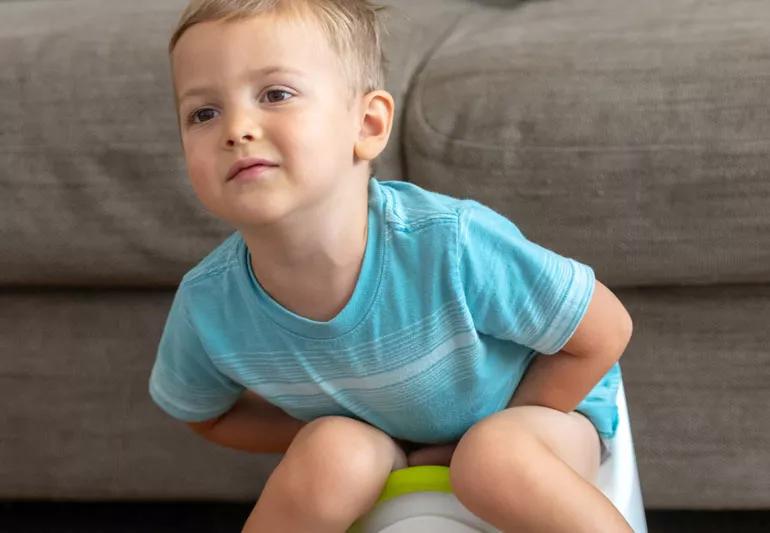
Grasping Poop Refusal: Why It Happens
Potty training for number two can be much harder than for number one. It’s a common struggle for many families. When a child holds their poop, it can cause problems like pain and even more refusal. Let’s look at why your child might be holding back.
The Big Causes of Poop Problems
Several things can make a toddler not want to poop on the potty. It’s often not just one thing, but a mix.
- Fear: Many toddlers feel a strong fear of pooping on toilet. The toilet bowl seems big, and the flush can be loud. They might worry about falling in. They might also think a part of them is going away when they poop. This feeling is real to them.
- Pain: If your child has had hard poops before, they remember it hurt. This can lead to them holding it in, which only makes the poop harder and more painful later. This starts a bad cycle.
- Control: Pooping is one of the few things toddlers can fully control. Saying “no” to pooping on the potty can be their way of showing power, especially if they feel pushed.
- Change: Any big change in their life, like a new baby, moving, or starting daycare, can make them feel stressed. This stress can show up as not wanting to poop.
- Not Ready: Sometimes, a child just isn’t ready. Potty training is a big step, and every child reaches milestones at their own pace.
Physical Matters: When The Body Says No
Sometimes, the main reason a toddler won’t poop is a physical one. This is often linked to their diet and how regular their bowel movements are.
Constipation and Potty Training
Constipation potty training is a very common challenge. If a child’s poop is hard and dry, it hurts to pass. They quickly learn to hold it in to avoid the pain. This makes the problem worse. When they hold it, the poop gets bigger and harder, making it even more painful to finally pass. This is a cycle we must break.
- Signs of Constipation:
- Fewer than three poops a week.
- Poops that are hard, dry, or look like small pebbles.
- Straining or crying when trying to poop.
- Complaints of belly pain.
- Streaks of liquid poop in their underwear (this is often “overflow” when softer poop leaks around a hard, stuck stool).
Diet for Helping Poop
What your child eats plays a huge role in their potty training bowel movements. A balanced diet for toddler potty training can help make poop soft and easy to pass. This is key to stopping child holding poop tips from becoming a long-term problem.
- Foods That Help Poop Move:
- High-Fiber Foods: Fiber adds bulk to stool, making it softer and easier to pass.
- Fruits: Pears, apples (with skin), berries, prunes, peaches, apricots.
- Vegetables: Broccoli, peas, beans, sweet potatoes, carrots.
- Whole Grains: Whole-wheat bread, oatmeal, brown rice, whole-grain pasta.
- Plenty of Water: Water helps soften fiber. If your child doesn’t drink enough, even high-fiber foods can cause problems. Offer water often throughout the day.
- Some Juices: Small amounts of prune, pear, or apple juice can help, but too much can cause other issues like diarrhea or sugar overload. Use them as a short-term aid, not a main drink.
- High-Fiber Foods: Fiber adds bulk to stool, making it softer and easier to pass.
Let’s look at some good food choices:
| Food Group | Best Choices for Soft Poop | Avoid (Can Make It Worse) |
|---|---|---|
| Fruits | Pears, Prunes, Berries, Apples (with skin) | Bananas (can be binding), Too much juice |
| Vegetables | Broccoli, Peas, Beans, Sweet Potatoes, Corn | (Most veggies are good!) |
| Grains | Oatmeal, Whole-wheat bread, Brown rice, Whole-grain pasta | White bread, White rice, Processed snacks |
| Liquids | Water, Milk (in moderation), Small amounts of prune/pear juice | Too much milk (can be constipating for some) |
When to Seek Medical Help
If diet changes don’t work, or if your child is in great pain, it’s time to see their doctor. They can check for other issues and suggest medical aids.
Stool Softeners and Laxatives for Toddlers
Stool softeners for toddlers are often the first step a doctor might suggest. These are not laxatives that make your child “go.” Instead, they add water to the poop, making it softer and easier to pass without straining.
- Common Stool Softeners:
- Miralax (PEG 3350): This is a very common and safe choice. It’s a powder you mix into a drink. It works by pulling water into the bowel. It’s not absorbed by the body.
- Lactulose or Sorbitol: These are types of sugar that draw water into the bowel.
- Important Notes:
- Always talk to your child’s doctor before starting any stool softener or laxative. They will tell you the right dose and how long to use it.
- These are usually for short-term use to get past a painful blockage, but sometimes doctors suggest them for longer if constipation is a big problem.
- Stool softeners are not a “fix-all.” You still need to work on diet, fluids, and healthy potty habits.
Tackling The Emotional Side: Fears and Control
Beyond the physical, a toddler’s feelings play a huge part in poop refusal. Addressing their fears and need for control is vital.
Dealing with the Fear of Pooping
The fear of pooping on toilet is very real for little ones. It can feel scary to let go in a big, noisy toilet.
- Small Steps:
- Start with a Potty Chair: A small potty chair on the floor feels less scary than a big toilet. Their feet can touch the ground, making them feel secure.
- Let Them Watch: Let them see you or other family members poop. This can make it seem normal.
- No Pressure: Never force them. Pressure makes fear worse. Let them go at their own pace.
- Talk About Poop: Use simple, calm words. Call it “poop” or “poo-poo.” Explain that everyone poops, it’s natural, and it’s how we get rid of waste.
- Read Books: Many children’s books talk about potty training and pooping. This helps normalize the process.
- Cover the Flush: If the flush is scary, let them flush later or not at all at first. Some parents put a sticky note over the flush button.
Handling the Need for Control
For toddlers, saying “no” to pooping on the potty is a way to feel in charge.
- Offer Choices: Instead of “You need to poop now,” try “Do you want to try to poop before your show, or after?” or “Do you want to use the potty chair or the big toilet with the seat?”
- Give Them a Say: Let them pick out their potty chair, special potty books, or even their “poop prize.”
- Be Patient: This isn’t a battle to win. It’s a learning journey. Pushing too hard will make them push back harder.
- Make it Their Idea: Sometimes, just leaving the potty chair out and talking about how “big kids use the potty” can spark their own interest.
Practical Strategies: How To Get Poop On The Potty
Once you’ve looked at physical and emotional reasons, it’s time for action. Here are concrete steps to encourage toddler to poop in potty.
Creating a Potty-Friendly Routine
Routine helps kids feel safe and know what to expect.
- Scheduled Potty Times: Have your child sit on the potty at predictable times, such as:
- First thing in the morning.
- After meals (digestion often starts bowel movements).
- Before baths.
- Before bed.
- Keep it short, about 3-5 minutes. Don’t make them sit too long.
- Regularity is Key: Doing it at the same time each day helps their body get into a rhythm.
- Make it Fun: Read a book, sing a song, or play a quiet game while they sit. Don’t make it a chore.
The Role of Position and Comfort
How a child sits can make a big difference for potty training bowel movements.
- Proper Foot Support: On a regular toilet, make sure their feet can rest firmly on a stool. Dangling feet can make it hard to push. A potty chair automatically provides good foot support.
- Knees Up: Their knees should be bent and slightly higher than their hips. This position helps the colon empty more easily.
- Relaxed Posture: Encourage them to lean forward a bit, relax their tummy muscles, and breathe deeply.
Positive Reinforcement for Pooping
Positive reinforcement for pooping is crucial. It’s not about bribing, but about praising and rewarding effort and success.
- Praise Effort, Not Just Success: “You sat so nicely on the potty!” or “I’m so proud you tried!” even if nothing comes out. This takes pressure off.
- Immediate Rewards: If they do poop, give a small, immediate reward.
- Verbal Praise: “Yay! You pooped on the potty! You’re a big kid!”
- High Fives/Hugs: A quick, happy physical show of pride.
- Sticker Chart: A simple sticker on a chart for each successful poop. When the chart is full, a small prize.
- Small Toy/Treat: A very small, desired item (e.g., one M&M, a tiny car, a bubble wand). Make sure it’s not a food reward if you’re concerned about diet.
- Celebrate Successes: Make a big deal when they poop on the potty, but don’t overdo it. Keep it happy and positive.
- Avoid Punishment: Never punish, shame, or scold for accidents or refusal. This will only increase fear and holding. Keep a calm, supportive face.
Let’s look at some positive reinforcement ideas:
| Type of Reinforcement | Examples for Poop Success |
|---|---|
| Verbal Praise | “You did it! Amazing job pooping on the potty!” |
| Physical Affection | High five, hug, happy dance together |
| Visual Aids | Sticker chart, progress chart, “Poop Superstar” badge |
| Small Rewards | A special sticker, a tiny toy, one M&M, 5 minutes of extra screen time |
| Experiences | A trip to the park, choosing the next storybook |
Addressing Accidents and Regression
It’s common for toddlers to have accidents, especially with poop. It’s also normal to see potty training regression poop. This means they were doing well, then stopped.
- Stay Calm: Accidents happen. Yelling or showing anger will only make them feel bad and more likely to hide future accidents or hold their poop.
- Clean Up Together (Calmly): Involve them in cleaning up without shaming. “Oops, poop goes in the potty. Let’s clean this up.”
- Go Back to Basics: If potty training regression poop happens, think about what might have changed (stress, diet). Sometimes you need to go back to wearing diapers for a short time, or using the potty chair again, with no pressure.
- Reassure Them: Remind them that it’s okay, and they’ll get it. “It’s alright, sometimes our bodies make mistakes. We’ll try again next time.”
- Check for Underlying Issues: Is it new constipation? Is there a new stressor? Addressing the root cause is vital for regression.
Long-Term Mindset: Patience and Support
Potty training, especially for poop, can take time. It’s a journey, not a race.
Keep It Fun and Light
If potty time becomes a battleground, both you and your child will hate it.
- Games and Songs: Make up a “poop song” or play a “poop game” (e.g., pretend to be a train going to the “poop station”).
- Stories: Read books about animals using the potty or characters who are learning.
- No Pressure: The most important rule. If you feel stressed, they will too. Take a break if needed.
Working with Your Child
- Listen to Them: Pay attention to their cues. Are they squirming? Hiding? These might be signs they need to poop.
- Follow Their Lead: While routines help, if your child is clearly showing signs of needing to go, respond quickly.
- Empower Them: Let them pull down their pants, sit on the potty, and try to push. This sense of doing it themselves is powerful.
- Model Good Behavior: Let them see you use the toilet calmly and talk about it positively.
When To Get More Help
While many poop problems can be solved at home with patience and strategy, sometimes you need extra help.
- Persistent Constipation: If your child is still constipated even with diet changes and stool softeners (under doctor’s guidance).
- Painful Pooping: If every bowel movement is a painful event for your child.
- Behavioral Challenges: If the poop refusal is causing major stress in the family, or if your child is very upset about it.
- Physical Concerns: If your child has other symptoms like blood in stool, weight loss, or swelling.
Your pediatrician is your first and best resource. They can rule out medical conditions and provide tailored advice. In some cases, they might refer you to a child psychologist or a pediatric gastroenterologist (a doctor who specializes in children’s digestive systems).
Final Thoughts on Potty Training Poop
Helping a toddler poop on the potty can be one of the trickiest parts of raising small children. It demands immense patience, a calm approach, and often, a detective’s eye to figure out the root cause. Remember that every child is unique. What works for one may not work for another. Celebrate small wins, keep the process positive, and never lose sight of your child’s feelings. With consistent effort, good nutrition, and positive encouragement, you can help your child master potty training bowel movements and overcome toddler poop refusal. You’ve got this!
Frequently Asked Questions (FAQ)
H4: What if my toddler only poops in their diaper, even if they’re naked?
This is a common form of toddler poop refusal. Your child might feel safer or more private in a diaper, or they might link the diaper with the feeling of pooping.
* Try This: Have them sit on the potty while wearing a diaper. If they poop, you can then cut a hole in the diaper bottom, so the poop drops into the potty. This helps them connect the sensation of pooping with the potty. Slowly, you can work towards removing the diaper.
H4: How long does it take for stool softeners to work for toddlers?
It depends on the specific stool softener and the child. Some, like Miralax, can take 1-3 days to show full effect. Others might work sooner.
* Important: Stool softeners are not quick fixes. They work by making future poops softer, not by instantly clearing a blockage. Always follow your doctor’s dosage and timing instructions.
H4: My child was doing great, and now they’re having poop accidents again. Is this normal?
Yes, potty training regression poop is very normal. It can happen due to stress (new sibling, moving, starting school), illness, or even being too busy playing to notice the urge.
* How to Handle It: Stay calm. Don’t punish. Revert to earlier methods if needed (e.g., sitting on the potty more often, using a sticker chart again). Address any new stressors in their life. Often, it’s a short-term phase.
H4: My child refuses to even sit on the potty. What should I do?
This points to a strong fear of pooping on toilet or a need for control.
* Start Small: Don’t force them. Just let the potty chair be part of the room. Let them sit on it fully dressed. Read books about potty training while they sit.
* Make it Fun: Put a doll or stuffed animal on the potty. Let them pour water in and flush. Make it a game, not a chore.
* Model: Let them see you use the toilet calmly. Show them it’s not scary.
H4: Can too much milk cause constipation in toddlers?
For some toddlers, yes. While milk is important for calcium, too much can lead to constipation for some children.
* Recommendation: If you suspect milk is a factor, talk to your pediatrician. They might suggest limiting milk to 16-24 ounces per day and making sure your child gets enough water and fiber from other foods.
H4: Are there specific foods that help with potty training bowel movements?
Yes, a diet for toddler potty training rich in fiber and fluids is best.
* Go-To Foods: Prunes, pears, apples (with skin), berries, broccoli, peas, beans, oatmeal, whole-wheat bread, and brown rice.
* Fluids: Water is the best. Small amounts of prune or pear juice can also help.
Remember, every child is different. Be patient, stay positive, and celebrate every tiny step forward.