
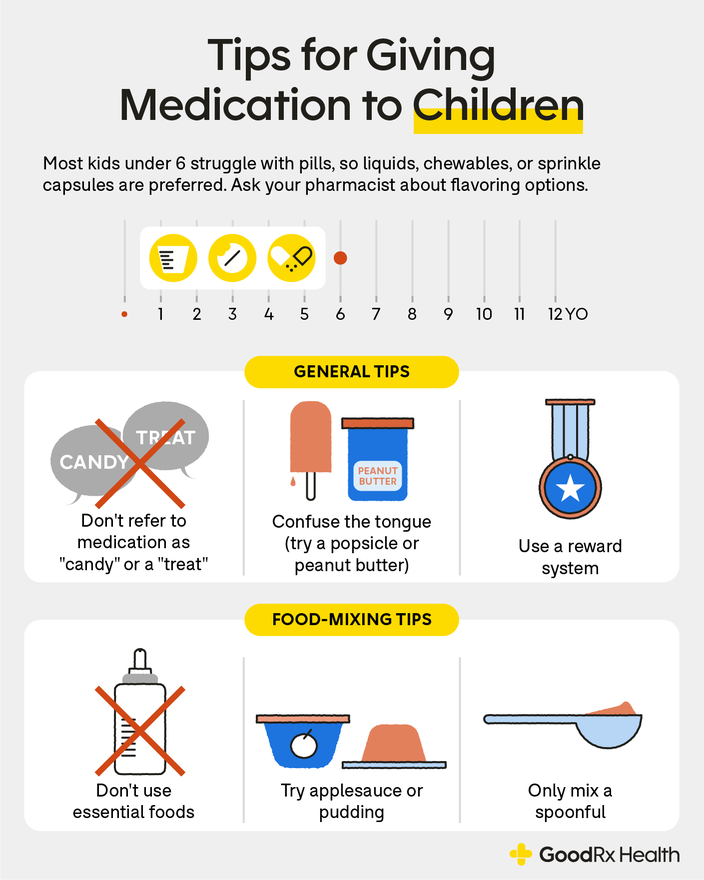
Image Source: www.grxstatic.com
Parent’s Guide: How To Get A Toddler To Take Liquid Medicine
Giving liquid medicine to a toddler can be a big challenge. Many parents ask, “What is the best way to administer liquid medicine to a toddler?” The best way often involves a mix of careful planning, using the right tools, and staying calm. You might also wonder, “How to give medicine to a reluctant toddler?” This often means making the medicine taste better or using clever distraction ideas. And what about “toddler spitting out medicine solutions”? Solutions include giving small amounts, aiming for the cheek, and staying patient. This guide will help you give your little one their medicine with less stress for everyone.
The Big Challenge: Why Toddlers Fight Medicine
Toddlers are small people with big feelings. They also like to be in charge. When it comes to medicine, they often put up a fight. This is normal. There are many reasons why they may refuse. Knowing these reasons can help you find good toddler medicine refusal tips.
Reasons for Medicine Refusal
- Bad Taste: Many liquid medicines do not taste good to a toddler. They might be bitter, chalky, or just strange.
- Odd Texture: Some medicines feel thick or gritty. This can surprise or upset a sensitive toddler.
- Fear of the Unknown: A syringe or spoon coming towards their mouth can look scary. They might not like the idea of something new.
- Lack of Control: Toddlers want to decide things. Being forced to take medicine takes away their control. This can make them dig in their heels.
- Feeling Sick: When a child feels bad, they are often grumpy. This makes them less open to anything new or unpleasant.
- Past Bad Times: If taking medicine was hard before, they might remember it. This can make them fight even more next time.
Early Steps Before Giving Medicine
Getting ready before you start can make a big difference. This includes picking the right medicine and having your tools ready. It also means setting a calm mood. This helps create a stress-free toddler medicine administration plan.
Choosing the Right Medicine
Some medicines come in different forms or flavors. Talk to your doctor or pharmacist about these choices.
- Flavors: Many medicines now come in fruit flavors like grape or cherry. Ask if a different flavor is an option for your child’s medicine. This can make
making liquid medicine palatable for toddlersmuch easier. - Concentration: Some medicines come in different strengths. A stronger medicine means you give less liquid. This can be very helpful for a child who hates the taste. Ask your doctor if a higher-strength version is safe for your child.
- Type of Medicine: For some problems, medicine might come as a chewable tablet or even a suppository. These are not always options for toddlers, but it’s worth asking.
Gather Your Tools
Having the right tools ready makes the job easier and faster.
- Oral Syringes: These are often the best choice. They let you give a small, exact amount. They also help you put the medicine past the taste buds. We will talk more about
toddler medicine syringe techniquessoon. - Medicine Droppers: These are like small syringes, good for very small doses, like for infants. For toddlers, a syringe is usually better.
- Medicine Spoons: Some spoons have marks for exact doses. These can work for older toddlers who are more willing. But they can be messy.
- Small Cups: For very cooperative toddlers, a small cup might work. This is rare for a true “fussy” toddler.
- A Towel or Bib: Have one nearby for spills or dribbles.
- A Drink and a Chaser: A favorite drink (water, juice, milk) for after the medicine can help wash away the taste. A small treat can also help.
Setting the Scene: Keep It Calm
Your mood can affect your toddler’s mood. Try to stay calm and positive.
- Be Ready: Have everything out and ready. Don’t fumble around. This tells your child you are in control.
- Talk Simply: Use simple words to tell your child what is happening. “Time for your yummy medicine. It will help you feel better.”
- No Big Deals: Try not to make a huge fuss. If you are stressed, your child will sense it.
- Choose the Right Time: Avoid giving medicine when your child is very tired or very hungry. If possible, pick a moment when they are fairly happy.
Proven Ways to Give Medicine
There are many tricks for giving toddler medicine. What works for one child might not work for another. Try a few of these ideas to see what helps your child. These methods aim for stress-free toddler medicine administration.
The Direct Approach (and How to Make It Work)
This is often the best way to administer liquid medicine to toddler if done right. It’s quick and ensures your child gets the full dose.
- Use an Oral Syringe: This is key. It helps you control the flow.
- Aim for the Cheek: Do not squirt medicine straight down the throat. This can cause choking. Instead, put the syringe tip into your child’s mouth, aiming towards the back of one cheek. This bypasses many taste buds and makes it harder to spit out.
- Small Squats, Slow Push: Push the plunger slowly. Give small amounts at a time. Let your child swallow each bit before giving more. If you give too much at once, they might gag or spit it out.
- Head Position: Hold your child slightly upright. This helps them swallow and prevents choking.
- Keep Chin Up (Gentle): A very gentle lift of the chin can sometimes help with swallowing. Do not force their head back.
- Pinch Nose (Last Resort): For very stubborn toddlers, a very brief, gentle pinch of the nose can make them open their mouth to breathe. This usually causes them to swallow. Release the nose as soon as they swallow. This should be a rare last resort.
Toddler Medicine Syringe Techniques
Here are more details on using a syringe effectively:
- Measure Carefully: Always use the syringe that comes with the medicine or one from the pharmacy. Use the exact dose your doctor told you.
- Draw Up Air First (Optional but Helpful): If the medicine is thick, you can pull a little air into the syringe before drawing up the medicine. This helps push out all the medicine when you give it.
- Position Your Child: Hold your child on your lap, facing sideways or slightly angled. Or have another adult gently hold them.
- Insert Syringe: Gently slide the tip of the syringe into the side of their mouth, between their gums and cheek, aiming towards the back. Do not put it on their tongue.
- Slow and Steady: Push the plunger slowly, giving small amounts. Let your child swallow between pushes. You might need to pause and wait for them to swallow.
- After-Medicine: Have a drink ready for them right after to help wash away the taste.
Making Medicine Taste Better
Sometimes, the taste is the biggest hurdle. These ideas help with making liquid medicine palatable for toddlers.
- Chill It: Some medicines taste better when cold. Store it in the fridge if the label says it’s okay. Check with your pharmacist first.
- Flavoring Kits: Some pharmacies offer flavoring services. They can add a safe, kid-friendly flavor to the medicine. Ask your pharmacist if this is an option.
- Mix with a Strong Taste (Small Amount!): This is different from hiding medicine. You can mix a very small amount of medicine (check with your pharmacist first!) with a strong-tasting food or drink. This might be a teaspoon of applesauce, yogurt, or a favorite juice. The key is “very small amount” of the mixer, so they eat/drink it all quickly.
Clever Ways to Hide Medicine
Disguising medicine in food for toddlers can be a good trick. But you must be careful.
- Always Ask Your Doctor/Pharmacist First: Not all medicines can be mixed with food or drink. Some might become less effective. Some might have bad reactions. Always ask first.
- Use a Small Amount of Food: The food should be just enough to hide the medicine. You want your child to eat all of it. If they don’t finish the food, they don’t get the full dose of medicine.
- Good Mixing Foods:
- Applesauce: Smooth and sweet.
- Yogurt: Creamy and often fruity.
- Pudding: Sweet and thick.
- Chocolate Syrup: For very bitter medicines, a tiny bit of chocolate syrup can work.
- Jam or Jelly: A small spoonful.
- Good Mixing Drinks:
- Juice: Strong flavors like grape or apple juice.
- Milk or Formula: Only if safe for the medicine. Some medicines react with dairy.
- Never Mix in a Whole Bottle/Bowl: Do not put medicine in a whole bottle of milk or a big bowl of cereal. Your child might not finish it, and then you won’t know how much medicine they got.
- Consider the Spoon: If mixing, use a spoon your child likes or a special “medicine spoon.”
Using Distraction and Play
Distraction is a great way of getting a fussy toddler to take medication. It takes their mind off the unpleasant task.
- Sing a Song: Sing a favorite short song while you give the medicine.
- Play a Game: “Let’s see how fast you can swallow!” or “Can you make a funny face after?”
- Use a Toy: Have a favorite toy hold the “medicine” (empty syringe) for them first. Or use a puppet to talk to your child.
- Watch a Video: For some kids, a quick 30-second video clip on a phone can be a strong distraction.
- Count to Ten: Distract them by counting, or have them count with you if they are old enough.
- Offer a Choice (If Possible): “Do you want to take your medicine sitting here or on the couch?” “Do you want water or juice after?” Giving a small choice gives them some control back.
The ‘Spit-Out’ Solution
It happens. Your toddler spits out the medicine. This is where toddler spitting out medicine solutions come in. Don’t panic.
- How Much Was Lost?: Try to guess how much they spit out. If it was a small amount, you might try to give a small top-up dose. If it was a lot, you might need to give the full dose again.
- Wait and Try Again: Give them a minute or two to calm down. Clean up the mess. Then try again using a slightly different approach or more distraction.
- Smaller Doses: If they spit out a full dose, try giving half the amount, wait for them to swallow, then give the other half.
- Don’t Scold: Scolding them will only make them more upset and less willing. Stay calm and positive.
- Consult Doctor if Repeated: If your child keeps spitting out medicine and you can’t get them to take any, call your doctor. They might suggest a different form of medicine or a different strategy. This is part of
how to give medicine to a reluctant toddlerwhen facing repeated refusal.
Tools for Giving Medicine
Choosing the right tool can make a big difference in toddler medicine syringe techniques and overall ease.
| Tool Type | Best For | Pros | Cons | Tips for Use |
|---|---|---|---|---|
| Oral Syringe | Exact doses, bypassing taste buds, quick delivery | Accurate, easy to aim, less mess | Can be scary for some toddlers | Aim for cheek, slow push, small amounts |
| Medicine Dropper | Very small doses (e.g., infants, tiny amounts) | Good for precise, very small drops | Can be harder to control large amounts, messy if spilled | Insert into cheek pocket, release slowly |
| Medicine Spoon | Cooperative toddlers, thicker medicines | Familiar for eating, often comes with medicine | Easy to spill, can be messy, harder to get full dose | For cooperative kids, follow immediately with a drink |
| Medicine Pacifier | Babies and young toddlers who use pacifiers | Delivers medicine through pacifier, comforting | Only works if child uses pacifier, not for all medicine types | Ensure medicine flows correctly, hold upright |
| Small Cup/Shot Glass | Older, very cooperative toddlers | Feels more grown-up, less intimidating than syringe | Very easy to spill, hard to ensure full dose, not for reluctant kids | Only use if child is willing to sip it all at once |
Things to Remember for Success
Having a plan and a calm mindset are key. These tips can help with stress-free toddler medicine administration.
Stay Calm and Positive
Your child picks up on your feelings. If you are stressed, they will be too. Take a deep breath. Speak in a calm, soothing voice.
Be Quick and Decisive
Once you decide to give the medicine, do it. Don’t drag it out. A quick, smooth process is less stressful for everyone.
Offer Choices (When You Can)
Toddlers love choices. “Do you want to take your medicine in the living room or the kitchen?” “Do you want water or juice after?” Giving them a tiny bit of control can make them more willing.
Reward Good Behavior
After they take the medicine, praise them loudly! “Good job! You did it!” Offer a small reward like a sticker, a favorite song, or a few minutes of special play. This creates a positive link with taking medicine.
Never Lie About Medicine
Do not tell your child the medicine is candy or juice if it’s not. This breaks trust. It can also make them scared of real candy or juice later. Be honest, even if it’s hard. “This medicine tastes yucky, but it will help you feel better.”
Don’t Force Too Much
While a gentle, firm approach might be needed, avoid holding your child down tightly or forcing their mouth open with a lot of pressure. This can make them scared and lead to a bigger fight next time. If they are fighting very hard, try a different method, or take a short break and try again.
Get Help If Needed
If you are a single parent or struggling, ask for help. A partner, grandparent, or trusted friend can help hold the child gently or distract them. Two adults can make the process much smoother.
Keep a Medicine Log
Write down when you gave the medicine, how much, and how your child reacted. This helps you track doses and remember what works (or doesn’t).
When All Else Fails: Talk to Your Doctor
If you have tried everything and your toddler still won’t take their liquid medicine, it’s time to call your doctor or pharmacist.
- Different Forms: They might be able to prescribe the medicine in a different form, like a chewable tablet (if your child is old enough) or a suppository.
- Compounding Pharmacy: Some medicines can be made by a special pharmacy (a compounding pharmacy) into a different flavor or form that is easier to take.
- Lower Dose, More Often: Sometimes, giving a lower dose more often can be easier than a big dose less often. Your doctor can advise if this is safe for the medicine.
- Re-evaluation: In some cases, if a medicine is truly impossible to give, your doctor might need to rethink the treatment plan.
Remember, you are not alone in this struggle. Many parents face this issue. Stay patient, be creative, and celebrate the small wins. Your goal is to help your child get better, and you are doing a great job.
Frequently Asked Questions (FAQ)
Can I mix my toddler’s medicine with milk or formula?
Answer: You should always ask your doctor or pharmacist before mixing medicine with milk or formula. Some medicines can react with dairy products, making them less effective or changing how they are absorbed. If it’s safe, only mix a tiny amount in a small cup, not a whole bottle, to make sure your child drinks all of it.
What if my toddler throws up the medicine right after taking it?
Answer: If your toddler throws up the medicine right away (within 10-15 minutes), they likely didn’t get the full dose. Call your doctor or pharmacist. They can tell you if you should give another full dose, a partial dose, or wait. Do not guess, as giving too much medicine can be dangerous.
How long should I wait if my toddler spits out medicine before trying again?
Answer: If your toddler spits out the medicine, give them a minute or two to calm down and clean up. Then, try again with a fresh dose. You might try a different strategy, like distraction or a smaller, slower push with the syringe. Don’t wait too long if the medicine needs to be given at a certain time.
Is it okay to use a chocolate syrup or strong-flavored food to hide bitter medicine?
Answer: Yes, this can be a good trick for disguising medicine in food for toddlers. However, you must always ask your doctor or pharmacist first to ensure the medicine is safe to mix. Use only a very small amount of chocolate syrup, applesauce, or yogurt – just enough to hide the medicine – and make sure your child eats the whole spoonful quickly.
My toddler cries and fights every time. How can I make medicine time less scary for them?
Answer: Focus on making the experience predictable and positive. Use simple words to explain what’s happening. Offer small choices. Use distractions like singing or a favorite toy. Most importantly, give lots of praise and a small reward (like a sticker or a favorite book) immediately after they take it. This helps build a positive memory around medicine time. Consistency and calm reactions from you are key for stress-free toddler medicine administration.