
Does your toddler fight taking medicine? Do you wonder how to get a child to take antibiotics? Many parents face this common problem. Toddler medicine refusal is a big challenge. Children often dislike the taste or feel of medicine. This makes administering liquid medication to children tough. This guide will share expert tips to help you. We will make medicine time easier for toddlers.
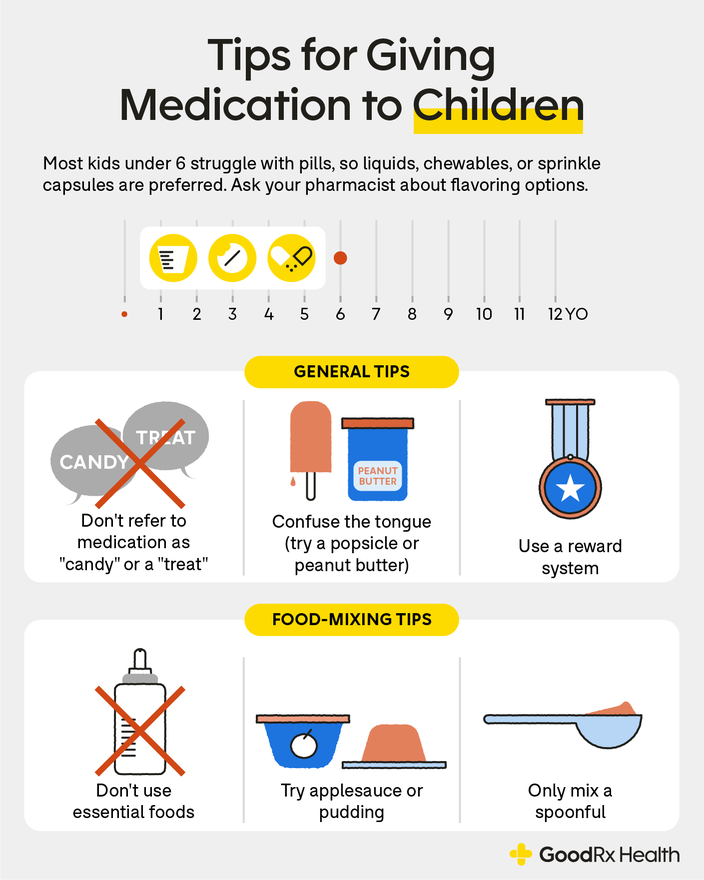
Image Source: www.grxstatic.com
Why Toddlers Push Back on Medicine
Giving medicine to toddlers can be hard. They might not like the taste. Or they might not like the feel of it. They also want to be in charge. This is a normal part of growing up.
Sensing Trouble: Taste, Smell, and Feel
Most medicines do not taste good. They can be bitter or sour. Toddlers have many taste buds. They are more sensitive to tastes than adults. Medicine might smell funny too. Some kids do not like thick liquids. Some do not like thin ones. These things make them say “no.”
Wanting Control: A Big Little Person
Toddlers learn to say “no.” They want to choose things. Being told to take medicine takes away their control. This can make them angry. They may try to run. They may push it away.
Feeling Afraid: It’s New and Scary
Kids might be scared. They might not know what the medicine is. A bad past experience can make them fear it. Needles or doctor visits can make them worry. This fear links to medicine.
Getting Ready: Your First Step to Success
Good planning makes a big difference. Be ready before you start. This can help prevent a fight.
Gather All You Need
Have everything ready. Get the medicine. Get the tool you will use. A syringe works well. Maybe a small cup or spoon. Have water or a treat ready. This helps for after the dose.
| Item | Purpose |
|---|---|
| Medicine | The main item |
| Syringe/Dropper | For measuring and giving |
| Small cup | For water or juice for after |
| Favorite toy | To distract or comfort |
| Reward | Sticker, small treat for good job |
| Paper towel | For any spills |
Check the Label: How Much? How Often?
Always read the label. Know the right dose. Know how often to give it. Check if it needs food. See if it needs to be cold. Do not guess. Ask your doctor or chemist if you are not sure.
Pick the Best Time
Choose a calm time. Do not try when your child is tired. Do not try when they are hungry. Or when they are very upset. A good time might be after a story. Or before a favorite show. This helps them be more open.
Smart Ways to Give Medicine
Many ways work for administering liquid medication to children. A syringe is often best. It helps you give the right amount. It also helps you get it past their taste buds quickly.
Using a Syringe for Toddler Medicine
A syringe is a great tool. It makes giving medicine easy. It helps you measure the dose correctly.
- Measure Right: Pull the plunger back. Fill the syringe to the correct line. Take out any big air bubbles.
- Position Your Child: Hold your child close. Sit them up. Put them in your lap. Make sure their head is a bit tilted back. Their arms should be held gently. This stops spills.
- Place the Syringe: Put the syringe inside their mouth. Aim for the side of their cheek. Point it toward the back. Do not point it at their throat. This can make them choke.
- Slow and Steady: Push the plunger slowly. Give small amounts at a time. Let them swallow each bit. Go at their pace. Do not rush them.
- Small Sips After: Have water ready. Or a small bit of juice. Give it right after the medicine. This helps wash away the taste.
Spoon, Dropper, or Cup?
Different tools work for different kids.
* Spoon: Some kids like a spoon. It feels normal. But spills happen easily.
* Dropper: Good for very small doses. Similar to a syringe for placement.
* Medicine Cup: Works for older toddlers. They can sip it themselves. This gives them some control.
Tricking the Taste Buds: Disguising Medicine Taste for Kids
The bad taste is often the biggest problem. Here are ways to make medicine taste better. Or to hide it.
Mix it Up (Carefully!)
You can mix medicine with food or drink. But be very careful. Ask your doctor or chemist first. Some medicines do not mix well. Mixing might change how the medicine works. Or it might make it less strong.
Things to Mix With (Ask First!):
* Small amount of juice: Apple juice often works.
* Yogurt: Creamy foods can hide taste.
* Applesauce: A good, soft food for mixing.
* Pudding: Another creamy option.
Things NOT to Mix With:
* Big amounts of food/drink: Your child must eat all of it. If they do not, they miss part of the dose.
* Hot foods/drinks: Heat can change some medicines.
* Milk or formula: Some medicines do not mix well with milk. This can make them less strong.
The Cold Trick
Cold can make taste buds less active. Try putting the medicine in the fridge. Or offer it with a small ice pop after. The cold dulls the bad taste.
Follow with a Favorite
Have a favorite food or drink ready. A small sip of juice. A piece of fruit. A mini cookie. Give it right after the medicine. This helps wash away the bad taste. It gives them something good to think about.
When They Fight Back: Dealing with Toddler Spitting Out Medicine
It is very common for toddlers to spit out medicine. It can be messy. It can be frustrating. Stay calm. Your child feels your stress.
Keep Calm and Try Again
Do not yell. Do not get angry. A calm parent helps a calm child. If they spit it out, clean it up. Try again if you need to.
Do You Need to Give More?
This is a key question. It depends on how much they spit out. And how much time has passed.
* Spit out right away, most of it: You probably need to give another dose.
* Spit out a little, most went down: You might not need to give more.
* Wait and see: If you are not sure, call your doctor. They can tell you what to do. Never give extra medicine without asking.
Do Not Force It
Trying to force medicine can make things worse. It can make your child fear medicine more. It can harm your bond. It can make them choke. If they are fighting hard, take a break. Try again in a few minutes. Maybe change your approach.
Making Medicine Time Easier for Toddlers: Positive Reinforcement
Positive reinforcement for taking medicine is powerful. It means praising good actions. It means giving small rewards. This helps kids want to do it again.
Praise, Praise, Praise!
Even if they only take a tiny bit, praise them. Say, “Good job! You tried!” Use lots of happy words. “Wow! You are so brave!” This makes them feel proud.
Sticker Charts and Small Rewards
A sticker chart can work wonders. Every time they take medicine, they get a sticker. When they get a certain number of stickers, they get a small reward.
* A new small toy
* Extra story time
* A special snack
* A trip to the park
| Reward Type | Examples | Why it works |
|---|---|---|
| Tangible (small) | Stickers, bubbles, crayons | Gives a clear, quick prize |
| Experience | Extra story, dance party, park visit | Creates positive memories around medicine |
| Social (praise) | “Good job!”, hugs, high-fives | Builds confidence and connection |
Make it a Game
- “Choo-Choo Train”: Make the spoon or syringe a train. “Open the tunnel!”
- “Count to Three”: Tell them you will give it on “1, 2, 3!” This gives them warning.
- “Doctor Play”: Let them give medicine to a doll or teddy bear first. This helps them practice. It also gives them control.
Let Them Choose (a Little)
Offer small choices. “Do you want to take it with the blue spoon or the red one?” “Do you want water or juice after?” This gives them some say. It makes them feel less forced.
Special Cases: How to Get Child to Take Antibiotics
Antibiotics are special. Your child must take all of them. Even if they feel better. Stopping early can make the sickness come back. Or it can make the medicine not work next time.
Stress the Whole Course
Explain simply: “This medicine makes all the bad bugs go away. We need to take all of it. Then you will be super strong.” Use a calendar or sticker chart. Mark off each dose. Show them how many are left. Celebrate when they finish the whole bottle.
Keep the Routine
Give antibiotics at the same time each day. This helps you remember. It also helps your child know what to expect. Routine makes things feel safer for kids.
Patience is Key
Antibiotics often last a long time. It can be days or weeks. Keep using all the tips above. Keep praising. Keep giving rewards. Do not give up. Your child’s health depends on it.
Other Helpful Tips for Fussy Toddlers
Tips for giving medicine to fussy toddlers are always useful. Every child is different. Try a few things. See what works best for your child.
Be Honest
Tell them it might not taste good. But say it will help them feel better. “It tastes yucky, but it helps your tummy feel good.” This builds trust.
Get a Friend Involved
Sometimes a favorite toy helps. Let their teddy bear take medicine first. Or have a doll watch. This can be a comfort. It can also be a distraction.
Stay Positive
Your attitude matters. If you are stressed, they will feel it. Act calm. Be confident. Smile. Tell them they are doing a great job.
After the Medicine
After the medicine is done, do something fun. Read a book. Play a game. This helps them link medicine time with good things. It ends the experience on a happy note.
When to Call the Doctor
Sometimes, despite your best efforts, medicine is hard to give.
* Can’t give any dose: If your child spits out every dose. Or refuses to take any.
* Vomiting: If they throw up the medicine right away.
* Not getting better: If they are still very sick.
* New symptoms: If they get new problems.
* Not sure about dose: If you are unsure about how much to give.
Always call your doctor or chemist if you have questions. They are there to help.
Summary: Making Medicine Time Easier
Giving medicine to a toddler is a common struggle. But you can make it easier. Plan ahead. Use the right tools, like a syringe. Try to hide bad tastes. Deal with spitting calmly. Use praise and small rewards. Remember, consistency is key. Your child will learn. They will see that medicine helps them feel better. With patience and good tricks, you can help your little one get well.
Frequently Asked Questions (FAQ)
How can I make medicine taste better for my toddler?
You can try cooling the medicine in the fridge. Offer a small sip of juice or a favorite snack right after. With your doctor’s okay, you can mix it with a very small amount of yogurt, applesauce, or juice. Make sure they eat all of it.
What is the best way to give liquid medicine to a squirmy toddler?
Sit your child upright on your lap. Hold their head gently. Use a syringe. Put it in the side of their mouth, toward the back of the cheek. Push the plunger slowly. Give small amounts. Let them swallow each time.
My toddler keeps spitting out medicine. What should I do?
Stay calm. Clean up the mess. If they spit out most of the dose right away, you might need to give it again. Call your doctor or chemist if you are not sure. Never force the medicine. Try again in a few minutes.
How do I get my child to take antibiotics for the full course?
Explain simply that the medicine makes them healthy. Use a sticker chart. Mark off each dose. Give a small reward for finishing all the medicine. Keep the routine the same each day. Praise them often.
What are some good rewards for taking medicine?
Small rewards work best. Stickers, bubbles, a new crayon, or extra story time. Praise and hugs are also very important. Make medicine time lead to something fun.