
Getting a toddler to sleep can be a tough job. When your little one is overtired, it feels even harder, sometimes even impossible. You might wonder, “What is an overtired toddler?” or “Why does being tired make sleep so difficult?” Basically, when toddlers get too tired, their bodies actually kick into high gear. Instead of winding down, they get a rush of stress hormones like cortisol and adrenaline. This makes them hyper, wired, fussy, and resistant to sleep, creating a tricky cycle where the more tired they are, the less they can relax and fall asleep easily. This article will walk you through recognizing the signs of overtiredness and offer gentle, practical steps to help your little one (and you!) find peaceful sleep again.
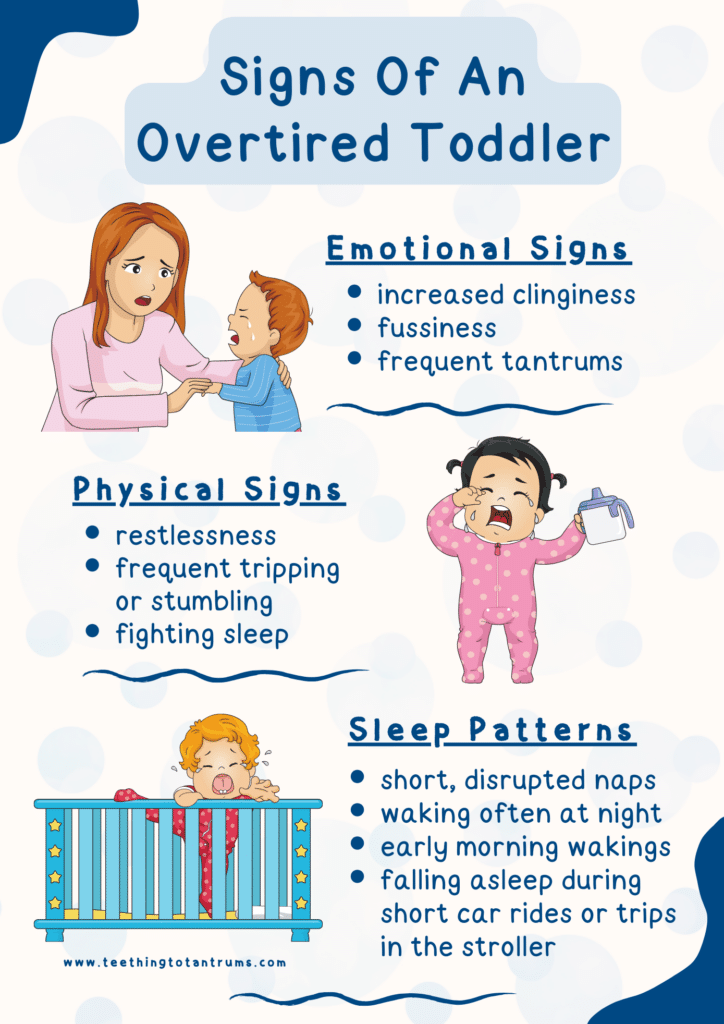
Image Source: www.teethingtotantrums.com
Interpreting Overtiredness
When tiny humans get too tired, something funny happens. They don’t just yawn and fall asleep. Their bodies act like they are in danger. They get a burst of energy. This energy is not from being well-rested. It’s from stress hormones.
Imagine your toddler missed their nap. They were playing hard all day. By bedtime, they are rubbing their eyes. They are grumpy. But when you put them in bed, they want to run around. They laugh too loud. They throw their blanket. This is being overtired. Their body is trying to fight the tired feeling. It makes sleep much harder.
Spotting Toddler Overtired Signs
Knowing if your toddler is just tired or overtired is the first step. Overtired signs look different from just needing a nap.
Here are common signs of an overtired toddler:
- Acting Hyper or Silly: Lots of running, jumping, loud talking or laughing. They seem “wired.”
- Getting Cranky or Fussy: Crying easily, meltdowns over small things, whining a lot.
- Clinginess: Wanting to be held constantly, not wanting you to leave the room.
- Rubbing Eyes or Pulling Ears: Classic tired signs, but can be stronger when overtired.
- Arching Back: A sign of being uncomfortable and resistant.
- Difficulty Settling Down: Fighting against being held, rocking, or quiet time.
- Second Wind: Seeming full of energy right when they should be winding down.
- Trouble Staying Asleep: Waking up often during the night or waking too early in the morning.
- Resisting Bedtime More Than Usual: Extreme protest, tantrums, wanting many things before sleep.
- Less Appetite or Picky Eating: Sometimes overtiredness affects how they eat.
It’s important to watch for these signs. Catching them early helps you step in before they get too wired.
Why Toddlers Get Too Tired
Several things can push a toddler past their sleep limit.
- Missed Naps: This is a big one. Nap time struggles toddler are common. Maybe they fought their nap. Maybe you were out and about. Skipping a needed nap almost always leads to overtiredness by bedtime.
- Staying Up Too Late: An inconsistent toddler sleep schedule throws things off. Even 30 minutes past their usual bedtime can be too much for a sensitive system.
- Too Much Excitement: A really fun, busy day with lots of new things, people, or places can be overstimulating. This makes it hard to switch off.
- Changes in Routine: Travel, visitors, or a parent working late can disrupt the usual flow.
- Illness or Teething: Feeling unwell makes it harder to settle and sleep, often leading to overtiredness.
- Sleep Regression Toddler: During growth spurts or learning new skills (walking, talking), toddlers often have periods where sleep gets worse. This can lead to them being more prone to overtiredness.
Dealing with Bedtime Resistance
Toddler sleep problems often show up as bedtime resistance. When they are overtired, this resistance gets much bigger. They might cry, yell, get out of bed many times, or demand endless drinks or stories.
This happens because their body is stressed. They feel uncomfortable. They don’t know how to calm down. Their fight-or-flight response is on. Their brain thinks “stay awake!”
Calming an Overtired Toddler Right Now
When you have an overtired toddler in the moment, you need quick ways to help them calm down. These are gentle steps to lower their stress hormones and signal that it’s time to rest. Helping fussy toddler sleep in this state needs calm from you.
Here are things to try:
- Dim the Lights: Make the room dark or very dim. Bright lights signal daytime.
- Speak Softly: Use a low, calm voice. Sing a quiet lullaby. Whisper.
- Offer Quiet Physical Comfort: Hold them gently. Rock them slowly. Walk with them. A carrier can help some toddlers feel secure.
- Avoid Stimulation: Turn off screens. Put away noisy toys. Don’t tickle or play rough.
- Use White Noise: A fan or a white noise machine can block out distracting sounds and create a peaceful background.
- Keep It Calm and Boring: Don’t try to entertain them. Don’t get frustrated (as hard as that is!). Your calm helps them feel safe.
- Go Back to Basics: If they are fighting the usual routine, just focus on the most basic calming steps: dim lights, quiet holding, soft voice.
- Try a Warm Bath (Sometimes): For some kids, a warm bath helps them relax. For others, it hypes them up more. Know your child.
- Offer a Small, Plain Snack: Sometimes low blood sugar makes fussiness worse. A few plain crackers or a little milk might help, but avoid sugar.
Remember, when they are overtired, they are already stressed. Getting mad or trying harsh methods will likely make things worse. Focus on being their calm center.
Crafting a Calm Bedtime Routine
While calming an overtired toddler in the moment is key, preventing overtiredness is better. A consistent bedtime routine for toddlers is a powerful tool for this.
Why routines work:
- Predictability: Kids thrive on knowing what comes next. A routine signals that sleep is coming.
- Winding Down: It creates a buffer between a busy day and quiet sleep time.
- Lowering Stress: Rituals are calming. Doing the same steps each night lowers anxiety about sleep.
- Setting the Body Clock: Consistency helps regulate their natural sleep-wake cycle.
A good bedtime routine doesn’t need to be long or complicated. It should be quiet, calm, and happen in the same order each night.
Here’s a sample routine:
- Transition Time (5-10 minutes before): Announce bedtime is coming soon. “Five more minutes of playtime, then it’s time for PJs.” This helps them prepare.
- Bath (15-20 minutes): A warm bath can be relaxing. Keep play calm, not wild.
- Pajamas and Diaper/Potty (5 minutes): Get them dressed for bed.
- Brushing Teeth (2 minutes): Part of healthy habits.
- Quiet Time/Reading (10-20 minutes): Sit together in a quiet, dimly lit room. Read calm books. This is a key winding-down step.
- Last Drink of Water/Milk (Optional, small amount): Avoid too much liquid right before bed.
- Cuddles/Lullaby (5-10 minutes): Rocking, hugging, singing softly in the sleep space.
- Into Bed: Say goodnight simply and leave (using your chosen sleep method, if any).
Total time: Around 30-60 minutes. Find what works for your family and stick to it, even on weekends. Starting the routine before they show overtired signs is crucial.
Setting the Toddler Sleep Schedule
A consistent toddler sleep schedule helps prevent overtiredness. Kids need a surprising amount of sleep.
Here is a rough idea of sleep needs for toddlers:
| Age | Total Sleep (approx.) | Night Sleep (approx.) | Nap Sleep (approx.) |
|---|---|---|---|
| 12-18 months | 11-14 hours | 10-12 hours | 1-3 hours (1-2 naps) |
| 18-36 months | 10-13 hours | 10-12 hours | 1-2 hours (1 nap) |
| 3-5 years | 10-13 hours | 10-12 hours | 0-1 hour (optional) |
Data is approximate. Every child is different.
Key parts of a sleep schedule:
- Consistent Bedtime: Try to put them to bed within the same 30-minute window each night. This is the most important part of the schedule.
- Consistent Wake Time: Even on weekends, try not to let them sleep in too late. This helps set their body clock for the next night.
- Prioritizing Naps: Make naps a priority. If nap time struggles toddler are happening, try to find ways to encourage rest, even if it’s just quiet time in their crib. A missed nap often means a rough bedtime.
- Watching Wake Windows: Toddlers can only handle being awake for a certain amount of time before needing sleep.
- 12-18 months: Often 3-4 hours between sleep periods.
- 18-36 months: Often 4-6 hours between waking from nap and bedtime.
- Watch for those early tired signs within these windows. Putting them to bed before they are overtired is key.
When the schedule gets off (like on a busy day), be extra mindful of those overtired signs. You might need to start the bedtime routine a bit earlier.
Fathoming Toddler Sleep Regression
Just when you think you have sleep sorted, sleep regression toddler hits. These are periods where a toddler who was sleeping well suddenly starts having trouble. Common times are around 18 months and 2 years.
Sleep regressions happen for many reasons:
- Big Brain Development: Learning new skills (walking, talking, potty training) keeps their brains buzzing, even at night.
- Separation Anxiety: They might get more anxious about being away from you at night.
- Testing Limits: They learn they can ask for things or get out of bed.
- Changes: Moving to a new bed, a new sibling, or starting daycare can affect sleep.
Overtiredness makes sleep regressions much worse. A child already struggling with sleep due to a regression will become very difficult to get to sleep if they also miss a nap or stay up too late.
How to handle regression and overtiredness:
- Stick to the Routine: Consistency is extra important during regression. Don’t let the routine fall apart.
- Offer Comfort (Gently): Acknowledge their fears (separation anxiety) but guide them back to sleep gently.
- Maintain the Schedule: Protect nap time and bedtime fiercely. Even if naps are short, try to get them some rest.
- Be Patient: This phase passes. Your calm presence helps.
Gentle Sleep Methods Toddler
Helping fussy toddler sleep when they are overtired requires a gentle approach. Gentle sleep methods toddler focus on supporting your child’s ability to sleep independently while still providing comfort and security. They avoid methods that require leaving a child to cry alone for long periods, especially when they are already distressed from being overtired.
Principles of gentle sleep methods:
- Focus on Connection: Respond to your child’s needs while guiding them towards sleep.
- Gradual Changes: Make slow, small changes to sleep habits.
- Parental Presence: Stay nearby as your child learns to fall asleep, gradually reducing your presence.
- Consistency: Apply the method consistently.
- Patience: Results take time, especially with overtiredness.
Examples of gentle methods (simplified):
- The “Chair” Method: You sit on a chair next to the crib/bed until they fall asleep. Over days/weeks, you slowly move the chair closer to the door and eventually out of the room.
- Pick Up, Put Down (for younger toddlers): If they are crying, pick them up to soothe briefly, then put them back down awake as soon as they are calm. Repeat as needed.
- Fading: Gradually reduce the amount of help you give them to fall asleep (e.g., less rocking, shorter back pats).
When dealing with an overtired toddler, forcing independence with any method will be extra hard. You might need to use more immediate calming techniques first before trying a gentler sleep method. The goal is to calm the stress response first.
Making the Bedroom Sleepy
The sleep environment plays a big role in helping a toddler settle, especially an overtired one.
- Darkness: Make the room as dark as possible. Use blackout curtains. Even small amounts of light can be stimulating.
- Temperature: A slightly cool room is best for sleep (around 68-72°F or 20-22°C).
- Quiet: Use white noise or a fan to block out household noises. This creates a consistent, soothing sound.
- Safety: Ensure the crib or bed is safe and clutter-free.
- Positive Association: The bedroom should be a place for sleep and quiet time, not punishment.
Food, Drink, and Sleep Time
What and when your toddler eats and drinks matters for sleep.
- Avoid Sugar and Caffeine: No sugary snacks, drinks, or caffeine (found in some juices or chocolate) close to bedtime.
- Timing of Meals: Avoid sending them to bed hungry, but also avoid a large meal right before sleep. A small, calming snack about an hour before bed (like yogurt, banana, or a few crackers) can be helpful.
- Last Drink: Offer a drink before brushing teeth. Avoid leaving sippy cups of milk or juice in the crib, as this can cause cavities. Water is okay.
Asking for Help
Most toddler sleep problems, including overtiredness, can be managed with consistency and the strategies above. However, sometimes it’s good to ask for help.
Consider talking to your pediatrician if:
- Your child snores loudly or pauses in breathing during sleep.
- Sleep problems are affecting their health or development.
- The overtiredness and sleep resistance seem extreme or are getting worse despite trying these methods.
- You suspect an underlying medical issue.
A pediatrician can check for things like sleep apnea, restless legs syndrome, or other issues that might need treatment. They can also recommend a sleep consultant if needed.
Summary and Encouragement
Getting an overtired toddler to sleep is one of the most challenging parenting tasks. Their tiny bodies and brains struggle to switch off when they are pushed past their limit.
Remember these key points:
- Learn to recognize your toddler overtired signs early.
- Focus on calming first when they are already overtired. Gentle touch, quiet voice, dim lights. Helping fussy toddler sleep needs a calm approach.
- Prevent overtiredness by sticking to a consistent toddler sleep schedule and prioritizing naps (dealing with nap time struggles toddler gently).
- A consistent bedtime routine for toddlers is essential for signaling sleep time.
- Toddler sleep problems and bedtime resistance are common, especially when they are overtired. Stay calm and consistent in your response.
- Understand that sleep regression toddler phases are normal but require patience and consistency.
- Use gentle sleep methods toddler to support their ability to fall asleep.
It takes time and patience. There will be tough nights. Be kind to yourself. You are not alone in this struggle. By consistently applying these strategies, you can help your overtired toddler find the path to peaceful sleep, benefiting the whole family.
Frequently Asked Questions (FAQ)
Q: How long should a toddler stay awake between nap and bedtime?
A: This varies by age. For 18-36 months, it’s usually 4-6 hours. Watch for tired signs within this window, not just at the end.
Q: What is a good bedtime for a toddler?
A: Most toddlers do best with a bedtime between 6:30 PM and 8:00 PM. An earlier bedtime often prevents overtiredness and can surprisingly lead to later wake-ups. Putting them to bed too late almost always leads to them being overtired.
Q: My toddler fights their nap every day. What should I do?
A: Nap time struggles toddler are very common. First, ensure they aren’t undertired (put down too early). Second, ensure they aren’t overtired (put down too late after missing the window). If they still fight, prioritize “quiet time” in their sleep space. Even if they don’t sleep, resting quietly in a dark room helps recharge their system and prevent overtiredness at bedtime.
Q: Should I let my overtired toddler skip their nap?
A: Generally, no. Skipping a nap is a main cause of overtiredness at bedtime. Even a short nap or quiet rest is better than none.
Q: My toddler gets out of bed constantly. Is this an overtired sign or bedtime resistance?
A: It can be both. Overtiredness makes bedtime resistance (dealing with bedtime resistance) much worse. They might get out of bed because they are wired, uncomfortable, or testing limits. Stick firmly and calmly to your rule of staying in bed, guiding them back gently each time.
Q: How long does it take to fix overtiredness?
A: It takes consistency. You might see small improvements in a few days with consistent schedules and routines. Full adjustment and breaking the overtired cycle can take a week or two of dedicated effort. Be patient.