
Can you improve your tackling in football? Yes, absolutely! Mastering tackling in football is achievable through dedicated practice, understanding proper tackling technique, and focusing on key principles. This comprehensive guide will walk you through every facet of becoming a formidable tackler, from the foundational elements of tackling form to advanced strategies for dominating on the defensive side of the ball.
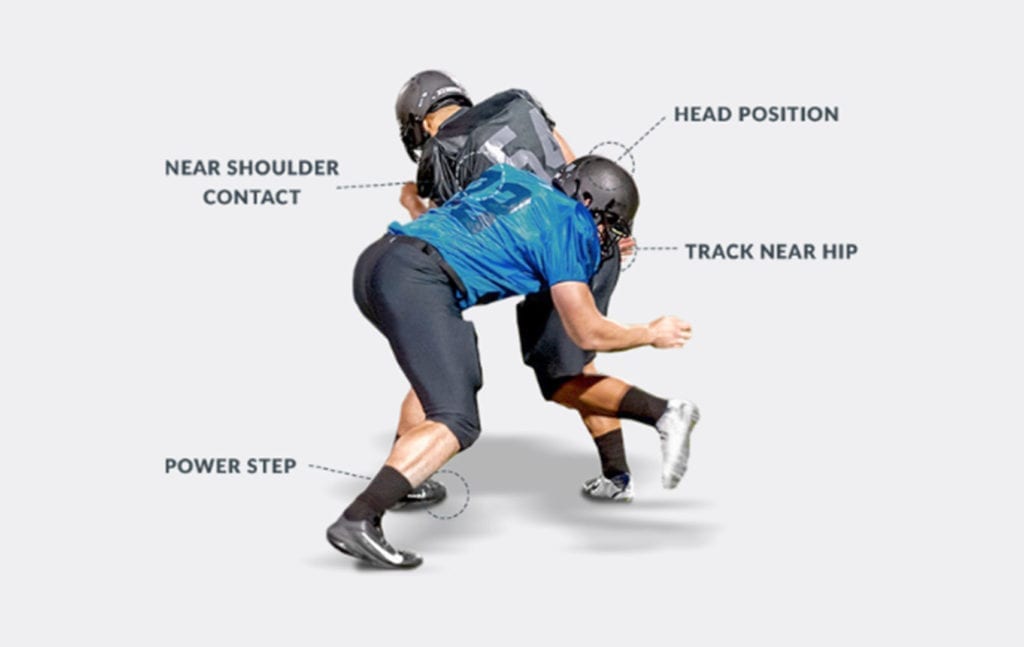
Image Source: atavus.com
The Core of Defensive Tackling: What You Need to Know
When it comes to defensive tackling, the goal is to bring down an opponent carrying the football safely and effectively. It’s not just about brute force; it’s a skill that requires precision, timing, and a deep knowledge of leverage tackling and body positioning tackling. Poor tackling can lead to missed tackles, injuries, and giving up crucial yardage. Conversely, excellent tackling wins games.
Developing Strong Tackling Fundamentals
Tackling fundamentals are the building blocks of a great tackler. Without a solid base, advanced techniques will be difficult to execute and often unsafe. Focus on these core elements:
- Vision and Recognition: The first step is seeing the ball carrier. You need to read your keys – offensive linemen, the quarterback, and the running back’s path. This allows you to anticipate their movements and start your approach early.
- Pre-Snap Assessment: Before the play even starts, try to identify potential threats. What formation are they in? Who is the primary ball carrier? Knowing this information gives you a head start.
- Proper Approach: Your approach to the ball carrier is critical. You want to close the distance quickly but under control. Avoid charging wildly. Think of it as a controlled sprint, with your eyes focused on the target.
Mastering Proper Tackling Technique
The way you make contact is paramount. Proper tackling technique ensures efficiency and minimizes the risk of injury for both the tackler and the ball carrier.
The “Hit and Wrap” Method
This is a fundamental and highly effective tackling technique. It emphasizes bringing the ball carrier down safely while maintaining control.
- Eyes Up, Head Up: Always aim to keep your head up and your eyes on the ball carrier’s hips or thighs. This is non-negotiable for safety and effectiveness. Never lead with your head.
- Low and Powerful Drive: Get your body low. Your shoulder pads should be driving through the ball carrier’s legs or midsection. This creates leverage and stability.
- Wrap Up: As you make contact, wrap your arms around the ball carrier’s legs and waist. This prevents them from breaking tackles and allows you to drive them to the ground.
- Drive Through: Don’t stop at contact. Continue to drive your legs and push through the ball carrier, forcing them down.
Leverage Tackling: Using Your Body to Your Advantage
Leverage tackling is about positioning your body to gain an advantage over the ball carrier. It’s about using your weight and momentum effectively.
- The Angle of Attack: Attack the ball carrier at an angle that allows you to get your shoulder into their body and your arms around their legs. A head-on tackle often results in the ball carrier running through you.
- Inside Leverage: When tackling from the outside, aim to get your body between the ball carrier and the sideline. This forces them to cut back or go down.
- Outside Leverage: When tackling from the inside, aim to drive the ball carrier towards the sideline.
Body Positioning Tackling: The Foundation of a Secure Tackle
Your body positioning tackling dictates your ability to execute a successful tackle.
- Stance: Maintain a balanced, athletic stance. Knees bent, back straight, and weight distributed evenly. This allows for quick changes in direction and explosive power.
- Footwork: Your feet are your engine. Practice quick, choppy steps to close the distance and adjust your angle. Avoid long, strides when you are close to the ball carrier.
- Shoulder Placement: Your tackling shoulder should be the one that leads the charge. It’s the primary point of contact.
Essential Tackling Drills for Improvement
Consistent practice through well-designed tackling drills is the key to improving tackling in football. These drills isolate specific aspects of tackling and help build muscle memory.
Drills for Form and Technique
These drills focus on refining your tackling form and ensuring safety.
1. The “Perfect Form” Drill
- Objective: To practice the fundamental “hit and wrap” technique without contact.
- How to Do It:
- Have a partner stand still or move slowly.
- Approach your partner with controlled steps.
- Focus on keeping your eyes up, dipping your shoulder, and wrapping your arms around their waist as if you were tackling.
- Exaggerate the wrap and drive motion.
- Work on bringing your legs through as if you were driving them to the ground.
- Focus: Head up, eyes on the target, strong wrap, driving legs.
2. The “Shark Tank” Drill
- Objective: To practice tackling in a confined space, promoting good footwork and wrap-up.
- How to Do It:
- Mark out a small square (e.g., 5×5 yards).
- One player (the ball carrier) starts in the middle.
- Several tacklers surround the square.
- When the ball carrier moves, one tackler at a time enters the square, approaches, and attempts a controlled “hit and wrap” tackle.
- The ball carrier tries to evade the tackle and stay in bounds.
- Focus: Quick footwork, maintaining balance, controlled aggression, effective wrap.
3. The “Pop-Up” Tackle Drill
- Objective: To practice tackling a moving opponent and immediately getting back to your feet to secure the tackle or make a subsequent play.
- How to Do It:
- One player stands with the ball.
- Another player approaches to tackle.
- The tackler executes a proper tackle.
- Immediately after bringing the ball carrier down, the tackler pushes off the ground and gets to their feet, maintaining control of the ball carrier.
- Focus: Explosive drive, strong wrap, quick recovery, maintaining control.
Drills for Speed and Agility
These drills enhance your ability to close ground and react quickly to the ball carrier.
1. Cone Drills with Tackling Elements
- Objective: To improve footwork, change of direction, and the ability to transition into a tackle.
- How to Do It:
- Set up a series of cones in various patterns (zig-zag, shuffle, sprint).
- At the end of each cone drill, have a stationary bag or a partner who you practice a “hit and wrap” motion on.
- Focus: Agility, responsiveness, smooth transition from movement to tackle.
2. Mirror Drills
- Objective: To practice mirroring the movements of a ball carrier.
- How to Do It:
- Two players face each other. One is the ball carrier, the other is the tackler.
- The ball carrier moves left, right, forward, and backward.
- The tackler mirrors these movements, staying low and in a ready position.
- Periodically, the ball carrier will try to “break” away, and the tackler practices a controlled approach and wrap.
- Focus: Anticipation, footwork, staying in an optimal tackling position.
Drills for Pad Level and Force
These drills emphasize driving through the ball carrier with power.
1. Bag Tackling Drills
- Objective: To practice delivering a forceful tackle and driving through the opponent without the risk of injury.
- How to Do It:
- Use a large, padded tackling bag.
- Approach the bag with proper technique.
- Drive your shoulder into the bag, wrap up, and use your legs to push through.
- Vary the starting position and approach angle.
- Focus: Shoulder pad contact, leg drive, maintaining form under force.
2. The “Chain Tackle” Drill
- Objective: To simulate bringing down a ball carrier who is trying to break tackles.
- How to Do It:
- One player (ball carrier) stands with a football.
- Several tacklers line up behind each other.
- The first tackler executes a proper tackle.
- If the ball carrier is not brought down, the next tackler in line immediately attempts to secure the tackle, wrapping up and driving. This simulates gang tackling and securing the ball carrier.
- Focus: Persistence, securing the tackle, team tackling.
Football Tackling Tips for Continuous Improvement
Beyond drills, several football tackling tips can elevate your game and ensure consistent performance.
Focus on the “Big Muscle” Wrap
Instead of just grabbing at the ball carrier, aim to wrap your arms around their thighs or waist using your biceps and forearms. This provides a stronger, more secure grip.
Maintain Athleticism in Your Stance
Your stance should always be ready to move. Keep your weight forward, knees bent, and a slight bend in your back. Avoid being too upright or too flat-footed.
See the Ball, Not the Player
While you need to track the ball carrier, the ultimate goal is to stop the ball. Train your eyes to focus on the area around the hips and legs, as this is where you’ll make your primary contact.
Drive Through the Target
Don’t let momentum stop when you make contact. Continue to drive your legs and push through the ball carrier, forcing them to the ground. This is crucial for bringing down bigger, stronger runners.
Wrap Up Every Time
There’s no such thing as a “half-tackle.” Always commit to a full wrap. This prevents the ball carrier from gaining extra yardage or breaking free.
Understand Your Angles
Knowing how to angle your tackle is vital. If you are approaching from the outside, try to cut off their path to the sideline. If you are coming from the inside, aim to drive them towards the sideline. This creates a more efficient tackle.
Don’t Lead With Your Head
This is perhaps the most important safety tip. Never lead with your head when tackling. Your head should be up, looking at the ball carrier. Your shoulder pads are your primary contact point.
Practice “Open Field” Tackling
This is where many tackles are missed. Practice tackling in space. This means closing the distance quickly, breaking down, and making a secure wrap.
The Importance of Tackling Safety
Tackling safety is paramount. Improper tackling techniques are a leading cause of injuries in football. Prioritizing safety doesn’t mean being timid; it means being smart and technically sound.
Key Principles for Safe Tackling
- Head Up: As stressed before, keeping your head up is the most critical rule. This prevents neck injuries and allows you to see the tackle develop.
- Shoulder Pad Contact: Aim to make contact with your shoulder pads, not your helmet. This protects your head and neck.
- Break Down: Before making contact, “break down” by lowering your hips and bending your knees. This allows you to absorb the impact and control the tackle.
- Wrap Securely: A good wrap prevents the ball carrier from extending their arms or pushing off you.
Injury Prevention through Technique
- No Spearing: Never intentionally lower your head to strike an opponent with your helmet. This is illegal and extremely dangerous.
- Avoid High Tackles: Tackling too high, especially around the neck or head, puts both players at significant risk of concussion and other serious injuries.
- Low Tackles are Safer: Tackling at the thighs and hips is generally safer and more effective for bringing down the ball carrier.
Advanced Tackling Strategies
Once you’ve mastered the fundamentals, you can incorporate advanced strategies into your game.
The “Cut and Wrap” Tackle
This technique is used when you need to adjust your angle mid-tackle to take away the ball carrier’s best path.
- Approach with Control: Close the distance while maintaining a good stance.
- Read the Ball Carrier’s Movement: As they cut, anticipate their direction.
- Adjust Your Angle: Change your body position to meet their new path, keeping your shoulder low.
- Execute the Wrap: As you make contact, focus on wrapping their legs and driving.
Tackling by Position
While the core principles remain the same, different positions may emphasize slightly different aspects of tackling.
Defensive Linemen
- Power and Penetration: Focus on getting low and driving through the offensive lineman to disrupt the play.
- Shedding Blocks: After engaging a blocker, they must shed the block quickly to get to the ball carrier.
- Tackling in Traffic: Often have to make tackles in crowded situations, requiring quickness and strength.
Linebackers
- Versatility: Need to tackle running backs, receivers, and quarterbacks.
- Open Field Tackling: Frequently are the primary tacklers in the open field.
- Pursuit Angles: Must maintain good pursuit angles to cut off the ball carrier.
Defensive Backs
- Speed and Agility: Crucial for covering receivers and making tackles in space.
- Form Tackling: Must be technically sound to bring down faster players without giving up big plays.
- Tackling Receivers: Often have to tackle wide receivers who can change direction quickly.
Putting It All Together: Improving Tackling in Football
Improving tackling in football is a continuous journey. It requires dedication to practice, a commitment to safety, and a willingness to refine your technique.
Consistency is Key
Make sure you’re practicing these drills regularly. The more you practice, the more instinctive these techniques become.
Film Study
Watch film of yourself and professional players. Analyze what makes a good tackle and what leads to missed tackles. This visual learning can be incredibly powerful.
Physical Conditioning
Stronger legs, a stronger core, and better overall conditioning will directly translate to more effective and safer tackling.
Mental Toughness
Tackling requires a certain amount of mental fortitude. You need to be willing to put your body on the line and make a stop. Develop confidence in your technique.
Frequently Asked Questions (FAQ)
Q1: What is the most important aspect of tackling in football?
A1: While many factors contribute, keeping your head up and using your shoulder pads to make contact is the most critical aspect for tackling safety and effectiveness.
Q2: Can I improve my tackling if I’m not the biggest player on the team?
A2: Absolutely! Technique, leverage, and speed are often more important than sheer size. Proper tackling technique can help smaller players bring down larger opponents effectively.
Q3: How often should I practice tackling drills?
A3: It’s beneficial to incorporate tackling drills into your practice routine regularly. Aim for at least a few times a week, focusing on different aspects each session.
Q4: What’s the best way to tackle a receiver who is fast and elusive?
A4: For fast receivers, focus on closing the distance quickly but under control. “Breaking down” is crucial – get your hips low and prepare to react to their cut. A solid wrap of the legs is essential to prevent them from breaking free.
Q5: Is there a risk of injury even with proper tackling technique?
A5: While proper technique significantly reduces the risk of injury, football is a contact sport, and some risk is inherent. However, prioritizing safe tackling methods minimizes this risk considerably.
By focusing on proper tackling technique, consistently practicing tackling drills, and adhering to football tackling tips that emphasize safety and leverage, you can significantly improve your tackling ability and become a more impactful defensive player. Master every move, and you’ll master the art of the tackle.