
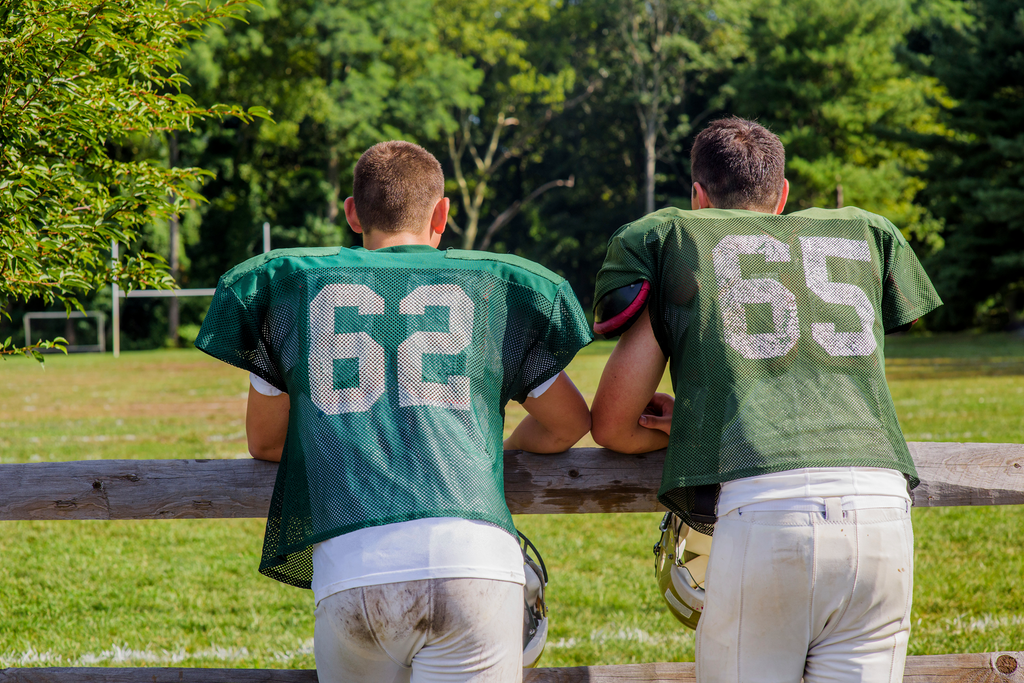
Image Source: lavantcollective.com
How To Get Grass Stains Out Of Football Pants
Can you remove grass stains from football pants? Absolutely! Getting grass stains out of football pants is a common challenge for athletes and parents alike, but with the right approach, these stubborn marks are no match for effective stain removal techniques. This guide will walk you through how to clean football pants, offering practical laundry tips and focusing on how to remove grass stains efficiently.
Football is a sport that loves to get down and dirty, and those vibrant green streaks on your favorite pants are a testament to a hard-fought game. However, no one wants to wear their victory, or defeat, in the form of permanent grass stains. This comprehensive guide is your ultimate resource for tackling these common laundry problems, ensuring your football gear maintenance is as sharp as your plays on the field. We’ll explore effective stain removers, handy home remedies for stains, and the crucial step of pre-treatment for stains to keep your football pants looking game-ready.
The Science Behind Grass Stains
Before diving into the fixes, it’s helpful to grasp why grass stains are so persistent. Grass contains chlorophyll, which is a pigment that gives plants their green color. It also contains proteins and tannins. These components bind tightly to fabric fibers, especially natural ones like cotton, making them tricky to lift. Think of it like a dye that has seeped into the very core of the cloth. The dirt and moisture associated with playing football can further set these stains, making prompt action key.
Essential Steps for Effective Stain Removal
The golden rule for tackling any stain, especially grass stains, is to act fast. The longer a stain sits, the harder it is to remove.
Immediate Action: The First Line of Defense
- Blot, Don’t Rub: As soon as you notice a grass stain, resist the urge to rub it in. Instead, gently blot away any excess grass or dirt with a clean, dry cloth or paper towel. Rubbing can spread the stain and push it deeper into the fabric.
- Rinse with Cold Water: If possible, immediately rinse the stained area with cold water from the back of the fabric. This helps to push the stain out rather than further into the fibers. Hot water can set protein-based stains, so cold is always the preferred choice for grass.
Pre-Treatment: Your Stain Removal Power-Up
Pre-treatment is a crucial step in successfully removing grass stains. This involves applying a cleaning agent directly to the stain before washing.
Choosing the Right Pre-Treatment Agent
Several effective stain removers and home remedies for stains can be used for pre-treatment. The best choice often depends on what you have readily available and the fabric of your football pants.
- Liquid Laundry Detergent: A high-quality liquid laundry detergent with enzymes is excellent for breaking down the protein and chlorophyll in grass stains. Apply a small amount directly to the stain, gently rub it in with your fingers or a soft brush, and let it sit for 10-15 minutes.
- Dish Soap: Certain dish soaps are formulated to cut through grease and grime, and they can also be effective on grass stains. Apply a few drops to the stain, work it in, and let it sit for a few minutes.
- White Vinegar: White vinegar is a natural cleaning agent that can help break down stains. Mix equal parts white vinegar and water, apply to the stain, let it sit for about 15-20 minutes, then rinse.
- Baking Soda Paste: Baking soda is a mild abrasive and deodorizer. Mix baking soda with a little water to form a paste. Apply the paste to the stain, let it dry, then brush off the excess and rinse.
- Commercial Stain Removers: Many excellent commercial stain removers are specifically designed for tough stains like grass. Follow the product’s instructions carefully, as application methods can vary. Look for products that mention enzyme-based formulas, as these are particularly good for organic stains.
How to Pre-Treat Grass Stains: A Step-by-Step Approach
- Identify the Stain: Pinpoint the exact area of the grass stain.
- Gather Your Supplies: Have your chosen pre-treatment solution and a soft brush or cloth ready.
- Apply the Pre-Treatment: Apply your chosen solution generously to the stain, ensuring it’s fully saturated.
- Work it In: Gently rub the solution into the fabric using your fingers or a soft-bristled brush (like an old toothbrush). Be firm but avoid damaging the fabric.
- Let it Sit: Allow the pre-treatment solution to work its magic for at least 15-30 minutes. For older or tougher stains, you might need to let it sit for a few hours or even overnight.
- Rinse (Optional but Recommended): Before washing, it’s often a good idea to rinse the pre-treated area with cold water to remove any loosened stain particles.
Washing Your Football Pants: The Next Crucial Stage
Once pre-treated, your football pants are ready for the washing machine. However, how you wash them is just as important as the pre-treatment itself.
Best Practices for Washing Sports Apparel
- Check the Care Label: Always, always check the care label on your football pants. This will tell you the recommended water temperature, cycle, and whether the garment can be bleached.
- Wash Separately: It’s a good practice to wash football pants separately from other clothing, especially lighter-colored items, to prevent any residual stain dyes from transferring.
- Use Cold Water: As mentioned, cold water is your friend when dealing with grass stains. It prevents the stain from setting further.
- Use the Right Detergent: Use a high-quality laundry detergent. Detergents with enzymes are particularly effective against organic stains like grass.
- Select the Right Cycle: Choose a normal or heavy-duty wash cycle, depending on the fabric of your pants. Agitation helps loosen stains.
- Avoid Fabric Softeners: Fabric softeners can sometimes coat fibers and make it harder for subsequent stain treatments to penetrate. It’s best to avoid them when dealing with stubborn stains.
Post-Wash Check: Don’t Skip This Step!
This is perhaps the most critical step in preventing grass stains from becoming permanent.
The Importance of Inspecting Before Drying
- Examine the Stains: After the wash cycle is complete, carefully inspect the areas that had grass stains.
- If Stains Remain: If you still see traces of the grass stain, do not put the pants in the dryer. The heat from the dryer will set the stain, making it almost impossible to remove.
- Repeat the Process: If the stains are still visible, repeat the pre-treatment and washing steps. You might need to try a different pre-treatment agent or leave the chosen one on for longer.
Stubborn Stains: When Home Remedies Aren’t Enough
Sometimes, even with diligent pre-treatment and washing, grass stains can be particularly stubborn. In these cases, you might need to explore more potent solutions.
Advanced Stain Removal Techniques
- Oxygen Bleach: For white or colorfast athletic wear, oxygen bleach (like OxiClean or a generic version) can be very effective. Follow the product instructions for soaking or adding it to your wash cycle. Always test on an inconspicuous area first to ensure it doesn’t affect the color.
- Enzyme-Based Stain Removers: Look for specialized enzyme-based stain removers. These are designed to break down specific types of stains.
- Glycerin: Pure glycerin can be helpful for lifting older, set-in stains. Apply it directly to the stain, let it sit for a few hours, then rinse and wash as usual.
Specific Fabric Considerations
The material of your football pants can influence the best approach for stain removal.
Dealing with Different Fabrics
- Cotton/Cotton Blends: These are generally resilient and can withstand most pre-treatment methods and washing cycles.
- Polyester/Nylon: Synthetic fabrics are often more resistant to staining, but once a stain sets, it can be harder to remove. Gentle pre-treatment and cold water are key. Avoid high heat, as it can damage synthetic fibers.
- Performance Fabrics: Many modern football pants use advanced performance fabrics designed for moisture-wicking and durability. Always follow the manufacturer’s care instructions closely. Some performance fabrics may be sensitive to harsh chemicals or excessive agitation.
A Table of Effective Stain Removers
To help you choose, here’s a quick reference table of common and effective stain removers for grass:
| Stain Remover | How it Works | Best For | Precautions |
|---|---|---|---|
| Liquid Laundry Detergent | Enzymes break down proteins and pigments | Most fabrics | Use cold water; test on dark colors if unsure. |
| Dish Soap | Cuts through grease and helps lift stains | Most fabrics | Can sometimes leave residue; rinse thoroughly. |
| White Vinegar | Acidic nature helps break down stains | Most fabrics | Dilute with water; can sometimes affect colors if not rinsed. |
| Baking Soda Paste | Mild abrasive action and odor absorption | Most fabrics | Can leave a powdery residue if not rinsed completely. |
| Oxygen Bleach | Releases oxygen to lift stains and brighten colors | White or colorfast fabrics | Do not use on wool, silk, or colors that bleed; test first. |
| Glycerin | Helps loosen stubborn, dried-in stains | Older, set-in stains on most fabrics | May require rinsing before washing; can leave a slight residue. |
| Commercial Stain Remover | Formulated with specific enzymes and surfactants | Varied (check product label) | Always follow product instructions; test on an inconspicuous area. |
Football Gear Maintenance: Beyond Just Pants
While this guide focuses on grass stains on football pants, good football gear maintenance extends to all your equipment. Keeping your gear clean not only makes it last longer but also helps prevent the spread of bacteria and odors.
- Cleaning Pads: Football pads often need to be wiped down with a disinfectant or a damp cloth after games. Some are machine washable, but always check the manufacturer’s instructions.
- Washing Jerseys: Jerseys, especially those with numbers and names, should be washed according to their care labels. Pre-treating any grass or dirt stains is essential here as well.
- Drying Football Gear: Never put most football pads or helmets in a dryer, as the heat can warp or damage them. Air drying in a well-ventilated area is usually best.
Common Laundry Problems and Solutions
Grass stains are a common issue, but other laundry problems can arise when dealing with sports apparel.
- Lingering Odors: If your football pants still smell after washing, try adding a cup of white vinegar or a specialized sports detergent to the wash. Ensure they are thoroughly rinsed and completely dry before storing.
- Fading Colors: Using cold water and avoiding harsh bleaches can help preserve the colors of your football pants. Pre-treating stains with color-safe products is also important.
- Fabric Damage: Over-agitating, using too much detergent, or using the wrong water temperature can damage fabric fibers. Always be gentle during pre-treatment and choose appropriate wash cycles.
Preventing Future Grass Stains
While it’s impossible to avoid grass stains entirely when playing football, a few preventative measures can help.
- Prompt Cleaning: The best prevention is prompt cleaning. Don’t let those pants sit in the laundry basket for days after a game.
- Water-Repellent Sprays: For some types of fabrics, fabric protector sprays might offer a slight barrier against stains, but their effectiveness on grass stains can be limited.
- Designated Play Clothes: If you have older, darker practice pants, you might consider them your “muddy game” pants to reduce the visual impact of stains on your primary game pants.
Frequently Asked Questions About Grass Stain Removal
Here are some common questions people have about getting grass stains out of football pants:
Q1: Can I use bleach on my football pants?
A1: This depends entirely on the fabric and color of your pants. For white cotton or cotton-blend pants, chlorine bleach might be an option, but it can weaken fibers over time and may cause yellowing. For colored pants, always use chlorine bleach with extreme caution or avoid it altogether. Oxygen bleach is a safer alternative for most colored fabrics, but always test it on an inconspicuous area first. Always check the care label before using any type of bleach.
Q2: How long can I leave a grass stain before it’s permanent?
A2: Grass stains are most easily removed when fresh. The longer they sit, especially if exposed to heat (like a dryer), the harder they become to remove. While there’s no definitive time limit, treating them within 24-48 hours significantly increases your chances of success.
Q3: What if the stain is old and set-in?
A3: For old, set-in grass stains, you’ll likely need to be more aggressive with pre-treatment. Try applying a concentrated enzyme-based cleaner and letting it soak for several hours, or even overnight. Repeating the pre-treatment and washing process multiple times may be necessary.
Q4: Can I use rubbing alcohol for grass stains?
A4: Rubbing alcohol (isopropyl alcohol) can sometimes help break down certain types of stains, including some from grass. Apply it with a cotton ball to the stain, blot, and then wash. However, be cautious as it can sometimes affect certain dyes. Always test on an inconspicuous area first.
Q5: My football pants have a special coating. How should I clean them?
A5: If your football pants have a special water-repellent or performance coating, it’s crucial to refer to the manufacturer’s care instructions. Harsh chemicals or excessive heat can degrade these coatings. Gentle pre-treatment with mild detergents and washing in cold water is usually recommended.
Getting grass stains out of football pants is a battle many have fought, but with this comprehensive approach, you’re well-equipped to win. Remember, prompt action, effective pre-treatment, and careful washing are your best weapons. Happy laundering!