
Getting your toddler to drink enough water can be a big task for parents. How do you get your toddler to drink water? The best way is to make water fun and easy to reach. Offer water often, especially with meals and snacks. Make sure they see you drinking water too. Can toddlers drink too much water? Yes, but it is rare. It usually happens if they drink huge amounts very quickly. Should I force my toddler to drink water? No, never force them. This can make them dislike water more. Instead, offer it often and make it a good thing.
This guide will give you many ideas and tips. You will learn why water is so vital for your little one. You will find ways to make drinking water simple and fun. We will talk about how much water toddlers need. We will also look at signs of toddler dehydration. You will get great toddler hydration tips. We will also discuss healthy toddler drinks alternatives.
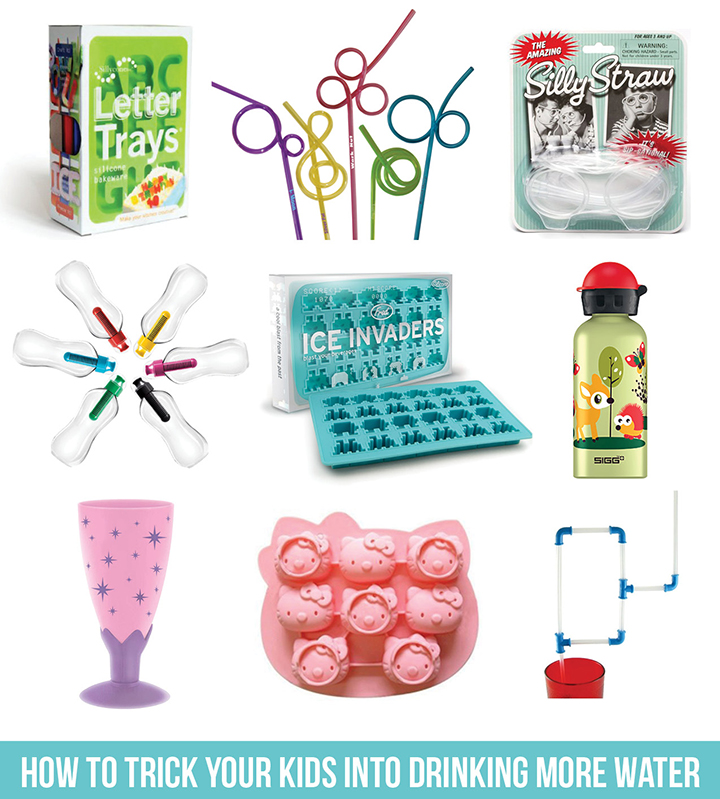
Image Source: www.mommyshorts.com
The Big Benefits of Water for Toddlers
Water is like a hidden hero for your child’s health. It does so much more than just quench thirst. Think of it as the engine for a busy little body. Here are the many benefits of water for toddlers:
- Keeps the Body Working Right: Water helps every part of your toddler’s body work well. It helps their cells, organs, and muscles. Without enough water, things slow down.
- Aids Digestion: Water helps food move through the body. It stops constipation. This means fewer tummy aches for your child.
- Moves Nutrients: Water carries good things like vitamins and minerals around the body. It takes them where they need to go. This helps your child grow strong.
- Controls Body Heat: Toddlers are always on the move. They can get warm fast. Water helps them cool down. It keeps their body temperature just right.
- Lubricates Joints: Water helps joints move smoothly. This is key for active toddlers who love to run and jump.
- Boosts Brain Power: A well-hydrated brain works better. Water helps with focus and thinking. This is good for learning new things every day.
- Fights Germs: Water helps the body get rid of waste. It helps flush out toxins. This can help your child stay healthier.
Simply put, water is a building block for good health. Giving your toddler enough water each day sets them up for a healthy life.
Toddler Fluid Requirements Daily: How Much Water Do They Need?
Many parents ask: How much water does my toddler really need? The exact amount can change. It depends on how active your child is. It also depends on the weather. A hot, busy day means they need more.
General guidelines exist for toddler fluid requirements daily. These are just a guide. Always watch your child.
For toddlers aged 1-3 years, a good rule of thumb is about 4-6 cups (or 32-48 ounces) of fluids per day. This includes water. It also includes other healthy drinks like milk. It even includes water from food, like fruits and veggies.
Here is a simple breakdown:
- Water: Aim for 1-4 cups (8-32 ounces) of plain water each day. Start small and build up.
- Milk: About 2-3 cups (16-24 ounces) of whole milk per day for most toddlers. Check with your doctor for specific advice.
- Water from Food: Fruits and vegetables have a lot of water. Foods like watermelon, oranges, cucumbers, and berries are great sources.
Table: Daily Fluid Guide for Toddlers (1-3 years)
| Fluid Type | Suggested Daily Amount (Approximate) | Notes |
|---|---|---|
| Plain Water | 1-4 cups (8-32 ounces) | Offer often throughout the day. |
| Milk (Whole) | 2-3 cups (16-24 ounces) | Important for growth and bone health. |
| Water in Food | Varies widely | Fruits, veggies, soups, and yogurt add to fluid. |
| Total Fluids | 4-6 cups (32-48 ounces) | Includes all liquids and water from foods. |
Important Note: Do not count sugary drinks like juice or soda. These are not good for daily fluid intake. They have too much sugar. We will talk more about healthy toddler drinks alternatives later.
Listen to your child’s body. If they are very active or it is hot, offer more water. If their pee is light yellow, they are likely well hydrated. Dark pee means they need more water.
Spotting Dehydration’s Clues: Signs of Toddler Dehydration
It is vital to know when your toddler might not be drinking enough. Signs of toddler dehydration can show up fast. Toddlers cannot always say they are thirsty. So, you must watch for clues.
Mild dehydration is common. But it can quickly get worse. Severe dehydration needs a doctor’s help right away.
Here are common signs of toddler dehydration:
- Dry Mouth and Tongue: Look at their mouth. Is it dry? Is their tongue sticky? This is a key sign.
- Fewer Wet Diapers: This is a very clear sign for little ones. If your toddler is not wetting diapers as often as usual, they might be dehydrated. For older toddlers, fewer trips to the potty.
- Darker Pee: Healthy pee is light yellow. If it is dark yellow or orange, your child needs more water.
- No Tears When Crying: If your child cries but no tears come out, this is a serious sign. Call a doctor.
- Sunken Soft Spot (Fontanelle): For babies and very young toddlers, check the soft spot on top of their head. If it looks sunken in, get medical help.
- Less Energy: Your toddler might seem more tired than usual. They may be less playful or clingier.
- Drowsiness or Being Very Sleepy: They might seem sleepy or hard to wake up. This is a serious sign.
- Cool, Pale Skin: Their skin might feel cool to the touch. It may also look pale.
- Fast Breathing or Fast Heartbeat: These are serious signs. Seek medical help.
- Sunken Eyes: Their eyes might look more sunken into their face.
- Lack of Sweat: Even when it is hot, if they are not sweating, it is a bad sign.
What to do if you see signs of dehydration:
- Offer small sips of water often. Do not give big gulps.
- Offer an oral rehydration solution (ORS). This is a special drink with salts and sugars. It helps replace lost fluids and minerals. You can buy it at drug stores.
- Avoid sugary drinks. These can make dehydration worse.
- Call your doctor or seek urgent medical care if your child shows serious signs like no tears, sunken soft spot, extreme tiredness, or very few wet diapers.
Knowing these signs can help you act fast. This keeps your child safe and healthy.
Encouraging Water Intake Young Children: Making Water a Friend
Getting toddlers to drink water can feel like a game. But it does not have to be a battle. The key is to make water fun and easy. Here are many ways for encouraging water intake young children:
Making Water Fun for Kids
- Use Fun Cups or Bottles: Toddlers love things that are just for them. Let them pick a water bottle with their favorite character. Or choose a colorful cup. This makes drinking water special.
- Add Fruit: Slice up some fruit. Put it in their water. Try berries, lemon, lime, or cucumber. This adds a hint of flavor. It makes water look more appealing. It is like a fun “spa water” for kids.
- Play “Cheers!”: Make a game of it. When you drink water, say “Cheers!” and clink your cups. Make a silly sound. Your child will want to join in.
- Ice, Ice, Baby: Add fun-shaped ice cubes. Use molds for stars, hearts, or animals. Toddlers love playing with ice cubes.
- Straw Power: Some toddlers love drinking from a straw. Try fun, reusable straws.
- Water Station: Set up a small, child-friendly water station. Use a mini water dispenser. Or a small pitcher they can pour themselves. This gives them control.
- Water Hunt: Hide small cups of water around the house. Have your child find them. Then they drink a little from each one.
- “Magic” Water: Tell a story about “magic” water that gives them super strength. Or helps them run faster.
- Bath Time Fun: Sometimes, toddlers drink water during bath time. This is okay in small amounts. Make sure the water is clean.
Daily Habits for Hydration
- Offer Water Often: Do not wait for them to ask. Toddlers often do not feel thirst until they are already a bit dehydrated. Offer water every hour or so. Offer it after play, after naps, and with meals.
- Lead by Example: Kids copy what they see. Drink water in front of your toddler. Say things like, “Mmm, this water is so good!” or “Water makes my body strong.”
- Make Water Visible: Keep a cup or bottle of water where your toddler can see and reach it. Out of sight, out of mind.
- Water with Every Meal and Snack: Serve water with all meals and snacks. Make it the first drink choice.
- Limit Other Drinks: Do not offer juice or milk constantly. If water is the only option, they will drink it.
- Routine, Routine, Routine: Add water breaks into your day. For example, “First, we drink water, then we play.” Or “After we play outside, we drink water.”
- Praise Efforts: Even if they just take a few sips, praise them. Say, “Good job drinking your water! That makes your body happy.”
- No Pressure, Just Offer: Do not force or beg. Just offer. If they say no, say “Okay, maybe later!” and try again soon.
These methods help make water drinking a normal and enjoyable part of your toddler’s day.
Navigating the Picky Eater: Picky Eater Drinks Water
Many toddlers are picky eaters. This pickiness can also affect drinks. If your child is a picky eater drinks water less, it can be a challenge. But there are ways to help them.
- Patience is Key: Picky eating is a normal stage. It also applies to drinks. Be patient. Do not get upset.
- Small Steps: Do not expect them to drink a lot at once. Offer small amounts often. Just a few sips can add up.
- Variety in Presentation: Even if it is just water, change how you serve it. Use different cups. Add fun straws. Use ice cubes.
- Focus on Food with High Water Content: If they resist plain water, get fluids from food. Offer juicy fruits like watermelon, oranges, grapes, and strawberries. Give them cucumber sticks or cherry tomatoes. These foods have a lot of water.
- Dilute Other Drinks Slowly: If they only like juice or milk, try to slowly dilute it with water. For juice, start with half juice, half water. Then slowly use more water. Make it a very slow process.
- Make Water a Requirement Before Fun: “After you drink some water, we can read a book.” Or “Let’s drink some water, then we can go outside.” Frame it as a step to something fun.
- Avoid Battles: If your toddler refuses liquids advice points to not making it a fight. Power struggles around food and drink are rarely helpful. It can make them dig in their heels.
- Let Them Help: Let your toddler pick their water bottle. Let them fill their own cup (with help, of course). When kids have a say, they are more likely to do it.
- Consider a “Water Day”: Once a week, have a “water day.” Only water is offered as a drink (besides milk at meal times). This can help reset habits.
Remember, the goal is to make water a natural choice. Be consistent, creative, and calm.
Choosing the Right Gear: Best Water Bottles for Toddlers
The right water bottle can make a big difference. It can make drinking water easier and more fun. With so many choices, how do you pick the best water bottles for toddlers?
Look for these features:
- Spill-Proof or Leak-Proof: This is number one for toddlers. You do not want messes everywhere. Look for bottles labeled “spill-proof” or “leak-proof.”
- Easy to Clean: You need to clean the bottle often. Look for bottles that come apart easily. Make sure there are no tiny nooks where mold can grow. Dishwasher safe is a plus.
- Durable: Toddlers drop things. A lot. Choose a bottle made from strong plastic or stainless steel. It should be able to take a fall.
- Easy to Hold: Pick a bottle that fits your toddler’s small hands. Some have handles. Some have a good grip.
- Right Spout Type:
- Straw Bottles: Many toddlers love straws. They are often less messy than open cups. They are good for on-the-go.
- Sippy Cups (with a spout): These are good for kids moving from bottles to cups. Look for softer spouts.
- Open Cups (Small): For older toddlers (18 months and up), practice with small open cups. This helps with drinking skills. Use a very small amount of water at first.
- Safe Materials: Choose bottles made from safe materials. Look for “BPA-free.” Stainless steel is also a good, safe choice.
- Size: Not too big, not too small. A bottle between 8 and 12 ounces is usually a good size. It is light enough for them to carry.
Table: Common Water Bottle Types for Toddlers
| Bottle Type | Pros | Cons | Best For |
|---|---|---|---|
| Straw Bottle | Easy to drink from, often spill-proof, fun | Can be harder to clean straws, mold can grow | Most toddlers, on-the-go, reducing spills |
| Sippy Cup | Good for transition from bottles, less messy | Can promote a “suck” habit, harder to clean valve | Younger toddlers (12-18 months) |
| Open Cup | Best for speech and oral development | Very messy, needs supervision | Older toddlers (18+ months), practicing at home |
| Sports Bottle | Durable, good for older toddlers | Spout can be harder to clean, sometimes leaky | Older toddlers (2+ years), very active kids |
Try a few types to see what your toddler likes best. Let them help pick their new “water buddy.” This makes them more likely to use it.
Grasping Toddler Refusing Liquids Advice
It can be very worrying when your toddler refusing liquids advice means they are barely drinking. This is a common issue. But there are ways to handle it.
Why a Toddler Might Refuse Liquids:
- Not Thirsty: They might just not be thirsty at that moment.
- Feeling Unwell: A sore throat, stuffy nose, or upset tummy can make drinking hard.
- Distraction: They might be too busy playing.
- Sensory Issues: Some toddlers do not like the temperature of the water. Or the texture of the cup.
- Power Struggle: If you push too hard, they might refuse to show control.
- Preferring Other Drinks: They might want juice or milk instead.
What to Do When They Refuse:
- Rule Out Illness: First, check if your child is sick. Is there a fever? Sore throat? If they seem unwell and refuse liquids, call your doctor. Dehydration can happen fast when sick.
- Stay Calm and Offer, Don’t Force: Never force a child to drink. This can make them hate water. Instead, calmly offer it. “Here is your water if you want a sip.”
- Offer Small Sips Often: Do not expect them to drink a whole cup at once. Offer a few sips every 15-30 minutes. This is especially true if they are sick.
- Try Different Temperatures: Some toddlers like cold water. Others prefer room temperature. Try a few options.
- Change the Cup: Sometimes a new cup or straw is all it takes.
- Make Water Fun: Go back to the ideas in the “Making Water Fun for Kids” section. Add fruit, use silly straws, play “cheers.”
- Limit Alternatives: If juice or milk is always available, they will choose that. Limit these. Offer water first.
- Hydrate Through Food: Offer foods with high water content. Fruits like watermelon, oranges, grapes, and berries are good. Veggies like cucumber and lettuce work too. Soups and broths also add fluid.
- Lead by Example: Let them see you drinking water. Say “Mmm, this water is so good!”
- Consult Your Doctor: If your toddler refuses liquids for a long time, shows signs of dehydration, or you are very worried, talk to your doctor. They can check for any underlying issues.
Remember, consistency and patience are key. Do not make drinking water a battle. Make it a normal and pleasant part of their day.
Exploring Healthy Toddler Drinks Alternatives
While water should be the main drink, there are some healthy toddler drinks alternatives. These can add variety and nutrients. But use them wisely.
- Milk (Whole Milk for most toddlers 1-2 years):
- Why it’s good: Milk has calcium and Vitamin D. These are vital for strong bones. It also has protein for growth.
- How much: Limit to about 2-3 cups (16-24 ounces) per day. Too much milk can fill them up. This might make them eat less food or drink less water.
- After age 2: Talk to your doctor. Some kids can switch to low-fat milk.
- Plain Water Infused with Fruit:
- Why it’s good: This is just water with a mild, natural flavor. It adds no sugar. It makes water more exciting.
- How to make it: Slice fresh fruits like strawberries, blueberries, orange slices, lemon, lime, or cucumber. Add them to a pitcher of water. Let it sit for a few hours in the fridge.
- Small Amounts of 100% Fruit Juice (Diluted):
- Why it’s good: It can offer some vitamins.
- How much: Use with care. Even 100% juice has a lot of natural sugar. Too much can cause tooth decay and fill them up.
- Recommendation: The American Academy of Pediatrics says toddlers (1-3 years) should have no more than 4 ounces (1/2 cup) of 100% fruit juice per day. Always dilute it with water (half juice, half water). Even better, offer whole fruit instead. Whole fruit has fiber. Fiber is very good for digestion.
- Vegetable Broth or Clear Soup:
- Why it’s good: These add fluids and some nutrients. They are also warm and comforting when a child is sick.
- How to offer: Serve lukewarm. Make sure it is low in sodium.
- Smoothies (Made with Water/Milk and Fruit/Veggies):
- Why it’s good: A great way to pack in fruits, veggies, and liquids.
- How to make it: Blend fruits (banana, berries), a handful of spinach (you won’t taste it!), and water or milk. Avoid adding extra sugar.
Drinks to Limit or Avoid for Toddlers:
- Sugary Drinks: Soda, fruit drinks (not 100% juice), sports drinks, sweetened teas. These are full of sugar. They offer no nutrition. They can lead to weight gain and tooth decay.
- Caffeinated Drinks: Coffee, tea, energy drinks. These are not for toddlers.
- Flavored Milks: Chocolate milk, strawberry milk. These have added sugar.
- Toddler Formulas/Transition Drinks: Most healthy toddlers do not need these. They can get all their nutrients from regular food and milk/water.
The main message is clear: Water is best. Other healthy drinks are okay in small amounts. Always choose options with no added sugar.
Total Toddler Hydration Tips: A Quick Recap
Getting your toddler to drink enough water is a journey. It takes patience and a bit of creativity. Here are top toddler hydration tips to remember:
- Make Water the Go-To: Offer water first and most often. Keep it visible and easy to reach.
- Lead by Example: Let your child see you drinking water. Make it seem fun and important.
- Fun Factor: Use colorful cups, silly straws, and fun ice cubes. Add fruit slices for a natural hint of flavor.
- Regular Offers: Don’t wait for thirst. Offer small amounts of water every hour or so.
- Limit Sugary Drinks: Avoid juice, soda, and sweetened drinks. They are bad for teeth and overall health.
- Hydrate Through Food: Offer water-rich foods like watermelon, oranges, cucumber.
- Spot the Signs: Learn the signs of dehydration. Act fast if you see them.
- Choose the Right Gear: Find a spill-proof, easy-to-clean water bottle your toddler loves.
- No Pressure: Never force your child to drink. This can create a power struggle.
- When in Doubt, Call the Doctor: If you are worried about your toddler’s fluid intake, or they are showing signs of serious dehydration, always call your pediatrician.
Teaching your child to love water early on is one of the best gifts you can give them. It sets them up for a lifetime of good health. Be consistent, be creative, and celebrate every sip!
Frequently Asked Questions (FAQ)
Q1: My toddler only wants milk. How do I get them to drink water?
A1: Slowly cut back on milk. Limit milk to meal times and possibly one snack. Offer water at all other times. Dilute milk with water a little at a time. Make water more fun with fruit slices or special cups. Lead by example and drink water yourself.
Q2: Is flavored water okay for toddlers?
A2: Water flavored with fresh fruit (like lemon, berries, or cucumber slices) is great! It adds natural flavor without sugar. Avoid store-bought flavored waters. They often have added sugars, artificial sweeteners, or dyes.
Q3: My toddler is sick and won’t drink. What should I do?
A3: Offer very small sips of water or an oral rehydration solution (ORS) often. A teaspoon every 10-15 minutes can add up. Ice chips or popsicles (made from water and fruit) can also help. If they show signs of serious dehydration (no tears, very few wet diapers, extreme tiredness), call your doctor right away.
Q4: How can I tell if my toddler is drinking enough water?
A4: Check their pee. It should be light yellow or clear. If it’s dark yellow or orange, they need more water. They should also be having regular wet diapers or trips to the potty. They should also seem generally happy and energetic.
Q5: What if my toddler drinks too much water?
A5: It is very rare for a healthy toddler to drink too much water. This usually only happens in extreme cases, often when a parent is forcing large amounts. The body’s signals usually prevent it. If you are worried, talk to your pediatrician. Focus on offering water freely rather than forcing specific amounts.
Q6: What is the best type of cup to start with for water?
A6: For toddlers aged 1-2, straw cups are often a good choice. They are usually less messy and help with oral motor skills. You can also start practicing with a very small open cup with just a little water. Sippy cups with spouts are also an option, but some experts suggest moving to straw or open cups faster to help with speech development.