
Does your toddler turn up their nose at broccoli? Do they hide peas under the table? You are not alone! Many parents wonder how to get their toddler to eat vegetables. It is a common problem. The good news is, there are many simple ways to help your child enjoy healthy foods. This guide will share proven picky eater solutions toddlers can benefit from. We will give you simple steps and helpful ideas. Your child can learn to love vegetables, one bite at a time.
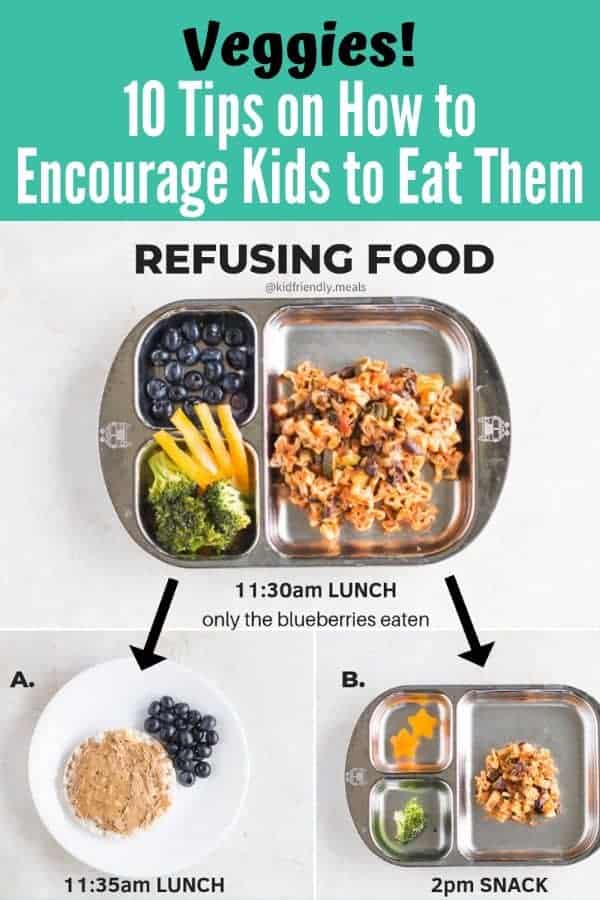
Image Source: www.mjandhungryman.com
Why Toddlers Push Away Their Greens: Grasping the Reasons
It can feel like a personal attack when your child rejects your carefully made meal. But there are good reasons why toddlers often refuse vegetables. Knowing these reasons can help you find better ways to help them.
Normal Stages of Growth
Toddlers are growing fast. They are also learning to be their own person. This means they like to say “no.” It is part of their growth. Food is one area where they can feel in control. They might say “no” to veggies just to feel powerful.
A Fear of New Things
Toddlers often have a fear of new foods. Experts call this ‘neophobia.’ It is a normal part of their growth. It kept our early ancestors safe from eating bad things. For kids today, it means they are careful about trying foods they do not know. A new vegetable might look, smell, or feel strange. They need time to get used to it.
Sensing the World Differently
Some children are more sensitive to how food feels. They might not like the mushy feel of cooked carrots. Or the rough texture of raw broccoli. Strong smells or tastes can also put them off. What tastes mild to you might taste very strong to them. This can make toddler vegetable refusal strategies tricky.
The Need for Independence
Toddlers want to do things on their own. They want to choose. When you put a plate of veggies in front of them, they might feel like they have no choice. This can make them fight against it. Giving them a say can help a lot.
Simple Steps to Help Your Toddler Eat Veggies: Core Strategies
Getting toddlers to eat veggies takes patience. It also needs smart choices. These tips offer picky eater solutions toddlers often respond well to.
Keep Offering, Do Not Force
The most important rule is to keep offering vegetables. Do not force your child to eat them. Forcing makes mealtime stressful. It can make them hate veggies even more. Offer a small piece. If they do not eat it, that is okay. Take it away without a fuss.
The Power of Many Tries
Kids often need to see a new food many times before they try it. It might take 10, 15, or even 20 times. Just keep putting a small piece of a new veggie on their plate. They do not have to eat it. Just seeing it often helps them get used to it. This is a key part of encouraging toddlers to try new foods.
Let Them Help
Toddlers love to help. Let them pick out veggies at the store. Let them wash them. Or tear lettuce for a salad. Even simple tasks make them feel involved. They are more likely to eat food they helped make. This is a great way to build healthy eating habits for preschoolers.
Be a Good Role Model
Kids learn by watching you. If you eat and enjoy vegetables, they are more likely to do the same. Show them how much you like your carrots. Talk about how yummy they are. Do not talk about how healthy they are. Just show that you enjoy eating them.
Keep Mealtime Happy
Avoid making mealtime a battle. Do not use food as a reward or punishment. Say things like, “Dinner is ready!” not “If you eat your broccoli, you can watch TV.” Keep the mood light. Talk about other things besides food. A happy mealtime helps picky toddler meal ideas go down better.
No Pressure
Do not beg. Do not bribe. Do not make a big deal if they do not eat. This puts too much pressure on them. It makes food a source of stress. Keep it simple. Offer the food. Let them choose to eat it or not.
Serving Veggies in Fun Ways: Making Them Appealing
Sometimes, it is not the veggie itself. It is how it looks. Making veggies fun can make a big difference. These are fun ways to serve vegetables kids will love.
Make Food Look Fun
Kids love bright colors and fun shapes.
* Cut veggies into shapes. Use cookie cutters for slices of cucumber, bell peppers, or cheese.
* Make faces. Use sliced olives for eyes. A carrot stick for a nose. A pepper strip for a smile.
* Serve different colors. A plate with red peppers, green cucumbers, and yellow corn is more inviting.
Offer Fun Dips
Dips can make veggies more exciting.
* Hummus: A great source of protein and fiber.
* Plain yogurt dip: Mix yogurt with a little dill or chives.
* Guacamole: Healthy fats and yummy taste.
* Mild salsa: A zesty option.
* Nut butter: For apple slices or celery sticks.
Let your child dip their veggies. This makes eating fun. It gives them more control.
The “Deconstructed” Meal
Instead of a mixed dish, serve each food item separately. A plate with a pile of peas, a few carrot sticks, and a piece of chicken. This lets your child pick and choose. It removes the pressure of eating a “complete” dish. This can be great for picky toddler meal ideas.
Cook Them Differently
Some toddlers prefer cooked veggies. Others like them raw. Try both.
* Roasted veggies: Sweet potatoes, broccoli, or carrots become sweeter when roasted. Use a little olive oil.
* Steamed veggies: Soft and easy to chew.
* Raw veggie sticks: Carrots, cucumbers, bell peppers. Offer them with a dip.
Smart Ways to Add Hidden Veggies: When to Be Sneaky
Sometimes, a little trickery is okay. Hiding vegetables in toddler food can help them get nutrients. It also gets them used to the taste. Think of it as a bridge, not a permanent solution. The goal is still for them to eat visible veggies one day.
Why Hide Them?
- Nutrient boost: Ensures they get vitamins and minerals.
- Taste exposure: They get used to the taste without knowing.
- Reduces stress: No mealtime fights over veggies.
How to Hide Them
- Puree them: Cook veggies until soft. Then blend them smooth.
- Grate them: Use a fine grater for carrots, zucchini, or sweet potatoes.
- Finely dice them: Chop veggies very small.
Picky Toddler Meal Ideas with Hidden Veggies
Here are some ideas for hiding vegetables in toddler food:
| Dish Type | Vegetables to Hide | How to Hide Them |
|---|---|---|
| Smoothies | Spinach, kale, carrots, avocado, zucchini, cauliflower | Blend with fruit (berries, banana), yogurt, and milk. Sweet fruits mask the veggie taste. |
| Pasta Sauces | Carrots, zucchini, bell peppers, mushrooms, spinach, onion | Puree cooked veggies and add to tomato sauce. Or finely grate them into the sauce. |
| Muffins/Breads | Zucchini, carrots, pumpkin, sweet potato, butternut squash, spinach | Grate or puree into the batter for sweet or savory muffins/breads. Often works well with fruit. |
| Meatballs/Patties | Grated zucchini, carrots, bell peppers, finely chopped mushrooms, spinach | Mix into ground meat (beef, turkey, chicken) before shaping and cooking. |
| Soups | Any pureed vegetable: squash, carrot, broccoli, sweet potato, lentils | Blend cooked vegetables into creamy soups. The flavor blends in. |
| Mac and Cheese | Pureed butternut squash, cauliflower, carrots, sweet potato | Add pureed cooked veggies to the cheese sauce. It adds creaminess and color. |
| Eggs (Scrambled/Omelets) | Finely diced bell peppers, spinach, zucchini, mushrooms, grated carrots | Mix small pieces of cooked veggies into scrambled eggs or omelets. |
| Rice/Quinoa | Finely diced broccoli, carrots, peas, corn, spinach | Stir cooked, very small veggie pieces into rice or quinoa dishes. |
Important Note: While hiding veggies is useful, do not make it your only plan. Keep offering visible veggies too. You want them to learn to accept them as they are.
Helping Toddlers Try New Foods: Gentle Exposure
Encouraging toddlers to try new foods is a slow process. It needs patience and positive methods.
The “Just One Bite” Rule (or “Just One Touch”)
Do not ask for a full serving. Ask them to just try one bite. Or even just touch the food. Or smell it. This lowers the pressure. Each tiny step counts. It helps overcome food aversion in children.
Food Play
Let your child play with their food (within reason). Let them explore it.
* Describe it: “This broccoli looks like tiny trees.”
* Feel it: “See how bumpy the broccoli is? How soft is the cooked carrot?”
* Smell it: “Does it smell sweet? Or earthy?”
This helps them get comfortable with the food. They might even try it after playing with it.
Garden Time
If you have space, grow a small garden. Let your child plant seeds. Water the plants. Pick the veggies when they are ready. Kids are more likely to eat what they helped grow.
Make It a Game
“Can you make the pea jump into your mouth?” “Let’s see if this carrot stick can stand up straight!” Turn mealtime into a fun game. This reduces stress. It makes trying new foods an adventure.
How to Help Picky Eaters Get All Their Nutrients: Nutritional Tips for Fussy Eaters
When your toddler is picky, you worry about their nutrition. It is normal. Here are some nutritional tips for fussy eaters. These help make sure they get a balanced diet for picky toddlers.
Look at the Week, Not Just One Day
Kids’ eating habits can change day to day. Some days they eat a lot. Some days they eat little. Do not worry if they have a “bad” eating day. Look at their food intake over a whole week. They often balance it out.
Focus on Nutrient-Dense Foods
Make sure the foods they do eat are packed with good stuff.
* Healthy Fats: Avocado, olive oil, nuts (if no allergy, carefully prepared to avoid choking), seeds.
* Proteins: Chicken, fish, beans, lentils, eggs, dairy, tofu.
* Whole Grains: Whole wheat bread, oats, brown rice.
Offer Veggies in Different Ways
Even if they do not eat them, keep offering.
* Pureed in smoothies: As mentioned earlier.
* Dips: Hummus with crackers or other veggies.
* Soups: Creamy vegetable soups.
Do Not Push Too Much Milk
Milk is good, but too much can fill them up. It leaves less room for solid food. Limit milk to 16-24 ounces (2-3 cups) per day for toddlers.
Consider Supplements (With Doctor’s Advice)
If you are very worried, talk to your child’s doctor. They might suggest a multivitamin. But it is always best to get nutrients from food first. Supplements are a backup, not a fix.
Table of Important Nutrients and Where to Find Them for Picky Eaters
| Nutrient | Why It’s Needed | Where to Find It (Picky-Eater Friendly) |
|---|---|---|
| Iron | For energy and healthy blood | Fortified cereals, beans, lentils (pureed in soup), pureed meat, spinach (hidden in smoothies) |
| Vitamin C | Helps the body use iron; for immune system | Citrus fruits, berries, bell peppers (thin strips or hidden), broccoli (finely chopped) |
| Vitamin A | For good eyesight and growth | Sweet potatoes (mashed, baked fries), carrots (grated, pureed), dark leafy greens (hidden) |
| Fiber | For healthy digestion | Whole grains, beans, lentils, fruits with skin, small amounts of hidden veggies |
| Calcium | For strong bones and teeth | Milk, yogurt, cheese, fortified plant milks, leafy greens (hidden) |
| Protein | For growth and repair of cells | Chicken, fish, eggs, beans, lentils, yogurt, cheese, nut butters (thinly spread) |
Overcoming Food Aversion in Children: When Things Are More Serious
Sometimes, a child’s food refusal is more than just being picky. It might be a food aversion. This is a very strong dislike. It can come from a bad experience (like choking). Or it can be due to sensory issues.
Spotting an Aversion
- Extreme reactions: Crying, gagging, throwing up, or melting down when certain foods are near.
- Very limited diet: Only eating a few foods, maybe less than 10-15 items.
- Weight loss or poor growth: Not getting enough food overall.
- Strong dislike of certain textures: Not just taste, but how food feels in their mouth.
What to Do
- Be patient: Do not force. Forcing makes it worse.
- Small steps: Work on getting them comfortable with the food. Let them look at it. Then touch it. Then smell it. Then taste a tiny bit. This is called desensitization.
- Make it fun: Use food play.
- Get help: If you suspect a true aversion, talk to your child’s doctor. They might suggest a feeding therapist or a dietitian. These experts can give specific help for overcoming food aversion in children.
Building Healthy Eating Habits for Preschoolers: Long-Term Success
Getting your toddler to eat veggies is part of a bigger goal. You want them to have healthy eating habits for preschoolers and beyond.
Make Family Meals a Priority
Eat together as a family often. This sets a good example. It also makes mealtime a positive, social event. Kids are more likely to try foods if they see their family eating them.
Limit Unhealthy Snacks and Drinks
Sugary drinks, chips, and candy fill kids up. They leave no room for healthy foods. Offer water between meals. Offer fruit or small portions of whole grains for snacks.
Respect Their Hunger Cues
Do not make your child “clean their plate.” If they say they are full, believe them. Forcing them to eat teaches them to ignore their body’s signals. This can lead to overeating later in life.
Keep Offering Variety
Even if your child refuses a food 10 times, offer it again later. Their tastes can change. Keep offering different fruits, veggies, proteins, and grains. A balanced diet for picky toddlers means offering many choices.
Involve Them in Cooking
As they get older, let them do more in the kitchen. Measuring ingredients, stirring, washing veggies. This makes food more interesting to them.
Avoid Food as a Reward or Punishment
“Eat your peas, and you get ice cream.” This makes vegetables seem like a chore. It makes dessert seem like the prize. Food should not be tied to behavior.
Quick Fix Picky Toddler Meal Ideas with Hidden Veggies
Here are some fast, simple meal ideas that pack in hidden veggies:
- Smoothie Power: Blend banana, berries, yogurt, a handful of spinach, and a few cooked carrot coins.
- Cheesy Veggie Pasta: Cook pasta. Stir in pureed butternut squash or cauliflower into the cheese sauce.
- Sneaky Meatballs: Mix finely grated zucchini and carrots into ground turkey or beef before making meatballs. Serve with pasta.
- Breakfast Muffins: Make sweet potato or pumpkin muffins. Use a kid-friendly recipe.
- Egg Muffins: Whisk eggs with finely diced bell peppers and spinach. Pour into muffin tins and bake.
- Hummus “Dip-n-Dunk”: Serve a small bowl of hummus with soft cooked carrot sticks, cucumber slices, and bell pepper strips for dipping.
- Veggie-Loaded Chili: Make a mild chili with lots of beans. Add pureed carrots, bell peppers, and zucchini to the sauce.
Phrases to Use (and Avoid) at Mealtime
Words matter! Use these phrases to create a positive mealtime.
| Use These Phrases | Avoid These Phrases |
|---|---|
| “Dinner is ready!” | “Eat your broccoli or else!” |
| “You can try this if you want.” | “You have to eat all of this.” |
| “What a pretty red pepper!” | “This is so healthy for you.” |
| “Thank you for helping me set the table.” | “No dessert until you finish.” |
| “I love how crunchy these carrots are.” | “Just one more bite!” |
| “It’s okay if you don’t want any today.” | “You’re being picky.” |
| “Let’s make some veggie faces!” | “Why won’t you eat your vegetables?” |
| “Look at the tiny trees!” (for broccoli) | “This is good for you, whether you like it or not.” |
Frequently Asked Questions (FAQ)
How long does it take for a toddler to like a new food?
It can take a long time! On average, a child might need to see a new food 10 to 15 times before they even try a bite. For some, it can be 20 times or more. The key is to keep offering it without pressure. Do not give up after a few tries.
Should I offer dessert if my toddler doesn’t eat vegetables?
Most experts suggest separating dessert from meal performance. Do not use dessert as a reward for eating vegetables. This teaches kids that veggies are bad and dessert is good. If you offer dessert, offer it to everyone. It should be a normal part of the meal, not a prize.
What if my toddler only eats fruit, not veggies?
Fruit is great! It has many vitamins and fiber. But it is not a full replacement for vegetables. Vegetables offer different nutrients and unique health benefits. Keep offering both. Maybe your toddler will like some veggies that taste a bit sweet, like roasted carrots or sweet potatoes. Or try hiding veggies in fruit smoothies.
Is it okay to hide vegetables in food?
Yes, it is okay! Hiding vegetables in toddler food can be a good short-term fix. It helps ensure they get some nutrients. It also gets them used to the taste of certain veggies without knowing. But remember to also keep offering visible vegetables. The goal is for them to learn to eat and enjoy vegetables in their natural form as they grow.
Getting your toddler to eat vegetables is a journey, not a sprint. Be patient. Be creative. And most importantly, keep mealtime a happy and positive experience for your whole family. With these strategies, your picky eater can become a confident veggie eater.