
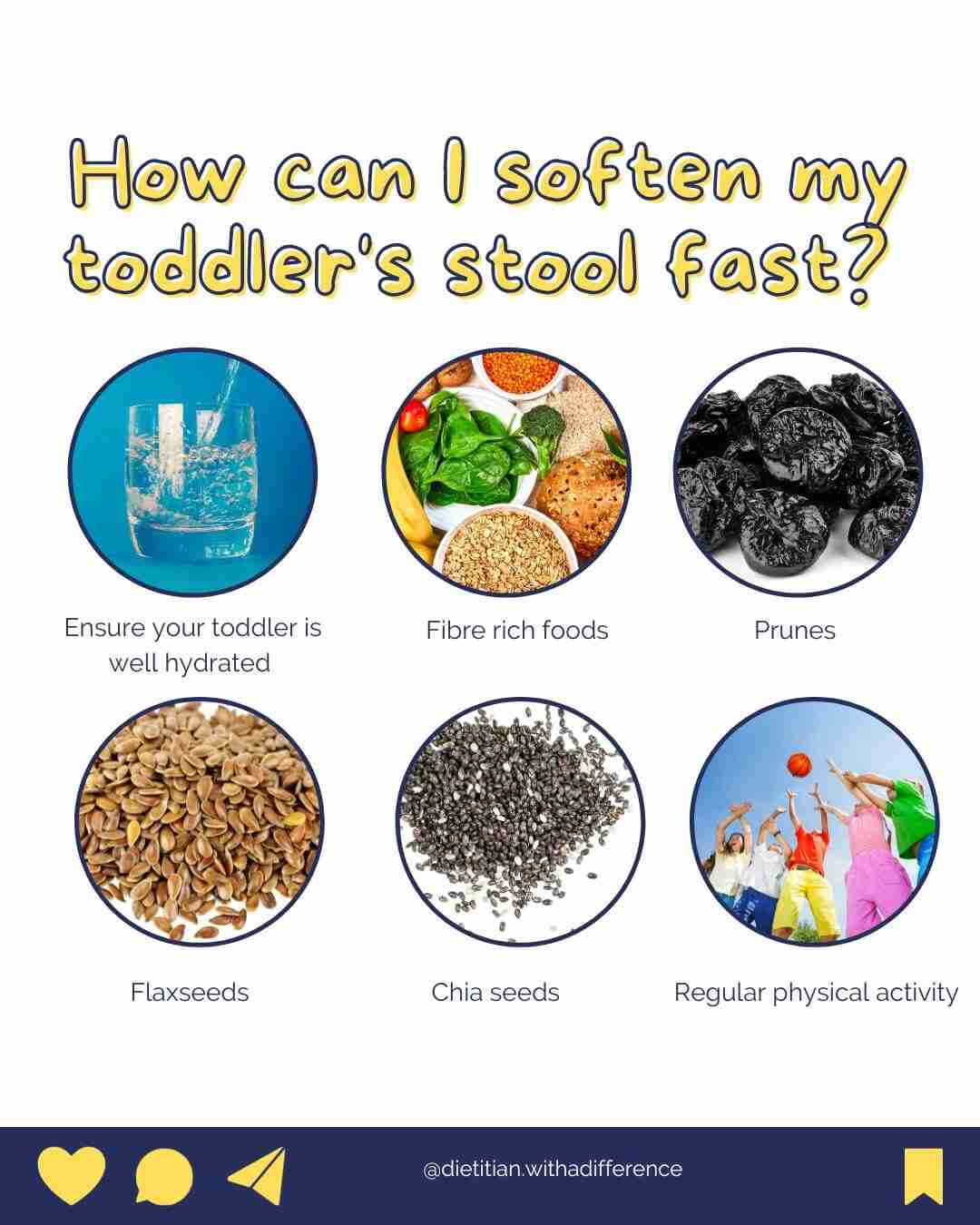
Image Source: dietitianwithadifference.co.uk
Urgent Help: How To Get My Toddler To Poop Today!
How can I get my toddler to poop today? If your toddler is struggling to poop, you need simple steps right now. The quickest ways to help a constipated toddler poop today often involve getting fluids and fiber in, encouraging movement, and creating a calm time for them to try. Seeing your little one uncomfortable is hard, but many things can offer toddler constipation relief. Let’s look at what you can do.
Spotting the Clues
It’s important to know if your toddler is really constipated. Sometimes parents worry if their child doesn’t poop every day. But what is normal is different for each child. Some poop once a day. Some poop every two or three days. What matters more are the signs toddler is constipated.
Here are some common signs:
- Less pooping: They poop less often than they usually do.
- Hard, dry poop: Their poop looks like hard balls or pellets. It is hard to push out.
- Pain when pooping: They cry, strain, or seem scared when trying to poop.
- Belly pain: They complain their tummy hurts.
- Bloated belly: Their tummy looks or feels swollen.
- Small smears of poop: You might see small, loose bits of poop in their underwear. This can happen when harder poop is stuck inside. Looser poop then leaks around it. This is called encopresis or soiling. It is a big sign of constipation.
- Loss of hunger: They don’t want to eat as much.
- Crabby mood: They just aren’t themselves.
- Holding it in: They might stand on tiptoes, rock back and forth, cross their legs, or hide. This shows they are trying not to poop because it hurts or they are scared. This is a key sign of a toddler afraid to poop.
Seeing these signs means it’s time to act. You can use toddler not pooping remedies right away.
Deciphering Why Poop Gets Stuck
There are many reasons why toddlers get constipated. Finding the reason helps you fix it.
- Not enough water: If they don’t drink enough liquids, their body takes water from poop. This makes poop hard and dry.
- Not enough fiber: Fiber is like a sponge. It soaks up water and makes poop soft and bulky. This helps it move through the body easily. Many toddler foods like white bread, pasta, and cheese don’t have much fiber.
- Changes in routine: Traveling, starting daycare, or changes at home can upset a toddler’s tummy routine.
- Potty training: This is a very common time for poop problems. Some toddlers don’t want to poop in the potty. They hold it in. This links to potty training poop problems. If they held it in before training, it might be worse now.
- Fear of pooping: If pooping hurt one time, they might be scared it will hurt again. This makes a toddler afraid to poop. So they hold it in. Holding it in makes the poop bigger and harder. This makes pooping hurt even more. It becomes a bad cycle.
- Being busy: Toddlers get very busy playing! They might ignore the feeling that they need to poop. They just hold it until it passes.
- Illness: Sometimes being sick, especially with a fever or when not eating/drinking well, can cause constipation.
- Certain medicines: Some medicines can cause constipation as a side effect.
- A medical reason: Rarely, there is a medical cause. This is why you should talk to your doctor if it happens often or is severe.
Getting Things Moving Right Now
Okay, you need help for your constipated toddler poop today. Here are steps you can take right away. These are natural constipation remedies toddler.
- Offer More Drinks: Give them water. Water is the best. You can also offer juice.
- Prune juice, pear juice, or apple juice can help. A small amount is usually enough. For toddlers, 2 to 4 ounces a day is often enough to help. You can mix it with water if they don’t like the taste.
- Avoid giving lots of milk or sugary drinks like soda or punch. These can make constipation worse for some children.
- Give Certain Fruits: Some fruits are natural helpers.
- Prunes (dried plums) are well known. They have fiber and also a natural laxative effect. Offer a few prunes.
- Pears, apples, and peaches can also help. Offer these fresh or canned (in their own juice).
- Get Them Moving: Physical activity helps move things along inside the body.
- Encourage running, jumping, dancing, or riding a scooter.
- Even gentle movements like bicycle legs while they lay on their back can help babies and younger toddlers.
- Warm Bath: A warm bath can relax the muscles. It might help them feel more comfortable and able to poop.
- Gentle Tummy Massage: Lay your toddler on their back. Gently massage their tummy in a clockwise circle. You can also move your fingers from their ribs down towards their belly button. Be very gentle. Stop if they don’t like it.
- Potty Time: If your toddler is potty trained or training, have them sit on the potty.
- Have them sit for 5-10 minutes. Do this after meals. Eating helps move things in the gut.
- Make it fun. Let them look at books or sing songs.
- Do not force them to sit or get upset if they don’t poop. This can make a toddler afraid to poop even more. The goal is to make it a relaxed time. Even if they don’t poop today, getting them used to trying can help later.
- Offer High-Fiber Snacks: Even small amounts of high-fiber foods throughout the day can help today and in the future.
- Small handful of berries.
- Piece of whole-wheat toast.
- Some cooked broccoli or peas.
These are initial toddler not pooping remedies. You might need to try a few things together.
Grasping The Power of Food
Diet is a major part of managing constipation. Focusing on foods for toddler constipation can make a big difference over time and offer toddler constipation relief.
Toddlers need fiber. How much? A simple rule is their age plus 5 grams.
* A 2-year-old needs about 2 + 5 = 7 grams of fiber per day.
* A 3-year-old needs about 3 + 5 = 8 grams of fiber per day.
* A 4-year-old needs about 4 + 5 = 9 grams of fiber per day.
Getting this much fiber can be tricky with picky eaters. But adding small amounts helps.
Here is a table of foods that help with constipation:
| Food Group | Foods That Help | Why They Help | Serving Examples (Check labels for exact fiber) |
|---|---|---|---|
| Fruits | Prunes (dried plums), Pears, Apples | High in fiber, some have natural laxatives. | 3 prunes (~2g fiber), 1 small pear (~4g fiber) |
| Berries (raspberries, blueberries) | Good source of fiber. | 1/2 cup raspberries (~4g fiber) | |
| Peaches, Apricots | Decent fiber, high water content. | 1 small peach (~2g fiber) | |
| Kiwi | High in fiber, can have a gentle effect. | 1 whole kiwi (~2g fiber) | |
| Vegetables | Peas, Broccoli, Brussels Sprouts | Very high in fiber. | 1/2 cup cooked peas (~4g fiber) |
| Sweet Potatoes (with skin), Carrots, Corn | Good fiber sources. | 1/2 cup sweet potato (~2g fiber), 1/2 cup corn (~2g fiber) | |
| Leafy Greens (spinach, kale) | Fiber and other nutrients. | Small amounts mixed into food. | |
| Grains | Whole Wheat Bread, Pasta | More fiber than white versions. | 1 slice whole wheat bread (~2g fiber) |
| Oatmeal | Soluble fiber (becomes gel-like). | 1/2 cup cooked oatmeal (~2g fiber) | |
| Brown Rice | More fiber than white rice. | 1/2 cup cooked brown rice (~2g fiber) | |
| Barley, Quinoa | High fiber grains. | 1/2 cup cooked (~3-4g fiber) | |
| Legumes | Beans (lentils, black beans, chickpeas) | Excellent source of fiber. | 1/4 cup cooked beans (~3-4g fiber) |
| Drinks | Water | Essential for soft poop. | Offer often. |
| Prune, Pear, Apple Juice | Can help, but limit amount due to sugar. | 2-4 ounces diluted. |
Foods to be careful with if your toddler is constipated:
- Too much milk or dairy
- White bread, white pasta, white rice
- Bananas (ripe ones are usually okay, unripe can be binding for some)
- Cooked carrots (raw are better for fiber)
Adding fiber needs to be done slowly. Adding too much too fast can cause gas and bloating. Make sure they drink more water when you add fiber. Fiber needs water to work.
Natural Constipation Remedies Toddler
Beyond food, there are other natural ways to help:
- Fluids, Fluids, Fluids: We said it before, but it’s worth saying again. Water is key for natural constipation remedies toddler. Offer water throughout the day, especially between meals.
- Scheduled Potty Time: Even if not fully trained, sitting on the potty for 5-10 minutes after breakfast and dinner can help the body get used to trying. Pooping is often easier after eating because of a natural gut reflex.
- Warm Compresses: A warm towel or hot water bottle (wrapped safely in a cloth) on their tummy might help ease discomfort and relax muscles.
- Exercise: Keep them active. Daily play, running outside, going to the park – it all helps.
- Avoid Pressure: Don’t get mad or show frustration about pooping. This is critical if your toddler is afraid to poop or has potty training poop problems. Stay calm and positive.
These natural methods are often the first things to try and can be very effective.
Interpreting Potty Training Poop Problems
Potty training often brings poop issues. This is common. Toddlers might be scared of the potty, scared of the poop itself, or scared of letting go. This makes them hold it in. This then causes constipation, which makes pooping hurt. The fear gets worse. This is the heart of potty training poop problems.
- Don’t Force It: If they fight sitting on the potty for poop, don’t make them. This creates power struggles and fear.
- Make it Positive: Praise them for trying to sit, even if they don’t poop. Read books about pooping or using the potty. Use charts or small rewards for sitting or trying.
- Offer Alternatives: If they refuse the potty, ask if they want to use a pull-up or diaper. Sometimes they need this sense of control. The main goal is for them to poop and not hold it in. You can work on where they poop later.
- Be Patient: It can take time to work through poop fears tied to potty training.
Addressing the fear and making the process calm and positive is key to helping with potty training poop problems.
Addressing Fear: When a Toddler is Afraid to Poop
If your toddler is afraid to poop, it’s usually because it hurt before. Helping them feel safe and reducing pain are the main goals. This is a big part of how to encourage toddler to poop.
- Acknowledge Their Fear: Say things like, “I see you’re scared to poop. It’s okay to feel scared. We will help your poop be soft so it doesn’t hurt.”
- Soften the Poop: This is the most important step. Use diet, fluids, and maybe stool softeners (talk to your doctor first!) to make poop soft. If it doesn’t hurt, the fear will slowly lessen.
- Read Books: Many great children’s books talk about pooping, how the body works, or using the potty for poop in a fun, non-scary way.
- Use Play: Play with dolls or stuffed animals using the potty. Pretend the doll is pooping. Talk about it simply.
- Stay Calm: If they have an accident, clean it up without fuss or anger. Reassure them.
- Reward Courage, Not Just Poop: Praise them for trying to sit on the potty, for saying they need to go, or for not holding it in.
Helping a toddler afraid to poop requires patience and focusing on making the experience pain-free and positive.
When Medicine Might Help: Stool Softeners for Toddlers
Sometimes, diet and lifestyle changes are not enough to help constipated toddler poop, especially if the constipation has been going on for a while or if the toddler is holding poop in. In these cases, a doctor might recommend stool softeners for toddlers.
It’s very important to talk to your child’s doctor before giving any medication, including over-the-counter stool softeners or laxatives. They can tell you the right type and dose for your child.
- What are Stool Softeners? Stool softeners (like Docusate Sodium, often known as Colace) add moisture to the stool. They don’t make the gut squeeze harder. They just make the poop softer and easier to pass.
- What are Osmotic Laxatives? These pull water into the colon to soften the stool and make it easier to pass. Polyethylene Glycol 3350 (PEG 3350), often known as MiraLAX, and Lactulose are common examples used for children. PEG 3350 is often recommended by doctors for children with chronic constipation because it is not absorbed by the body and is generally safe and well-tolerated.
- What about Stimulant Laxatives? These make the muscles in the gut squeeze harder to push the poop out. Examples are Senna or Bisacodyl. These are usually not the first choice for toddlers and should only be used under a doctor’s strict guidance, often for shorter periods. They can sometimes cause cramping.
- What about Mineral Oil? This coats the stool to make it slippery. It is not often recommended for toddlers due to the risk of breathing it into the lungs (aspiration) and problems absorbing vitamins. Never give mineral oil without specific instructions from your doctor.
If your doctor suggests a stool softener like PEG 3350, they will tell you how much to give. It usually needs to be mixed into a drink. It doesn’t have a taste. It might take a day or two to start working well. Your doctor might want your child to take it every day for weeks or months. This helps clear out any backed-up poop and then keeps new poop soft while you work on diet and habits. This long-term use is often needed to break the cycle of holding poop in because it hurts. Using stool softeners as directed by a doctor is a safe and effective way to provide toddler constipation relief when other methods are not enough.
How to Encourage Toddler to Poop
Encouraging your toddler to poop involves more than just diet and medicine. It’s about creating good habits and a positive feeling around pooping. This is a core part of how to encourage toddler to poop.
- Regular Potty Time: As mentioned, sitting on the potty after meals is helpful. This uses the body’s natural signals. Make it part of the routine.
- Proper Sitting: Make sure their feet are supported when they are on the potty or toilet. Dangling feet make it harder to push. Use a stool or a special potty seat with a footrest. Their knees should be a little higher than their hips. This position helps relax the muscles needed for pooping.
- Praise and Rewards: Use positive words when they sit on the potty or try to push. Some parents use a sticker chart. They get a sticker for sitting or trying. A bigger reward (like a small toy or extra story) can be given for pooping in the potty. Keep rewards small and close in time to the action.
- Stay Calm: If they have an accident, don’t get angry. Clean it up calmly. Accidents happen. Shaming or punishing makes them more likely to hide or hold it next time.
- Read Poop Books: Books about using the potty or how the body makes poop can make it less scary and more normal.
- Listen to Their Body: Help them learn to pay attention to the signs that they need to poop. When they say they need to go, encourage them to try right away. Don’t make them wait.
- Celebrate Small Steps: Maybe today they just sat on the potty. That’s great! Praise that effort. Tomorrow they might push a little. Celebrate that too.
Building positive feelings and habits around pooping is key to long-term success, especially if they have struggled or are afraid.
Preventing Future Problems
Once you get things moving and your toddler is pooping comfortably, you want to keep it that way. Preventing constipation is easier than treating it.
- Keep Up the Fiber: Continue offering foods high in fiber every day. Aim for that age + 5 grams goal. Make fiber a normal part of every meal and snack.
- Keep Up the Fluids: Water should be offered often throughout the day. Don’t let them get thirsty.
- Maintain a Routine: Try to have meal times and bedtime at similar times each day. Also, keep up those regular potty-sitting times after meals.
- Encourage Activity: Daily running and playing helps keep things moving inside.
- Don’t Stop Stool Softeners Too Soon: If your doctor prescribed a stool softener, use it exactly as they say. Stopping too soon can lead to constipation coming back. Your doctor will tell you when and how to slowly stop it.
- Pay Attention to Signs: Watch for early signs of constipation starting again. Address it right away with diet and fluid before it becomes severe.
When to Seek Medical Help
While home remedies and working with your doctor on diet and stool softeners can help most toddler constipation, there are times you need to call the doctor or get urgent medical care.
Call your doctor if:
- Constipation lasts for more than 1-2 weeks despite trying home remedies.
- Your toddler has severe belly pain that doesn’t go away.
- You see blood in their poop or on the toilet paper (small amounts might happen with hard poop, but still tell the doctor).
- Your toddler is losing weight.
- Your toddler has a fever along with constipation.
- Your toddler is vomiting.
- Your toddler’s belly looks very swollen or hard.
- Your toddler seems very sick or is in a lot of pain.
- You are worried or unsure what to do.
Your doctor can check for other causes, suggest the best treatment plan, and give you peace of mind.
Frequently Asked Questions (FAQ)
h4: How often should a toddler poop?
There is no single “normal.” It can range from several times a day to once every two or three days. What’s important is that the poop is soft and easy to pass, and your child is not in pain or discomfort. A sudden change in their usual pattern can be a sign of constipation.
h4: Is it okay if my toddler’s poop looks like little balls?
No, poop that looks like small, hard balls (like rabbit pellets) is a classic sign of constipation. Healthy toddler poop should be soft and formed, more like a sausage or snake shape.
h4: How long can a toddler go without pooping?
It depends on their normal pattern. If they usually go every day, going three or four days is concerning. If they normally go every three days, going four or five days might be okay if they aren’t showing other signs of discomfort. However, if they are showing signs of pain, discomfort, or trying to hold it in, even one or two missed days compared to their usual can be a problem. If they go more than a few days past their usual pattern and seem uncomfortable, it’s time to use remedies or call the doctor. Going many days (like 5-7 or more) without pooping usually requires medical advice.
h4: Can milk cause constipation in toddlers?
For some toddlers, drinking a lot of cow’s milk can contribute to constipation. Milk has no fiber and can sometimes make poop harder. If your toddler drinks more than 16-24 ounces of milk a day and is constipated, try reducing the amount and offering more water and high-fiber foods instead. Don’t remove milk completely unless advised by your doctor, as it is an important source of calcium and Vitamin D.
h4: What’s the difference between a stool softener and a laxative?
Often the terms are used loosely. Technically, stool softeners (like docusate) add water to the poop to make it softer. Osmotic laxatives (like PEG 3350 or lactulose) pull water into the bowel to soften poop and increase bulk. Stimulant laxatives (like senna) make the gut muscles squeeze. Doctors often use “stool softener” or “laxative” to refer to medications that help soften poop and make it easier to pass, with osmotic laxatives like PEG 3350 being commonly used for toddlers with chronic constipation. It’s best to ask your doctor exactly what type of medicine they are recommending and how it works.
h4: Should I give my toddler mineral oil for constipation?
No, you should not give your toddler mineral oil unless specifically directed and supervised by their doctor. There is a risk of them breathing it into their lungs, which can cause serious lung problems.
Keeping Your Little One Comfortable
Dealing with toddler constipation can feel like an emergency, especially when you see your child hurting. Remember to start with simple, natural constipation remedies toddler like more fluids and fiber-rich foods. Encourage movement and make potty time calm. If these don’t help, or if your child is in pain or holding it in, talk to your doctor. They can help you figure out the best steps, possibly including stool softeners for toddlers, to provide lasting toddler constipation relief. You can help your constipated toddler poop with patience, the right tools, and a lot of love.