
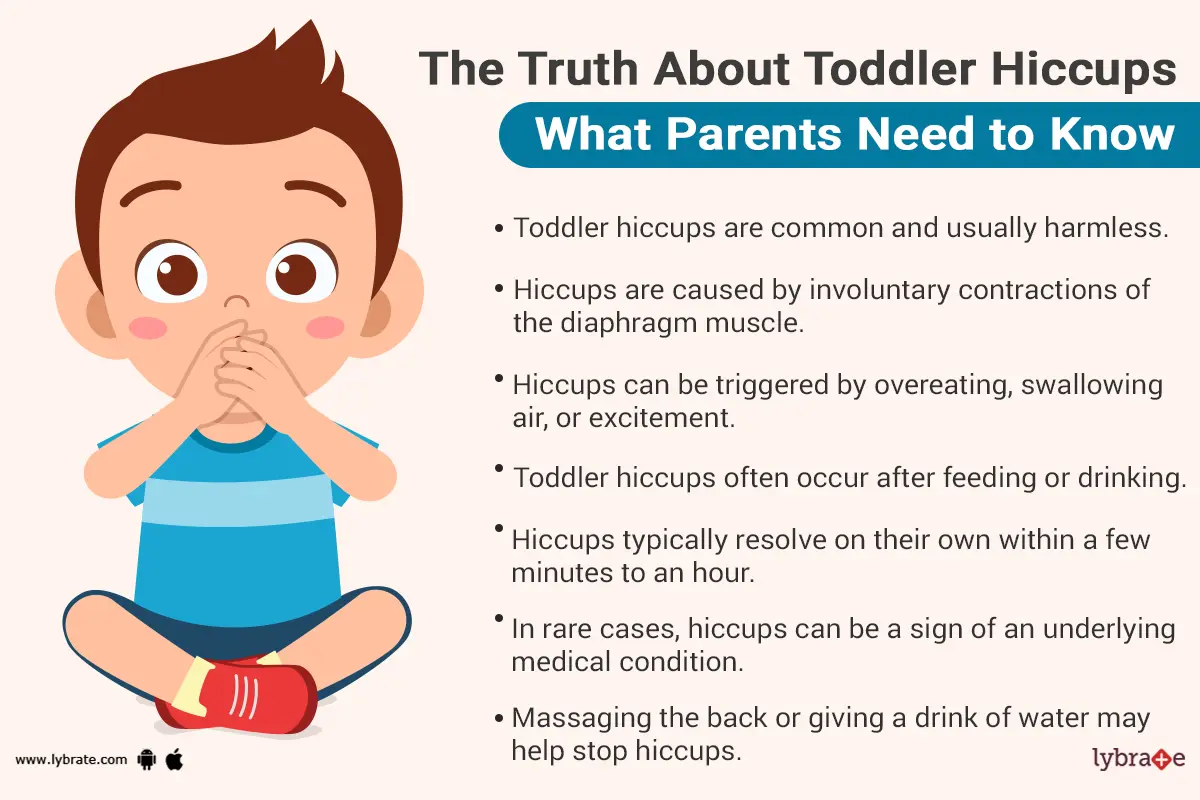
Image Source: assets.lybrate.com
Simple Ways How To Get Rid Of Toddler Hiccups Fast
Dealing with toddler hiccups can make parents wonder if something is wrong or how long the little jumps will last. A common question is, “How long do toddler hiccups last?” Most toddler hiccups are very short. They usually stop on their own in just a few minutes. Sometimes they might last longer, but it’s often just a short time, maybe 5 to 10 minutes. They usually go away without you doing anything at all. This guide shares simple ways how to get rid of toddler hiccups and covers toddler hiccups causes and preventing toddler hiccups. You will learn easy remedies for toddler hiccups and what to do about hiccups after feeding toddler.
Comprehending Toddler Hiccups
Hiccups happen to everyone, even small children. They are little jumps inside the body. A muscle under the lungs, called the diaphragm, makes these jumps. It pulls down when you breathe in. Normally, it works smoothly.
Sometimes, this muscle gets annoyed or bothered. It pulls down fast in little jerks. When this happens, air gets pulled quickly into the throat. It hits the voice box. This makes the sound we call a hiccup.
What Causes Toddler Hiccups?
Many simple things can make a toddler’s diaphragm jump. These are the common toddler hiccups causes.
- Eating too fast: When toddlers eat or drink very quickly, they can swallow extra air. This air can bother the diaphragm.
- Swallowing air: Just like eating fast, drinking from a straw or bottle quickly can cause a child to swallow air. Crying can also make them swallow air.
- Full tummy: If a toddler eats a lot and their stomach gets very full, it can press on the diaphragm. This can start hiccups.
- Getting excited: Strong feelings like being very happy or surprised can change breathing patterns. This might trigger hiccups.
- Changes in body heat: A sudden cool breeze or a quick change in temperature can sometimes cause the diaphragm to react.
These causes are usually harmless. Hiccups are often just a sign that the body is getting used to something. For toddlers, their bodies are still learning how everything works together.
Are Toddler Hiccups Something To Worry About?
For almost all toddlers, hiccups are not a problem. They might be annoying for a bit, but they don’t hurt the child. They usually stop quickly. Think of them like a sneeze or a yawn. They are just a body reaction.
You usually do not need to do anything. The hiccups will likely go away by themselves. However, many parents want to help stop them faster. This is where remedies for toddler hiccups come in handy.
Sometimes, but very rarely, hiccups that happen all the time or last for a very long time could mean something else is going on. We will talk about toddler persistent hiccups later. But most of the time, toddler hiccups are just a normal part of growing up.
Simple Ways To Stop Toddler Hiccups Fast
When you want to help stop the hiccups quickly, there are easy things you can try. These are simple ways how to get rid of toddler hiccups fast. Many of these are natural ways to stop toddler hiccups. They are gentle and safe for little ones. These methods are also often used to stop baby hiccups fast, and they work well for toddlers too.
H4. Try Giving a Drink
Giving your toddler a small drink can help.
- Offer a few sips of water.
- Use a regular cup if they can manage it.
- Avoid juice or sugary drinks. Water is best.
- Drinking slowly helps calm the diaphragm muscle.
This is one of the easiest home remedies for toddler hiccups. The act of swallowing can help the diaphragm relax.
H4. Help Them Burp
Air swallowed during eating or crying is a big cause of hiccups. Helping your toddler burping toddler can let this extra air out.
- Hold your toddler sitting upright on your lap.
- Lean them slightly forward.
- Gently pat or rub their back.
- Aim for the area between their shoulder blades.
- Use a soft hand.
- Continue for a few minutes.
Getting a burp out can release pressure that might be causing the hiccups. This is especially helpful for hiccups after feeding toddler.
H4. Change Feeding Position (If Hiccups Happen During or After Feeding)
Sometimes the way a toddler sits while eating can cause hiccups.
- Make sure your toddler is sitting upright.
- Their back should be straight.
- Their head should be higher than their tummy.
- This position helps food go down easily.
- It also makes it easier for air to come up.
If your toddler was slouched or lying down while drinking milk or eating, try sitting them up straight. This simple change might stop the hiccups.
H4. Offer Something to Suck On
For younger toddlers who still use a pacifier or bottle, sucking can sometimes help.
- Give them a pacifier.
- Offer an empty bottle to suck on (make sure it’s clean).
- The sucking motion can change breathing.
- This might stop the diaphragm spasms.
This is a quick trick that works for some toddlers.
H4. Give a Little Distraction
Sometimes just getting your toddler’s mind off the hiccups helps.
- Start playing a simple game.
- Point to a fun toy.
- Sing a song together.
- Read a short book.
Focusing on something else can change their breathing. This might be enough to stop the hiccup cycle. It’s a gentle, non-invasive way to help.
H4. Gently Rub Their Back
A gentle back rub can be calming.
- Sit your toddler on your lap.
- Gently rub their back in circles.
- Or stroke downwards softly.
- Do this for a minute or two.
This can help them relax. Relaxation might help the diaphragm muscle calm down too. It’s another easy home remedy for toddler hiccups.
H4. Wait It Out
Often, the best thing to do is nothing at all.
- Just comfort your toddler.
- Keep them happy and calm.
- Watch the hiccups.
- See if they stop on their own.
Most hiccups are very short. They will likely go away quickly without any help from you. This is often the most natural way for hiccups to stop.
Remedies For Toddler Hiccups in a Quick Look
Here is a simple list of things to try when your toddler has hiccups.
| Remedy | How It Helps | Best Used When… |
|---|---|---|
| Give a small drink | Helps calm the diaphragm by swallowing. | Hiccups start anytime. |
| Help them burp | Releases trapped air that causes pressure. | Happens after feeding or crying. |
| Change position | Makes digestion easier, reduces diaphragm pressure. | Happens during or after feeding. |
| Offer something to suck | Changes breathing pattern, helps relax. | Younger toddlers, anytime. |
| Distract them | Takes focus away, changes breathing. | Hiccups bothering the toddler. |
| Gently rub back | Helps the child relax. | Anytime, good for calming. |
| Wait it out | Allows the body to stop on its own. | Hiccups are short and not bothering them. |
These are all safe and simple remedies for toddler hiccups.
Dealing With Hiccups After Feeding Toddler
Hiccups happening right after eating or drinking are very common in toddlers. This is often because of swallowed air or a full stomach. Here’s how to best handle hiccups after feeding toddler.
H4. Burp Them Well
This is the most important step after feeding.
- Make sure you burp your toddler during the feeding if it is a long one.
- Definitely burp them well when they finish eating or drinking.
- Even if they don’t seem to need it, try burping them.
- Extra air is a big reason for hiccups after food.
Spend a few minutes burping them. If they don’t burp right away, try sitting them up straight for a bit and then burping again.
H4. Keep Them Sitting Upright
Do not let your toddler lie down right after eating.
- Keep them sitting or standing up.
- Have them sit for at least 20-30 minutes after a meal.
- Gravity helps keep food down.
- It also makes it easier for any trapped air to come up.
- Lying down can put pressure on the diaphragm.
This simple step can prevent hiccups from starting. If hiccups do start, staying upright can sometimes help them stop faster.
H4. Offer a Sip of Water
A small sip of water after the meal can help.
- Wait a few minutes after they finish eating.
- Offer just a small amount of water.
- This can help wash down any food bits.
- It can also help calm the stomach and diaphragm.
Don’t give too much, especially if their tummy is already full. Just a few sips are enough.
Preventing Toddler Hiccups
While you cannot stop all hiccups, there are things you can do to make them happen less often. These methods focus on preventing toddler hiccups.
H4. Slow Down Feeding Time
Helping your toddler eat and drink slower is key.
- If they drink from a bottle, use a slower-flow nipple.
- Encourage them to take breaks while drinking.
- For food, remind them to take smaller bites.
- Teach them to chew their food well.
- Make meal times calm and relaxed.
Eating or drinking too fast means they gulp more air. Slowing down reduces the amount of air they swallow.
H4. Burp Often During Feeding
If your toddler gets hiccups often during or after feeding, try burping them more.
- For bottles or nursing, burp them halfway through the feeding.
- Then burp them again at the end.
- For meals, you can try a quick burp break if they are taking a long time to eat.
Getting air out as they go keeps it from building up and bothering the diaphragm later.
H4. Do Not Overfeed
Trying not to let your toddler’s tummy get overly full can help.
- Offer smaller meals more often if needed.
- Pay attention to their hunger cues.
- Stop feeding when they seem full, even if they haven’t finished everything.
A very full stomach puts more pressure on the diaphragm. Less pressure means fewer potential hiccups.
H4. Avoid Big Temperature Changes
Sudden changes in temperature can sometimes start hiccups.
- Try not to give your toddler very cold drinks right after they’ve been running around and are hot.
- If they come inside from the cold, give them a moment to adjust before giving them a drink.
This is a less common cause, but it’s easy to manage.
H4. Keep Things Calm Before Feeding
High excitement just before eating can lead to faster breathing and more swallowed air.
- Try to have a calm time for a few minutes before meals.
- Avoid rough play or highly exciting activities right before they eat.
A calm child is more likely to eat at a steady pace.
By using these tips, you can help reduce the chances of your toddler getting hiccups. Focusing on managing air intake and stomach fullness are the most effective prevention methods.
Grasping Toddler Persistent Hiccups
Most hiccups are short and harmless. But what about toddler persistent hiccups? This means hiccups that last a long time or happen very, very often.
H4. How Long is “Persistent”?
For adults, persistent hiccups might mean they last for hours or even days. In toddlers, it’s different.
- Hiccups that last longer than an hour or two might be considered unusually long for a toddler.
- Hiccups that happen many times every day, over several days or weeks, could also be called persistent.
It’s important to remember that occasional hiccups are normal. Even having them for 15-20 minutes is not usually a concern. “Persistent” means they are truly bothering the child or happening way more often than usual.
H4. When to Talk to a Doctor
Very rarely, persistent hiccups can be a sign of a minor issue that needs checking.
- If your toddler’s hiccups last for several hours straight.
- If they happen many times every day for a week or more.
- If the hiccups seem to be bothering your toddler a lot (making them fussy, hard to feed).
- If the hiccups happen with other signs like throwing up, coughing a lot, or problems breathing.
In these rare cases, it’s a good idea to talk to your child’s doctor. They can check if there is any simple reason for the persistent hiccups. It is very unlikely to be anything serious, but it’s always best to check if you are worried. The doctor can also offer specific advice or solutions if needed.
Home Remedies for Toddler Hiccups: What Works and What To Skip
There are many old wives’ tales about curing hiccups. For toddlers, it’s important to use safe and gentle methods. Here’s a look at common home remedies for toddler hiccups.
H4. Safe and Gentle Methods (Covered Already)
- Giving a drink of water.
- Burping them well.
- Changing their body position.
- Offering something to suck on (like a pacifier).
- Distracting them with play.
- Gentle back rub.
- Just waiting patiently.
These are all safe, natural, and easy to do at home. They are the best things to try first.
H4. Methods To Avoid For Toddlers
Some methods safe for adults are not good or safe for young children.
- Startling or scaring them: This can be upsetting for a toddler and doesn’t always work. It’s not a kind way to help.
- Holding their breath: Toddlers cannot follow instructions to hold their breath safely. Do not ask them to do this.
- Drinking water upside down: This is messy and unsafe for a toddler. They could choke.
- Eating sugar: Giving a spoonful of sugar is an old remedy. It’s not proven to work and isn’t good for their teeth or diet. A small sip of water is better.
- Pulling their tongue: Never do this. It is dangerous and can cause injury.
Stick to the gentle and simple methods mentioned earlier. Your toddler’s safety is most important. Simple things like a drink or a burp are usually enough.
How Long Do Toddler Hiccups Last? Revisiting the Timeline
As we said at the start, how long do toddler hiccups last is usually not very long at all.
- Most of the time, they are gone in just a few minutes.
- Maybe 5 to 10 minutes.
- Sometimes they might last up to 20 minutes. This is still normal.
- Hiccups that last for an hour or more are less common. This is when you might think about them being ‘persistent’.
- But even then, they often stop on their own eventually.
The length of time can depend on what caused them. Hiccups from swallowing air might stop quickly once the air is out. Hiccups from a full tummy might last until digestion starts to clear things out a bit.
If your toddler gets hiccups often, it’s more about how often they happen or if they last for a very long time each time. Not just how long one short round of hiccups lasts. Knowing that short hiccups are normal can help ease parent worries.
Deciphering Why Hiccups Happen
It helps to remember why hiccups happen. The diaphragm is just a muscle. Like any muscle, it can sometimes twitch or cramp.
- Eating fast is like making the muscle work hard quickly.
- A full tummy presses on the muscle.
- Swallowed air bothers the muscle.
- Excitement changes how you use the muscle when breathing.
The hiccup is just the muscle’s way of reacting. It’s a reflex action. The body tries to reset itself. The hiccup helps get the trapped air or pressure adjusted. So, in a way, hiccups are the body’s own simple remedy.
Most natural ways to stop toddler hiccups and home remedies for toddler hiccups work by helping the diaphragm relax or by dealing with the cause (like trapped air). They don’t force the hiccup to stop, but create conditions where it can stop naturally.
Stop Baby Hiccups Fast Principles Applied to Toddlers
Many of the ways parents learn to stop baby hiccups fast work just as well for toddlers. This is because the basic cause (diaphragm spasm) is the same.
- Burping is key for both. Babies swallow a lot of air when feeding. Toddlers can too, especially when drinking fast or crying.
- Positioning helps both. Keeping a baby or toddler upright after feeding helps prevent air and food pressure from starting hiccups.
- Sucking helps calm babies and can also calm toddlers who still suck on pacifiers or cups.
- Gentle movements or rubbing can relax both babies and toddlers.
So if you used certain tricks for your baby, feel free to try them with your toddler. The main difference is that toddlers are moving around more and eating different foods, which adds to the list of possible triggers.
Creating a Calm Environment
A calm environment around meal times can go a long way in preventing toddler hiccups.
- Meal times should be peaceful.
- Avoid rushing your toddler.
- Sit down together if possible.
- Limit distractions like screens.
When a toddler is calm, they are more likely to eat slowly and swallow less air. This simple habit can reduce hiccups and help with digestion overall.
Table of Common Hiccup Scenarios and Simple Actions
Here’s a quick reference guide for common hiccup situations.
| Scenario | Possible Cause | Simple Actions to Try |
|---|---|---|
| Hiccups start during feeding | Eating/drinking too fast, swallowing air. | Take a break to burp, check feeding position. |
| Hiccups start right after feeding | Swallowed air, full stomach. | Burp them well, keep them upright, offer water sips. |
| Hiccups happen when playing | Excitement, maybe running/jumping. | Offer a small drink, gentle back rub, distraction. |
| Hiccups happen when cold | Sudden temperature change. | Offer a warm drink (not hot), gentle back rub, warm up. |
| Hiccups seem random | Often stop on their own. | Wait it out, distract, gentle back rub. |
Remember these are just things to try. If the hiccups are short and not bothering your toddler, doing nothing is often perfectly fine.
What If Hiccups Happen Often?
If your toddler seems to get hiccups very often, but they are short each time and don’t seem to bother them, it might just be how their body works right now.
- Some toddlers are more prone to hiccups than others.
- Their system is still developing.
- Continue using the prevention tips (slow eating, good burping).
As they get a little older, their body controls might get better, and the hiccups might happen less often.
If the frequent hiccups do bother them, or seem linked to tummy troubles or other symptoms, then it’s worth mentioning to the doctor.
Final Thoughts on Toddler Hiccups
Toddler hiccups are usually just a quick, noisy event. They are almost always harmless. They show that your toddler’s body is reacting to things like eating, excitement, or air.
You have many simple, gentle ways to help stop them faster if you wish. Home remedies for toddler hiccups like giving a drink, burping, or distraction are usually all you need.
Focus on preventing toddler hiccups by helping them eat slower and burping them well, especially after feeding toddler. This can make a big difference in how often hiccups happen.
Remember that how long do toddler hiccups last is usually just a few minutes. Only worry about toddler persistent hiccups if they last for hours or happen constantly for days, or if your child has other worrying signs.
Mostly, you can just cuddle your little one and wait for the funny little jumps to stop on their own. They are just a small part of growing up.
Frequently Asked Questions (FAQ)
H3. Are toddler hiccups painful?
No, toddler hiccups are not painful. They are just muscle spasms in the diaphragm. They can feel a little weird or annoying, but they do not cause pain for the child.
H3. Can hiccups make a toddler throw up?
It’s very rare for hiccups alone to make a toddler throw up. If a toddler throws up while having hiccups, it’s more likely because their tummy was too full, or they had a lot of air. Hiccups might just happen at the same time. If throwing up happens often with hiccups, talk to your doctor.
H3. Should I give my toddler something sweet to stop hiccups?
No, it’s not a good idea to give toddlers sweet things like sugar or syrup just to stop hiccups. It’s not a proven method, and it’s not healthy for them. A small sip of water is a much better and safer option.
H3. Is it okay if my toddler hiccups while sleeping?
Yes, it is completely okay for a toddler to hiccup while sleeping. Just like adults, they can get hiccups at any time. It usually doesn’t wake them up or bother them. You do not need to do anything if they hiccup in their sleep.
H3. Can hiccups mean my toddler is cold?
Sometimes a sudden temperature change can trigger hiccups. Coming inside from the cold to a warm house, or getting a cool drink when they are warm, might cause hiccups. But hiccups do not always mean they are cold. If you think they are cold, check their body temperature and make sure they are dressed warmly enough, regardless of the hiccups.
H3. When should I call the doctor about my toddler’s hiccups?
Call the doctor if:
* Hiccups last for many hours (more than 2-3 hours).
* Hiccups happen constantly, many times every day for a week or more.
* Hiccups seem to be making it hard for your toddler to eat, sleep, or breathe normally.
* Hiccups happen with other worrying signs like coughing a lot, breathing trouble, throwing up often, or fever.
These are rare situations. Most of the time, hiccups are normal and stop quickly.
H3. Do hiccups help my toddler in any way?
Hiccups are mostly just a reflex that seems leftover from being a baby in the womb. They might help practice breathing muscles. After birth, they are often a sign of swallowed air or a full tummy. Getting air up (burping) is helpful. So sometimes the cause leads to something helpful (like needing a burp), but the hiccup itself isn’t really needed. It’s mostly just a passing event.