
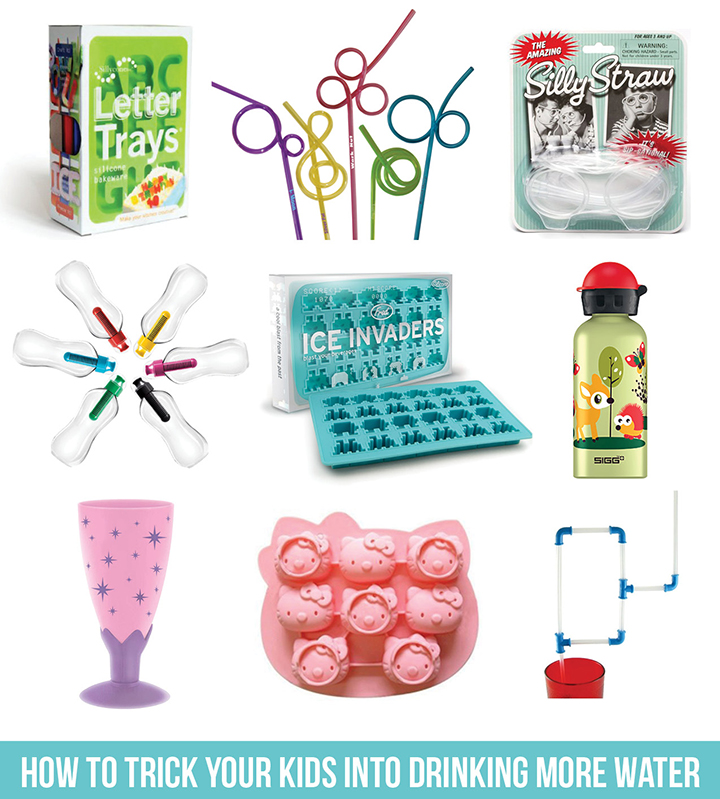
Image Source: www.mommyshorts.com
Crucial Guide: How To Get Toddler To Drink More Water
Does your toddler drink enough water? What is the right amount of water for a toddler? Can I give my toddler flavored water? These are common questions for parents. Yes, getting toddlers to drink enough water is vital for their health. A toddler typically needs about 1-4 cups of water a day. This amount depends on their age, activity level, and the weather. And yes, you can give your toddler flavored water, but it needs to be made the right way.
Water is super important for a toddler’s growing body. It helps them stay healthy. It keeps their bodies working well. Many parents worry if their little one is drinking enough. It can be hard to know. Toddlers are busy. They might forget to drink. Or they just might not want to. This guide will help you. It shares simple tips and tricks. You will learn how to help your toddler drink more water. You will also learn how to make it fun.
The Big Picture: Why Water Matters for Tiny Bodies
Water is life for everyone, especially for toddlers. Their bodies grow fast. They are very active. Water plays a big role in many body functions. It helps them stay healthy and strong.
H4: Water’s Role in Toddler Health
Water does many good things for a toddler.
* It aids digestion: Water helps food move through the body. It stops constipation. This makes tummy time better.
* It controls body temperature: Toddlers run and play a lot. They get hot easily. Water helps keep their bodies cool.
* It carries nutrients: Water helps move good things like vitamins around the body. It takes them where they are needed.
* It boosts energy: When toddlers drink enough water, they have more energy. They can play longer. They can learn better.
* It keeps joints healthy: Water helps joints move smoothly. This is key for active little ones.
* It cleans the body: Water helps remove waste. It keeps kidneys working well. This keeps their bodies clean inside.
H4: Toddler Water Intake Guidelines: How Much is Enough?
How much water should your toddler drink each day? This is a common question. The amount varies. It depends on several things. Age, activity, and climate all play a part.
Here is a general guide:
| Age Range | Recommended Daily Water Intake (Cups) | Other Fluid Sources (e.g., milk) |
|---|---|---|
| 12-24 Months | 1-2 cups | 2-3 cups whole milk |
| 2-3 Years | 2-4 cups | 2 cups whole or low-fat milk |
- Hot Weather: If it’s hot, your toddler needs more water.
- Active Play: If they are running and playing hard, they need more water.
- Illness: If they have a fever, throw up, or have loose stools, they need more water. This is very important. Offer small sips often.
These are just guidelines. Watch your child. Offer water often. Do not force them to drink. But make it easy for them to get water. Toddler hydration tips often start with this basic understanding.
Spotting the Red Flags: Signs of Toddler Dehydration
It is very important to know when your toddler needs more water. Dehydration can be serious. It means their body does not have enough fluid. Watch for these signs of toddler dehydration. Acting fast can prevent bigger problems.
H4: Early Warnings: Subtle Clues
Sometimes, dehydration starts small. You might miss these early signs.
* Less peeing: They might have fewer wet diapers. Or they might go to the potty less often. Their pee might be darker yellow.
* Dry lips or mouth: Their lips might look cracked. Their mouth might feel sticky.
* Less tears: They might cry, but no tears come out.
* Lower energy: They might seem more tired than usual. They might not want to play.
* Cool hands and feet: Their hands and feet might feel cooler than their body.
* Cranky mood: They might be more fussy or irritable.
H4: Urgent Signs: When to Seek Help
Some signs mean you need to get help fast. These are signs of serious dehydration.
* Very few wet diapers or no wet diapers for 8-12 hours: This is a big warning sign.
* Sunken soft spot (fontanelle) on a baby’s head: For babies under 18 months, this is a clear sign.
* Sunken eyes: Their eyes might look hollow.
* No energy or very sleepy: They might be hard to wake up. They might seem limp.
* Fast breathing or heart rate: Their breathing might be quick. Their heart might beat fast.
* No tears when crying: This is a strong sign of not enough fluid.
* Dry, tenting skin: If you pinch their skin gently, it stays up for a moment. It does not snap back fast.
If you see these urgent signs, call your doctor right away. Or go to the nearest emergency room. Early action can make a big difference.
Creative Hydration Hacks: Making Water Fun for Kids
Many toddlers do not want to drink plain water. This is common. But you can make water exciting! Making water fun for kids is key. It turns drinking into a game. It makes them want to drink more. These are creative ways to hydrate toddlers.
H4: Turn Water into a Game
Toddlers love to play. Use this to your advantage.
* Silly straws: Get straws with twists and turns. Or straws with fun characters. Kids love drinking through them.
* Fun cups: Buy cups with their favorite cartoon characters. Or cups that change color with cold water. Small, colorful cups are great.
* Ice, ice baby: Add fun-shaped ice cubes. You can use ice trays with animal shapes or stars. Kids love seeing them melt.
* “Cheers!” time: Make a game of toasting. Say “Cheers!” before each sip. Make it a special family moment.
* Water stations: Set up a small table with a child-friendly water pitcher. Let them pour their own water. This gives them control. They will feel big and important.
* Water parade: Have a “water parade.” Everyone gets a cup. Walk around the house taking sips.
H4: Make it Visually Appealing
Kids like things that look good. Water can be boring. Make it pretty.
* Fruit art: Add slices of colorful fruit to water. Think strawberries, cucumber, or lemon. It looks nice. It adds a hint of flavor.
* Edible glitter: A tiny pinch of edible glitter (for drinks) can make water magical. Use it sparingly.
* Layered drinks: For older toddlers, make layered drinks. Use different colored diluted juices. Pour slowly over ice for a rainbow effect.
H4: Lead by Example
Toddlers copy what they see. Be a water-drinking role model.
* Drink water yourself: Let your toddler see you drinking water often. Say things like, “Mmm, this water is so refreshing!”
* Offer water to others: When guests come, offer them water. Your toddler will see water as a normal drink.
* Make it a family habit: Have water bottles ready for everyone. Take sips together.
Beyond the Tap: Smart Sips and Flavors
Plain water is best. But sometimes, a little something extra can help. There are good options beyond plain tap water. And the right cup can make a big difference.
H4: Best Sippy Cups for Water
Choosing the right cup is important. It can make drinking easier and more fun. Different types work for different toddlers.
* Straw cups: Many toddlers prefer straw cups. They are easy to use. They help with straw drinking skills. Look for soft, silicone straws.
* Spill-proof cups: These are great for on-the-go. They prevent messes. But make sure they are easy to clean. Mold can grow if not cleaned well.
* Open cups: As toddlers get older, move to open cups. This helps them learn to drink without a lid. Start with small amounts of water. Use heavy, stable cups.
* Trainer cups: These have a weighted base. They are harder to tip over. They often have a soft spout.
| Sippy Cup Type | Pros | Cons | Best For |
|---|---|---|---|
| Straw Cup | Easy to drink from, good for oral motor | Harder to clean certain parts | Toddlers learning to use straws |
| Spill-Proof | Great for travel, no messes | Can be hard to clean, some restrict flow | Messy drinkers, on-the-go hydration |
| Open Cup | Builds natural drinking skills, easy clean | Spills easily | Older toddlers, supervised drinking |
| Trainer Cup | Stable, less prone to tipping | Limited styles, still a “spout” | Transition from bottle/breast to open cup |
Always pick cups that are BPA-free. Make sure they are easy to clean thoroughly.
H4: Flavored Water for Toddlers Recipes
Adding a hint of flavor can make water more appealing. Avoid sugary drinks. Make your own flavored water. These are flavored water for toddlers recipes.
- Fruity Cubes: Freeze small fruit pieces in ice trays with water. Use berries, melon chunks, or orange segments. Add these to their water. As they melt, they add flavor. The fruit is fun to eat too.
- Fruit Infusions:
- Berry Burst: Add a few sliced strawberries, blueberries, or raspberries to a pitcher of water. Let it sit in the fridge for a few hours.
- Cucumber Mint Chill: Thinly slice cucumber. Add a few fresh mint leaves. Put them in water. This is very refreshing.
- Citrus Splash: Add slices of orange, lemon, or lime to water. A small amount of juice from these can also be added.
- Apple Cinnamon: Add a few thin apple slices and a tiny pinch of cinnamon stick to warm water. Let it cool. Then chill.
- Very Diluted Juice: If they really won’t drink plain water, add a tiny splash of 100% fruit juice. Use a ratio of 1 part juice to 10 parts water. Or even more water. The goal is to add just a hint of taste, not sweetness.
H4: Healthy Drinks for Toddlers Besides Water
While water is number one, other healthy drinks can help.
* Milk: Whole milk is good for toddlers aged 1-2. After age 2, low-fat milk is fine. Milk offers calcium and vitamin D. Limit to about 16-24 ounces (2-3 cups) a day. Too much milk can fill them up. Then they won’t drink water or eat food.
* Very Diluted Fruit Juice: As mentioned above, small amounts of 100% fruit juice, heavily watered down, are okay. Avoid juice drinks that are mostly sugar.
* Smoothies: A great way to add fluids and nutrients. Blend fruit, a little water or milk, and maybe some spinach. This is a yummy and thick drink.
* Unsweetened plant-based milks: If your child cannot have dairy, plain, unsweetened almond, soy, or oat milk can be an option. Talk to your doctor about this. Make sure it has enough nutrients.
Avoid soda, sports drinks, and sugary fruit “drinks.” These are not healthy for toddlers. They can lead to tooth decay and weight gain.
Food as Fluid: Hydrating Munchies
Water comes from more than just a cup. Many foods have high water content. These foods to increase toddler hydration are a tasty way to get more fluids into your child. They also offer important vitamins and fiber.
H4: Fruits with High Water Content
Fruits are nature’s juicy treats. They are perfect for hydration.
* Watermelon: As its name says, it’s mostly water. It’s sweet and easy to eat.
* Strawberries: These berries are full of water. They are also packed with Vitamin C.
* Cantaloupe: A sweet melon with lots of water.
* Peaches and Nectarines: Juicy and soft, great for little mouths.
* Oranges: Full of Vitamin C and water.
* Grapes: Small and juicy. Cut them in half lengthwise for toddlers to prevent choking.
* Pineapple: A tropical fruit with a lot of water content.
* Plums: Small, sweet, and hydrating.
H4: Vegetables with High Water Content
Don’t forget vegetables. Many veggies are also great sources of water.
* Cucumber: Very high in water. Great for dipping or in thin slices.
* Celery: Crunchy and watery. You can offer it with peanut butter (if no allergies). Cut it into small, safe pieces.
* Lettuce: All kinds of lettuce have lots of water. Use it in salads or sandwiches.
* Tomatoes: These are fruits, but we use them as veggies. They are very watery.
* Bell Peppers: Especially red, yellow, and orange ones. They are sweet and crunchy.
* Zucchini: You can shred it into muffins or pasta sauce. It adds hidden hydration.
H4: Soups and Broths
Warm or cool, soups and broths are good for fluids.
* Chicken noodle soup: A classic comfort food. It’s mostly broth.
* Vegetable soup: Full of watery veggies.
* Clear broths: Can be sipped plain or used to cook rice or pasta.
H4: Yogurt and Pudding
These creamy foods also contain a good amount of water.
* Plain yogurt: You can add fruit for flavor.
* Sugar-free pudding: A treat that also provides some hydration.
Making these foods part of your toddler’s daily diet helps them get fluids without even trying.
Tackling the Picky Drinker: When Your Toddler Won’t Sip Water
It’s tough when your picky toddler won’t drink water. It can be frustrating. But do not give up. There are many reasons why a toddler might refuse water. Maybe they prefer milk or juice. Maybe they just don’t feel thirsty. Patience and smart tactics are key.
H4: Why Toddlers Refuse Water
- Taste Preference: They might prefer the sweetness of milk or juice. Water can taste bland to them.
- Fullness from Other Drinks: If they drink a lot of milk or juice, they may feel full. They won’t have room for water.
- Lack of Thirst Cues: Toddlers are busy. They might ignore their thirst. They don’t always listen to their bodies.
- Control: Toddlers love to say “no.” Refusing water can be a way to show independence.
- Discomfort: Maybe the water is too cold, or the cup is hard to use.
H4: Gentle Tactics for Reluctant Drinkers
Here are some ways to help your picky drinker.
* Limit Other Drinks: Offer milk only with meals. Limit juice to very small, diluted amounts. Water should be the main drink between meals.
* Make it a Habit: Offer water at specific times. For example, when they wake up, before meals, after playtime, and before bed. Make it part of their daily routine.
* Positive Reinforcement: Praise them when they take a sip. Say, “Good job drinking your water!” Do not scold them if they don’t drink.
* No Pressure: Never force a toddler to drink. This can make them dislike water even more. Offer it, but let them choose.
* Offer Choices: Let them pick their cup or straw. Giving them a choice can make them feel more in control.
* Temperature Matters: Some toddlers like cold water. Some like room temperature. Experiment to see what they prefer.
* Flavor It Up (Subtly): Use the flavored water for toddlers recipes discussed earlier. A tiny bit of fruit can make a big difference.
* Play and Hydrate: Integrate water into play. If they are playing outside, bring water along. Make sure it’s always available.
* Model Good Behavior: Drink water yourself! Let them see you enjoying water.
* Make Water Accessible: Keep a filled water cup in a place they can reach. For example, on a low shelf in the fridge or on a small table.
* Set a Timer: For very stubborn toddlers, set a timer for 10-15 minutes. Tell them, “When the timer rings, we will take a sip of water.” This adds a fun challenge.
Patience is key. It might take time for your toddler to accept water. Keep offering. Keep trying different approaches.
Essential Reminders: Toddler Hydration Tips for Parents
Helping your toddler drink more water is an ongoing task. It’s part of daily life. Here are some key toddler hydration tips to remember. They will help make sure your little one stays well-hydrated.
H4: Keep Water Handy at All Times
- Portable water bottles: Always carry a water bottle for your toddler when you go out.
- Home access: Have water readily available at home. A pitcher on a low table. A cup on a counter. Make it easy for them to get it themselves.
- Mealtime water: Always offer water with meals and snacks.
H4: Build Routines
- Scheduled sips: Offer water when they wake up. Offer it before and after play. Offer it with meals. This helps them learn to drink water as a habit.
- Before and after sleep: Offer a small drink of water before naps and bedtime. And again when they wake up.
H4: Be a Role Model
- Drink water yourself: Show them that you drink water. Let them see you enjoy it.
- Talk about water: Say things like, “This water makes me feel strong!” or “Water helps us play!”
H4: Watch for Clues, Not Just Cups
- Observe your child: Don’t just count cups. Watch for signs of thirst or dehydration. Dry lips, low energy, less pee are important clues.
- Consider activity and weather: If it’s hot or they’re playing hard, they need more water.
H4: Make Water the Default Drink
- Limit other drinks: Water should be the main drink. Offer milk with meals only. Limit juice to very small, diluted amounts.
- No sugary drinks: Keep sugary drinks, soda, and sports drinks out of reach. These are not good for toddlers.
H5: Use Food as a Helper
- Offer watery foods: Include fruits and vegetables that are high in water. Watermelon, cucumber, and oranges are great choices.
- Soups and broths: These are good ways to get extra fluids into them.
H5: Be Patient and Positive
- No pressure: Never force your child to drink. This can create a negative feeling about water.
- Praise effort: Praise them when they take even a small sip. Keep it light and fun.
- Keep trying: It might take many tries. Do not give up if they refuse at first. Try new cups. Try new flavors. Try new times.
By following these simple toddler hydration tips, you can help your little one build healthy drinking habits for life.
Frequently Asked Questions (FAQ)
H4: How much water does a 1-year-old need daily?
A 1-year-old typically needs 1 to 2 cups of water each day. This is in addition to 2 to 3 cups of whole milk. The amount can change based on how active they are and the weather.
H4: Can I give my toddler ice water?
Yes, you can give your toddler ice water. Many toddlers enjoy cold water. Some even like to chew on small ice chips. Make sure the ice cubes are small enough not to be a choking risk. Or use fun-shaped ice.
H4: What are the best drinks for toddlers besides water and milk?
Besides water and milk, the best drinks are very diluted 100% fruit juice (small amounts) and smoothies. Smoothies can mix fruit, a little water or milk, and even some hidden veggies. Plain, unsweetened plant-based milks might be an option if your child can’t have dairy. Always talk to your doctor about plant milks.
H4: My toddler only wants milk. What should I do?
Limit milk to meal times. Offer water between meals. Make sure they drink no more than 16-24 ounces (2-3 cups) of milk a day. Too much milk can make them feel full. This leaves no room for water or food. Offer water in fun cups. Add fruit for subtle flavor. Be patient and consistent.
H4: Are sports drinks good for toddlers?
No, sports drinks are not good for toddlers. They are full of sugar. They also have extra electrolytes that most toddlers do not need. Water is the best way to hydrate for active toddlers.
H4: How can I tell if my toddler is dehydrated?
Look for these signs: less wet diapers (or fewer trips to the potty), dark yellow pee, dry lips and mouth, less tears when crying, low energy, or crankiness. If you see signs of serious dehydration like very few wet diapers, sunken eyes, or extreme sleepiness, get medical help right away.
H4: Is it okay to add flavor drops to my toddler’s water?
It’s best to avoid flavor drops for toddlers. They often have artificial sweeteners, colors, and flavors. These are not ideal for young children. Instead, use natural fruit slices or small amounts of 100% fruit juice to flavor water. This is a healthier choice.
H4: What if my toddler gags or chokes on water?
If your toddler gags or chokes on water, check their drinking skills. Make sure the cup is right for their age. Use a straw cup or an open cup with a small amount of water. Watch them as they drink. If it happens often, talk to your doctor. There might be an underlying issue.
H4: Can too much water be bad for a toddler?
While rare, drinking too much water can be harmful. This is called water intoxication. It can happen if a toddler drinks huge amounts very quickly. This usually happens in extreme cases. For most toddlers, sticking to the recommended daily amounts is safe. If you have concerns, talk to your pediatrician.
Final Thoughts
Helping your toddler drink enough water is a key part of their healthy growth. It might seem like a small thing. But it has a big impact on their body and brain. It takes effort, patience, and some fun tricks. Remember to offer water often. Make it easy to get. Make it fun. And always lead by example. By making water a positive part of their day, you are setting them up for a lifetime of healthy habits. Cheers to happy, hydrated toddlers!