
Helping your toddler play alone is a big step. Parents often ask, “How can my child play alone?” This guide helps your child play without you. We will share toddler solo play tips. These ideas work for young children. They even help foster independent play preschoolers. This skill brings many benefits. It helps your child grow in important ways. Learning to play alone helps children build key life skills. It gives parents a chance to rest too. This post will show you strategies for encouraging independent play. You will learn to teach toddler to entertain themselves.
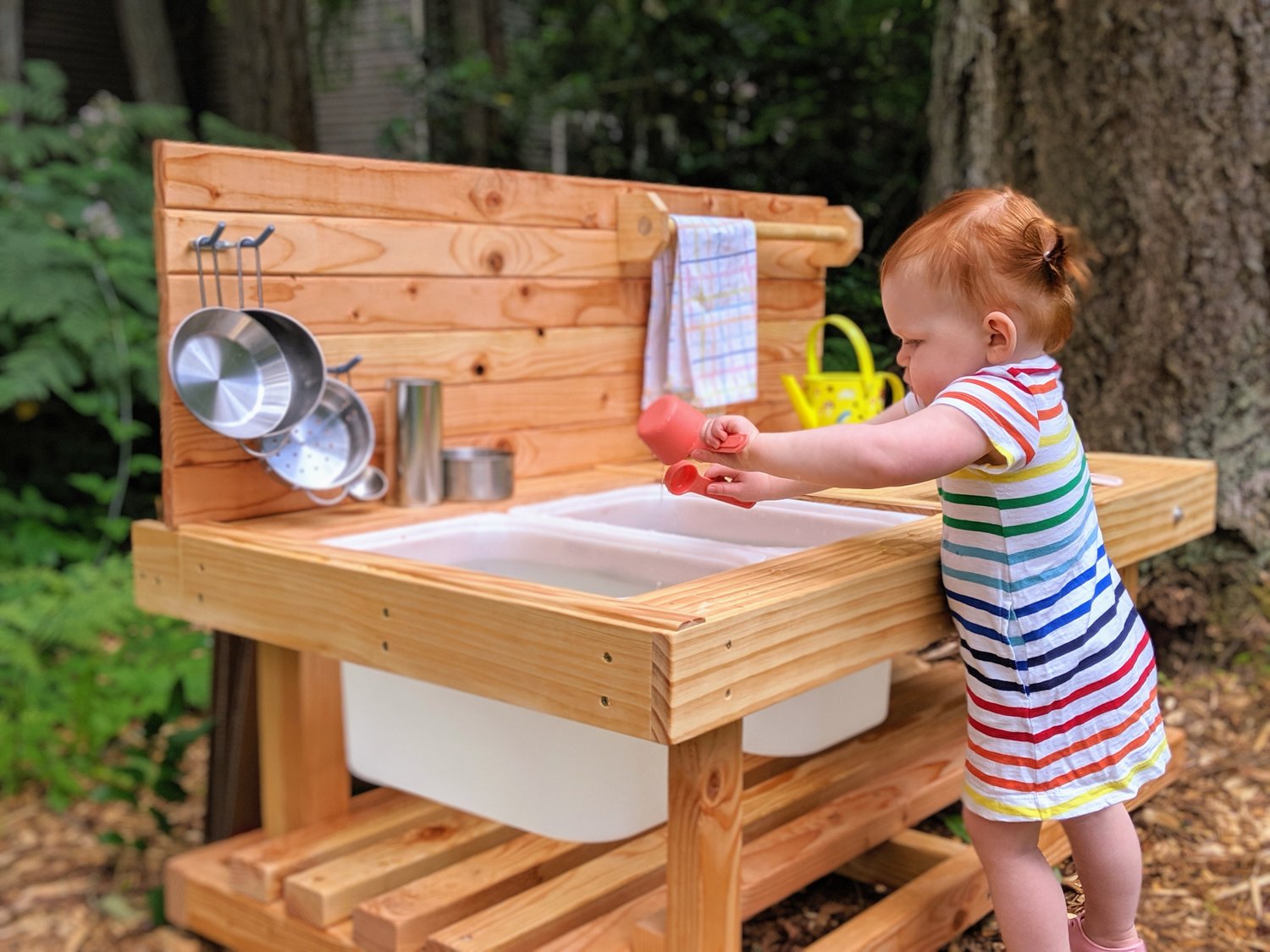
Image Source: images.squarespace-cdn.com
Grasping the Power of Solo Play
Independent play is a big part of a child’s early years. It means your child plays alone. They choose their own games. They use their own ideas. They do not need your constant help. This type of play is not just about fun. It helps your child grow in many ways. It builds their mind. It helps their feelings. It makes them more able to do things.
Benefits of Independent Toddler Play
Let us look at why solo play is so good for your child. These benefits are many. They help your child now and in the future.
- Boosts Creativity: When your child plays alone, they make up their own games. They do not follow rules set by others. This helps their mind create new ideas. They learn to use what they have. A block can be a car. A scarf can be a cape.
- Builds Problem-Solving Skills: Children face small problems during solo play. How do I make this tower stand? How can I get this toy to move? They try different things. They learn to fix their own issues. This makes them think for themselves.
- Develops Focus and Attention Span: In solo play, children stay with one task longer. They learn to focus. They do not get easily pulled away. This helps them pay attention in school later.
- Grows Self-Confidence: When a child plays alone, they achieve things by themselves. They feel good about their own efforts. “I built this!” or “I did it!” This builds their belief in themselves. It makes them feel strong and able.
- Fosters Emotional Regulation: Solo play gives children a chance to work through feelings. They might act out scenes. They might process their day. It is a safe way to explore emotions. It helps them learn to calm themselves.
- Promotes Self-Reliance: This is a big one. Children learn they do not always need an adult. They can do things on their own. This makes them more independent. It helps them feel capable.
- Offers Parents a Break: Let us be honest. Parenting is hard work. When your child plays alone, you get a break. You can do chores. You can rest. You can just watch them. This helps you too. It helps you be a better parent.
Strategies for Encouraging Independent Play
Teaching your toddler to play alone takes time. It needs a plan. It will not happen overnight. But with these steps, you can help your child. These are key strategies for encouraging independent play.
Start Small, Build Up
Do not expect too much at first. Your child might only play alone for a few minutes. That is okay. Start with short times. Then slowly add more time.
- Begin with Short Bursts: Try for 5-10 minutes. Tell your child you will be nearby.
- Be Close At First: Sit in the same room. Do not join their play. Read a book. Do quiet work.
- Increase Time Slowly: Add a few minutes each day. Over weeks, the time will grow.
- Acknowledge Success: Praise them when they play alone. Say, “You are playing so well!”
Set Up the Scene
A good play space helps a lot. It should be safe and inviting. This is about creating independent play space toddler friendly.
- Safety First: Make sure the area is very safe. Remove anything small or sharp. Block off stairs. Use outlet covers.
- Easy Access: Put toys where your child can reach them. They should not need your help to get a toy.
- Clear and Calm: Too many toys can be overwhelming. A clean, simple space is best. Less mess means more focus.
- Define the Space: A rug or a corner can show where play happens. This helps children know where to play.
The Art of “Back Off”
This is a hard one for many parents. It means letting your child play without you. Do not jump in. Do not offer ideas. Let them lead.
- Be a Silent Observer: Sit nearby. Watch them. Do not talk. Do not suggest things.
- Resist the Urge to Direct: It is tempting to say, “Why don’t you build a house?” Do not. Let them choose.
- Answer Only When Asked: If they ask for help, give it quickly. Then step back. Do not get pulled into the game.
- Understand Their Frustration: They might get upset. This is normal. Let them try to work through it first. Offer calm words. “That is hard. You can try again.”
Give Them the Right Tools
The right toys help. They should be open-ended. This means toys that can be many things.
- Open-Ended Toys: Think blocks, dolls, art supplies, scarves, animal figures. These toys have no single way to play. Your child decides.
- Age-Appropriate: Make sure toys fit their age. Too hard, and they get mad. Too easy, and they get bored. We will look at age appropriate independent play ideas soon.
- Fewer is More: Too many toys can be distracting. A small number of good toys is better.
- Natural Materials: Wood, fabric, and other natural items are good. They feel nice. They look good.
Toy Rotation for Independent Play
This is a very powerful tool. Toy rotation for independent play keeps toys fresh. It also prevents too much clutter.
How Toy Rotation Works
- Divide Toys: Group your child’s toys. Put them into 3-4 groups.
- Store Most Toys: Keep only one group of toys out at a time. Store the others away. You can use bins or boxes.
- Rotate Regularly: Change out the toys every week or two. Bring out a new group. Put the old group away.
- Observe Your Child: Watch what toys they play with most. Adjust groups if needed.
Why Toy Rotation Helps
- Keeps Toys Fresh: When toys come out after a break, they feel new. Children are more excited to play with them.
- Less Clutter: A clean space helps focus. Fewer toys out means less mess.
- Deeper Play: With fewer choices, children play more deeply with each toy. They find new ways to use them.
- Encourages Creativity: Limited choices force children to use their imagination more.
Quiet Time Activities for Toddlers
Independent play does not always mean loud play. Quiet time activities for toddlers are great. They help calm your child. They also teach self-control.
- Books: Reading alone is a great quiet activity. Keep a low basket of books within reach.
- Puzzles: Simple knob puzzles or chunky puzzles are perfect. They help fine motor skills.
- Shape Sorters: These teach shapes and colors. They keep hands busy.
- Drawing/Coloring: Crayons and paper are simple. They let kids express themselves. Use large crayons that are easy to hold.
- Play Dough: This offers sensory play. It is calming. Children can roll, squish, and cut.
- Water Play (Controlled): A small basin of water with cups or sponges can be quiet. Do this in a safe spot. Maybe the kitchen floor with a towel under it.
- Stacking Cups/Rings: Simple items are often the best. They offer endless ways to play.
Age Appropriate Independent Play Ideas
The type of solo play changes as children grow. Here are some age appropriate independent play ideas. They cover young toddlers to preschoolers.
Young Toddlers (12-24 Months)
At this age, independent play is short. It focuses on exploring.
- Blocks: Large, soft blocks. Stacking and knocking down is fun.
- Cause-and-Effect Toys: Push a button, something happens. Pull a string, something moves.
- Balls: Rolling, throwing, chasing.
- Container Play: Putting things into boxes and taking them out. This is a favorite.
- Board Books: Looking at pictures. Turning pages.
Older Toddlers (2-3 Years)
Play gets more complex. They start to use their imagination more.
- Building Blocks: Larger wooden or plastic blocks. Building simple towers or roads.
- Pretend Play Props: Play kitchen items, baby dolls, toy phones. They start to act out scenes.
- Simple Puzzles: 2-4 piece puzzles.
- Art Supplies: Chunky crayons, large paper, washable paints (with supervision if messy).
- Animals/Cars: Small figures for imaginative stories.
- Dress-Up Clothes: Simple hats, scarves, old shirts.
Preschoolers (3-5 Years)
Their play is full of stories. They build complex worlds. This is where you really foster independent play preschoolers.
- More Complex Blocks: Lego Duplos, magnetic tiles. Building complex structures.
- Elaborate Pretend Play: Entire play sets for doctors, vets, fire stations. They create long stories.
- Craft Supplies: Safety scissors, glue sticks, various papers, beads (large ones).
- Small World Play: Using animal figures or dollhouse people to create scenes.
- Dramatic Play: Using costumes, props, and imagination to act out roles.
- Outdoor Play: Sandboxes, water tables, swings, slides.
Here is a table showing some examples:
| Age Group | Type of Play | Recommended Toys/Activities |
|---|---|---|
| 12-24 Months | Exploration, Cause & Effect, Simple Manipulation | Soft Blocks, Stacking Rings, Shape Sorters, Board Books, Balls |
| 2-3 Years | Early Pretend Play, Simple Building, Sensory Play | Building Blocks, Dolls/Stuffed Animals, Play Kitchen, Play Dough, Puzzles |
| 3-5 Years | Imaginative Play, Complex Building, Creative Arts | Lego Duplos, Magnetic Tiles, Doctor Kits, Craft Supplies, Small World Figures |
Building the Routine
Consistency helps a lot. If you set a time for independent play, children learn what to expect.
- Choose a Time: Pick a time each day. Maybe after breakfast. Or after a nap.
- Be Consistent: Try to do it at the same time every day. Children thrive on routine.
- Give a Heads-Up: Tell your child, “In 5 minutes, we will have quiet play time.”
- Start with Shared Play: You can start by playing with them for a few minutes. Then, tell them you are going to do something quiet nearby. This helps them transition.
- Stay Nearby: Always be in earshot. Check on them quietly. This makes them feel safe.
Addressing Challenges
Sometimes, things do not go as planned. It is okay.
- Whining/Calling for You: This is normal. Go to them. Acknowledge their feeling. “You want me to play.” Reaffirm the plan. “It is quiet play time now. I am right here.” Then step back again.
- Short Attention Span: If they keep changing toys, that is fine. As long as they are playing alone. Their focus will grow.
- Not Interested in Any Toy: Maybe they are tired. Or overstimulated. Try resting. Or offer only one very simple toy.
- Mess Making: This is part of play. Set limits. “Keep the water in the bin.” Have clean-up time ready. Teach them to help put toys away.
Empowering Self-Directed Play in Young Children
To truly encourage self-directed play young children need freedom. They need to feel they own their play.
- Trust Your Child: Believe in their ability to play alone. They are learning.
- Praise Effort, Not Outcome: “You tried so hard to build that!” is better than “What a perfect tower!” Focus on their trying.
- Do Not Interrupt Good Play: If they are deeply focused, do not break their spell. Even if it is time for a snack. Let them finish if possible.
- Model Independent Activities: Let your child see you do quiet tasks. Read a book. Do a puzzle. This shows them how to enjoy solo time.
- Allow for Mess: Creative play can be messy. Cover floors. Use washable items. Accept a bit of chaos. The learning is worth it.
Mastering the Art of Stepping Back
This is the hardest part for many parents. It is vital to teach toddler to entertain themselves. It is not about neglect. It is about providing space for growth.
- Your Role is a Guide: You are not their entertainer. You are their guide. You set up the environment. You offer tools. Then you step back.
- Let Them Be Bored: Boredom sparks creativity. If they complain, “I am bored,” gently suggest, “What could you do?” Let them think.
- Resist the Urge to Fill Every Moment: We live in a busy world. It is easy to plan every minute. But children need empty time. They need time to explore their own thoughts.
- Focus on Your Own Tasks: When they are playing alone, do something for yourself. It helps you resist jumping in. It also models independent behavior.
- Celebrate Small Wins: Each time they play alone for a bit longer, it is a win. Praise them. Praise yourself too. You are doing a great job.
Final Thoughts on Toddler Solo Play Tips
Helping your toddler play alone is a gift. It gives them skills for life. It makes them more capable. It boosts their mind. It helps their feelings. It is a process. It takes patience. It takes practice. But the rewards are huge. Your child will grow into a confident, creative, and independent person. You will gain precious moments for yourself. Start today. Take small steps. Watch your child bloom.
Frequently Asked Questions (FAQ)
When can I start encouraging independent play?
You can start very early! Even babies can have tummy time alone. For toddlers, around 12-18 months is a great time to start short periods of independent play. Begin with just a few minutes. Increase the time as they get older.
How long should a toddler play independently?
It depends on their age and personality.
* 12-18 months: 5-10 minutes.
* 18-24 months: 10-15 minutes.
* 2-3 years: 15-30 minutes.
* 3-5 years: 30-60 minutes or even longer.
The key is to follow their lead and build up gradually. Some days will be longer than others.
What if my toddler cries or throws a fit when I try to step away?
This is normal. It means they want your attention. Stay calm. Go to them. Say, “I know you want me to play. But it’s quiet play time now. I’m staying right here.” Then return to your spot. Do not get pulled into the game. Be firm but gentle. They will learn that you are there but you expect them to play alone.
Should I stay in the same room?
At first, yes. Stay in the same room. Do something quiet like reading or folding laundry. This makes them feel safe and secure. As they get older and more comfortable, you can move to a nearby room. Always be within earshot.
What if my toddler is just making a mess and not playing?
Mess is often part of play. Set clear rules beforehand. “Blocks stay on the rug.” “Crayons only on paper.” If they break the rules, calmly end the play for a short time. “Since the blocks went off the rug, they need to go away now.” Help them clean up. Then try again later. Teach them that playtime comes with responsibility.
How do I know if the toys are “right” for independent play?
Look for toys that:
1. Are open-ended: Can be used in many ways (e.g., blocks, scarves, figures).
2. Are age-appropriate: Not too hard, not too easy.
3. Do not require a lot of adult help: They can use them on their own.
4. Do not have many flashing lights or sounds: These can be overstimulating and limit imagination.
A few simple, quality toys are better than many complex ones.